Nature · 35 free printables
Plant Coloring Pages
Monstera in a basket and a bonsai on the shelf, houseplant and garden pages for plant lovers of any age.
35 free printable plant coloring pages
Tap a drawing to see it full size and flip through the set. Press + to collect several and print them as one PDF.
- See it on Amazon
The original: weird and comfy, a world of mystical yet cozy creatures deep in their quirky vibes. Printed by Amazon: 88 pages at 8.5 by 8.5 inches, drawings on one side only.
Creepy characters drawn round and friendly, printed one side only.
- See it on Amazon
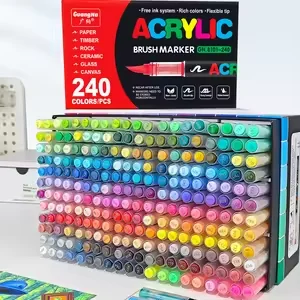
Guangna acrylic paint markers, 240 colorsMarkers
Opaque acrylic ink through a brush tip that goes from 1 mm to 6 mm, for the flat solid color that bold-and-easy pages look best in and a felt tip cannot match. They need weight under them: a single-sided book page or 120 gsm paper, not ordinary copy paper.
Opaque brush-tip acrylic for flat, solid color on bold pages.
- See it on Amazon
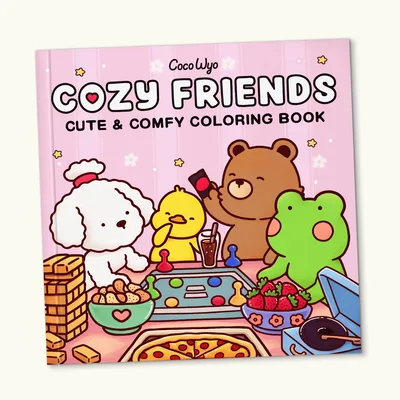
The book most people mean by Coco Wyo: animal friends doing laundry, cooking and cleaning, with small stories hidden in each scene. Printed by Amazon: 88 pages at 8.5 by 8.5 inches, drawings on one side only.
Bold, simple outlines and cute animals, done in an evening.
- See it on Amazon
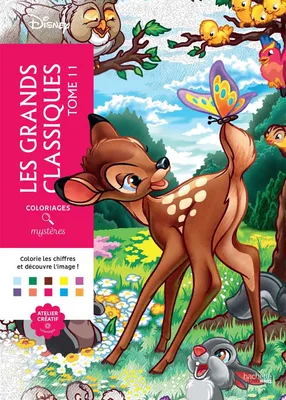
Coloriages Mystères: Grands Classiques 11Book
The eleventh volume of the French series, illustrated by Jeremy Mariez. A hundred numbered pages across Encanto, Tangled and Cars, in the large format the series keeps. French edition: the pages are numbers and a color key, so nothing needs reading.
Numbered mystery pages across Encanto, Tangled and Cars.
- See it on Amazon
The original: weird and comfy, a world of mystical yet cozy creatures deep in their quirky vibes. Printed by Amazon: 88 pages at 8.5 by 8.5 inches, drawings on one side only.
Creepy characters drawn round and friendly, printed one side only.
- See it on Amazon
Guangna acrylic paint markers, 240 colorsMarkers
Opaque acrylic ink through a brush tip that goes from 1 mm to 6 mm, for the flat solid color that bold-and-easy pages look best in and a felt tip cannot match. They need weight under them: a single-sided book page or 120 gsm paper, not ordinary copy paper.
Opaque brush-tip acrylic for flat, solid color on bold pages.
Keep going
More free coloring pages to print next
Same 300 dpi PDFs, still free. Sheets you added to your pack stay there when you switch collections.
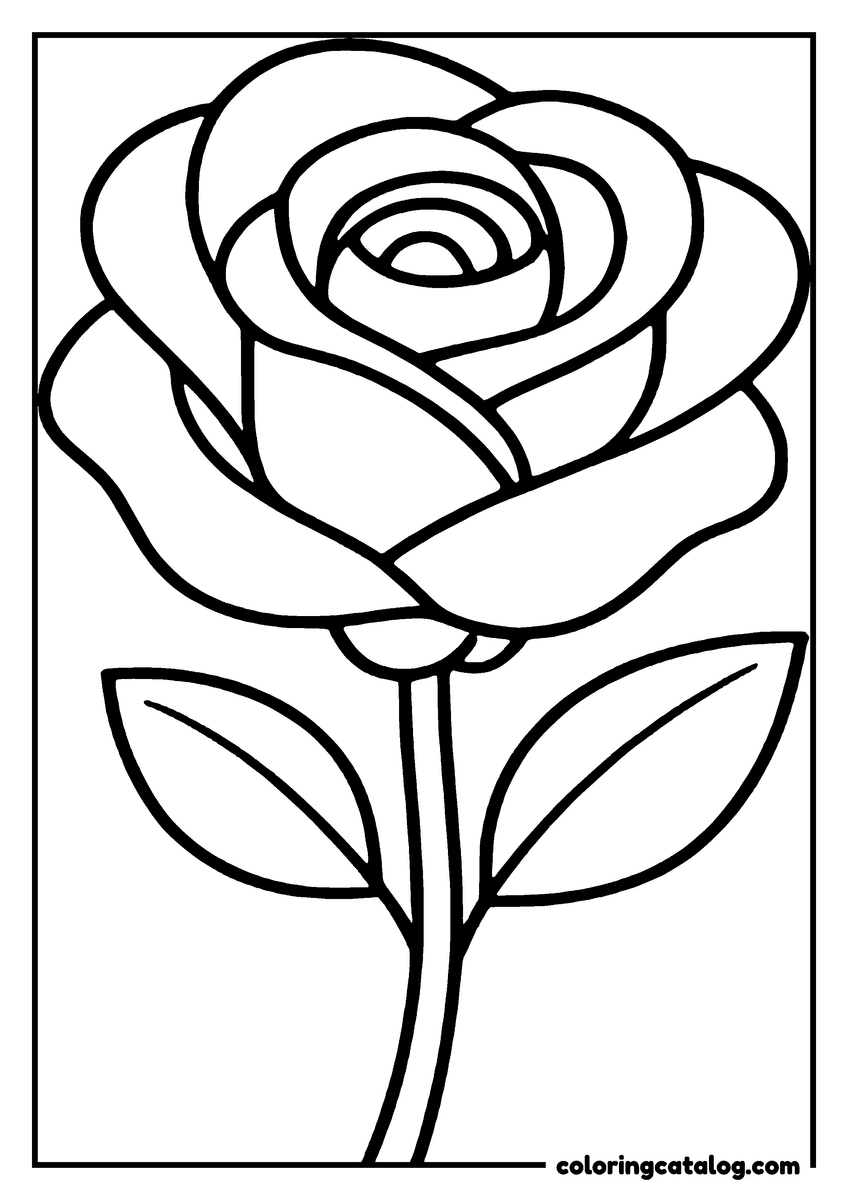
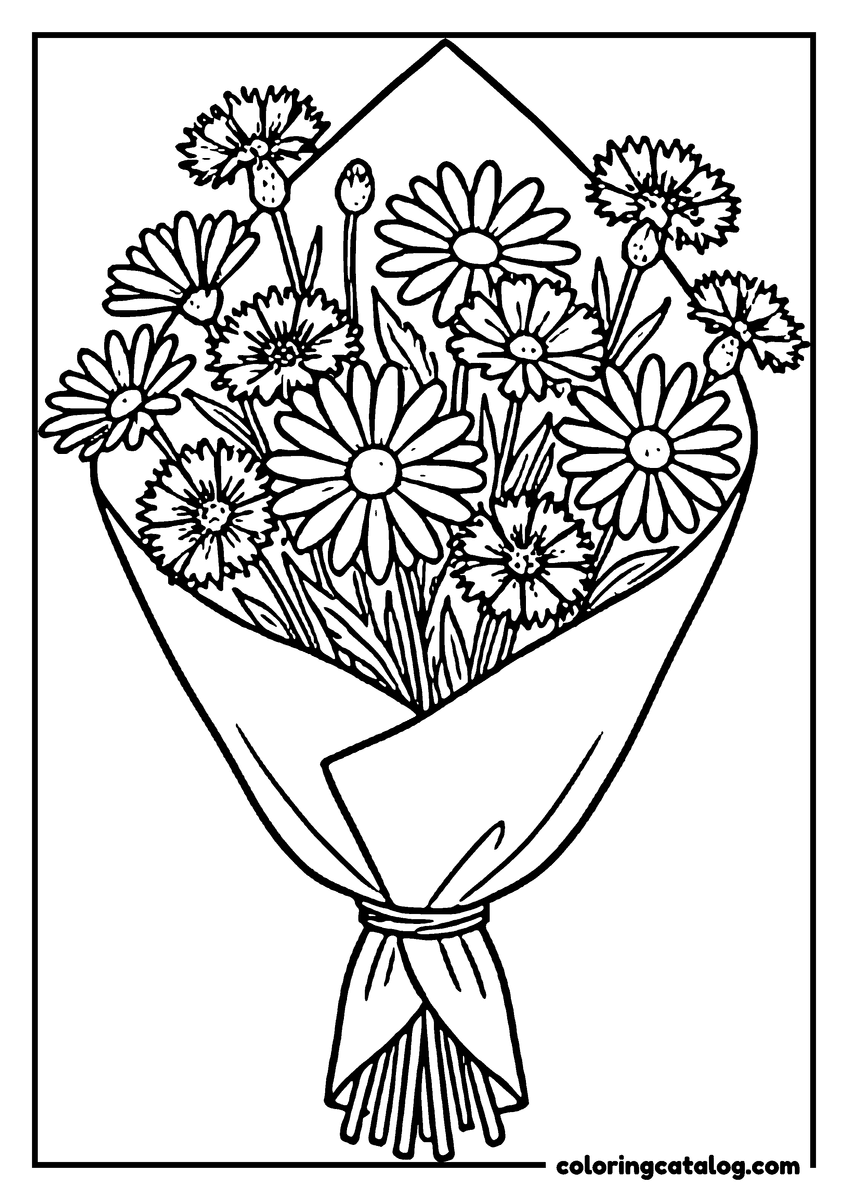
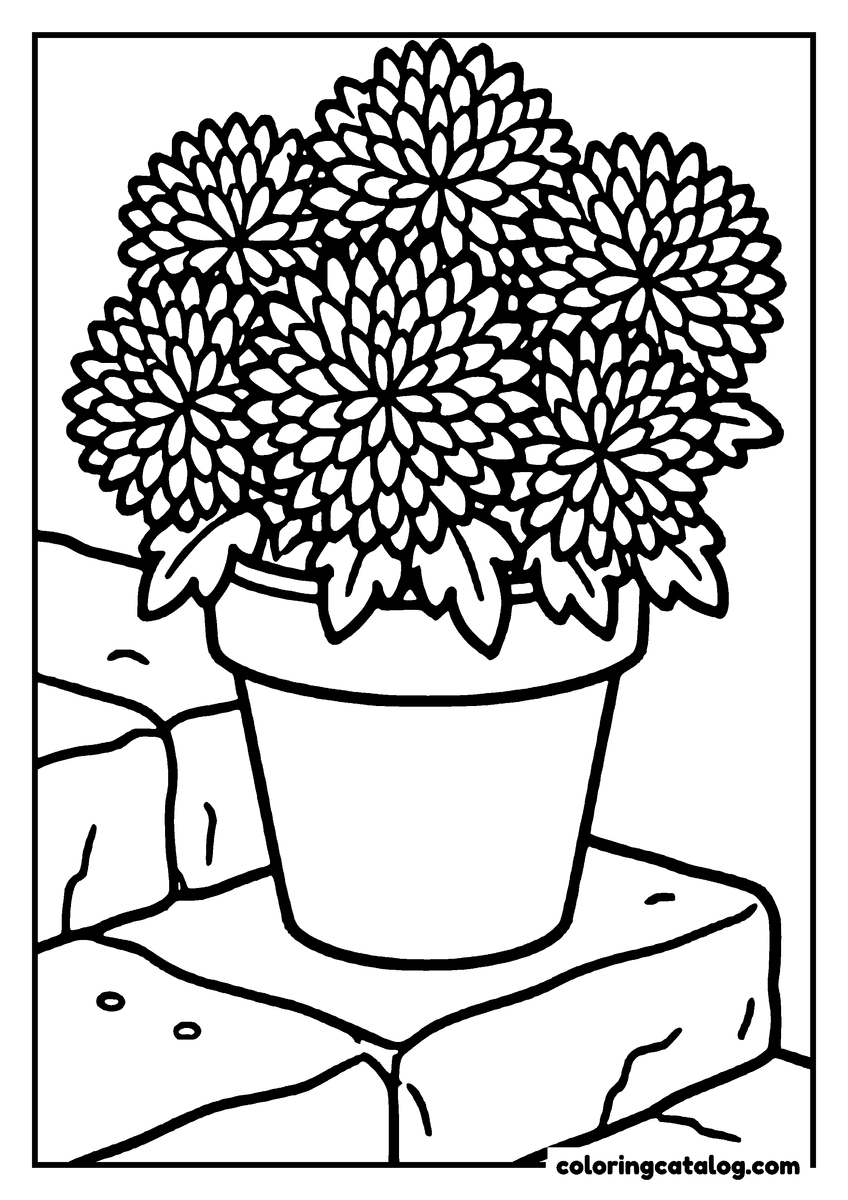
Adult colorists will enjoy real flowers drawn up close, peonies in full bloom and sunflowers in a tin bucket.
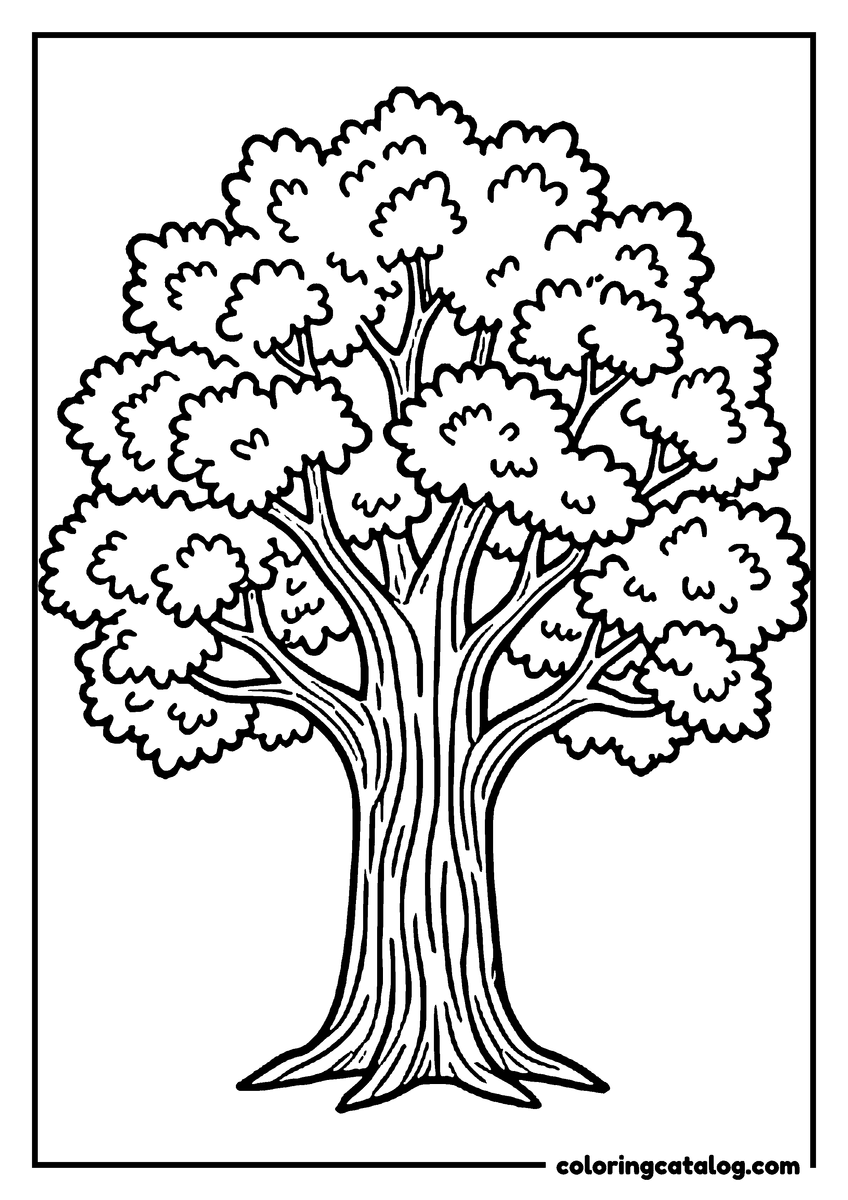
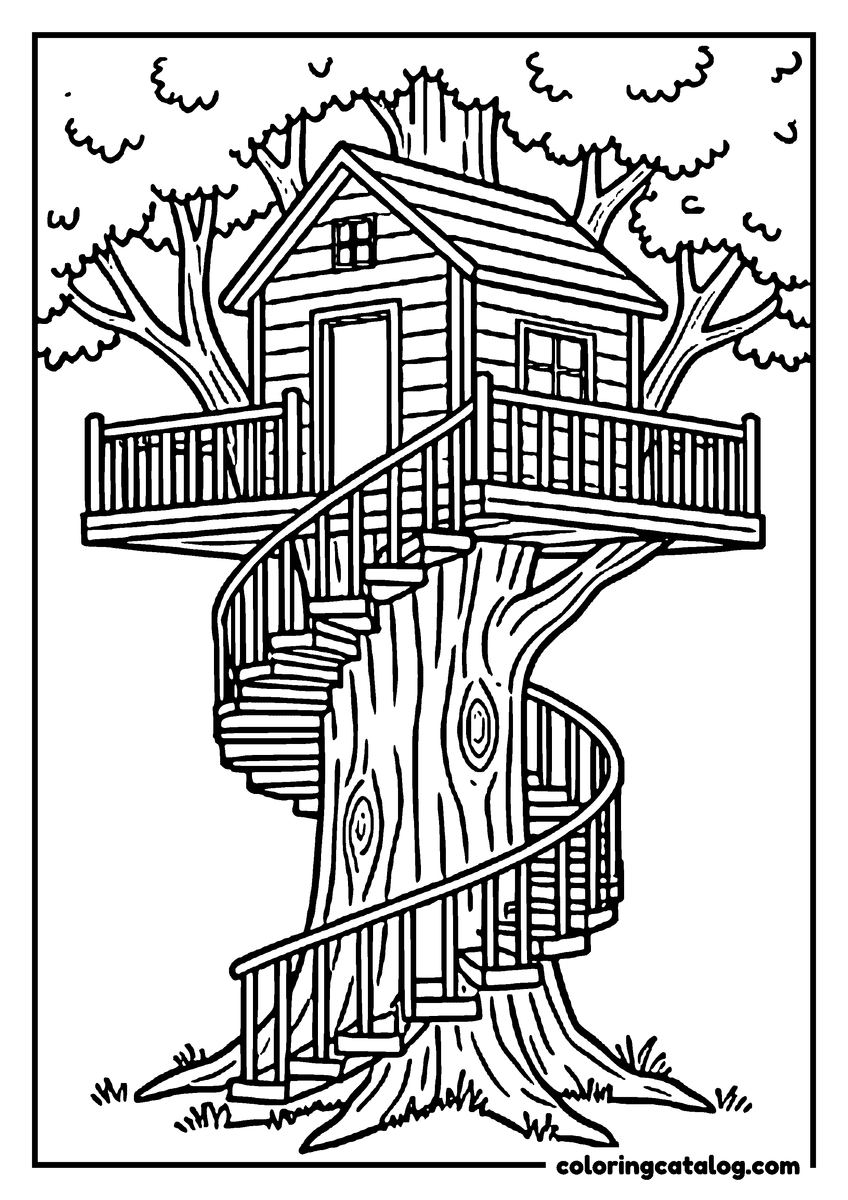
Weeping willows stand beside a tree of life, real trees and decorative ones for nature study or calm coloring.
Toadstools and mushroom houses with gnomes and snails at the door, cottagecore scenes rich in detail.
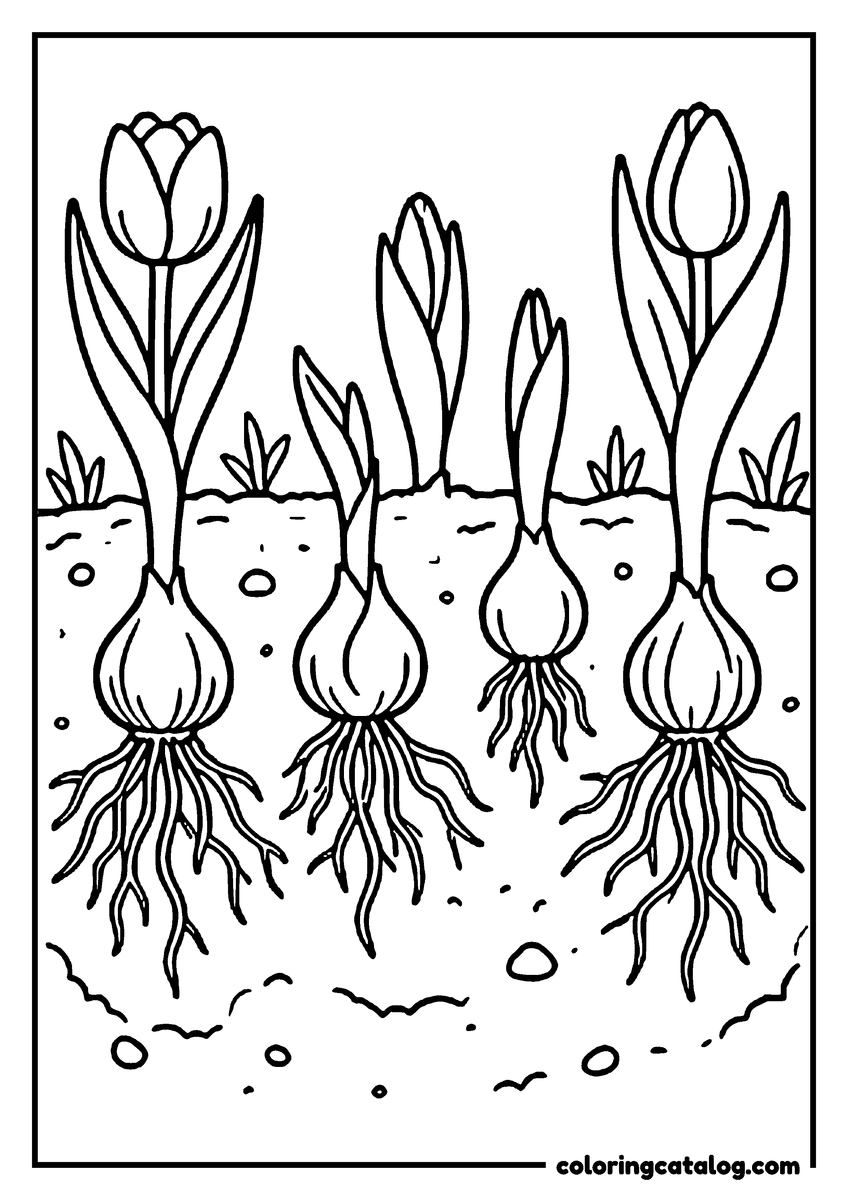
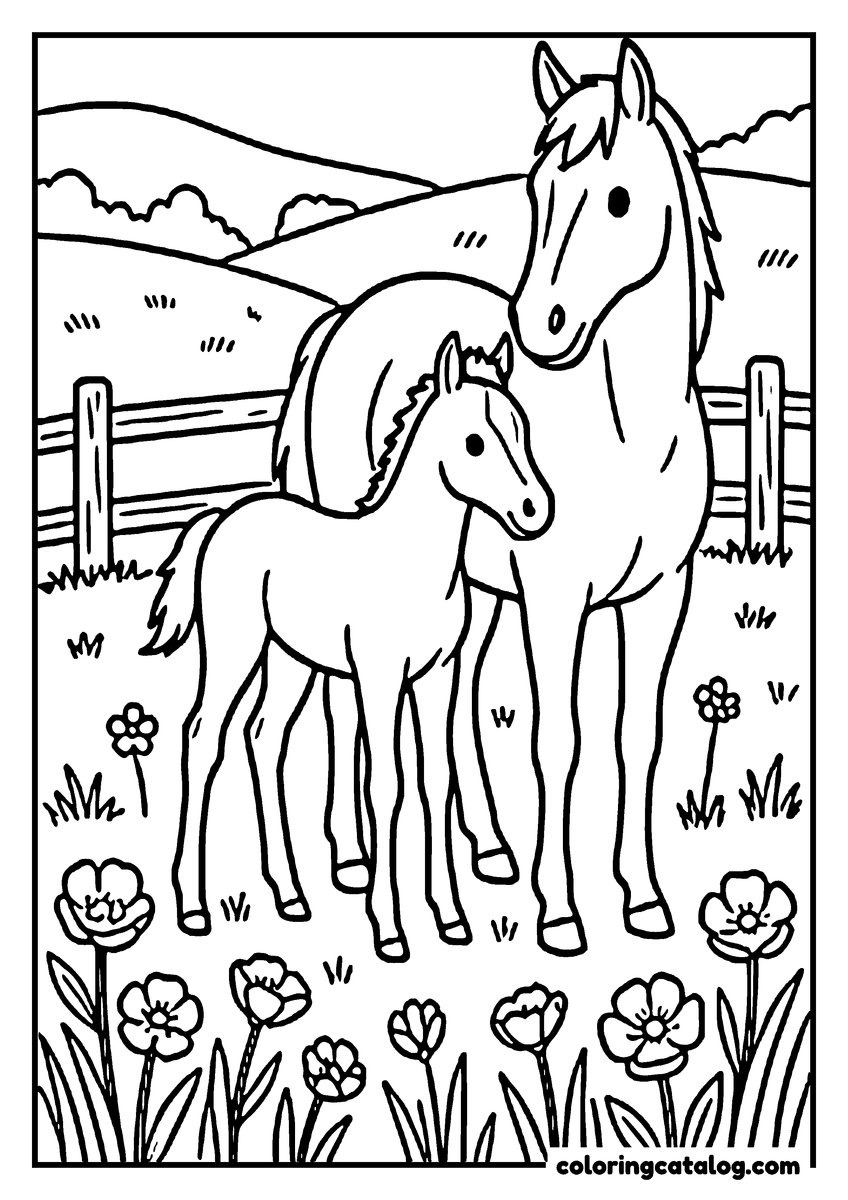
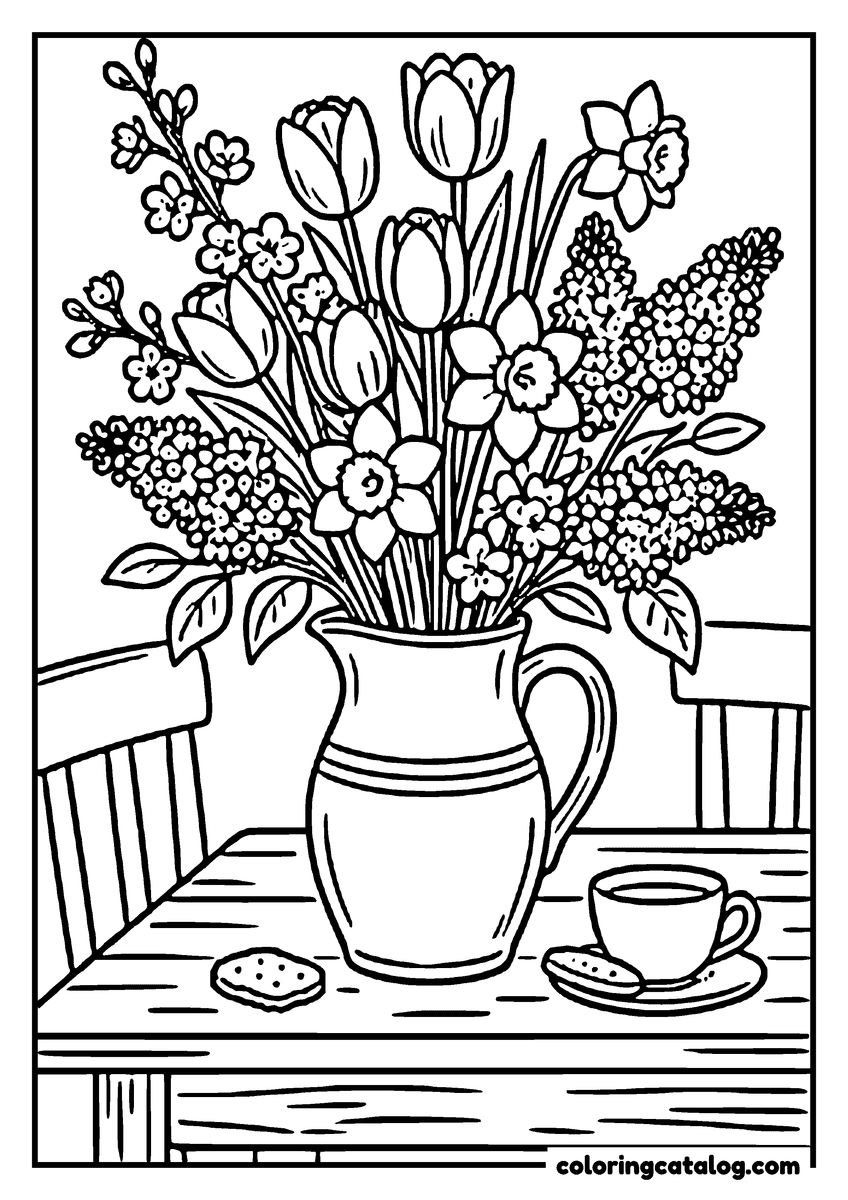
Blossom lanes and ducklings in the rain, detailed spring scenes for the weeks between March and May.
About these plant coloring pages
Updated October 2026
A plant is the one thing on a coloring page that a child can also grow on the windowsill next to it. The free plant coloring pages in this collection draw houseplants, cacti, garden crops and a couple of insect eaters, plus a few sheets that open the soil to show roots at work. Every one prints as a PDF, ready for a science lesson or a quiet afternoon.
What the collection holds:
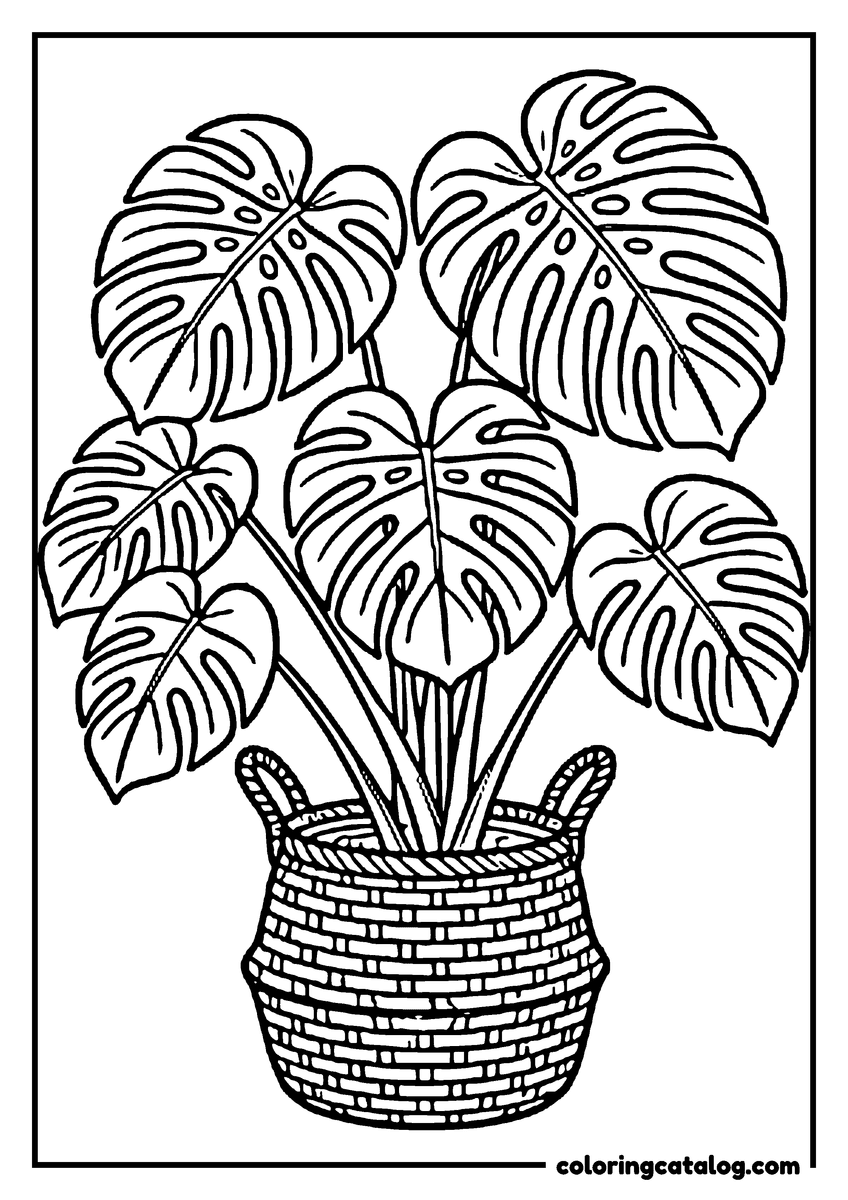
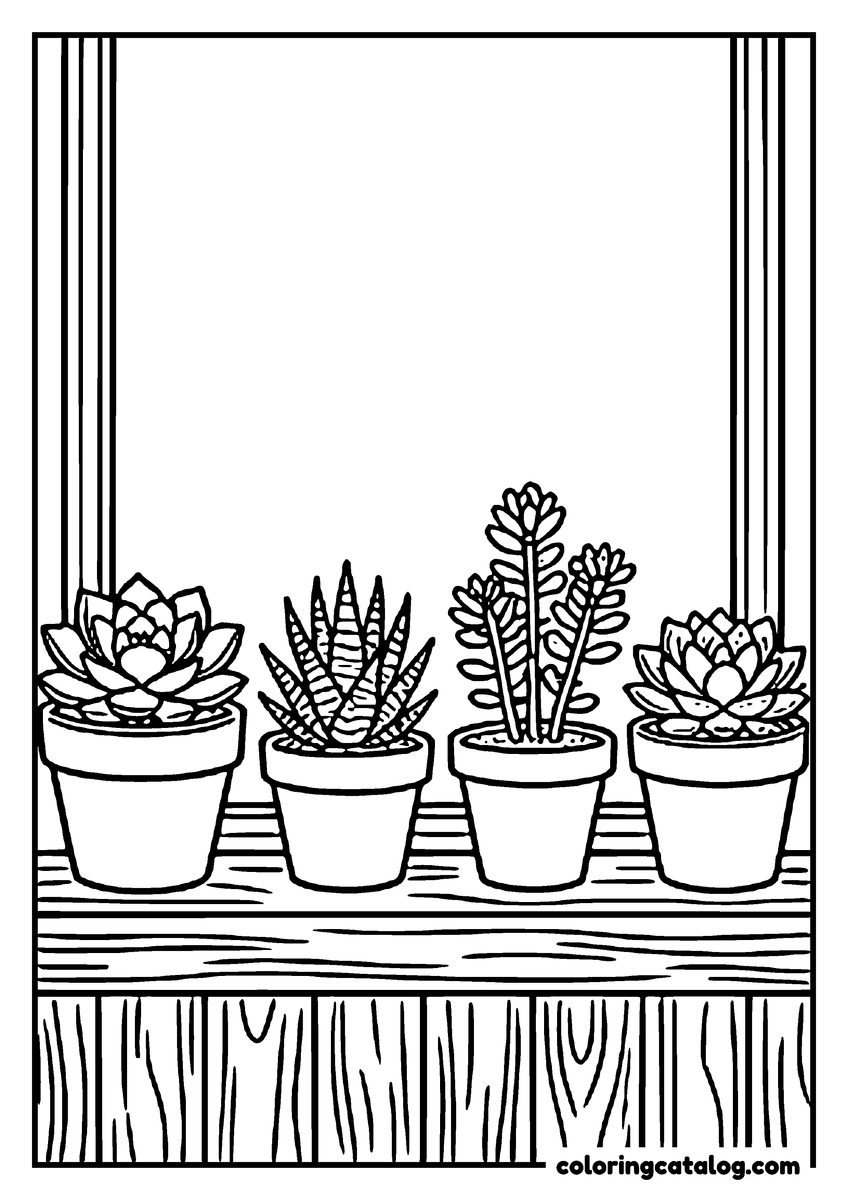
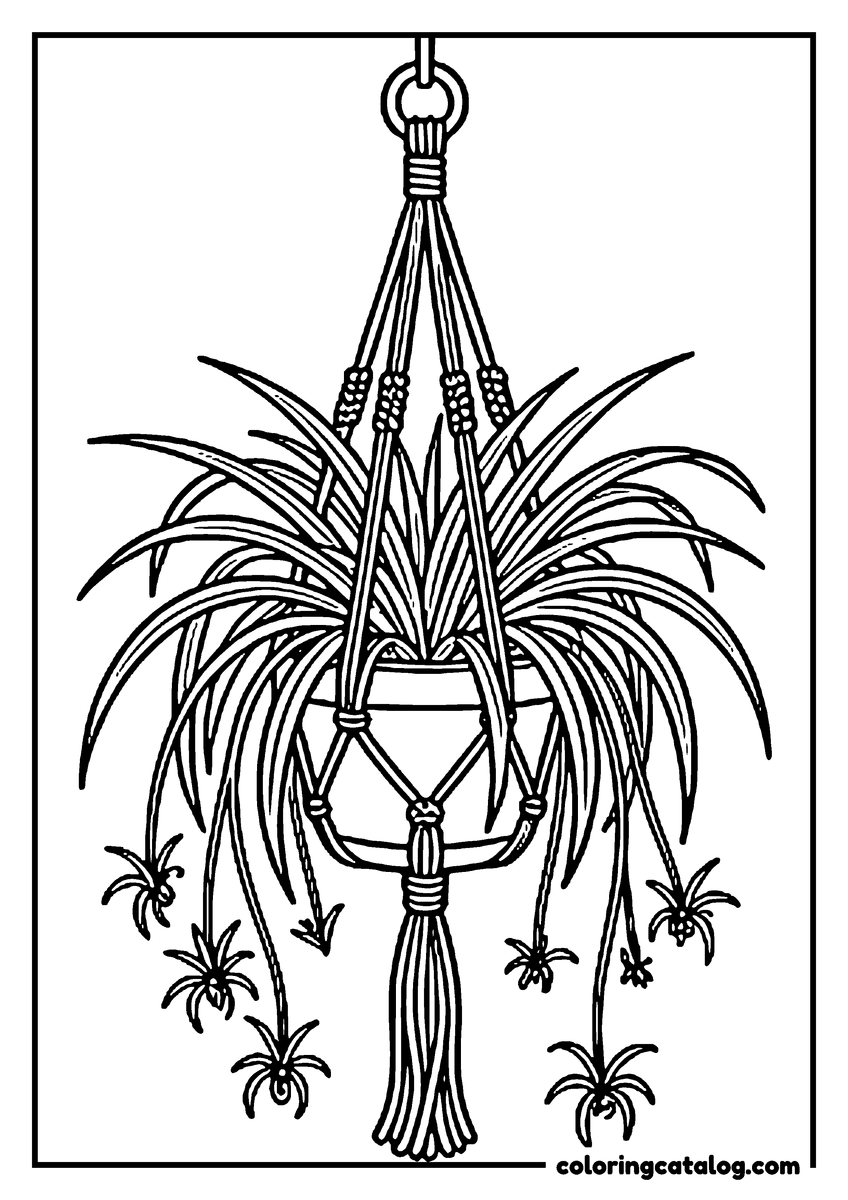
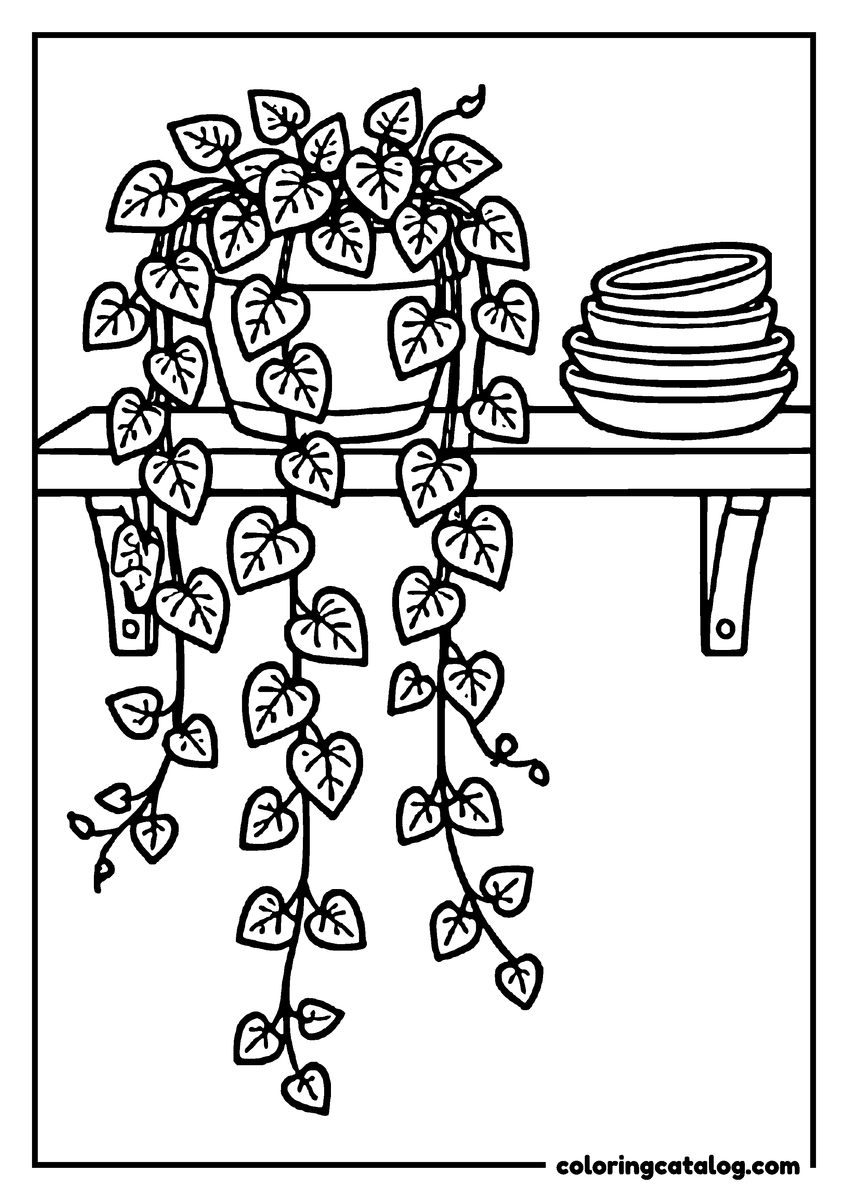
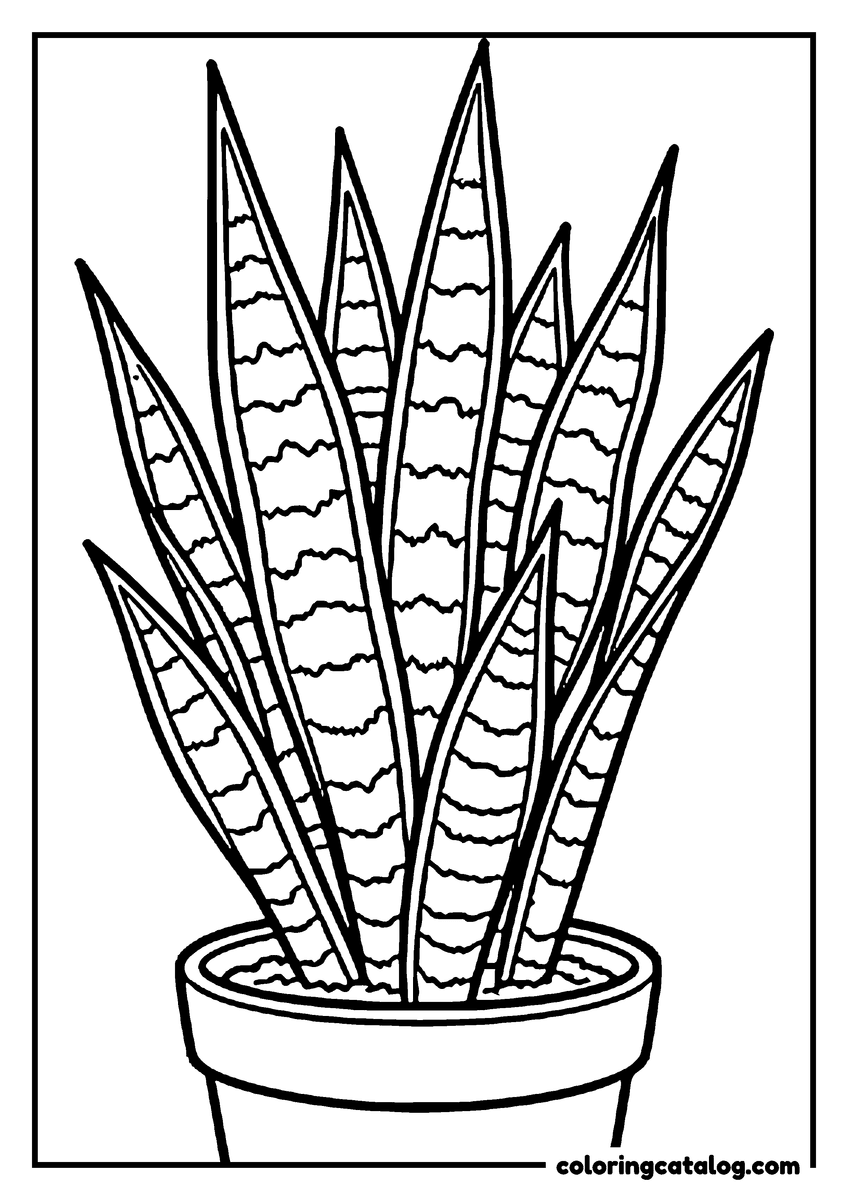
- Houseplants: a monstera, succulents on a windowsill, a spider plant in a macrame hanger, a snake plant, a string of hearts and a tall aloe.
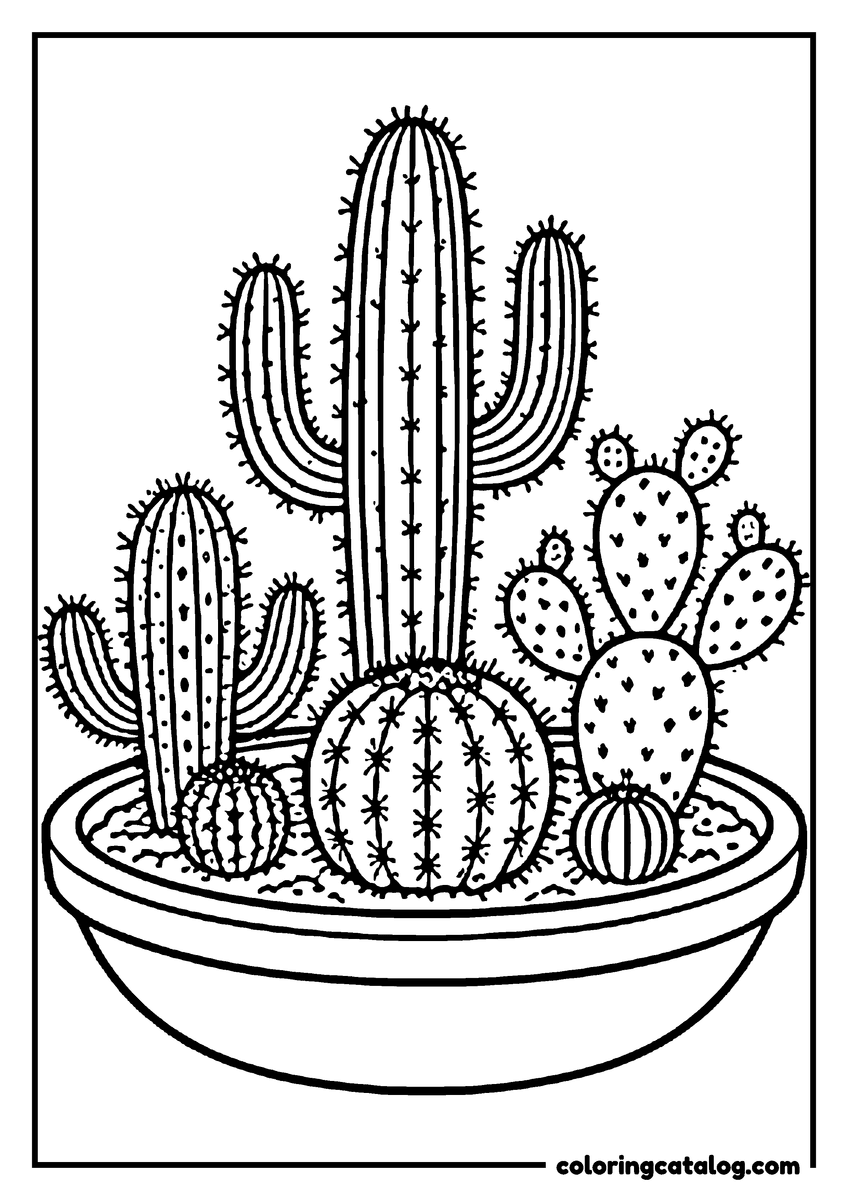
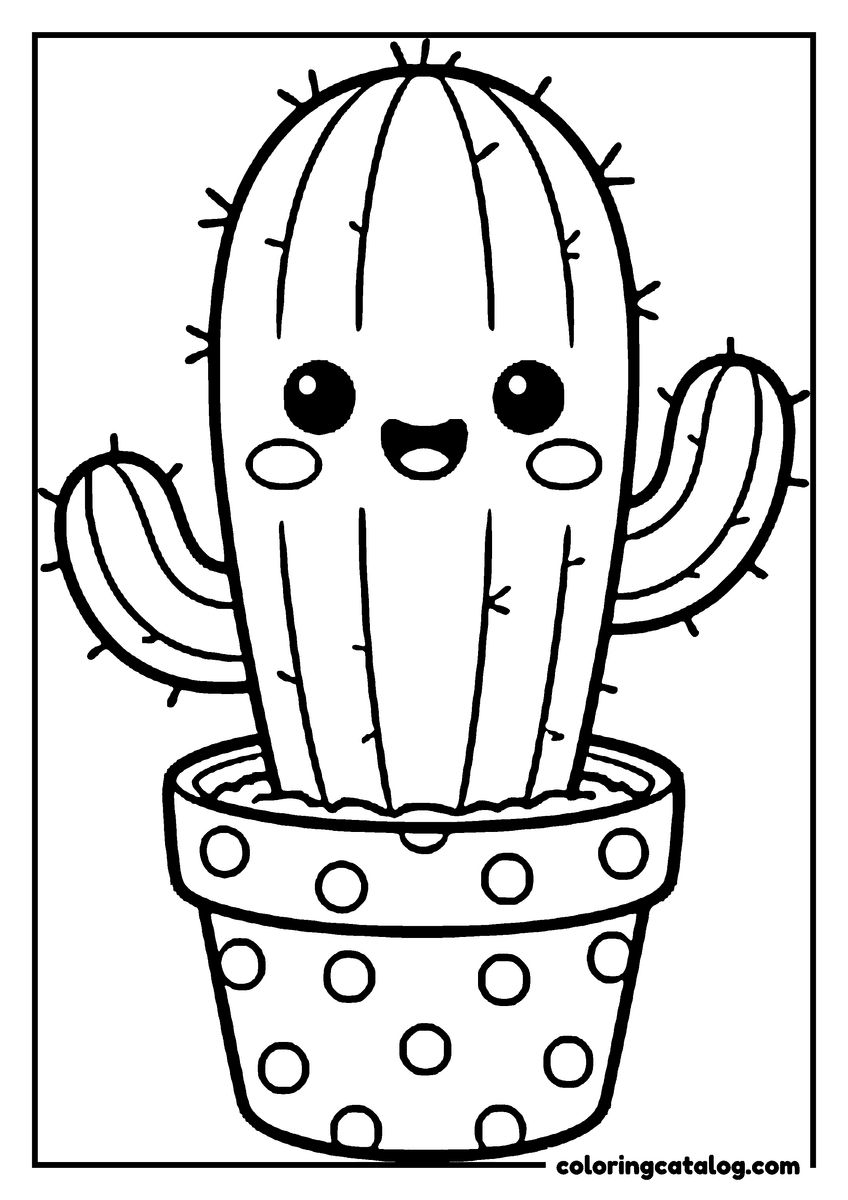
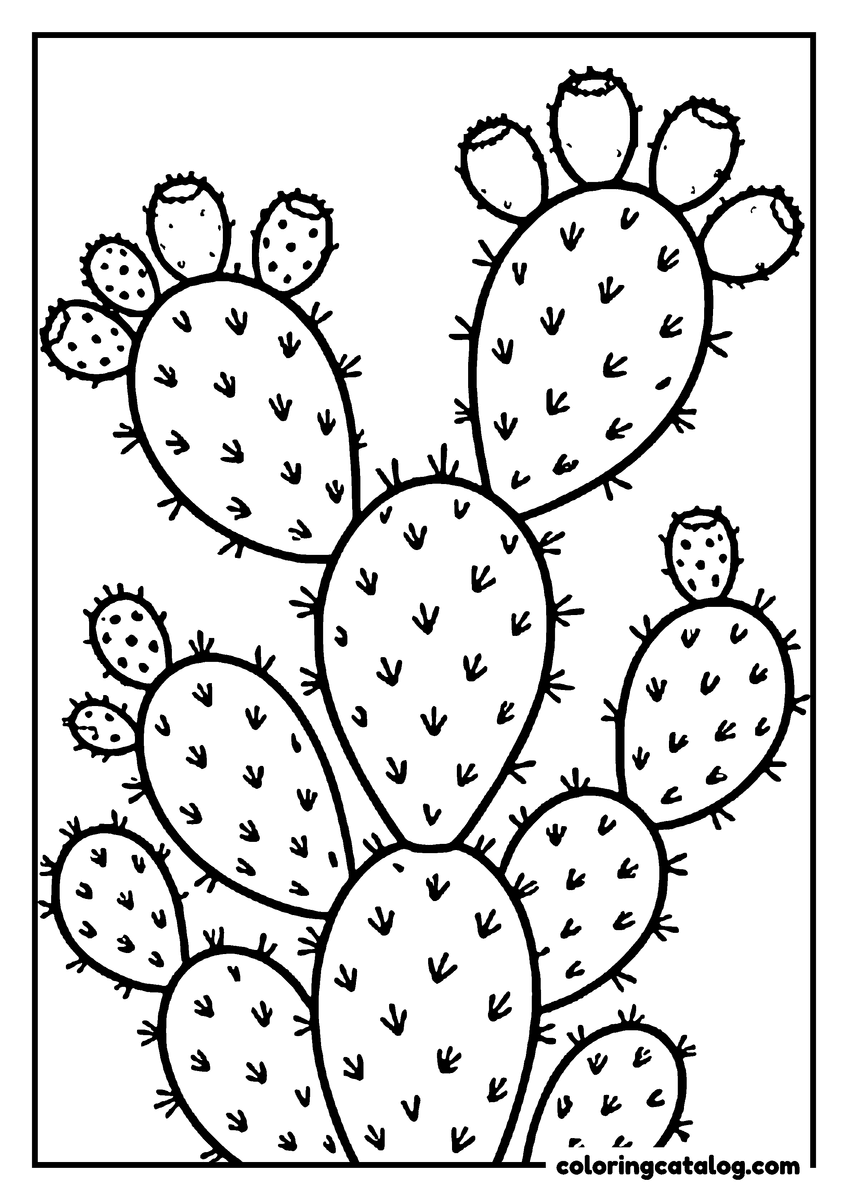
- Cacti: a cactus garden in a shallow dish, a prickly pear with fruit on its pads and a smiling chibi cactus.
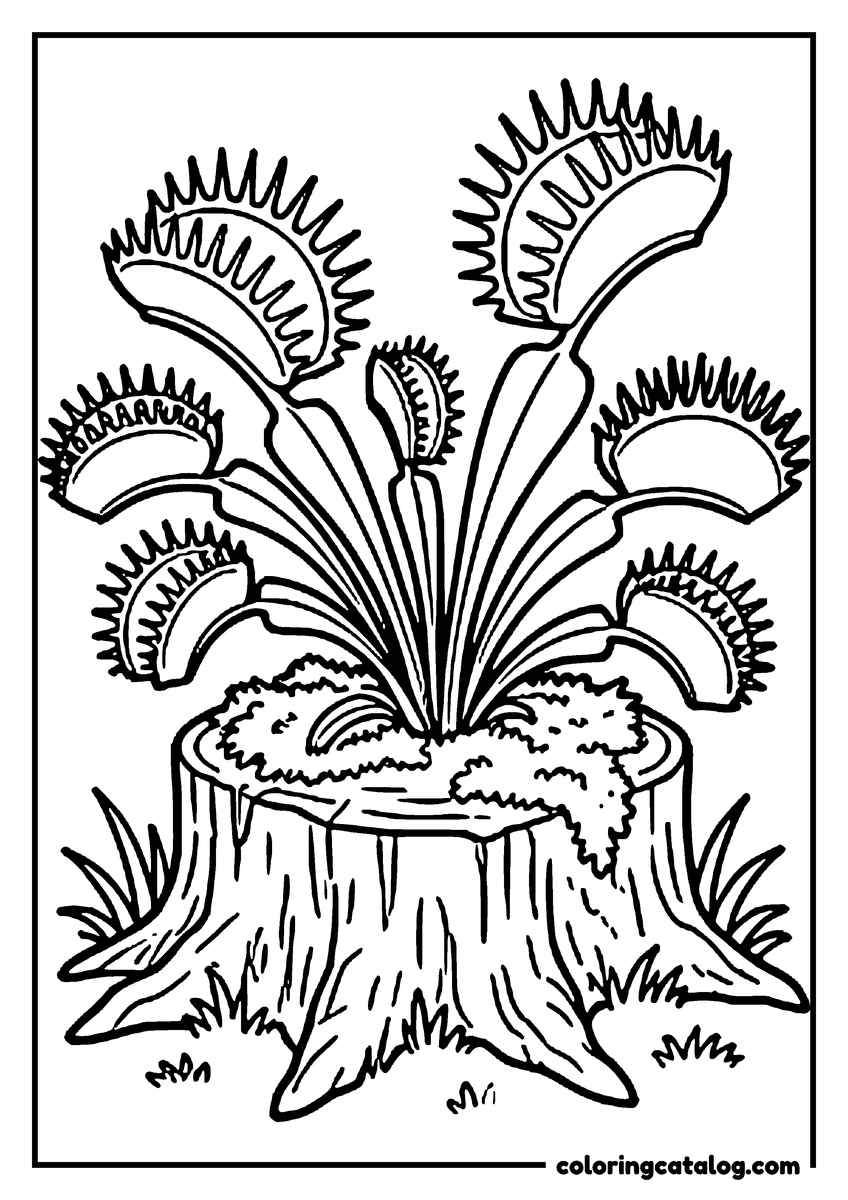
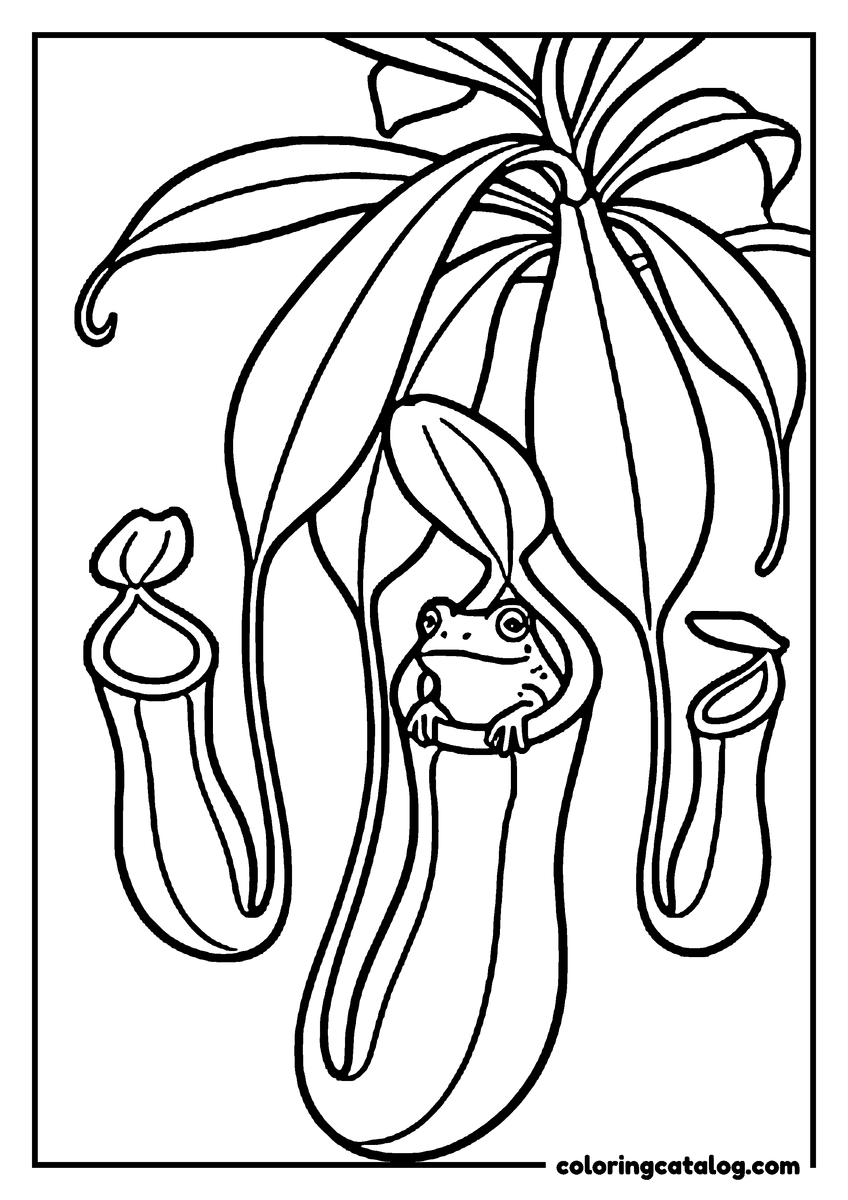
- Carnivorous plants: a Venus flytrap and a hanging pitcher plant with a frog inside.
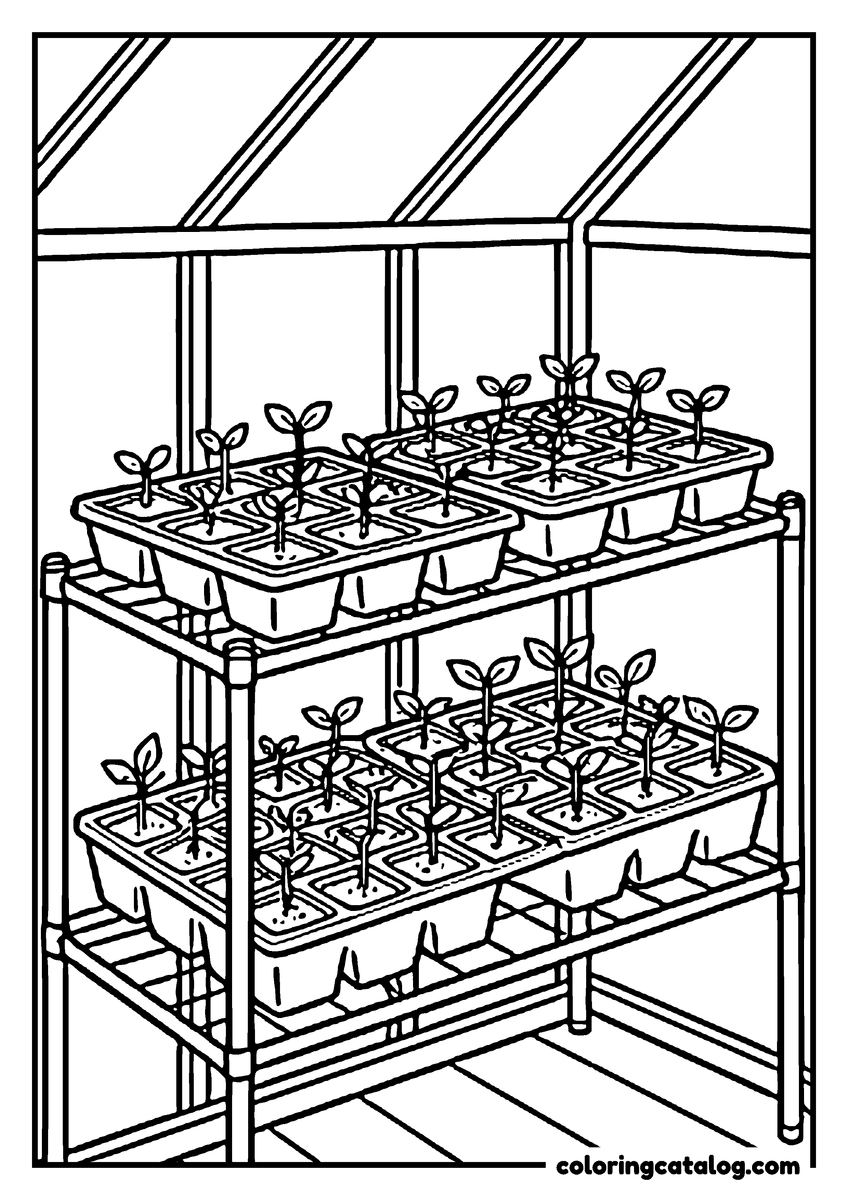
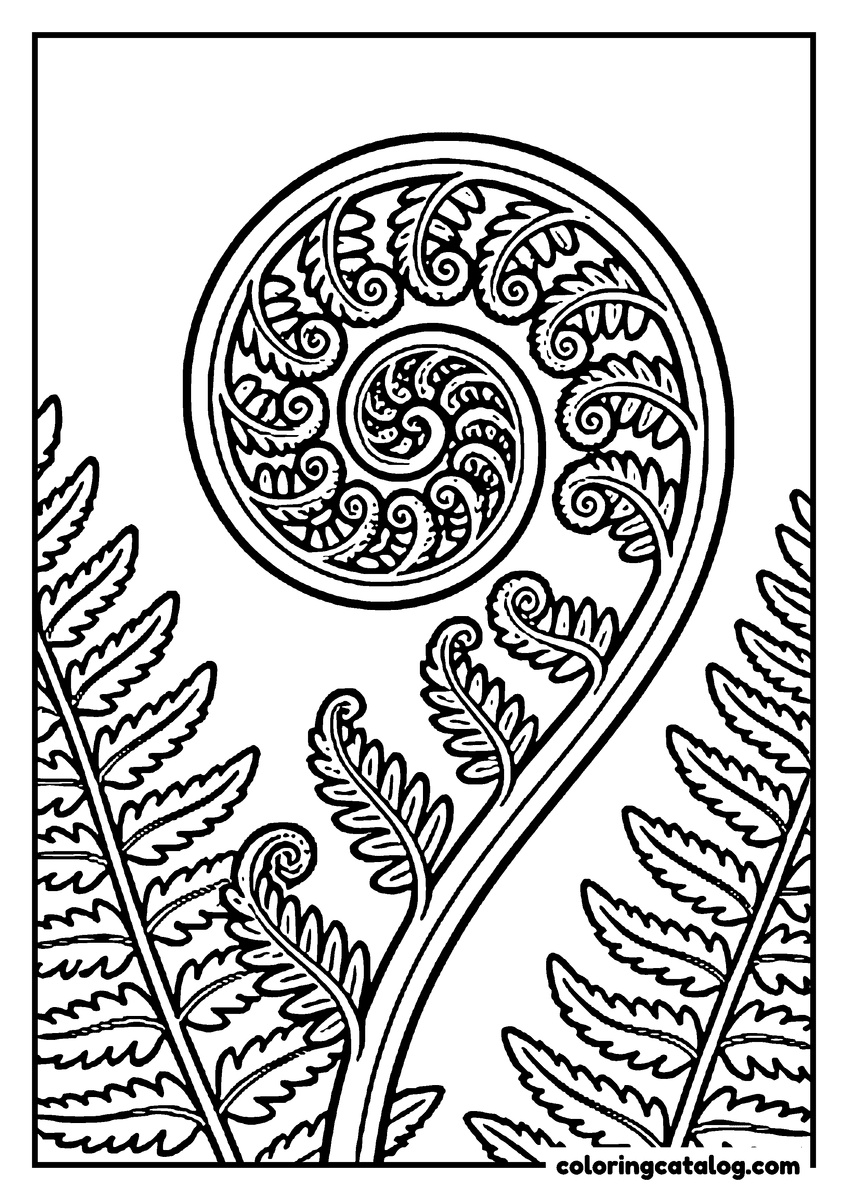
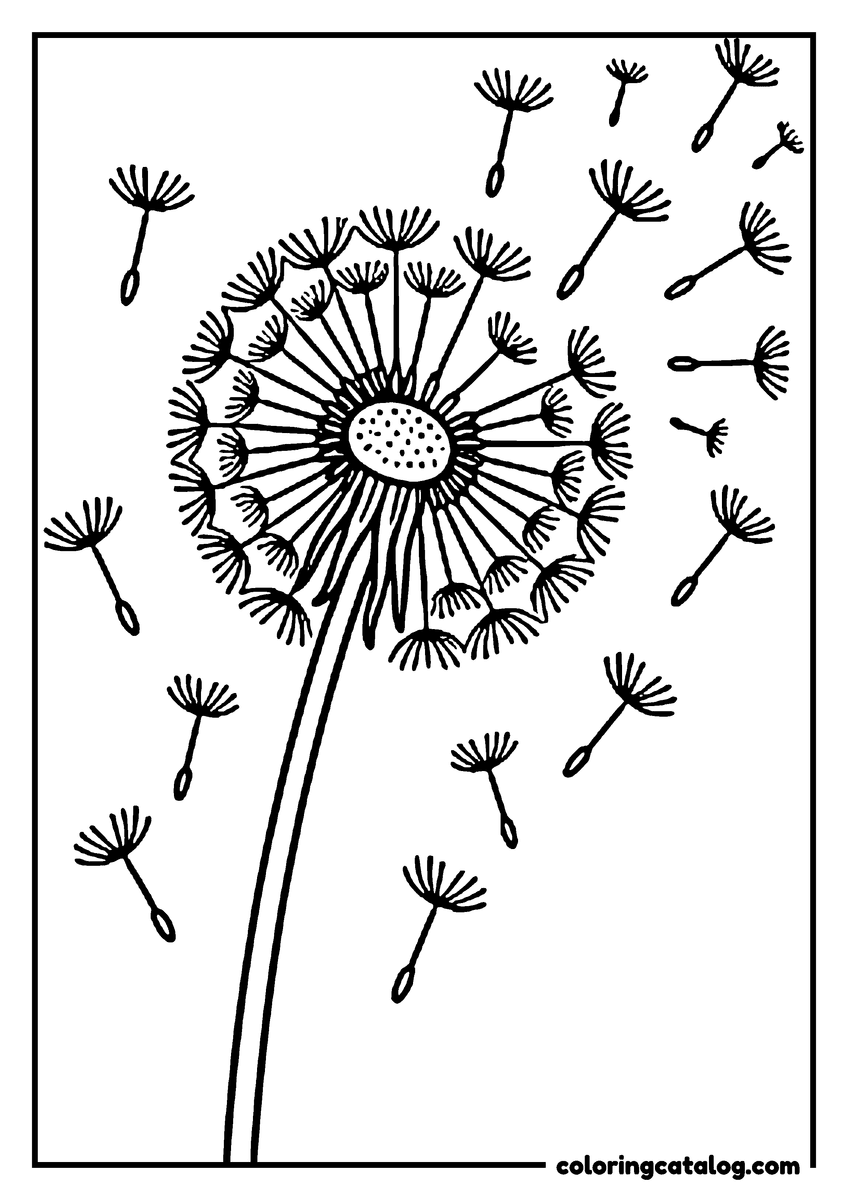
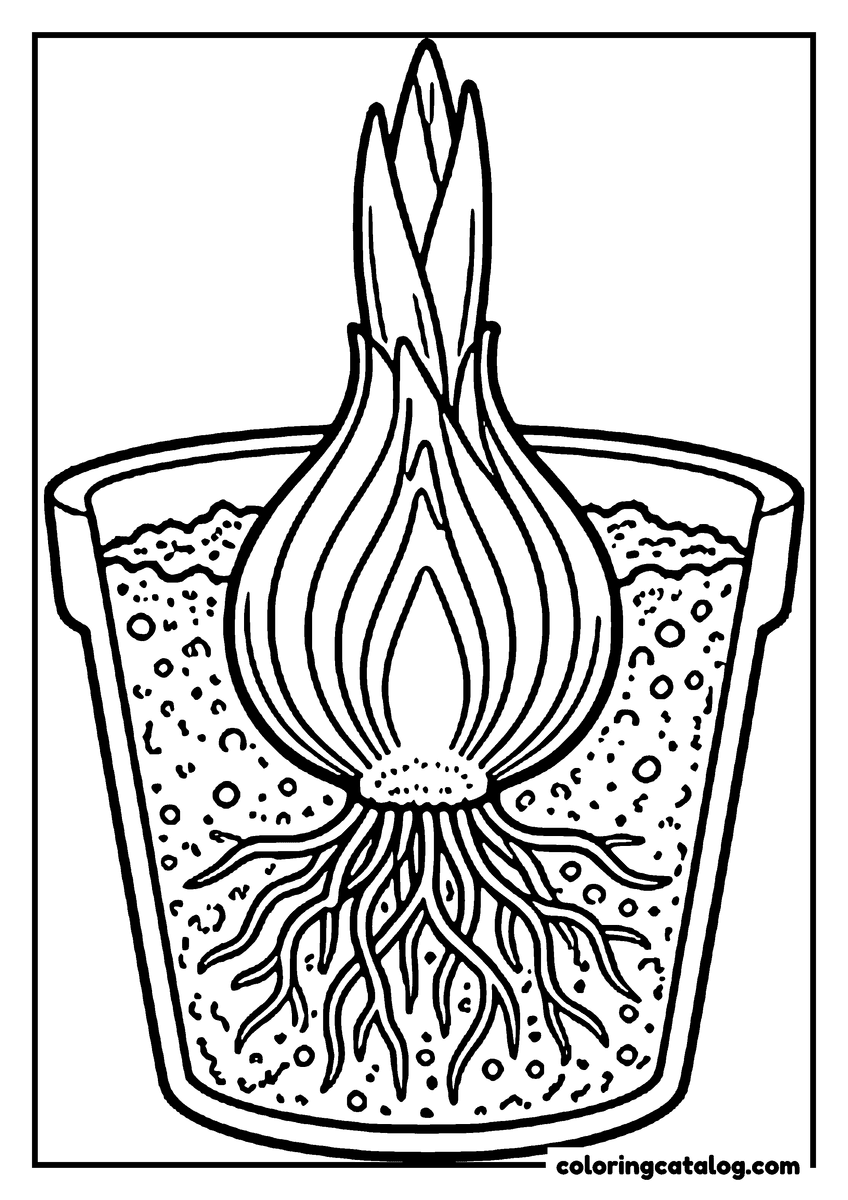
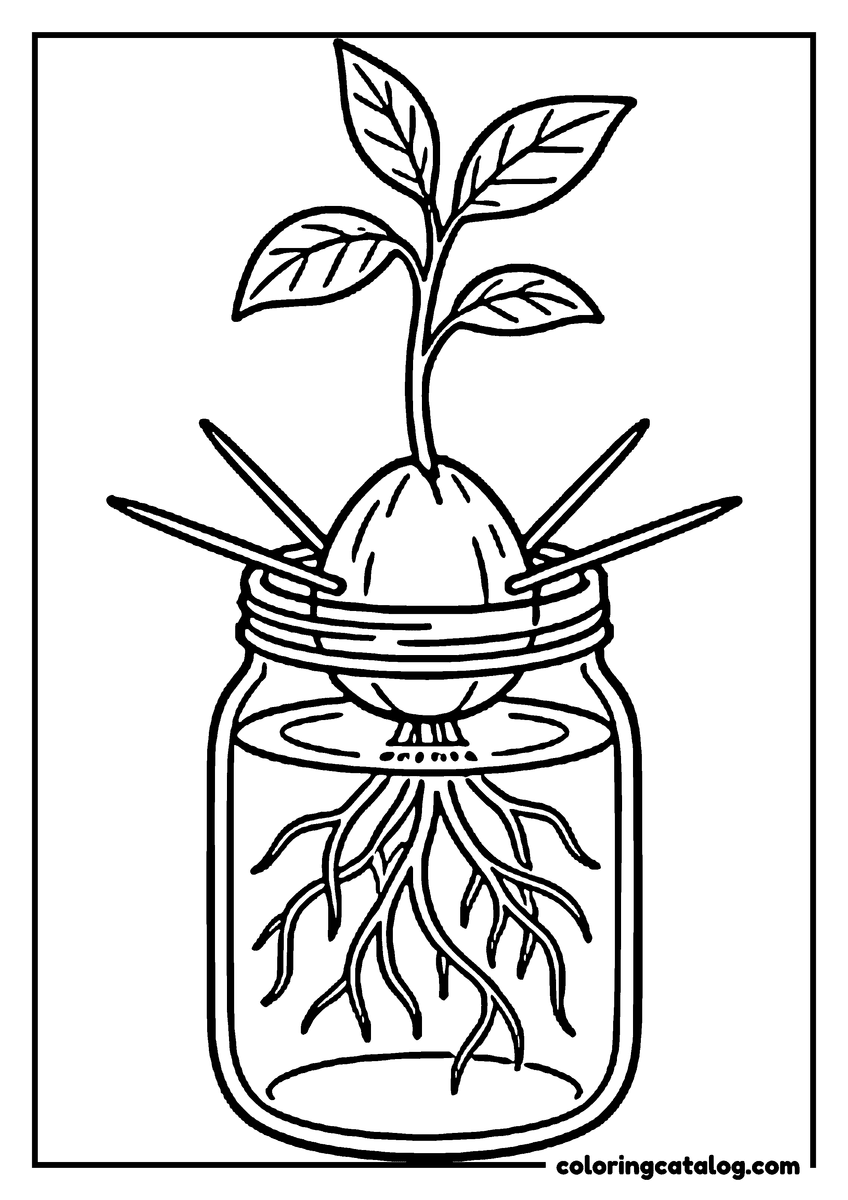
- Growing and sprouting: seed trays in a greenhouse, a fern unrolling, a bulb with its roots, an avocado pit on toothpicks and a dandelion gone to seed.
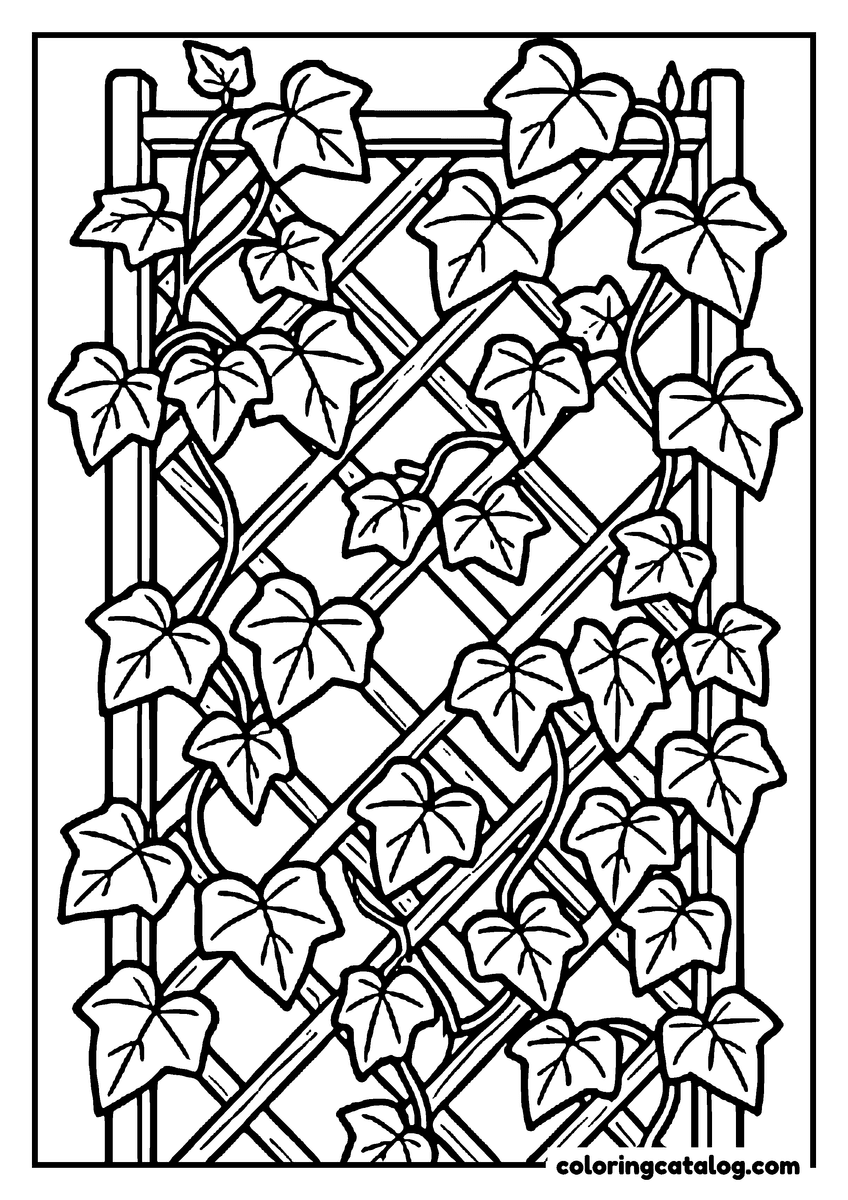
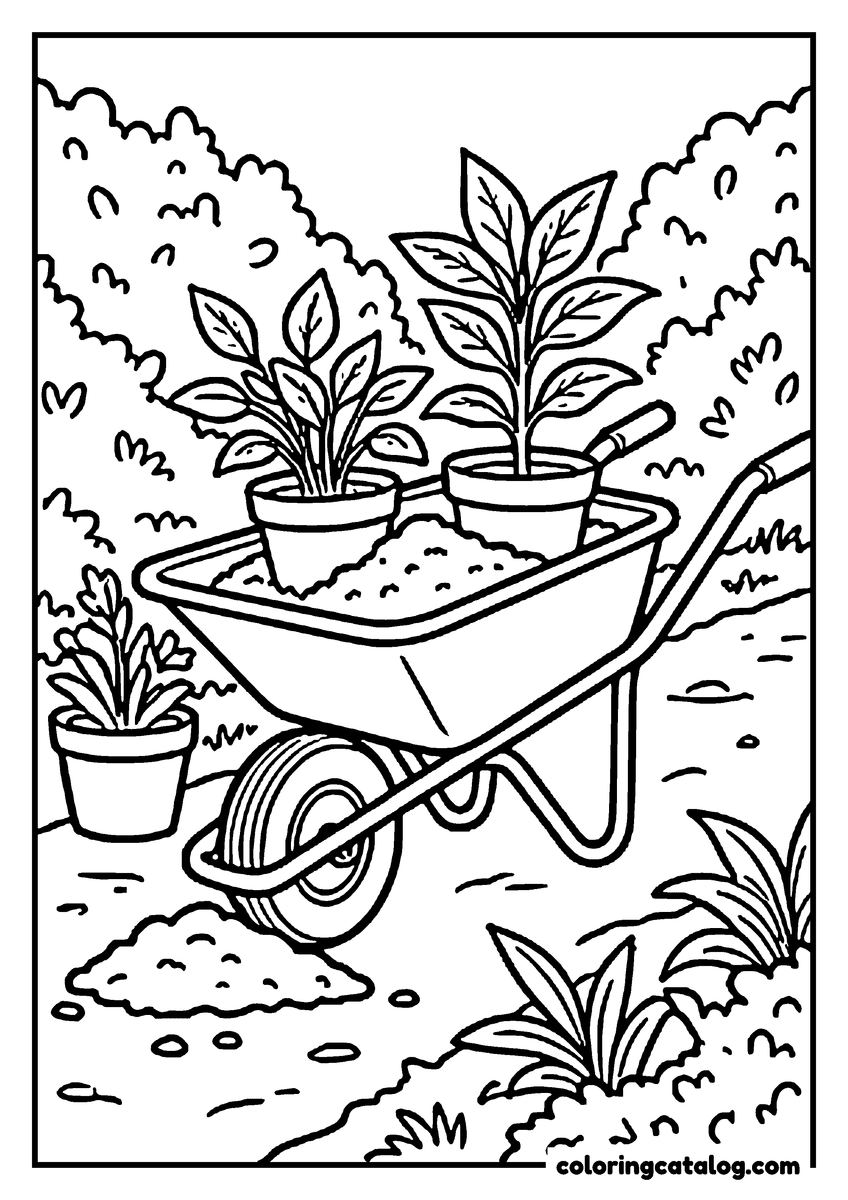
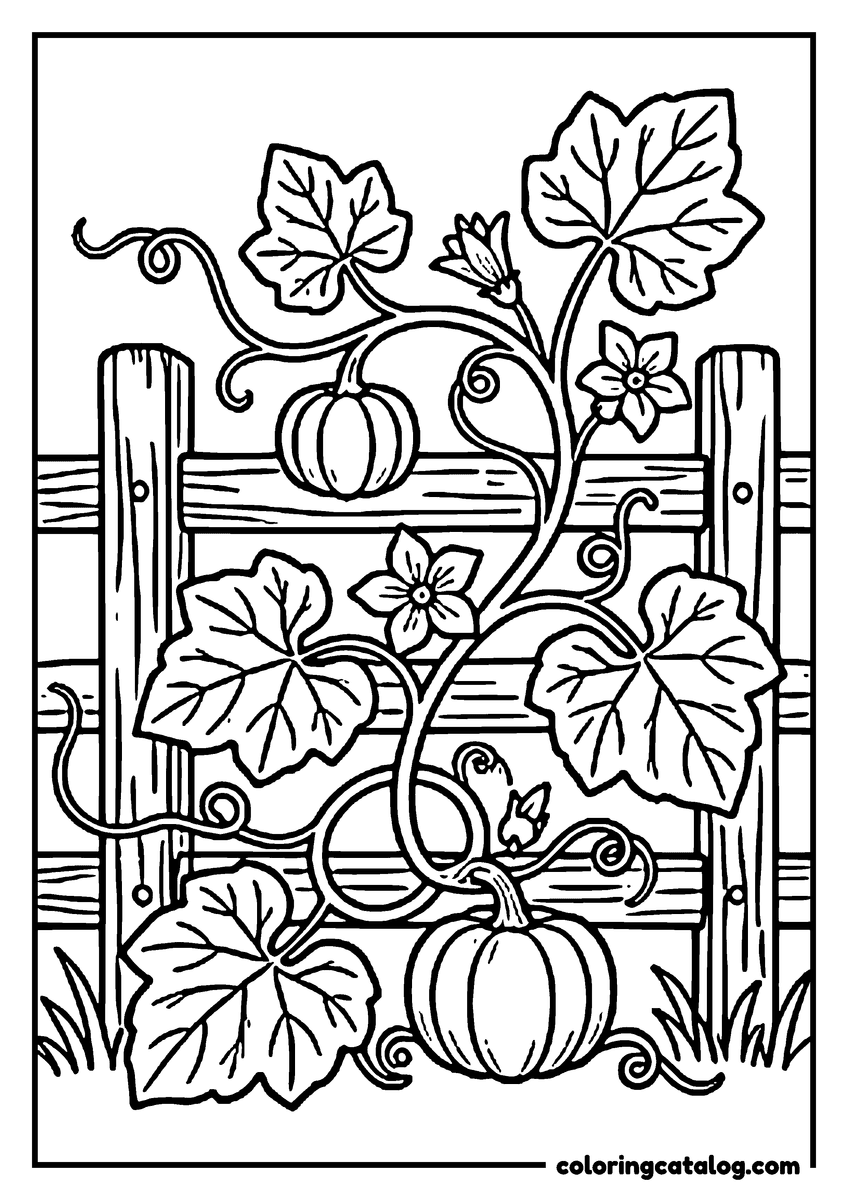
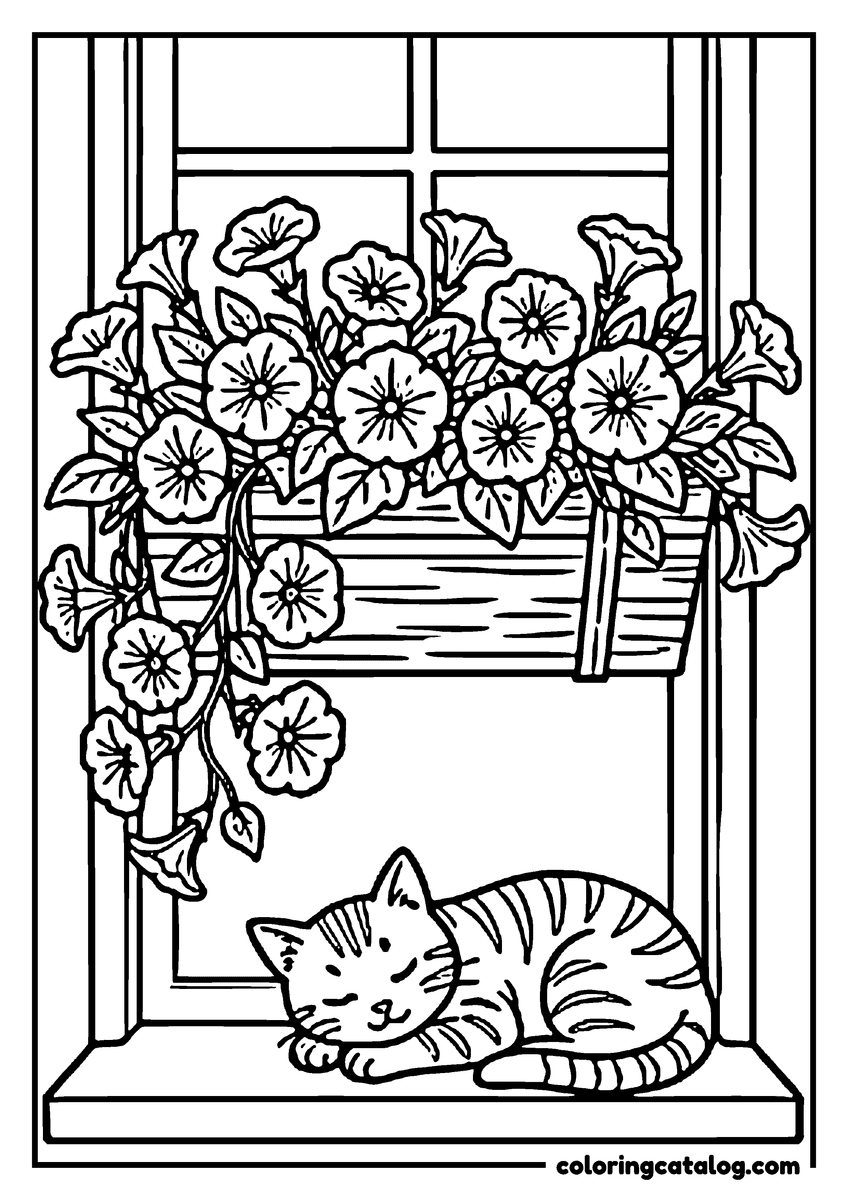
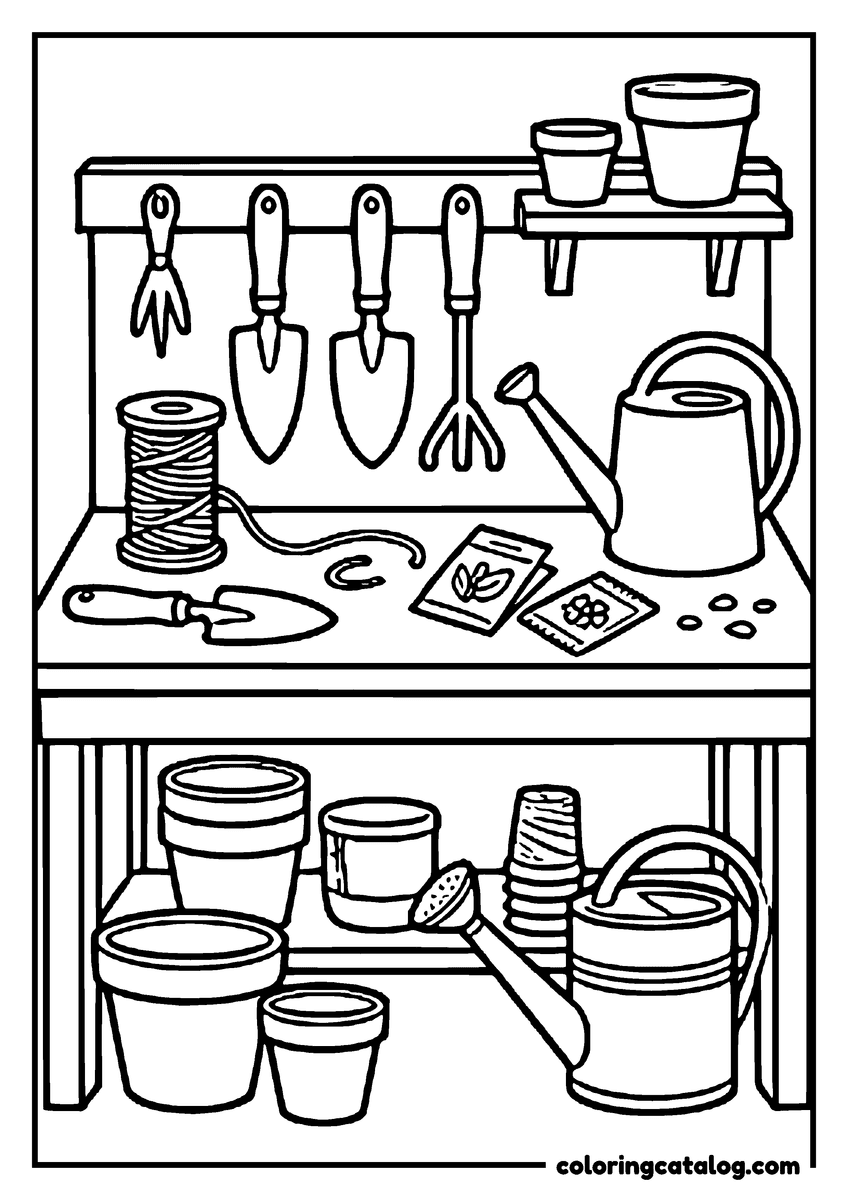
- In the garden: a tomato plant, ivy on a trellis, a pumpkin vine, a potting bench, a window box with a sleeping cat and a tulip field.
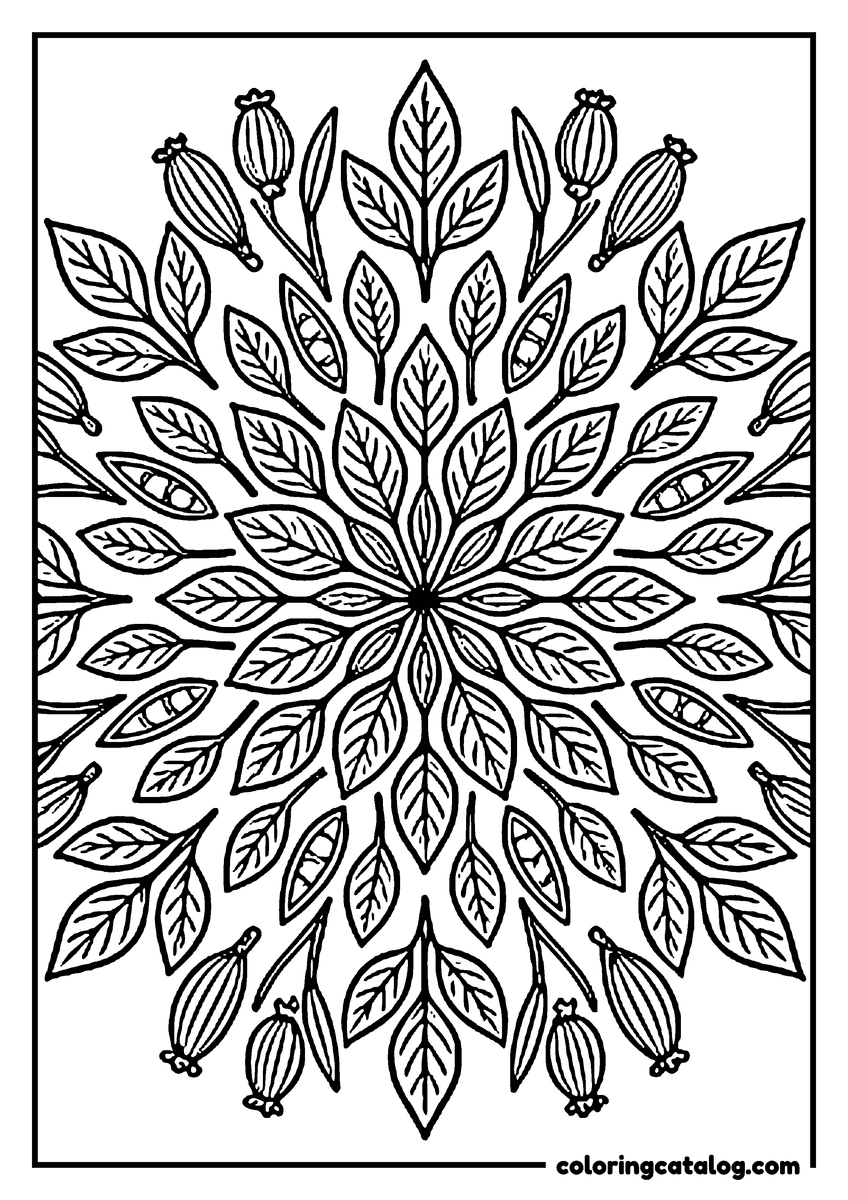
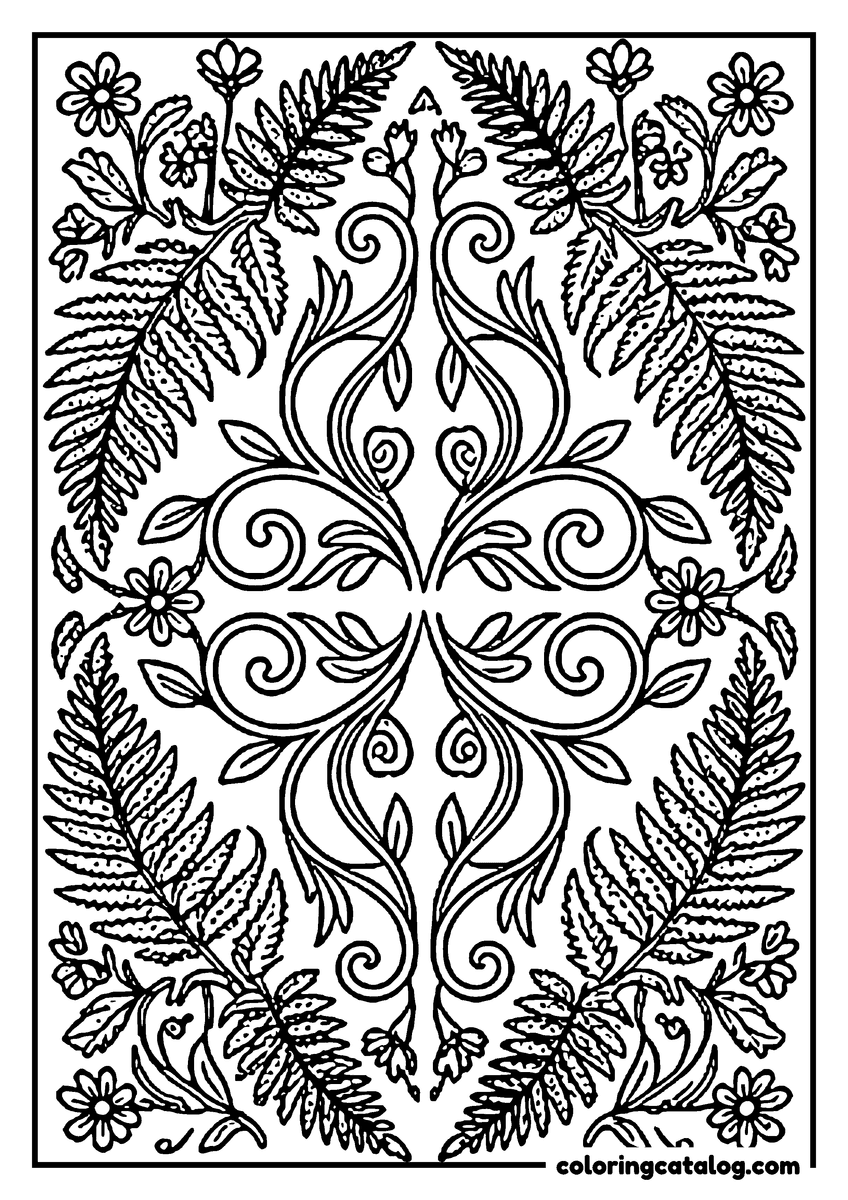
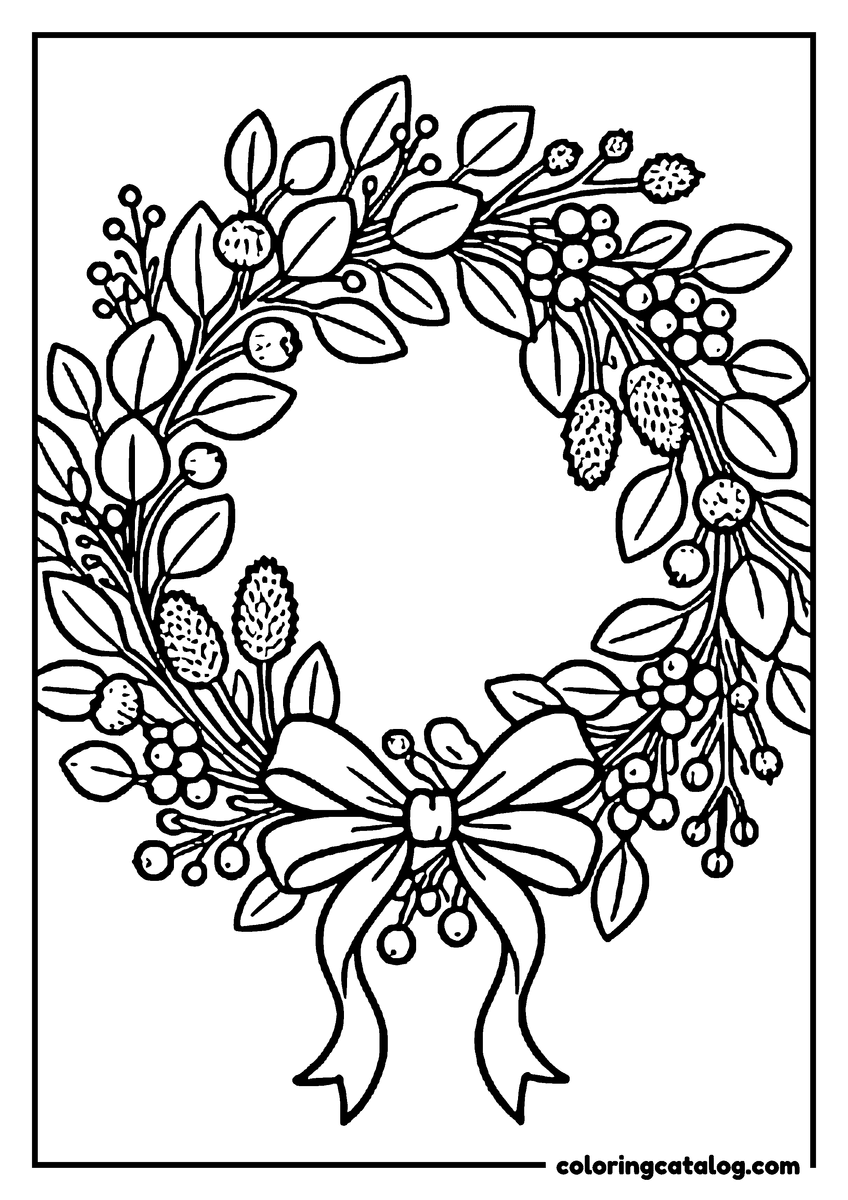
- Patterns: a leaf mandala, a fern and wildflower border and a eucalyptus wreath.
Houseplant coloring pages for plant lovers
The houseplant sheets look like a real living room shelf, and each plant has a story worth telling while coloring.
- Monstera: the big leaves split and fill with holes as the plant matures. Botanists still debate why, and one idea is that the holes let light and rain through to the leaves below.
- Spider plant: it sends out long runners with baby plants at the tips. Snip one off, set it in water, and it grows roots of its own.
- Snake plant: from West Africa, with stiff striped leaves that stand straight up. It survives a lot of forgetting.
- String of hearts: tiny heart-shaped leaves on threads that trail down from a shelf.
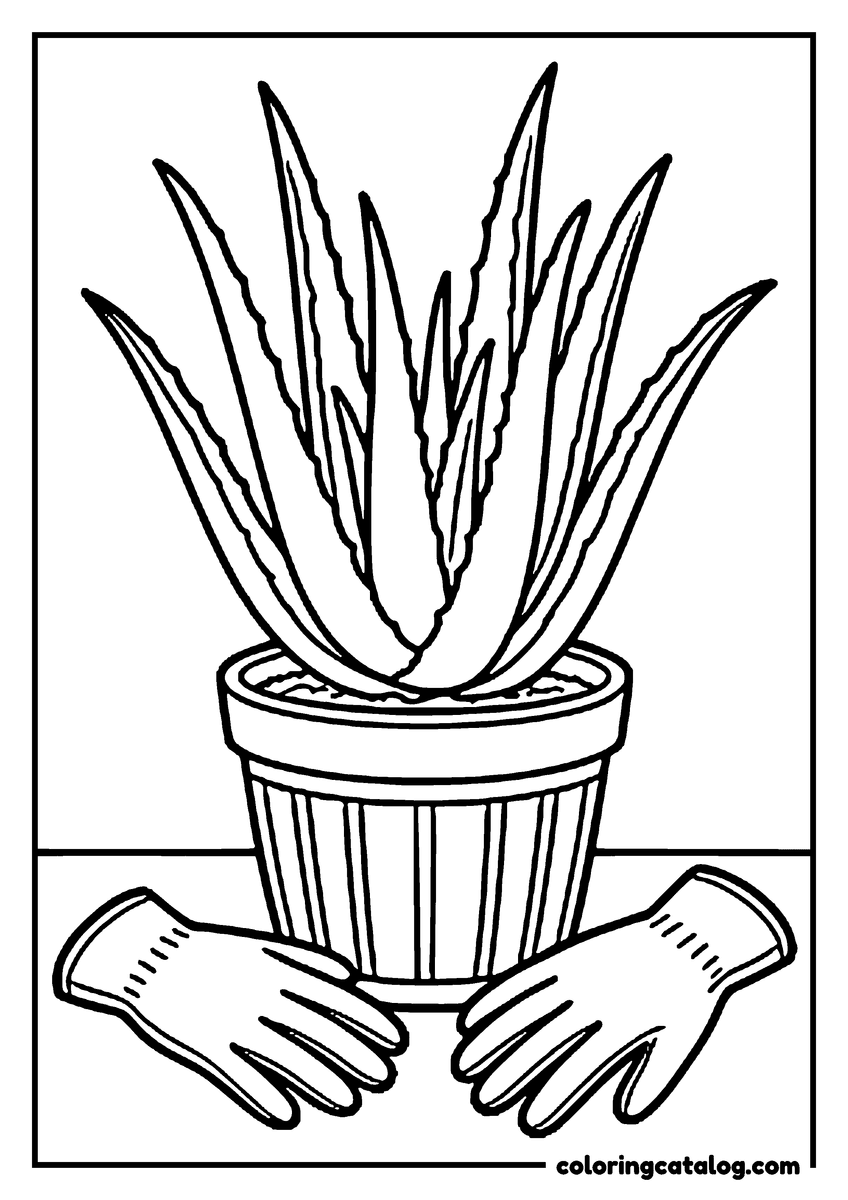
- Aloe: thick leaves full of a clear gel, the plant many families keep for a minor sunburn.
Succulents and cacti
Succulents store water in fat leaves or stems, which is why they need so little of it. A cactus is a succulent whose leaves have turned into spines, so the green stem does all the work. The prickly pear is a favorite in Mexico, where both the flat pads, called nopales, and the fruit are eaten. The chibi cactus in its polka dot pot is a gentle start for a small child.
For a whole room of pots, the glass conservatory in the house coloring pages is packed with shelves of flowering plants.
Venus flytrap and pitcher plant coloring pages
Kids are fascinated by plants that eat insects, and these two are easy to explain.
The Venus flytrap grows wild only in a small area of boggy land in North and South Carolina. Its leaves end in hinged traps lined with tiny trigger hairs. When an insect touches the hairs twice in quick succession, the trap snaps shut, and the plant slowly digests its catch.
The pitcher plant on the sheet hangs from a vine, like the tropical pitcher plants of Southeast Asia. Insects slip down its waxy rim into a pool of digestive liquid. In Borneo, one tiny frog even lays its eggs inside pitchers, which makes the frog on this page less silly than it looks. The frog coloring pages have more, and the insects that keep these plants fed are in the bug coloring pages.
Parts of a plant: a labeling activity
The parts of a plant come up early in science class, and several sheets show them clearly.
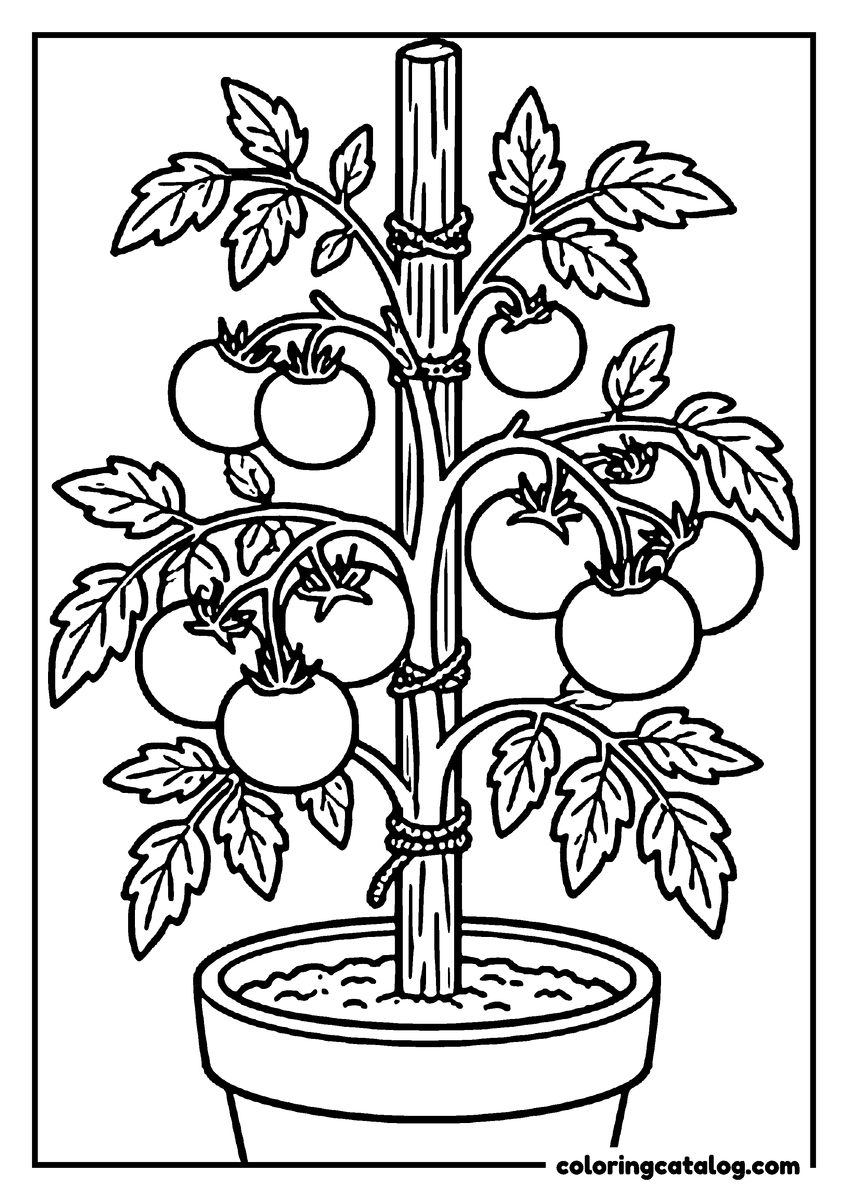
- Start with the tomato plant on a stake: color the stem, the leaves and the fruit in different colors, then draw the hidden roots inside the pot.
- Write each part's name beside it with an arrow.
- Add the bulb growing roots in its cutaway pot to show what happens under the soil.
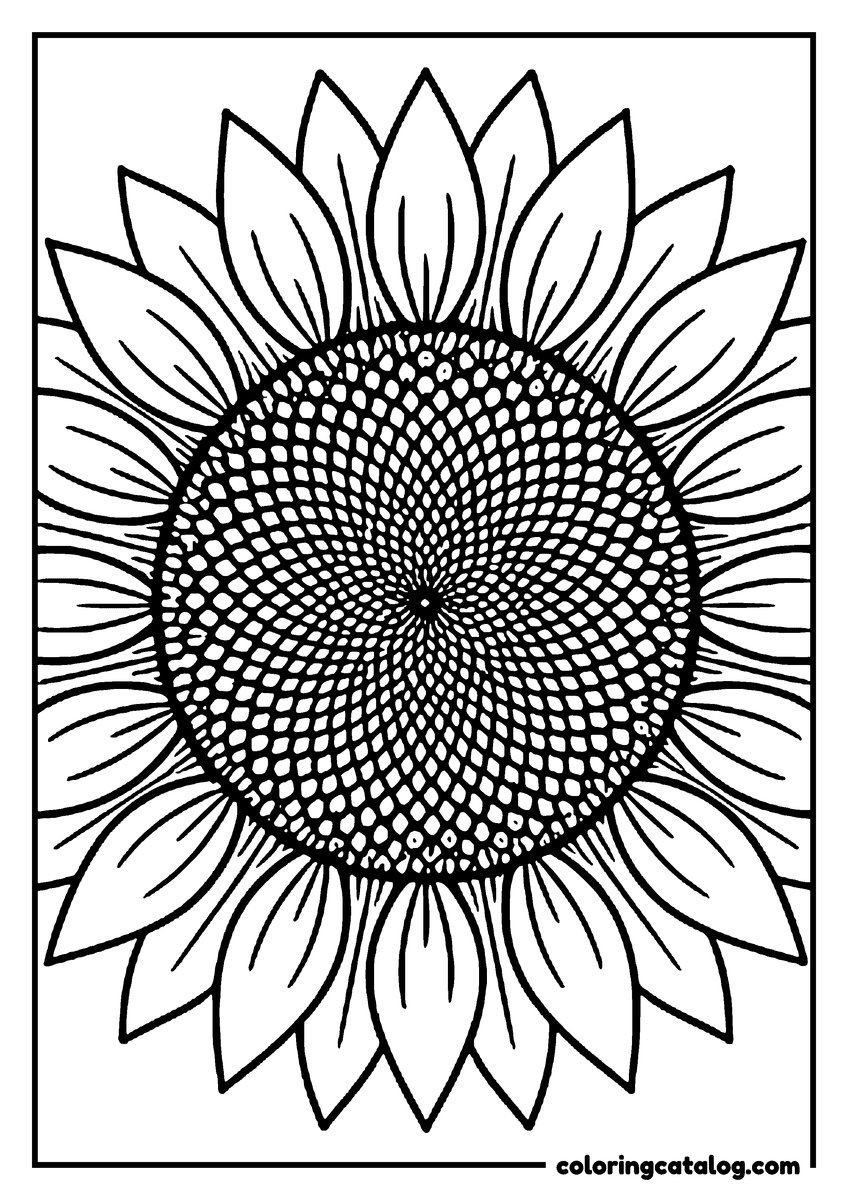
- Finish with the sunflower head, where the seeds are packed in spirals that run in both directions.
A real experiment goes with the avocado pit sheet. Push three toothpicks into a pit, rest it on a glass of water with the pointed end up, and wait a few weeks: a root comes out at the bottom and a shoot at the top, just as on the page.
How plants make food
Leaves are green because of chlorophyll, which catches sunlight. With that light, water from the roots and carbon dioxide from the air, the plant makes sugar for itself and releases oxygen. That process is photosynthesis, and it is why a houseplant on a dark shelf leans toward the window.
Garden plant coloring pages through the year
The outdoor sheets follow a garden through its seasons:
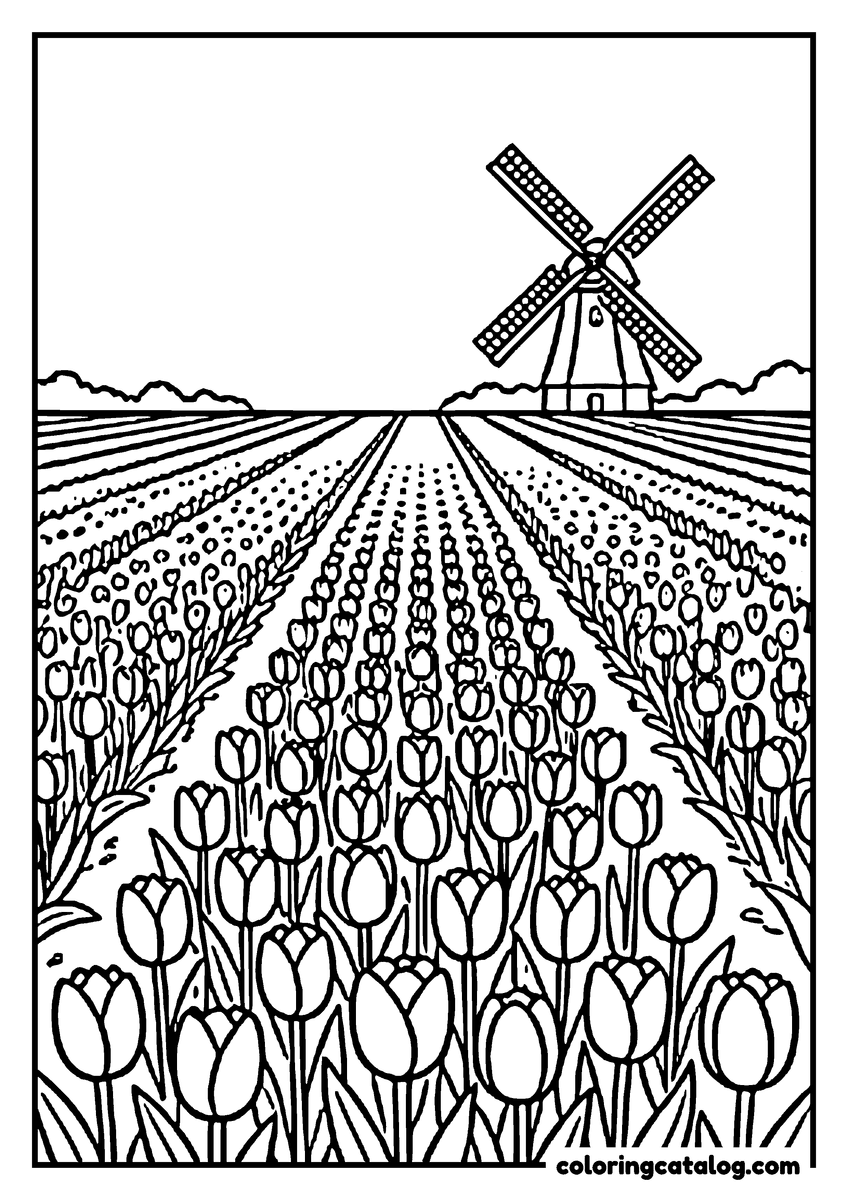
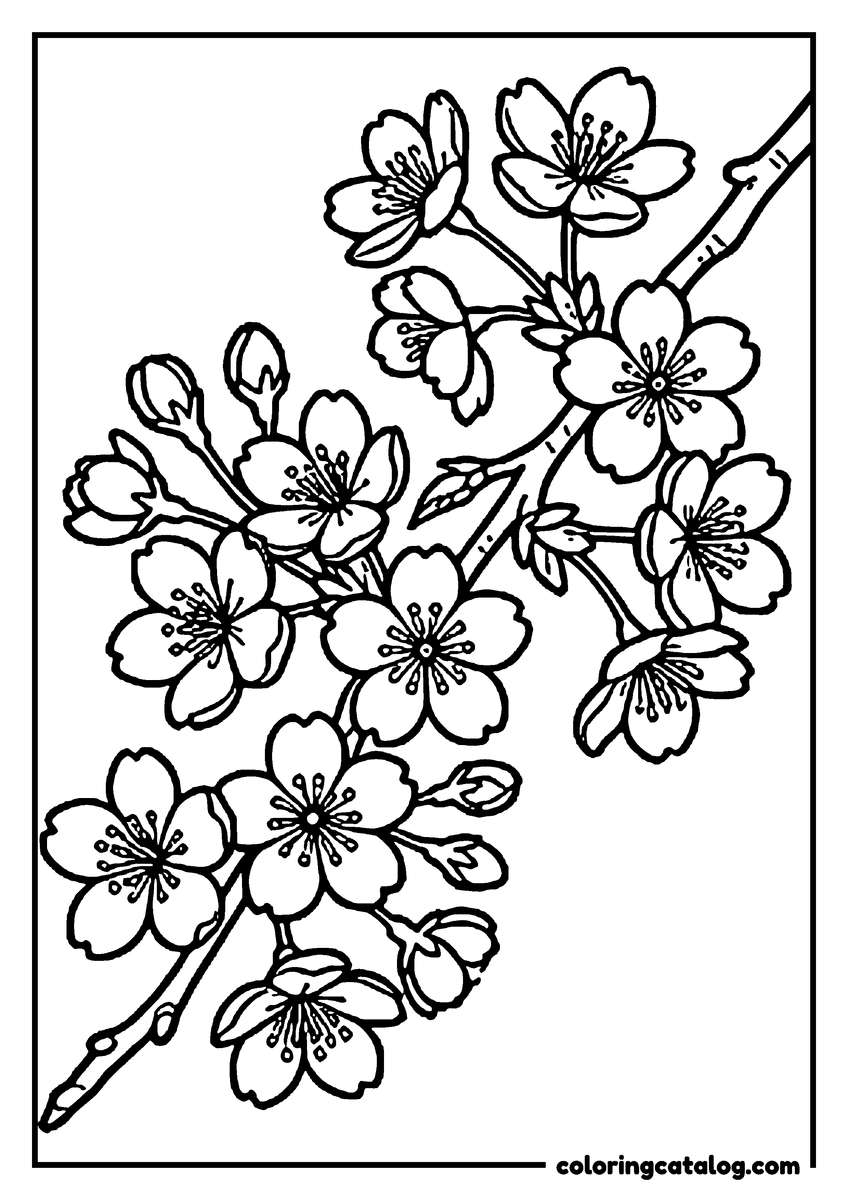
- Spring: seed trays sprouting in a greenhouse, a branch of cherry blossom and a field of tulips running to a windmill, the image people have of the Netherlands in April. The spring coloring pages carry on.
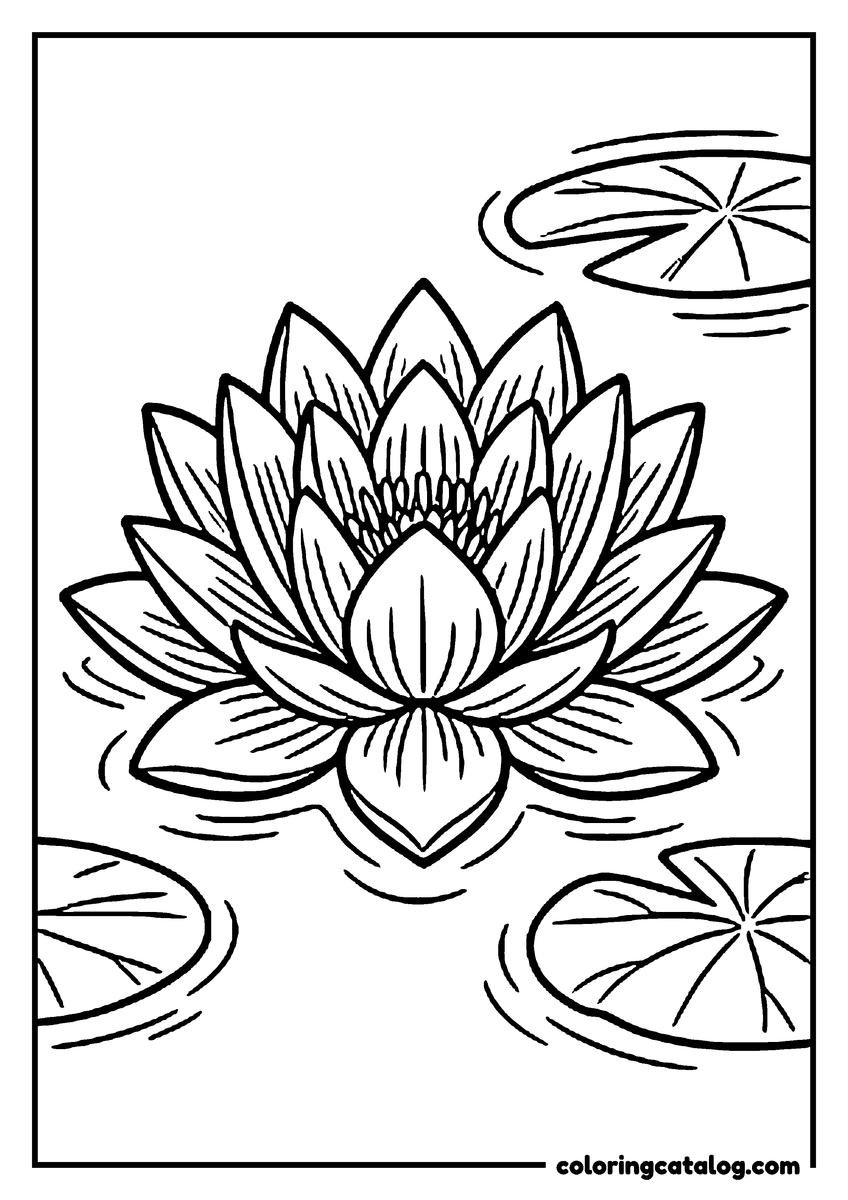
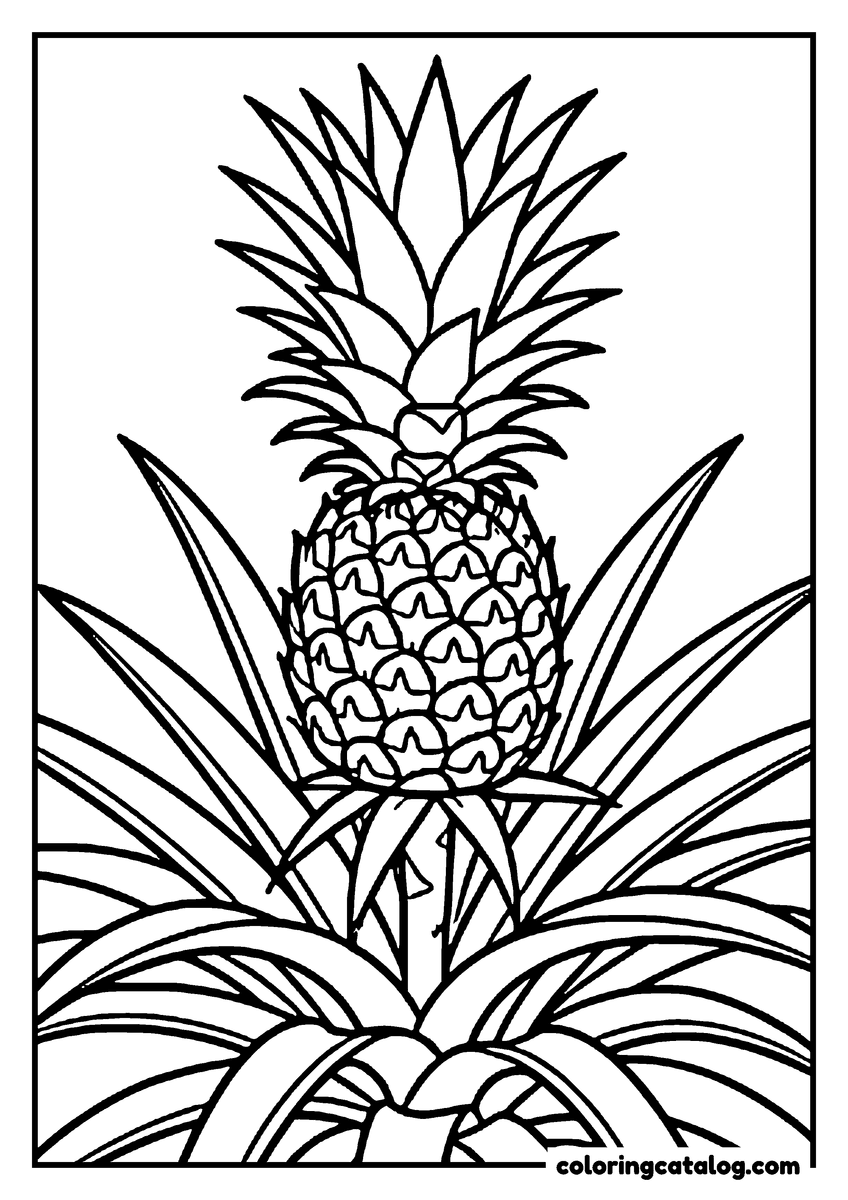
- Summer: the tomato plant, the window box of petunias above a sleeping cat, a lotus floating among lily pads and a pineapple rising from its rosette of spiky leaves. Each pineapple plant usually gives just one fruit per harvest, after well over a year.
- Fall: a pumpkin vine curling over a fence and a wreath of eucalyptus and dried seed heads. The pumpkin coloring pages take the vine all the way to Halloween.
For the strawberry plant, with its runners and white flowers, the strawberry coloring pages have a vine in bloom and a basket from the field. Ripe fruit of every other kind waits in the fruit coloring pages.
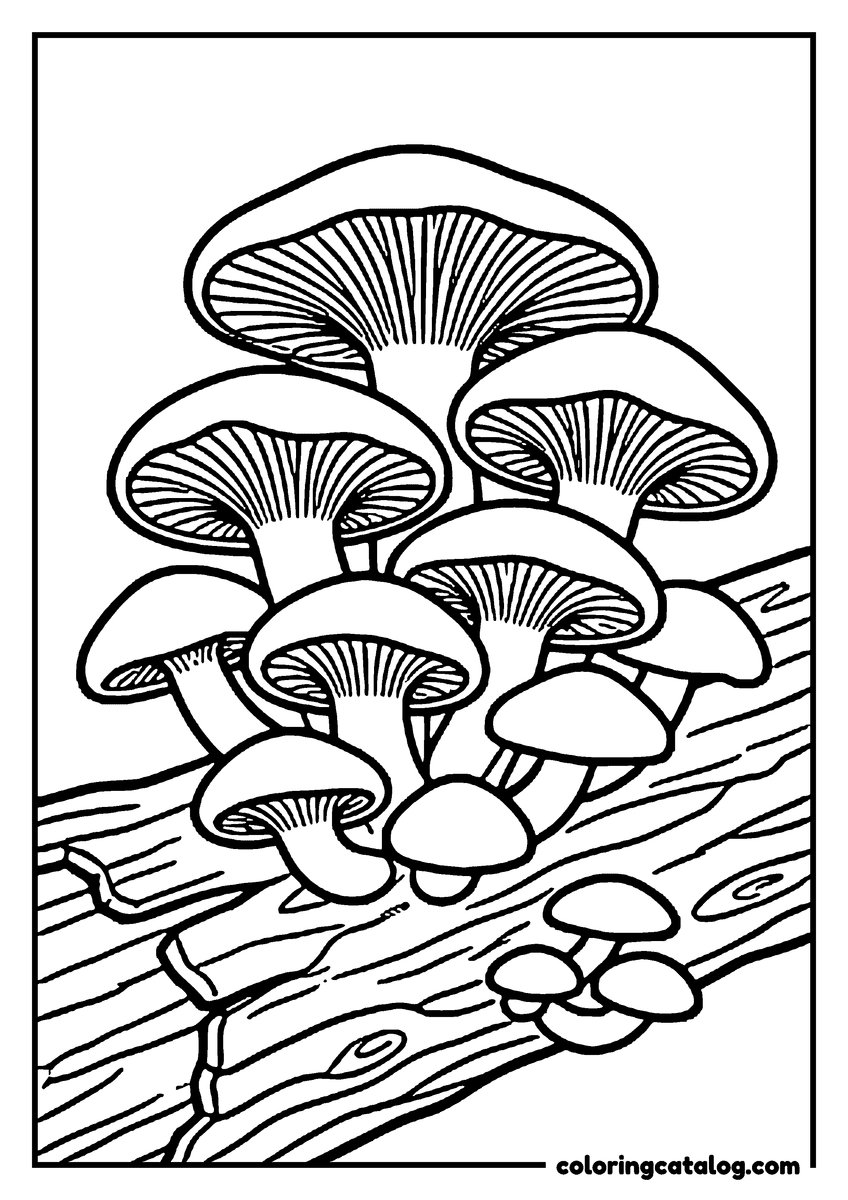
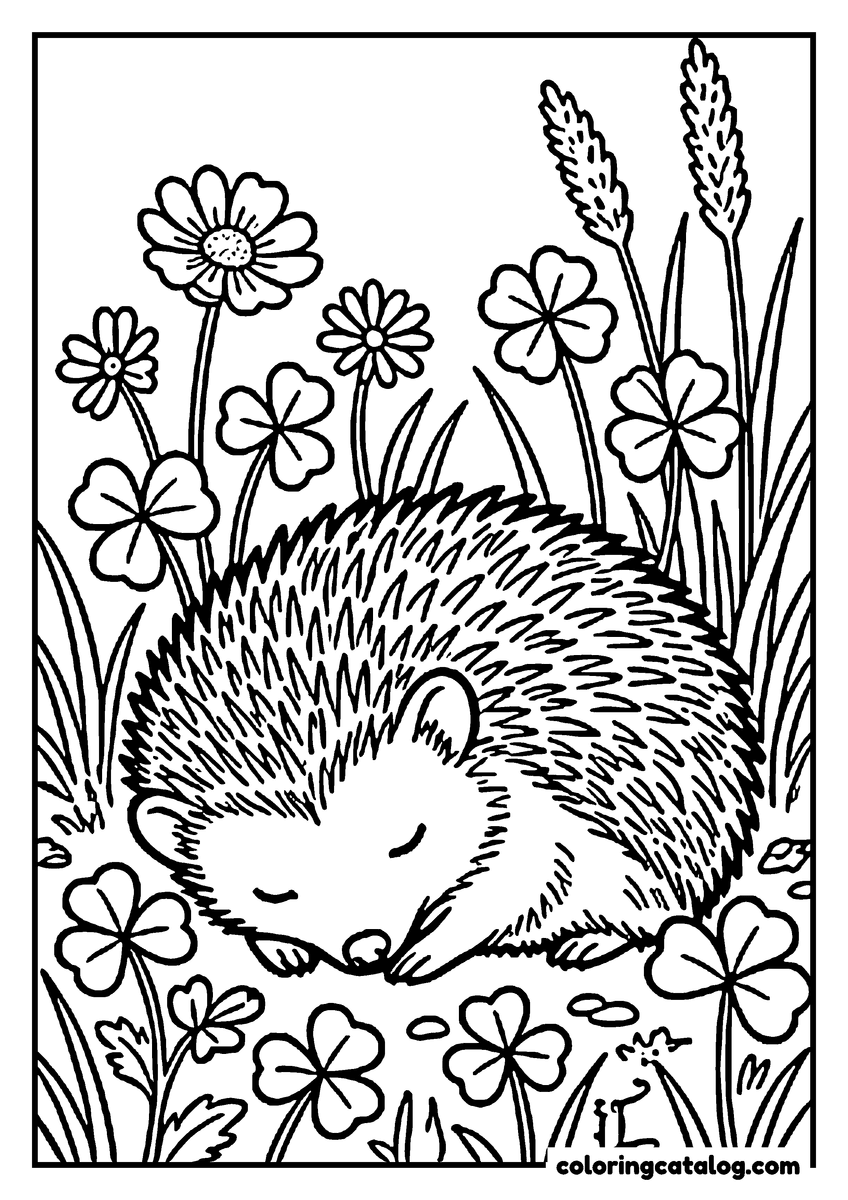
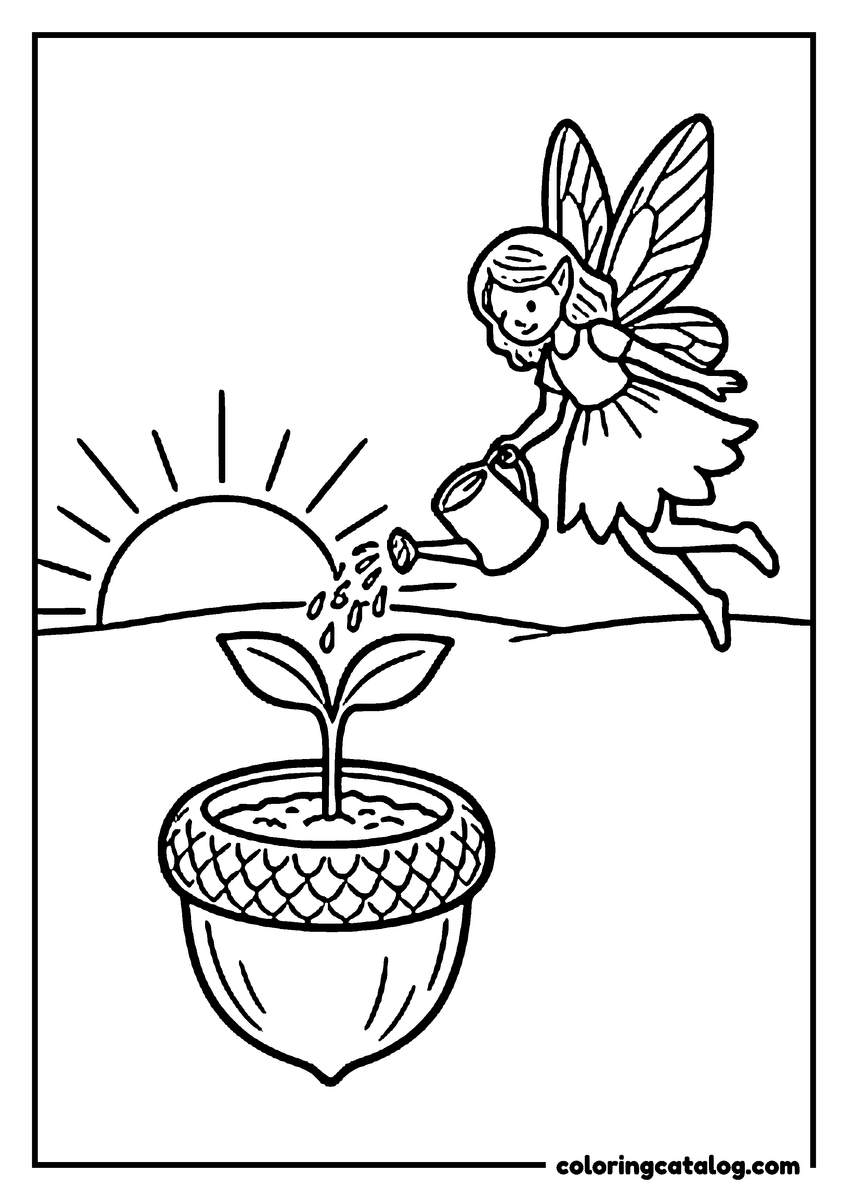
Some sheets bring in garden visitors: a hedgehog asleep in the clover, mushrooms on a fallen log and a fairy watering a seedling in an acorn cup. Mushrooms are fungi rather than plants, and they have their own set in the mushroom coloring pages. The fairy leads on to the fairy coloring pages.
Simple plant pages for small hands
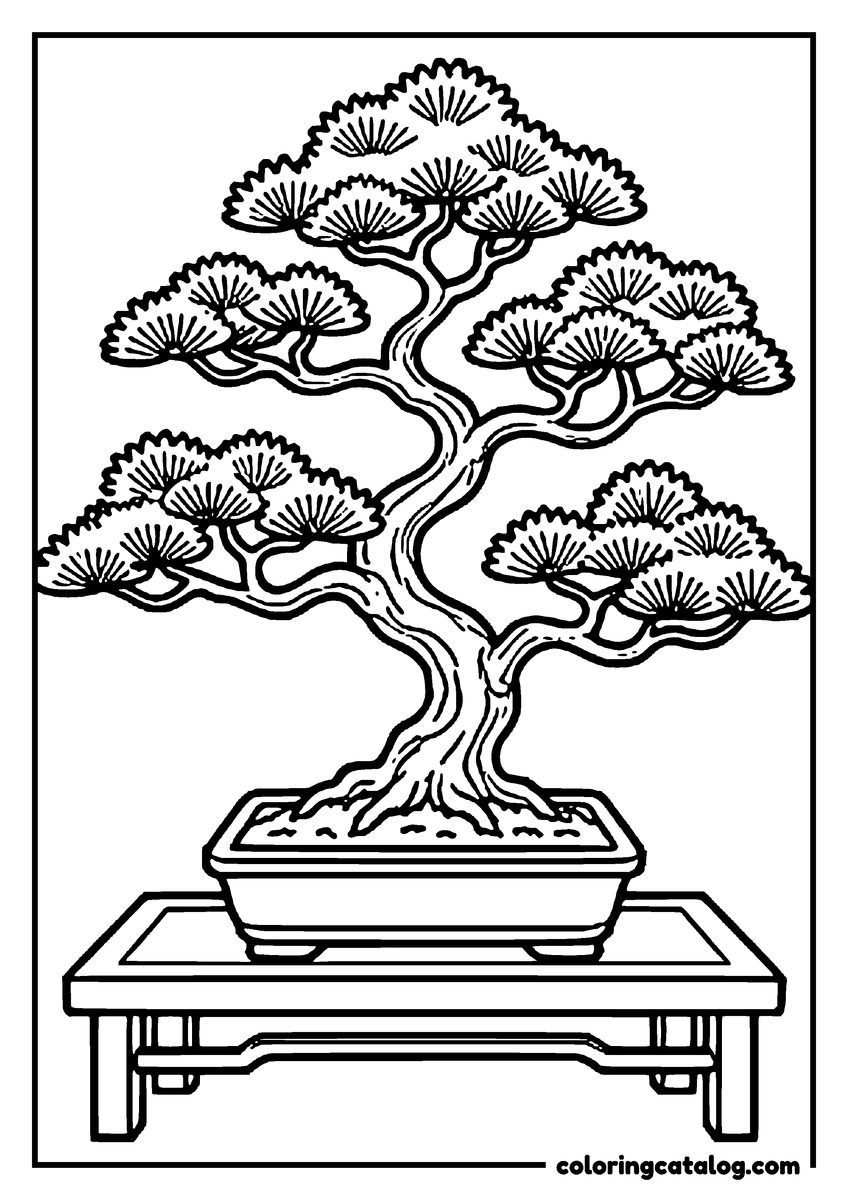
A single plant in a single pot makes a calm, simple page: the Venus flytrap, the bonsai pine, the aloe beside its gloves, the lotus. Those are the plants that come up when you press Quick to color:
- Prickly pear cactus
- Sprouting an avocado pit
- Lotus on a pond
A young child can color the pot in one bright color and the leaves in one green, and still have a finished picture.
Detailed leaves, vines and mandalas for adults
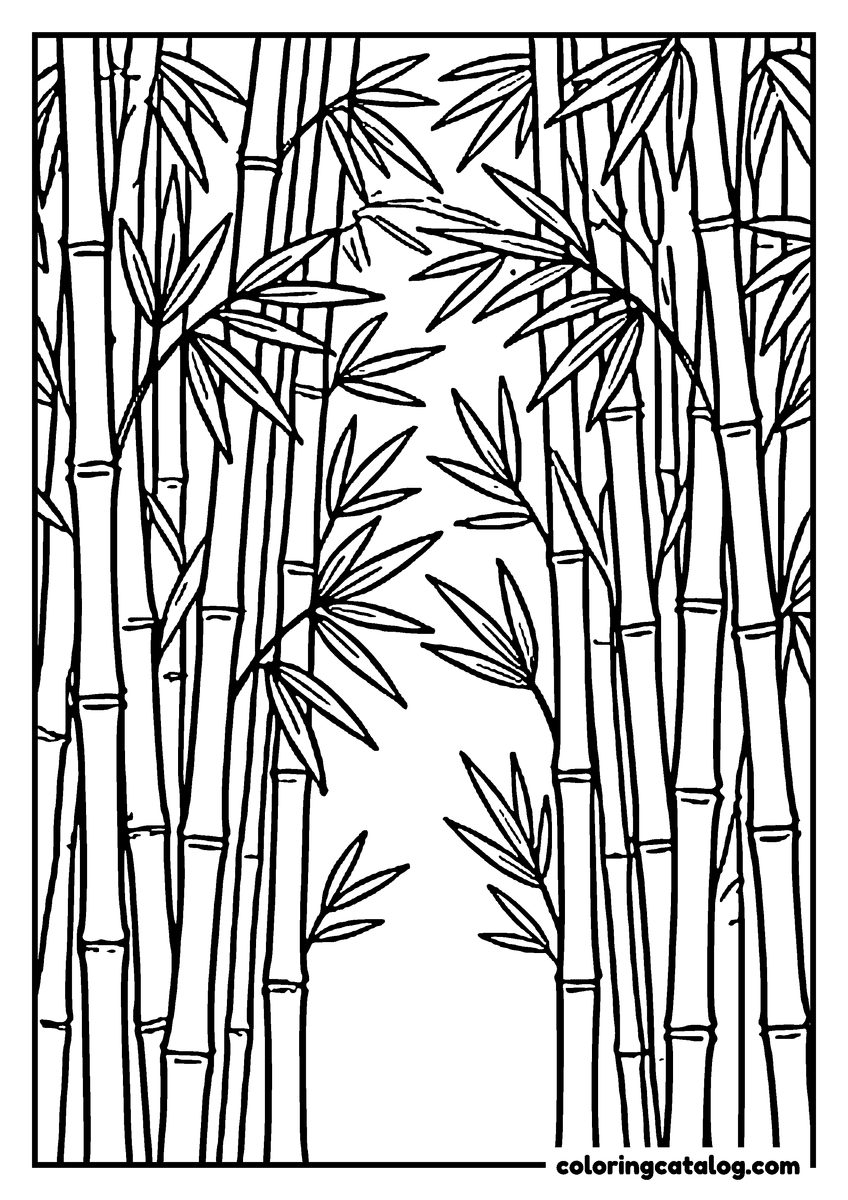
Ivy on a trellis with every leaf outlined, a grove of tall bamboo, a spider plant's tangle of runners: these are slow pages for teens and adults who like to shade. Press Lots of detail for the leafiest sheets:
- Tulip field and a windmill
- Tall bamboo grove
- Leaf and seed pod mandala
Bamboo is a giant grass, and some kinds can grow close to three feet in a day. The leaf mandala and the fern border are pure pattern, close to the circles of the mandala coloring pages.
Many greens, not one
Real leaves are never one green. Use a yellow-green for new growth and leaf edges in the sun, a blue-green for older leaves in shade, and a little brown where a leaf meets its stem. The monstera and the snake plant look far more alive with three greens than with one.
Printing plant pages for a science unit
Root pages run deep, close to the bottom margin. Every plant downloads free as an A4 file at 300 dpi; A4 paper takes it as it is, while US Letter needs fit to page so the base of the pot and the root tips survive. For a parts of a plant lesson, put the tomato plant, the bulb and the sunflower in one file using Add to pack, then hand a set to each child.
The printing guide explains the settings. For blooms, see the flower coloring pages, and for the tallest plants of all, the tree coloring pages.
Plant Coloring Pages: questions and answers
Where does the Venus flytrap grow in the wild?
Only in boggy pine savannas of North and South Carolina, within a small area around Wilmington. The soil there is poor, so the plant gets extra nutrients from the insects it traps.
Can I use these pages to teach the parts of a plant?
Yes. The tomato plant shows the stem, leaves and fruit, the bulb in its cutaway pot shows the roots underground, and the sunflower shows how seeds pack into the flower head.
Why do monstera leaves have holes?
Nobody knows for sure. Young monstera leaves are whole, and the splits and holes appear as the plant climbs toward the light. One idea is that they let sunlight and rain reach the leaves below.
Is a cactus a succulent?
Yes. All cacti are succulents, plants that store water in thick stems or leaves. In a cactus, the leaves have become spines, and the green stem does the work of making food.
How do I grow an avocado pit like the one on the page?
Push three toothpicks into a clean pit, rest it on a glass of water with the pointed end up, and keep the bottom wet. After a few weeks a root grows down and a shoot grows up.
Same drawer
More nature coloring pages
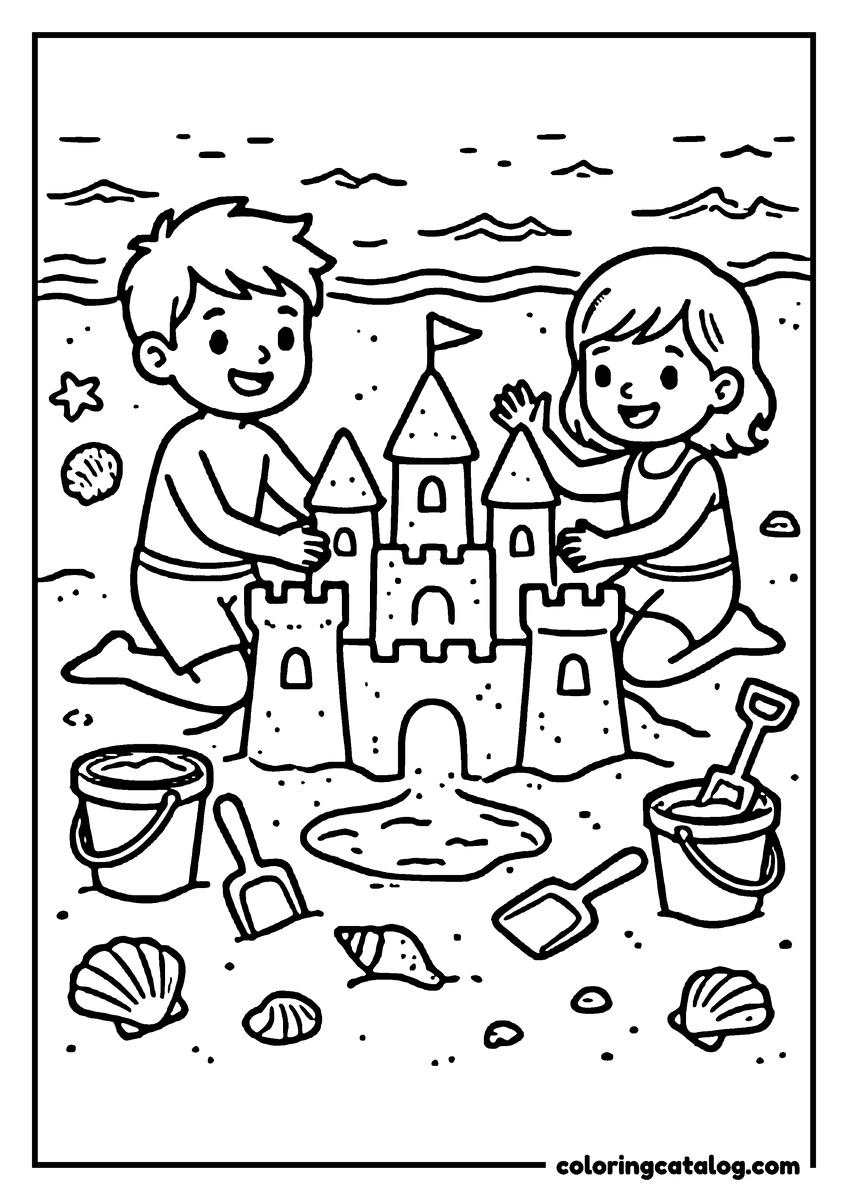
Sandcastles, sprinklers and campfires by the lake, summer vacation pages with plenty of action for big kids.
Adult colorists will enjoy real flowers drawn up close, peonies in full bloom and sunflowers in a tin bucket.
Cold days indoors pass quickly with figure skaters spinning on the rink and foxes diving into the snow.
Hedgehogs in the leaves and cocoa on the porch, autumn pages to color from September to Thanksgiving.