Supplies
Every Disney Mystery Coloring book
Every volume in English and in French, numbered pages, and a character you do not get to see until you have colored it. The whole shelf at a glance, how they work, and what separates them.
The series is color by number with a license attached. Each page is split into numbered areas with a key printed on the same sheet, and nothing tells you who is underneath. That one decision is why these books hold people who abandon an ordinary coloring page: there is something to find out, and the only way to find it out is to keep going.
In English, the series is published by Random House Worlds: every volume runs to 128 pages with a hundred illustrations, in the same format. The difference between the books is the cast and the palette, and that matters more than it sounds: a dark volume stays unreadable longer, which changes how the reveal feels. The English books are drawn by the same illustrators as a much larger French series, published by Hachette Heroes since 2015 (Jeremy Mariez, Alexandre Karam, William Bal and others), which is why some English and French covers are identical. This page is checked against both publishers’ catalogs rather than kept from memory.
Every book at a glance
The whole shelf in one place, before the detail: the English series first, then the French volumes, which color exactly the same way. Each cover links to the book on Amazon.
The English series, from Random House Worlds
- See it on Amazon
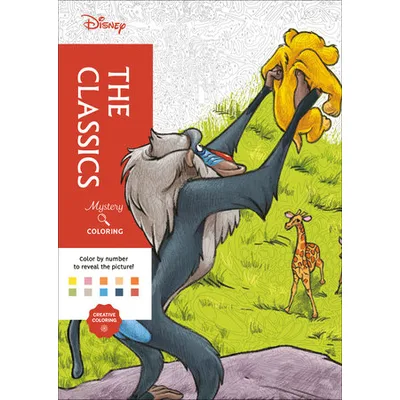
Disney Mystery Coloring: The ClassicsBook
Color by number, and the character only appears as you go. It holds a child who gives up on an open page, because there is something to find out.
- See it on Amazon
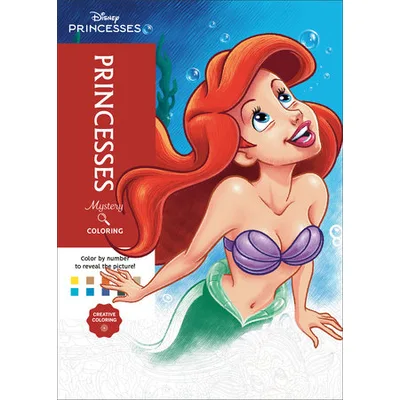
Disney Mystery Coloring: PrincessesBook
Snow White, Ariel, Mulan, Tiana, Moana and the rest, hidden until the numbers are filled. A hundred illustrations, and a good first volume for a child who already has a favorite princess.
- See it on Amazon
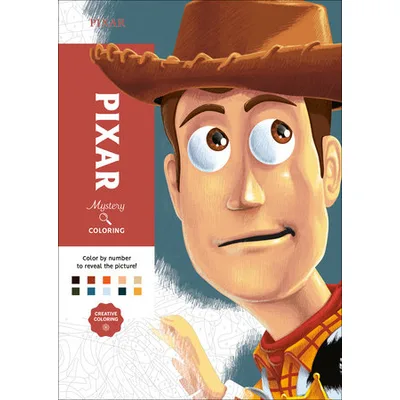
Disney Mystery Coloring: PixarBook
Color by number across Toy Story, Monsters, Inc., WALL-E, Brave and Ratatouille. Same format as The Classics: the character stays hidden until enough numbers are filled.
- See it on Amazon
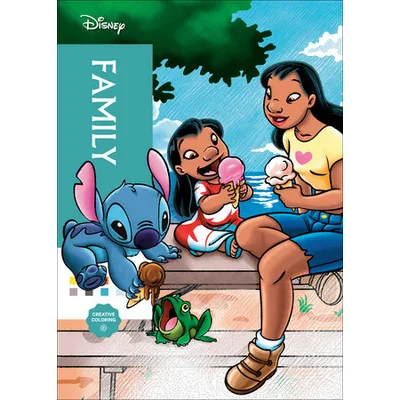
Disney Mystery Coloring: FamilyBook
The families of 101 Dalmatians, Coco, The Lion King, Tangled and Lilo & Stitch. The easiest of the series to share between an adult and a child, because the reveal works for both.
- See it on Amazon
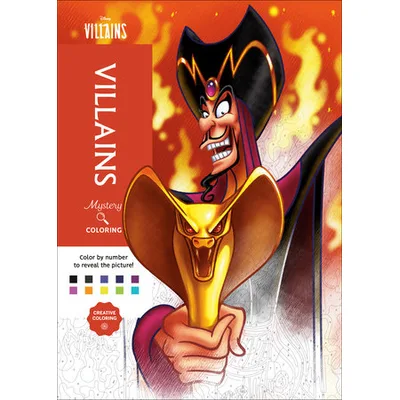
Disney Mystery Coloring: Disney VillainsBook
Ursula, Cruella, Jafar, Maleficent. The darkest palette of the series, which makes the reveal sharper: the page stays unreadable much longer.
- See it on Amazon
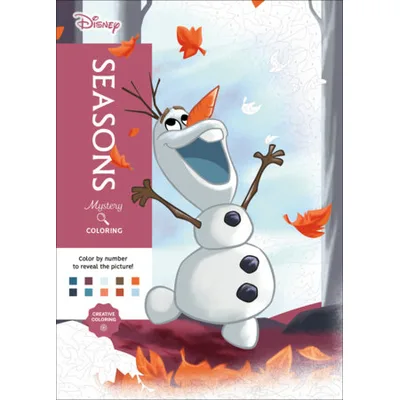
Disney Mystery Coloring: SeasonsBook
A hundred illustrations through the year, from Bambi in spring to Olaf in the snow, on thick bleed-resistant paper that takes markers as well as pencils.
- See it on Amazon
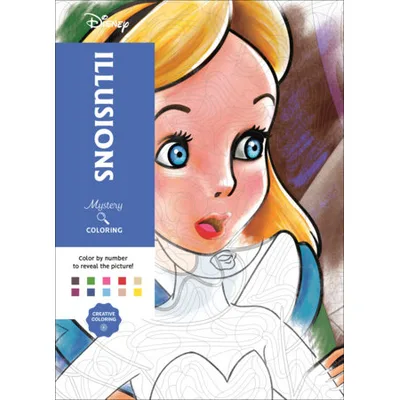
Disney Mystery Coloring: IllusionsBook
The trickiest of the series, in trompe l'oeil: one character hides another, so the outline of Tinker Bell or Gaston can turn into someone else as the colors go in.
- See it on Amazon
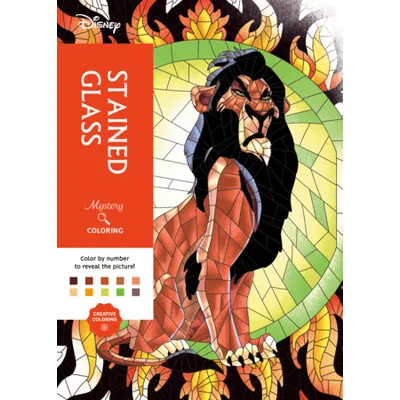
Disney Mystery Coloring: Stained GlassBook
Every illustration drawn as leaded glass, so the areas are bounded by thick black lines. The most forgiving of the series for anyone who colors slightly outside the lines, on thick bleed-resistant paper.
- See it on Amazon
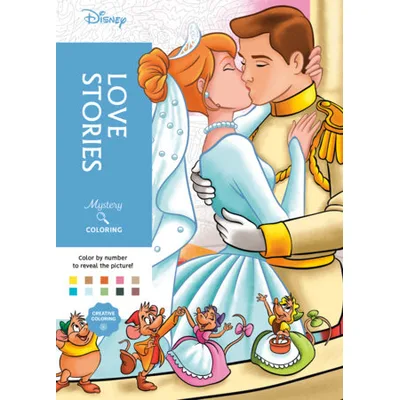
Disney Mystery Coloring: Love StoriesBook
Ariel and Eric, Rapunzel and Flynn, Tiana and Naveen, Moana and her family. The obvious February purchase, on thick bleed-resistant paper that takes markers.
Hachette’s own English editions
- See it on Amazon
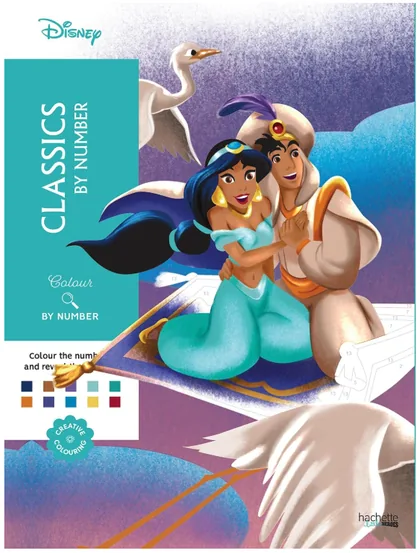
Mystery Colouring: Classics by NumberBook
Hachette's own English edition, in its larger format: classic Disney films hidden under numbered areas, with the key in English.
- See it on Amazon
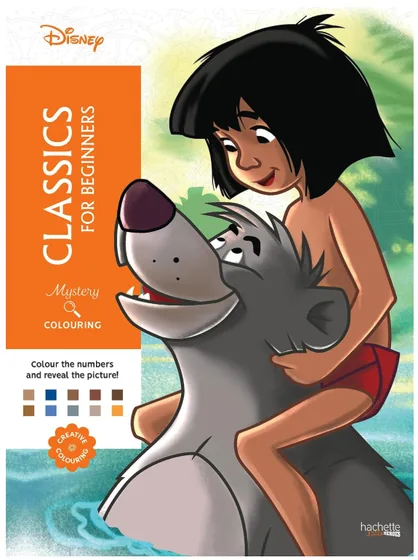
Mystery Colouring: Classics for BeginnersBook
The English beginners' volume, with larger areas and fewer of them, which makes it the gentlest way into the format.
- See it on Amazon
Mystery Colouring: Heroes & VillainsBook
English edition that sets the heroes against the villains who chase them, in Hachette's larger format.
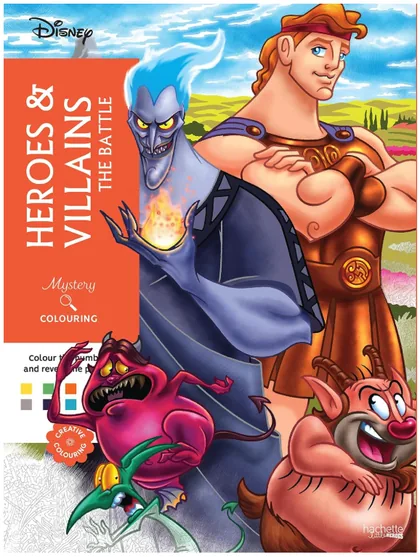
Also in English from Hachette, without a cover here yet: Princesses, Princesses Vol. 2, Pixar, Family and Portraits.
The French Disney volumes, from Hachette Heroes
- See it on Amazon
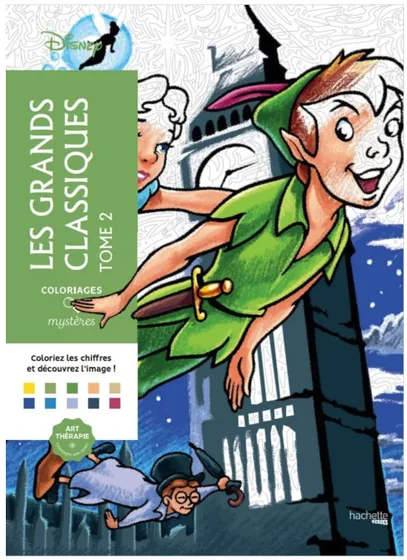
Coloriages Mystères: Grands Classiques 2Book
Volume 2 of the long-running French series, illustrated by Jeremy Mariez. French edition: the pages are numbers and a color key, so nothing needs reading.
- See it on Amazon
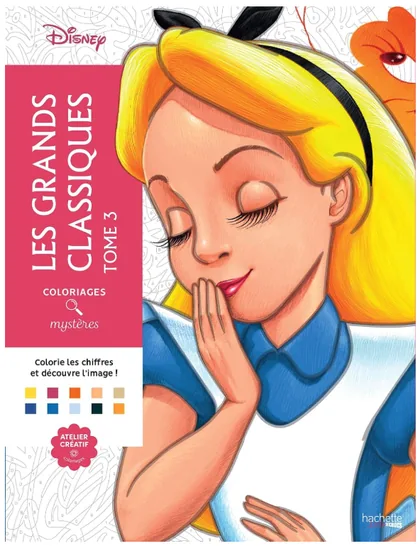
Coloriages Mystères: Grands Classiques 3Book
Volume 3 of the French series, illustrated by Jeremy Mariez. French edition: the pages are numbers and a color key, so nothing needs reading.
- See it on Amazon
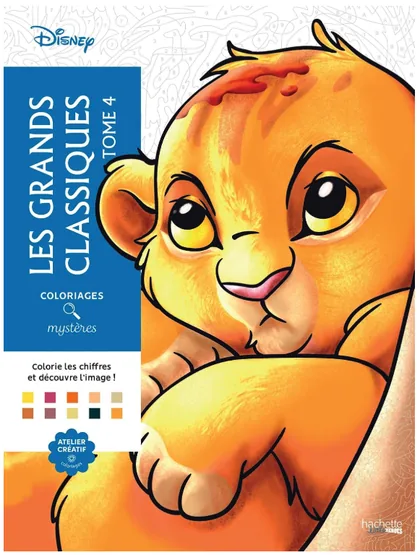
Coloriages Mystères: Grands Classiques 4Book
Volume 4 of the French series, illustrated by Jeremy Mariez. French edition: the pages are numbers and a color key, so nothing needs reading.
- See it on Amazon
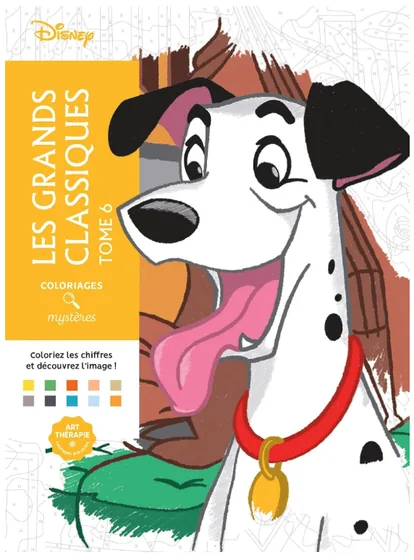
Coloriages Mystères: Grands Classiques 6Book
Volume 6 of the French series, illustrated by Edouard Vauthey. French edition: the pages are numbers and a color key, so nothing needs reading.
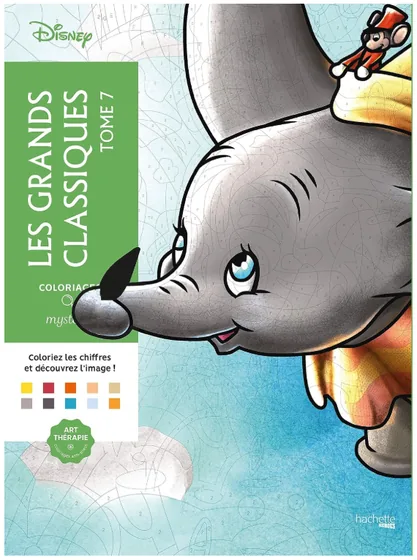
- See it on Amazon
Coloriages Mystères: Grands Classiques 7Book
Volume 7 of the French series, illustrated by William Bal. French edition: the pages are numbers and a color key, so nothing needs reading.
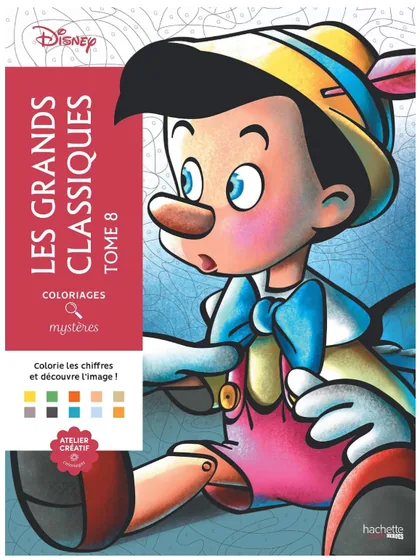
- See it on Amazon
Coloriages Mystères: Grands Classiques 8Book
Volume 8 of the French series, illustrated by Charlotte Mendes. French edition: the pages are numbers and a color key, so nothing needs reading.
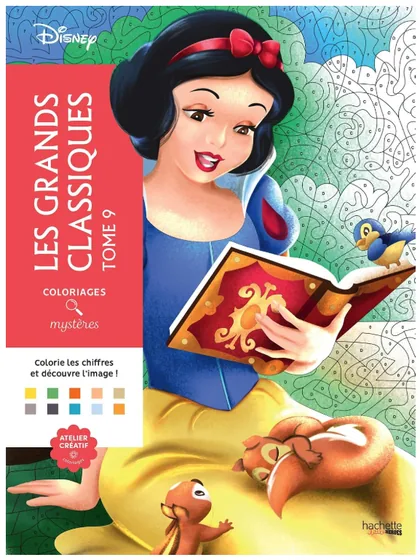
- See it on Amazon
Coloriages Mystères: Grands Classiques 9Book
Volume 9 of the French series, illustrated by Eugénie Varone. French edition: the pages are numbers and a color key, so nothing needs reading.
- See it on Amazon
Coloriages Mystères: Grands Classiques 10Book
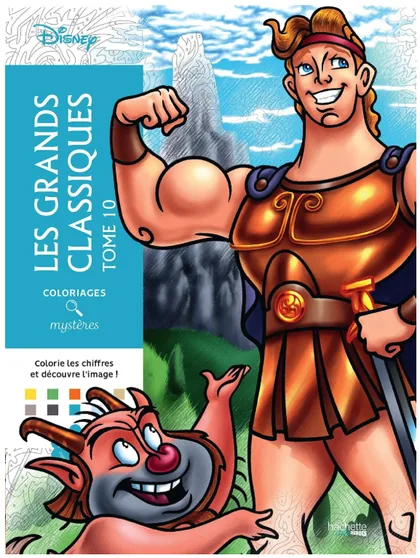
Volume 10 of the French series, illustrated by Jeremy Mariez. French edition: the pages are numbers and a color key, so nothing needs reading.
- See it on Amazon
Coloriages Mystères: Grands Classiques 11Book
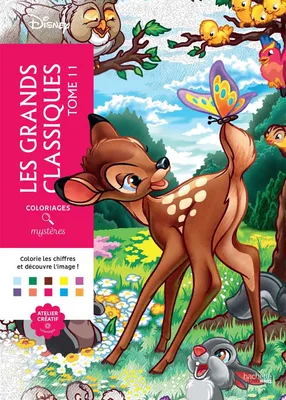
The eleventh volume of the French series, illustrated by Jeremy Mariez. A hundred numbered pages across Encanto, Tangled and Cars, in the large format the series keeps. French edition: the pages are numbers and a color key, so nothing needs reading.
Numbered mystery pages across Encanto, Tangled and Cars.
- See it on Amazon
Coloriages Mystères: Grands Classiques 12Book
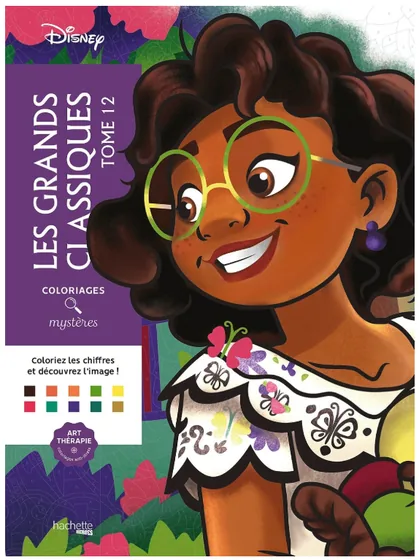
Volume 12 of the French series, illustrated by Aurélia Bertrand. French edition: the pages are numbers and a color key, so nothing needs reading.
- See it on Amazon
Coloriages Mystères: Grands Classiques 13Book
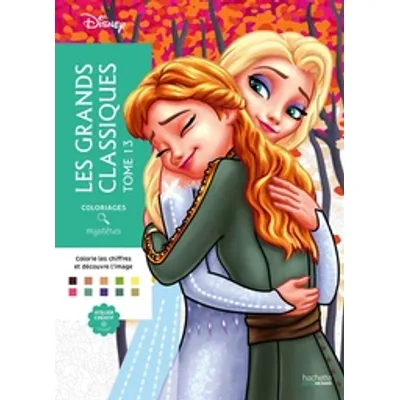
The thirteenth volume of the French series. A hundred numbered pages across Frozen, Encanto, Rapunzel, the Aristocats and Beauty and the Beast. French edition: the pages are numbers and a color key, so nothing needs reading.
- See it on Amazon
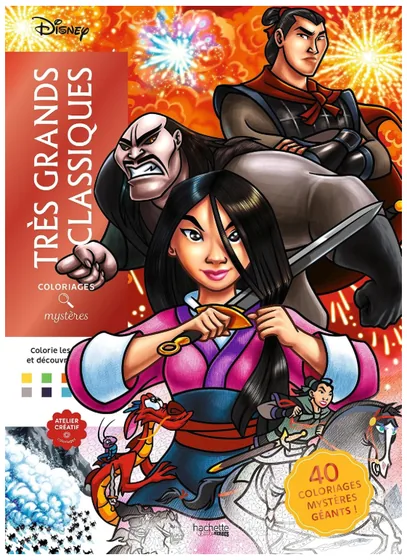
Coloriages Mystères: Très Grands ClassiquesBook
Giant-format mystery pages of the classics, illustrated by Jeremy Mariez. French edition: the pages are numbers and a color key, so nothing needs reading.
- See it on Amazon
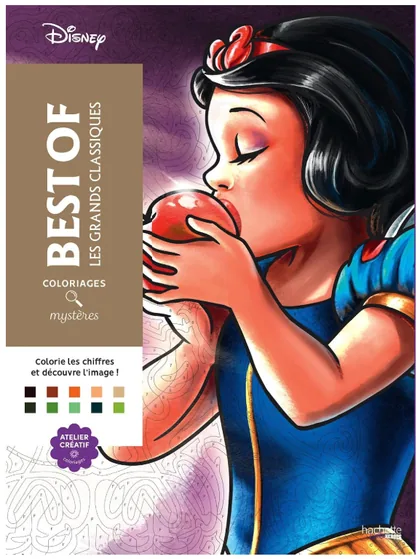
Coloriages Mystères: Grands Classiques Best ofBook
A collection of the classics illustrations readers ask for most. French edition: the pages are numbers and a color key, so nothing needs reading.
- See it on Amazon
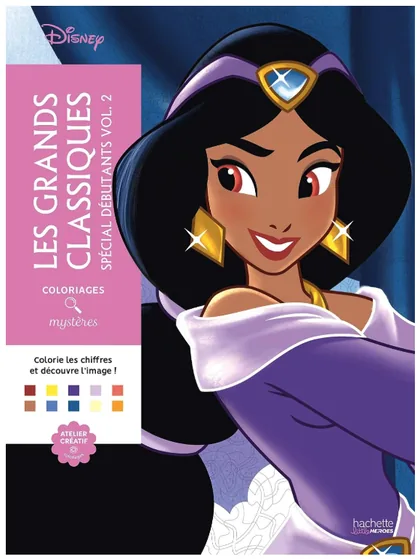
Grands Classiques spécial débutants 2Book
The second beginners' volume of the classics, illustrated by William Bal, with larger areas for a first book. French edition: the pages are numbers and a color key, so nothing needs reading.
- See it on Amazon
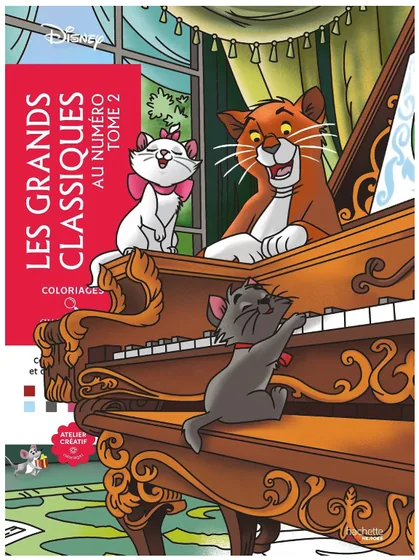
Coloriages au numéro: Grands Classiques 2Book
The classics as plain color by number, illustrated by Aurélia Bertrand. French edition: the pages are numbers and a color key, so nothing needs reading.
- See it on Amazon
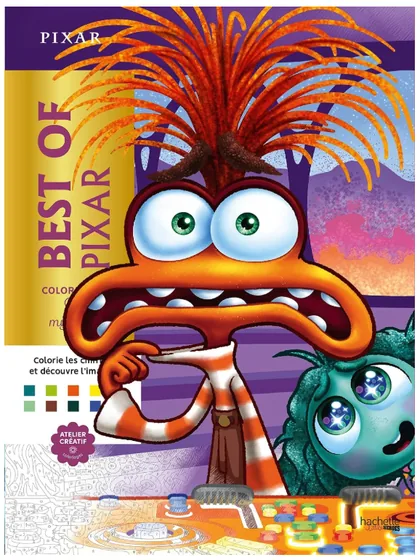
Coloriages Mystères: Best of PixarBook
Pixar characters collected in one French volume. French edition: the pages are numbers and a color key, so nothing needs reading.
- See it on Amazon
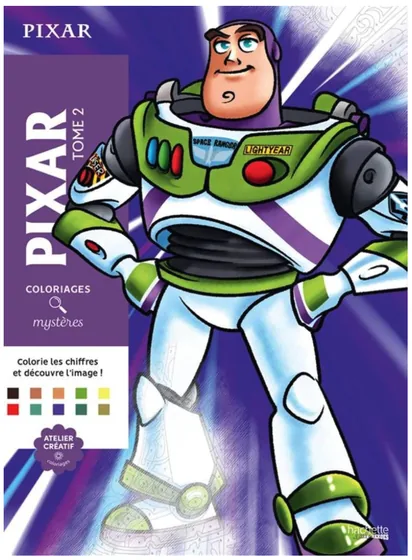
Coloriages Mystères: Pixar 2Book
A second French volume of Pixar characters, illustrated by Alexandre Karam. French edition: the pages are numbers and a color key, so nothing needs reading.
- See it on Amazon
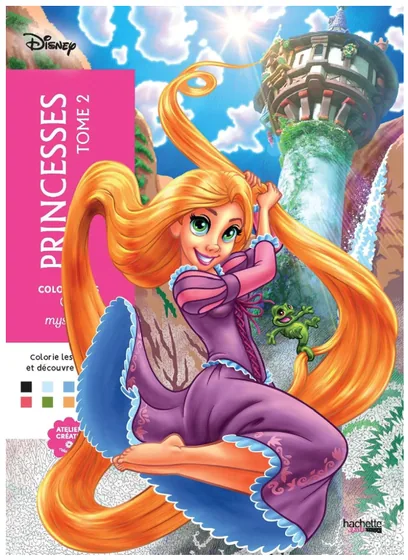
Coloriages Mystères: Princesses 2Book
A second French volume of Disney princesses, illustrated by Jeremy Mariez. French edition: the pages are numbers and a color key, so nothing needs reading.
- See it on Amazon
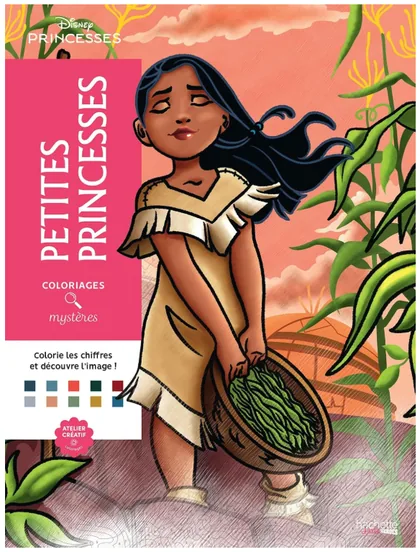
Coloriages Mystères: Petites PrincessesBook
The princesses as young girls, illustrated by Alexandre Karam. French edition: the pages are numbers and a color key, so nothing needs reading.
- See it on Amazon
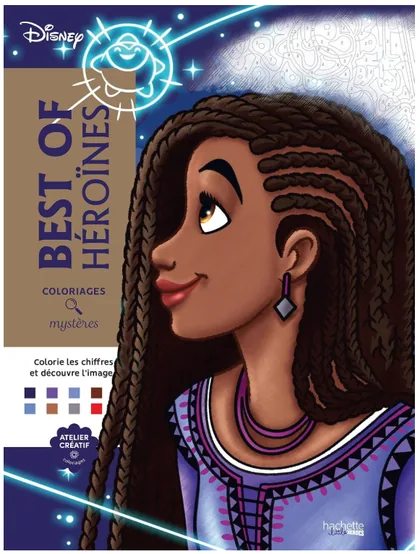
Coloriages Mystères: Best of HéroïnesBook
Disney heroines in one French volume, illustrated by Alexandre Karam. French edition: the pages are numbers and a color key, so nothing needs reading.
- See it on Amazon
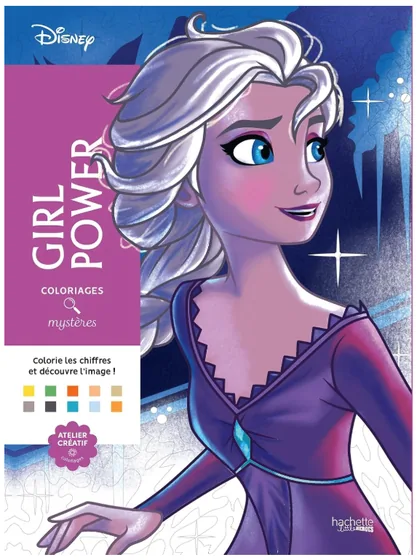
Coloriages Mystères: Girl PowerBook
Disney heroines who take the lead, illustrated by William Bal. French edition: the pages are numbers and a color key, so nothing needs reading.
- See it on Amazon
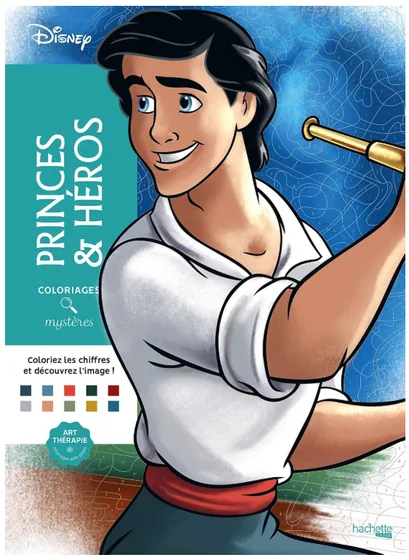
Coloriages Mystères: Princes et HérosBook
The princes and heroes for once, rather than the princesses. French edition: the pages are numbers and a color key, so nothing needs reading.
- See it on Amazon
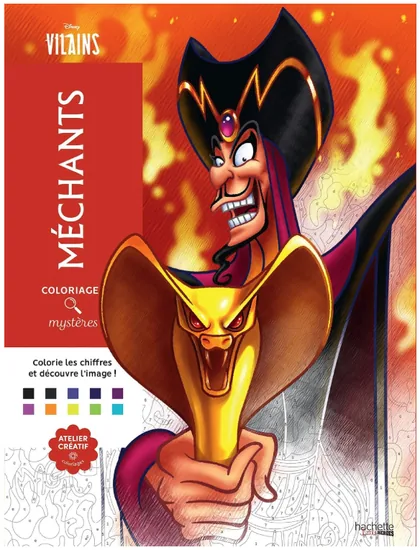
Coloriages Mystères: MéchantsBook
The French villains volume, the one the English Villains book comes from. French edition: the pages are numbers and a color key, so nothing needs reading.
- See it on Amazon
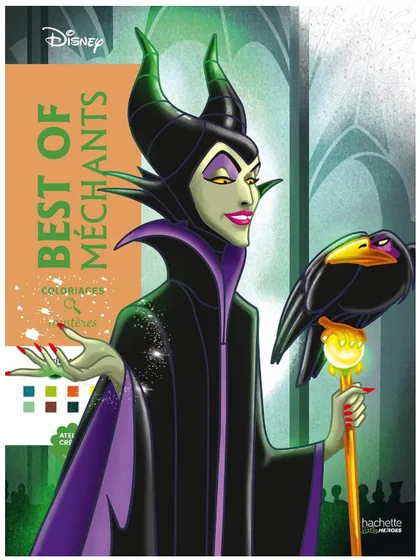
Coloriages Mystères: Best of MéchantsBook
A collection of the villains readers ask for most. French edition: the pages are numbers and a color key, so nothing needs reading.
- See it on Amazon
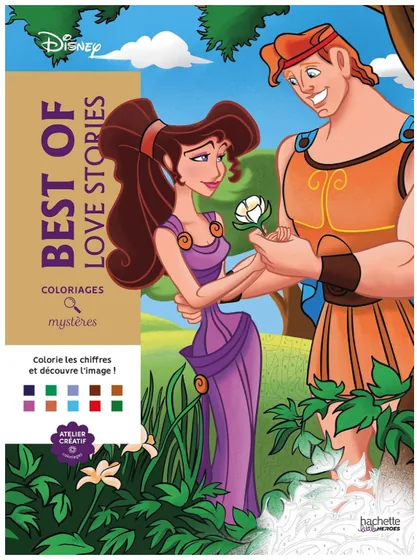
Coloriages Mystères: Best of Love StoriesBook
The Disney couples, collected in one French volume. French edition: the pages are numbers and a color key, so nothing needs reading.
- See it on Amazon
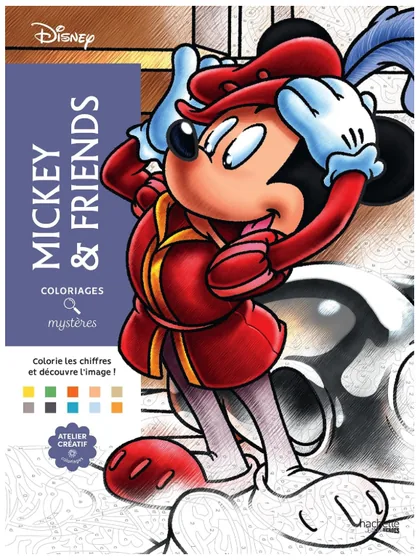
Coloriages Mystères: Mickey and FriendsBook
Mickey, Minnie and the rest of the gang, illustrated by Jeremy Mariez. French edition: the pages are numbers and a color key, so nothing needs reading.
- See it on Amazon
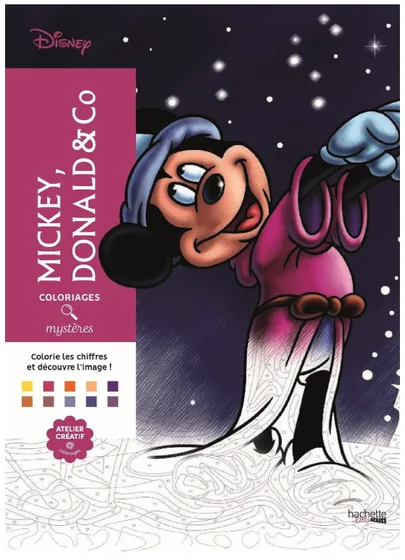
Coloriages Mystères: Mickey, Donald & CoBook
An earlier French volume of Mickey, Donald and their friends. French edition: the pages are numbers and a color key, so nothing needs reading.
- See it on Amazon
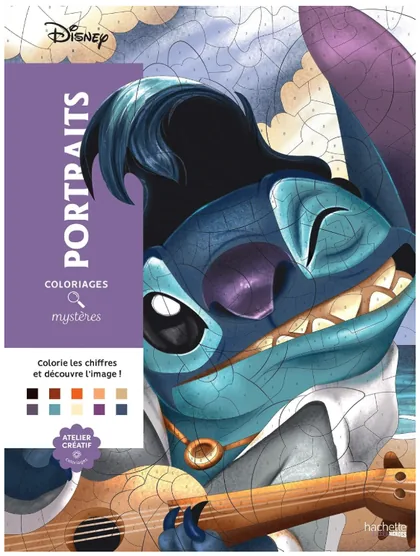
Coloriages Mystères: PortraitsBook
Characters drawn as close-up faces in trompe l'oeil rather than as scenes. French edition: the pages are numbers and a color key, so nothing needs reading.
- See it on Amazon
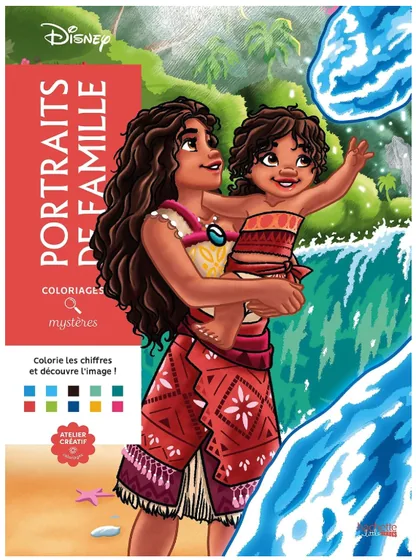
Coloriages Mystères: Portraits de familleBook
Disney families, illustrated by Alexandre Karam. French edition: the pages are numbers and a color key, so nothing needs reading.
- See it on Amazon
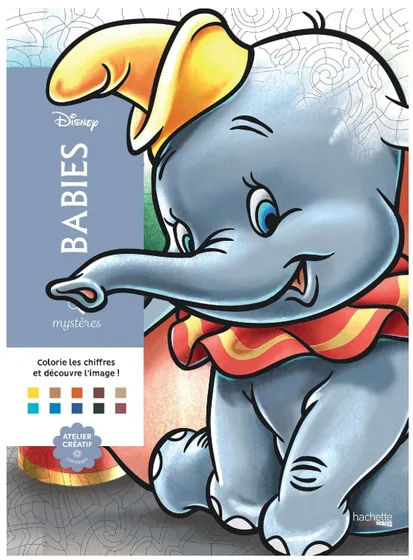
Coloriages Mystères: Disney BabiesBook
The characters drawn as babies, illustrated by Christophe-Alexis Perez. French edition: the pages are numbers and a color key, so nothing needs reading.
- See it on Amazon
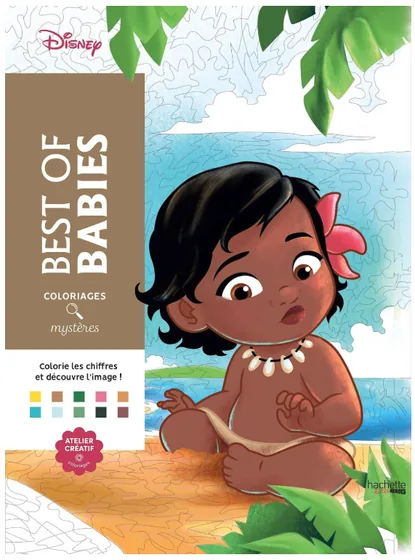
Coloriages Mystères: Best of BabiesBook
A collection of the baby characters readers ask for most. French edition: the pages are numbers and a color key, so nothing needs reading.
- See it on Amazon
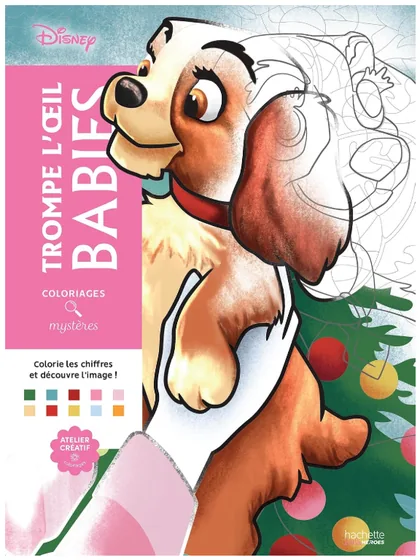
Coloriages Mystères: Trompe l'oeil BabiesBook
Baby characters in trompe l'oeil, where part of the drawing is already finished and part waits for color. French edition: the pages are numbers and a color key, so nothing needs reading.
- See it on Amazon
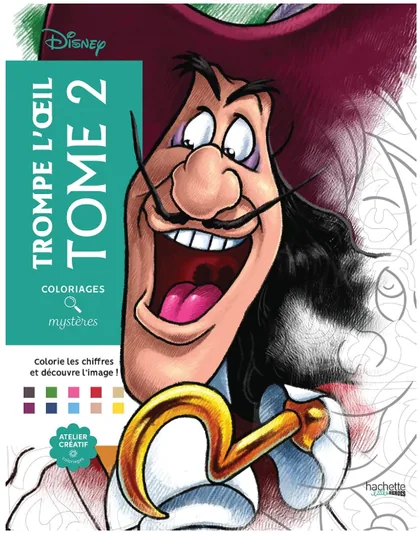
Coloriages Mystères: Trompe l'oeil 2Book
The second trompe l'oeil volume, where the colored half of the page meets the half you color. French edition: the pages are numbers and a color key, so nothing needs reading.
- See it on Amazon
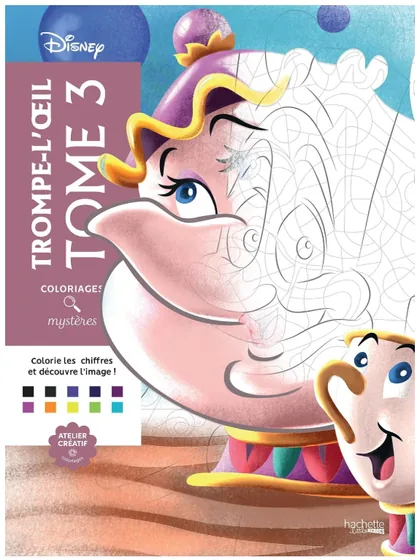
Coloriages Mystères: Trompe l'oeil 3Book
The third trompe l'oeil volume, illustrated by Eugénie Varone. French edition: the pages are numbers and a color key, so nothing needs reading.
- See it on Amazon
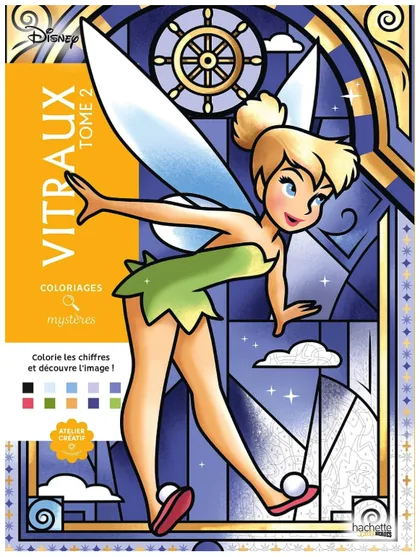
Coloriages Mystères: Vitraux 2Book
A second stained glass volume, illustrated by William Bal: black leading, bright panes. French edition: the pages are numbers and a color key, so nothing needs reading.
- See it on Amazon
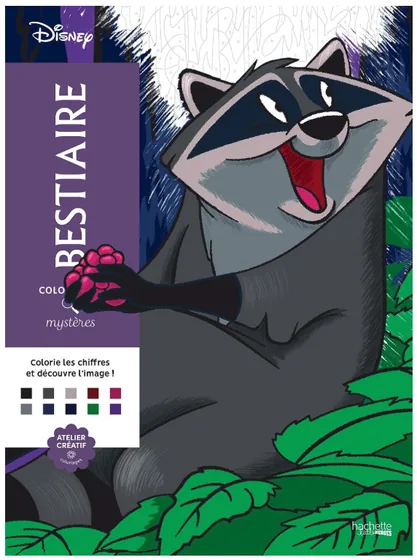
Coloriages Mystères: BestiaireBook
The animal characters of the films, illustrated by Alexandre Karam. French edition: the pages are numbers and a color key, so nothing needs reading.
- See it on Amazon
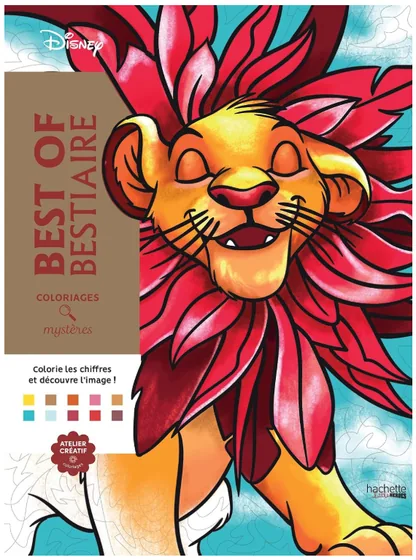
Coloriages Mystères: Best of BestiaireBook
A collection of the animal characters readers ask for most. French edition: the pages are numbers and a color key, so nothing needs reading.
- See it on Amazon
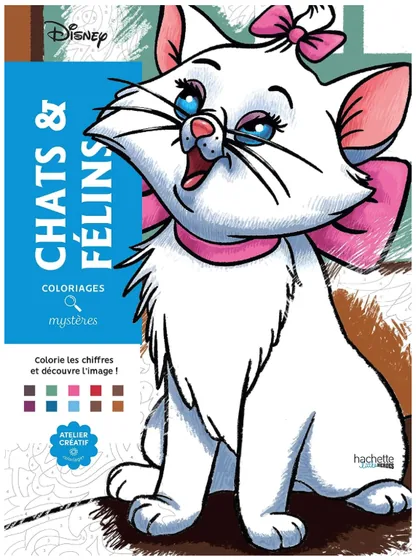
Coloriages Mystères: Chats et félinsBook
The cats of the films, illustrated by Alexandre Karam. French edition: the pages are numbers and a color key, so nothing needs reading.
- See it on Amazon
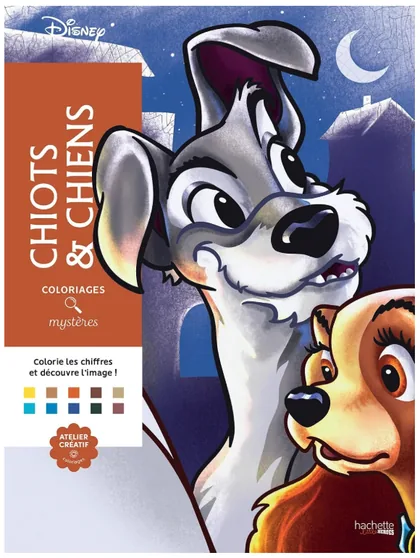
Coloriages Mystères: Chiots et chiensBook
The dogs and puppies of the films, illustrated by Christophe-Alexis Perez. French edition: the pages are numbers and a color key, so nothing needs reading.
- See it on Amazon
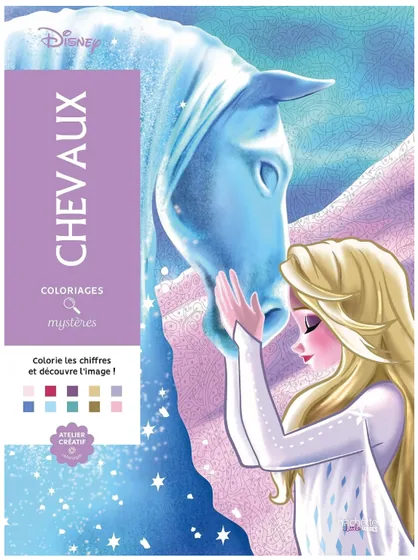
Coloriages Mystères: ChevauxBook
The horses of the films, illustrated by Sophie Marie. French edition: the pages are numbers and a color key, so nothing needs reading.
- See it on Amazon
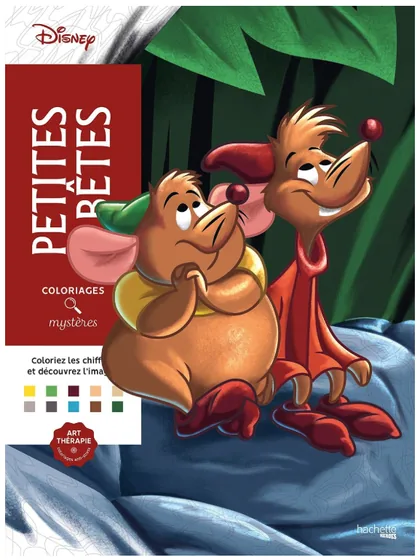
Coloriages Mystères: Petites bêtesBook
The small creatures of the films, illustrated by William Bal. French edition: the pages are numbers and a color key, so nothing needs reading.
- See it on Amazon
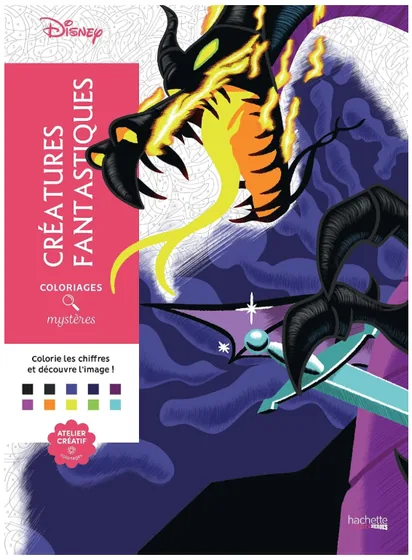
Coloriages Mystères: Créatures fantastiquesBook
Fantastic creatures from the films, illustrated by Alexandre Karam. French edition: the pages are numbers and a color key, so nothing needs reading.
- See it on Amazon
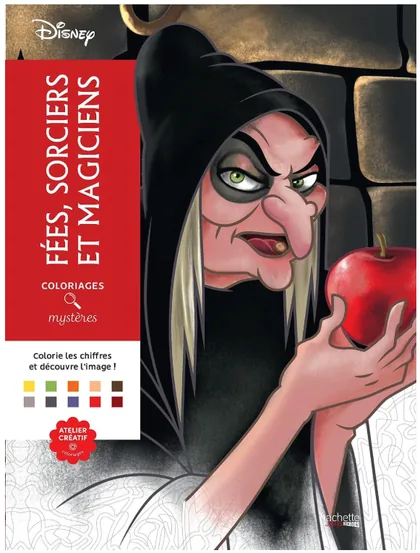
Coloriages Mystères: Fées, sorciers et magiciensBook
Fairies, sorcerers and magicians from the films. French edition: the pages are numbers and a color key, so nothing needs reading.
- See it on Amazon
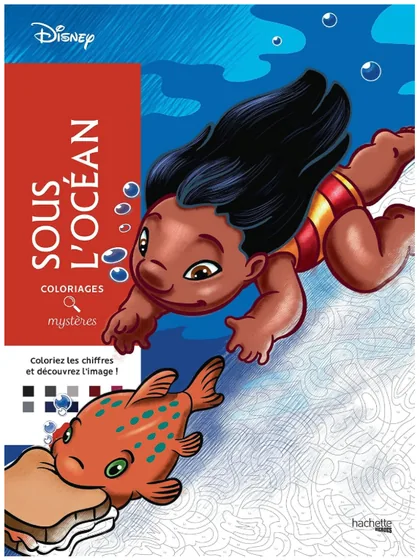
Coloriages Mystères: Sous l'océanBook
The underwater films, illustrated by Alexandre Karam. French edition: the pages are numbers and a color key, so nothing needs reading.
- See it on Amazon
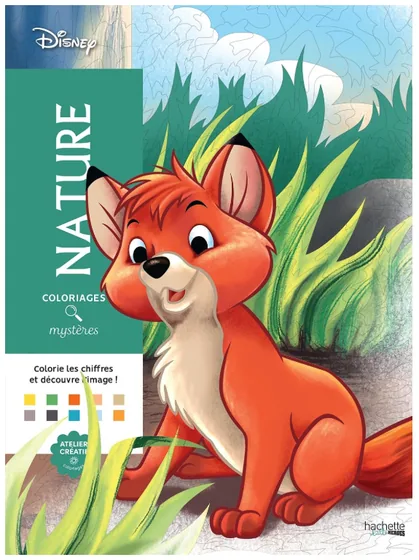
Coloriages Mystères: NatureBook
Characters out in nature, illustrated by William Bal. French edition: the pages are numbers and a color key, so nothing needs reading.
- See it on Amazon
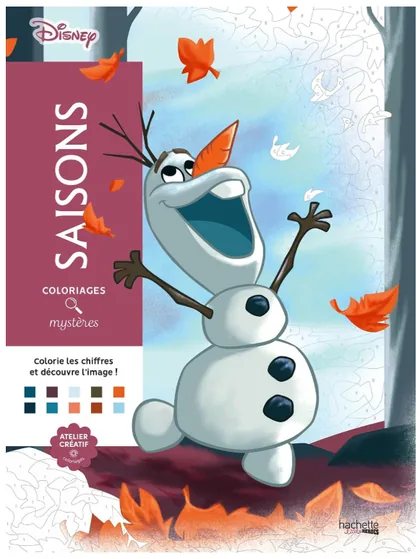
Coloriages Mystères: SaisonsBook
The French seasons volume, the one the English Seasons book comes from. French edition: the pages are numbers and a color key, so nothing needs reading.
- See it on Amazon
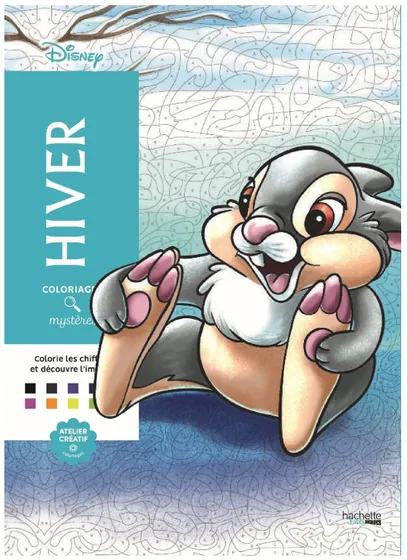
Coloriages Mystères: HiverBook
A winter volume, illustrated by Alexandre Karam. French edition: the pages are numbers and a color key, so nothing needs reading.
- See it on Amazon
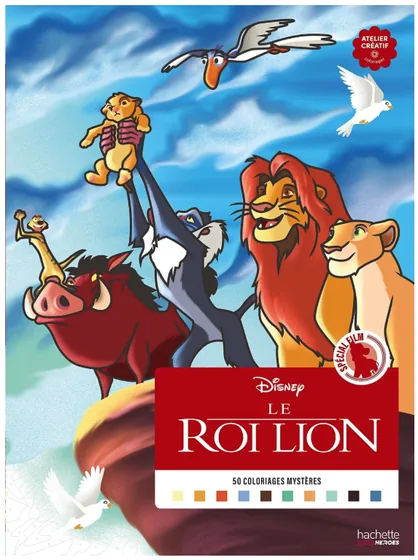
Coloriages Mystères: Le Roi LionBook
A whole volume on The Lion King. French edition: the pages are numbers and a color key, so nothing needs reading.
- See it on Amazon
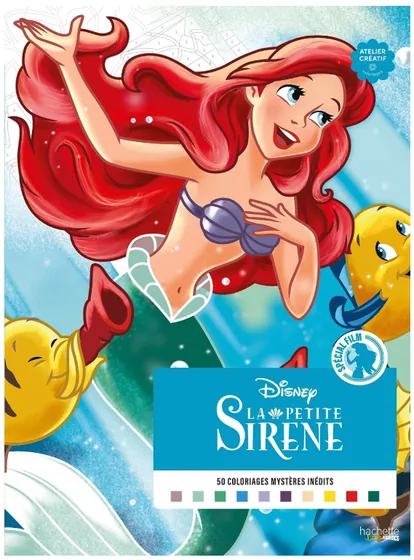
Coloriages Mystères: La Petite SirèneBook
A whole volume on The Little Mermaid. French edition: the pages are numbers and a color key, so nothing needs reading.
- See it on Amazon
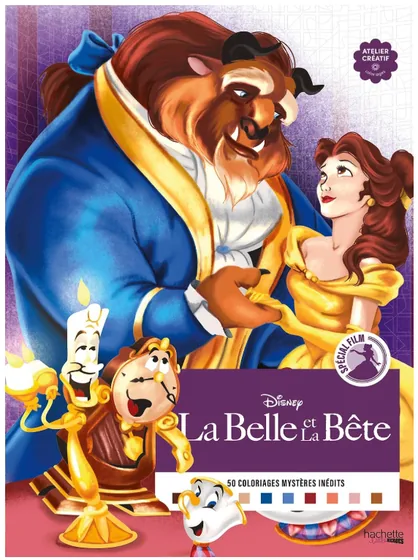
Coloriages Mystères: La Belle et la BêteBook
A whole volume on Beauty and the Beast. French edition: the pages are numbers and a color key, so nothing needs reading.
The same format, other characters
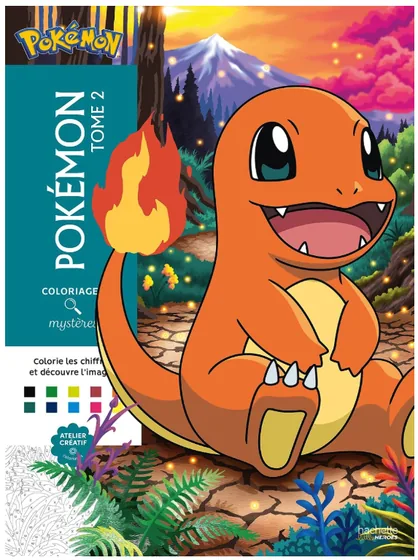
Not Disney, but the same books from the same publisher, for a child who would rather find Pikachu or a Smurf under the numbers.
- See it on Amazon
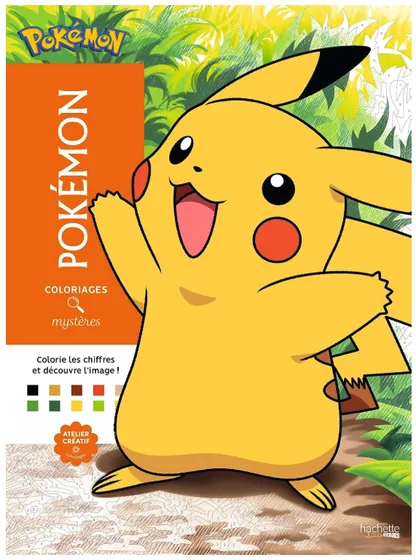
Coloriages Mystères: PokémonBook
The same mystery format with Pokémon, illustrated by Jeremy Mariez. French edition: the pages are numbers and a color key, so nothing needs reading.
- See it on Amazon
Coloriages Mystères: Pokémon 2Book
A second Pokémon volume in the same format. French edition: the pages are numbers and a color key, so nothing needs reading.
- See it on Amazon
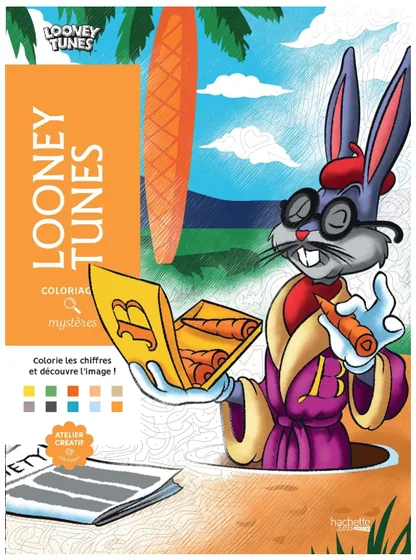
Coloriages Mystères: Looney TunesBook
Bugs Bunny and the Looney Tunes in the mystery format. French edition: the pages are numbers and a color key, so nothing needs reading.
- See it on Amazon
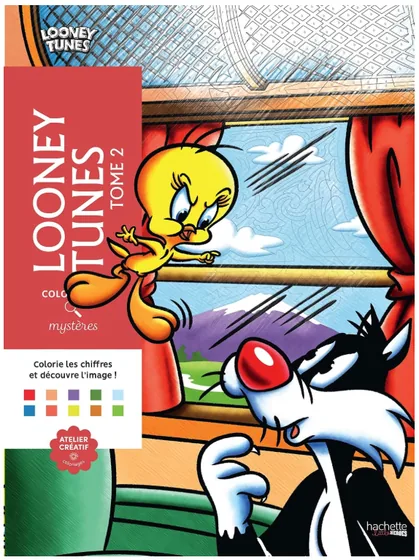
Coloriages Mystères: Looney Tunes 2Book
A second Looney Tunes volume. French edition: the pages are numbers and a color key, so nothing needs reading.
- See it on Amazon
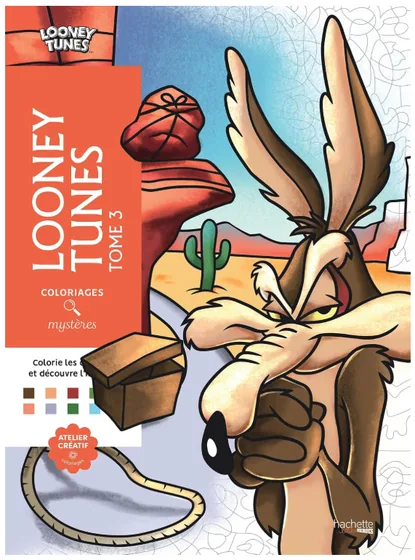
Coloriages Mystères: Looney Tunes 3Book
A third Looney Tunes volume, illustrated by Charlotte Mendes. French edition: the pages are numbers and a color key, so nothing needs reading.
- See it on Amazon
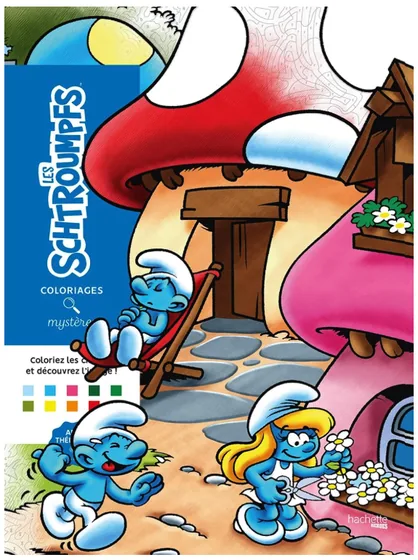
Coloriages Mystères: Les SchtroumpfsBook
The Smurfs in the mystery format. French edition: the pages are numbers and a color key, so nothing needs reading.
- See it on Amazon
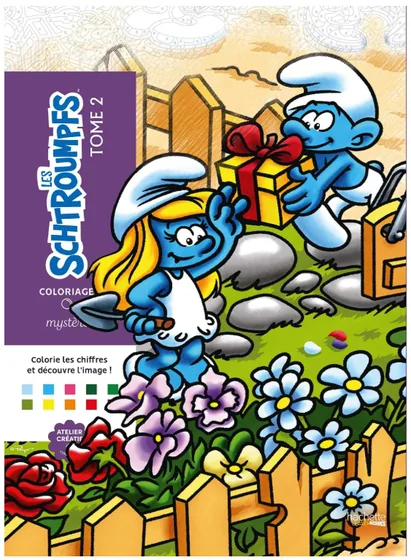
Coloriages Mystères: Les Schtroumpfs 2Book
A second Smurfs volume, illustrated by Alexandre Karam. French edition: the pages are numbers and a color key, so nothing needs reading.
- See it on Amazon
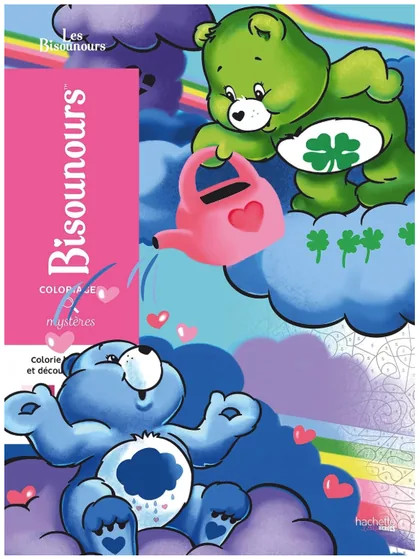
Coloriages Mystères: BisounoursBook
The Care Bears in the mystery format, illustrated by Eugénie Varone. French edition: the pages are numbers and a color key, so nothing needs reading.
- See it on Amazon
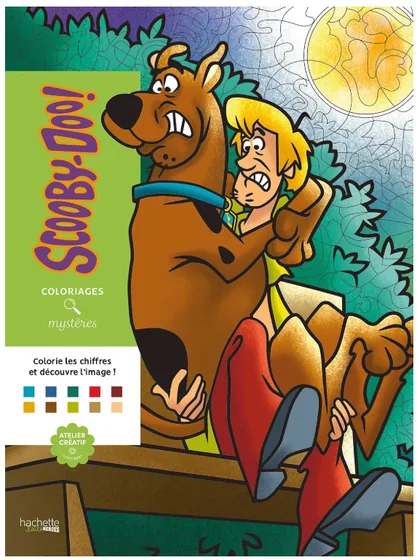
Coloriages Mystères: Scooby-DooBook
Scooby-Doo and the gang, illustrated by Charlotte Mendes. French edition: the pages are numbers and a color key, so nothing needs reading.
- See it on Amazon
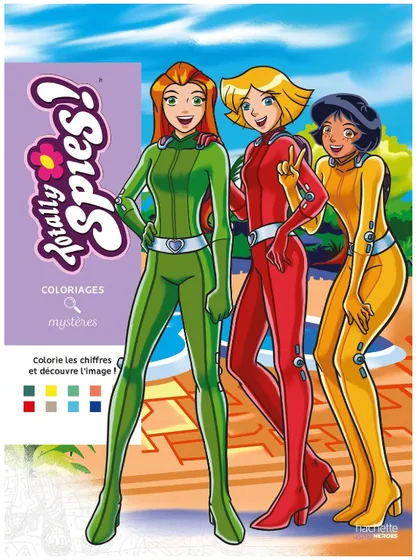
Coloriages Mystères: Totally SpiesBook
Sam, Clover and Alex in the mystery format. French edition: the pages are numbers and a color key, so nothing needs reading.
- See it on Amazon
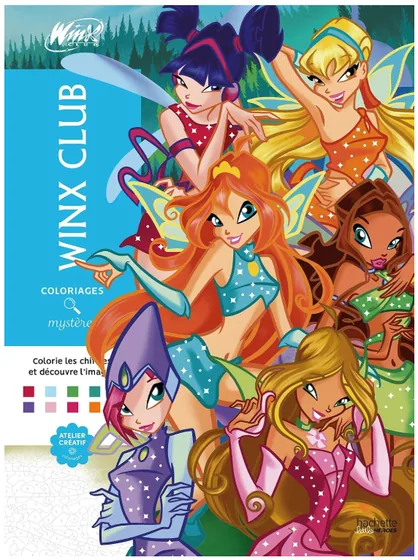
Coloriages Mystères: Winx ClubBook
The Winx fairies in the mystery format. French edition: the pages are numbers and a color key, so nothing needs reading.
- See it on Amazon
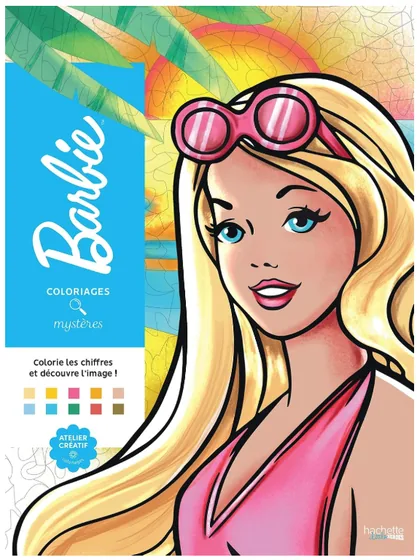
Coloriages Mystères: BarbieBook
Barbie in the mystery format. French edition: the pages are numbers and a color key, so nothing needs reading.
How a mystery coloring page works
A normal color by number page shows you the drawing and tells you the colors. A mystery page hides the drawing. The outlines break the picture into many small shapes that do not look like anything on their own, so at the start the page is mostly numbers. Only when enough areas share the right colors does a face, an ear or a castle come out of the pattern.
That is why the order you work in changes the experience. Filling one number at a time across the whole page keeps the surprise longest. Starting with the darkest color in the key usually shows the shape sooner, which helps a child who needs to see progress.
How to avoid the usual mistakes
- Make your own swatch strip first. Your pencils will not match the key exactly. On a scrap of paper, write each number and color a patch beside it with the pencil you picked. It takes ten minutes and stops two similar blues from swapping halfway through the book.
- Press lightly on the first layer. The number needs to disappear under the color, and a heavy first pass makes a mistake impossible to cover. Build up the color once you are sure.
- Work one color at a time, and cross it off the key when every area is done. Coming back later to hunt for one missing 14 is where most errors creep in.
- Use a sharp pencil. The areas are small, and a blunt point spills into the next shape. A handheld sharpener at the table saves getting up every five minutes.
When a number is unclear
In areas this small, a number can be hard to read or hard to place. When that happens, skip it rather than guess. Fill everything around it first. By the time the neighbors are colored, the picture has usually taken enough shape that the right color for the gap is obvious: it is part of a sleeve, a shadow or a background. A 6 and an 8, or a 1 and a 7, are the usual confusions, so check the key for which of the two colors would make sense in that spot. A phone camera zoomed in on the area settles the rest.
If you do color an area wrong, a darker color on top usually hides it, which is one more reason to keep the first layer light.
The character volumes
These three are the ones to start with, because the cast is recognizable from early on. That early recognition is what keeps a child at the table. The Classics tours the older films, from Snow White and Pinocchio to The Lion King and Alice in Wonderland. Princesses suits a child who already has a favorite, with Snow White, Ariel, Mulan, Tiana and Moana among them, and Pixar covers Toy Story, Monsters, Inc., WALL-E, Brave and Ratatouille.
Disney Mystery Coloring: The ClassicsBook
Color by number, and the character only appears as you go. It holds a child who gives up on an open page, because there is something to find out.
Disney Mystery Coloring: PrincessesBook
Snow White, Ariel, Mulan, Tiana, Moana and the rest, hidden until the numbers are filled. A hundred illustrations, and a good first volume for a child who already has a favorite princess.
Disney Mystery Coloring: PixarBook
Color by number across Toy Story, Monsters, Inc., WALL-E, Brave and Ratatouille. Same format as The Classics: the character stays hidden until enough numbers are filled.
The same casts continue in French. The Grands Classiques are a long series, on the shelf above from volume 2 to volume 13, with Très Grands Classiques in a giant format; Princesses 2 and Petites Princesses follow the princesses, and Pixar 2 and Best of Pixar the Pixar films.
The themed volumes
Same format, organized around an idea rather than a studio. Family brings together the families of 101 Dalmatians, Coco, The Lion King, Tangled and Lilo & Stitch, and is the easiest to share between an adult and a child. Villains has the darkest palette, which suits a teenager or an adult fan more than a young child. Love Stories is the obvious Valentine’s Day gift, and Seasons follows the characters through spring, summer, fall and winter, the one to give as the weather turns.
Disney Mystery Coloring: FamilyBook
The families of 101 Dalmatians, Coco, The Lion King, Tangled and Lilo & Stitch. The easiest of the series to share between an adult and a child, because the reveal works for both.
Disney Mystery Coloring: Disney VillainsBook
Ursula, Cruella, Jafar, Maleficent. The darkest palette of the series, which makes the reveal sharper: the page stays unreadable much longer.
Disney Mystery Coloring: Love StoriesBook
Ariel and Eric, Rapunzel and Flynn, Tiana and Naveen, Moana and her family. The obvious February purchase, on thick bleed-resistant paper that takes markers.
Disney Mystery Coloring: SeasonsBook
A hundred illustrations through the year, from Bambi in spring to Olaf in the snow, on thick bleed-resistant paper that takes markers as well as pencils.
In French, the themes go further: Méchants and Best of Méchants for the villains, Best of Love Stories, Saisons and Hiver, and whole volumes on animals that the English series has not touched, such as cats, dogs and horses.
The two that change the drawing itself
Stained Glass redraws everything as leaded glass, so every area is bounded by a thick black line. It is the most forgiving volume in the series, and the best one for anyone whose hand still wanders, including a grandparent with less steady hands. Illusions does the opposite: it is a trompe l’oeil book, where one character hides another. The outline suggests Tinker Bell or Gaston, and the colors reveal someone else. It is the hardest of the English series, and the one for an adult who has already finished another volume.
Disney Mystery Coloring: Stained GlassBook
Every illustration drawn as leaded glass, so the areas are bounded by thick black lines. The most forgiving of the series for anyone who colors slightly outside the lines, on thick bleed-resistant paper.
Disney Mystery Coloring: IllusionsBook
The trickiest of the series, in trompe l'oeil: one character hides another, so the outline of Tinker Bell or Gaston can turn into someone else as the colors go in.
Both ideas have French counterparts: Vitraux 2 is another stained glass volume, and the trompe l’oeil line runs to Trompe l’oeil 2, Trompe l’oeil 3, Trompe l’oeil Babies and Portraits.
The other series, from Hachette Heroes
Random House Worlds is not the only publisher doing this. Hachette Heroes has been running a mystery coloring line since 2015, and it is far larger: over a hundred volumes in French, of which a growing set is translated and sold as Mystery Colouring. Those editions are in English, printed at 300 by 215 mm, which is noticeably larger than the Random House books, on paper heavy enough that markers do not come through.
They are worth knowing about even if the volume you want is only in French, because on a color by number book the text is a key and a page number. There is nothing to read. A French edition, sold as Coloriages Mystères, colors exactly like an English one, and it is often the only way to get a subject the English line has not covered yet: a whole volume on The Lion King, The Little Mermaid or Beauty and the Beast, the Disney Babies, or Mickey and friends.
The English editions are listed under the shelf at the top of this page. Of those, Portraits is the one that draws characters as faces rather than scenes, and Classics for Beginners the one with fewer, larger areas.
Among the French ones, the Grands Classiques Best of collects the illustrations people ask for most, and the Grands Classiques Collector is the tenth-anniversary edition of the first volume. Every other French volume we link to is on the shelf at the top of this page with its cover.
Coloriages Mystères: Grands Classiques 13Book
The thirteenth volume of the French series. A hundred numbered pages across Frozen, Encanto, Rapunzel, the Aristocats and Beauty and the Beast. French edition: the pages are numbers and a color key, so nothing needs reading.
Which one to start with
If you are buying a gift and cannot ask, take a character volume rather than a themed one. The cast does half the work: a page that resolves into Ariel or Woody after twenty numbers keeps someone going, where an abstract reveal asks for patience they may not have yet. For a younger child or a first book, Classics for Beginners or Stained Glass, or the French spécial débutants volume. For an adult fan who wants a challenge, Villains or Illusions. For a child who loves animals more than princesses, the French volumes on cats, dogs or horses, and for one who would rather find Pikachu, the other characters at the end of the shelf.
Want to test the format for free first? Our princess coloring pages are ordinary outline drawings rather than mysteries, but they show quickly whether a child has the patience for small areas.
These are licensed books from Random House Worlds and Hachette Heroes, not something this site makes. Nothing here is affiliated with or endorsed by Disney or by the owners of the other characters, and the coloring books page covers the rest of the shelf.
Links to Amazon on this page are affiliate links. As an Amazon Associate I earn from qualifying purchases: the price is the same for you either way, and nothing here is recommended because of it. How this site is paid for.
Keep browsing
Disney Mystery Coloring questions
How many Disney Mystery Coloring books are there?
In English, the Random House Worlds series: The Classics, Princesses, Pixar, Family, Disney Villains, Seasons, Illusions, Stained Glass and Love Stories, each with a hundred illustrations. In French, the Hachette Heroes series is much larger, with over a hundred volumes since 2015, and some of them are also sold in English as Mystery Colouring. Every one we link to is on the shelf at the top of the page.
How does a Disney mystery coloring book work?
It is a color by number book with a hidden picture. Each illustration is split into numbered areas with a key on the page, and the character is not named or previewed. You fill in the numbers one color at a time, and the character appears as the page fills, which is the whole appeal.
What is the difference between the Random House and the Hachette books?
Mostly the language and the size. The Random House Worlds books are the English series: 128 pages and a hundred illustrations each, drawn by the same illustrators as the French books. Hachette Heroes publishes the much larger French series, plus a few English editions in its own bigger format, 300 by 215 mm. The coloring itself works the same way in both.
What if a number is too small or hard to read?
Leave that area blank and come back to it. Once the colors around it are filled, the shape of the picture usually makes the missing color obvious. A magnifying glass or a phone camera zoom settles the rest.
Which Disney Mystery Coloring book should I buy first?
The Classics or Princesses. Both hold characters people recognize early, which keeps a child going. Illusions is the hardest and a poor first book, and Stained Glass is the most forgiving if coloring inside the lines is still a work in progress. Hachette’s Classics for Beginners, with fewer and larger areas, is the gentlest starting point of either series.
Can I use the French Coloriages Mystères books if I do not speak French?
Yes. On a color by number page the only text is the color key and the page number, so a French volume colors exactly like an English one. It is often the only way to get a subject the English series has not covered, such as a whole book on The Lion King or on the Disney cats.
Are there mystery coloring books with characters other than Disney?
Yes, from Hachette Heroes, in French. The same format exists for Pokémon, the Looney Tunes, the Smurfs, the Care Bears, Scooby-Doo, Totally Spies, Winx Club and Barbie. They are at the end of the shelf at the top of this page.
What age are Disney mystery coloring books for?
Eight and up for solo coloring, younger with help. The areas are small and each page uses a lot of colors, which is a lot of looking up for a small child. The reveal, though, works at any age, which is why adults buy them for themselves and share them with kids.
Should I use pencils or markers?
Colored pencils for most volumes. The areas are small enough that a marker tip covers several at once, and the printed number needs covering rather than drowning. Four English volumes, Seasons, Illusions, Stained Glass and Love Stories, are printed on thick bleed-resistant paper that takes fine markers, and so are Hachette’s larger English editions. The colored pencils page covers which pencils.