Animals · 35 free printables
Bug Coloring Pages
Ladybugs, beetles, bees, butterflies and every small creature that crawls, flies or floats in the garden.
35 free printable bug coloring pages
Tap a drawing to see it full size and flip through the set. Press + to collect several and print them as one PDF.
- See it on Amazon
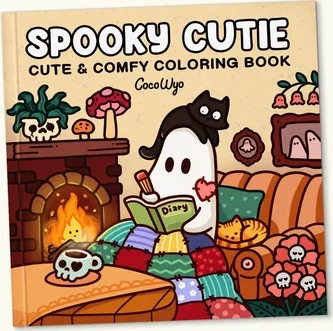
The same cozy rooms as Cozy Friends, with a jack-o-lantern in them: creepy characters drawn round and friendly. Eighty-eight pages printed one side only, so a marker that goes through does not ruin the next drawing.
Creepy characters drawn round and friendly, printed one side only.
- See it on Amazon
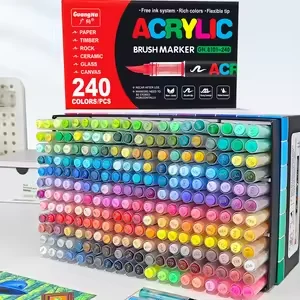
Guangna acrylic paint markers, 240 colorsMarkers
Opaque acrylic ink through a brush tip that goes from 1 mm to 6 mm, for the flat solid color that bold-and-easy pages look best in and a felt tip cannot match. They need weight under them: a single-sided book page or 120 gsm paper, not ordinary copy paper.
Opaque brush-tip acrylic for flat, solid color on bold pages.
- See it on Amazon
The book that made the cozy style what it is. Bold, simple outlines with cute animal characters, which is the opposite of the dense hunt books and finishes in an evening.
Bold, simple outlines and cute animals, done in an evening.
- See it on Amazon
Coloriages Mystères: Grands Classiques 11Book
The eleventh volume of the French series, illustrated by Jeremy Mariez. A hundred numbered pages across Encanto, Tangled and Cars, in the large format the series keeps. French cover, English-free contents.
Numbered mystery pages across Encanto, Tangled and Cars.
- See it on Amazon
The same cozy rooms as Cozy Friends, with a jack-o-lantern in them: creepy characters drawn round and friendly. Eighty-eight pages printed one side only, so a marker that goes through does not ruin the next drawing.
Creepy characters drawn round and friendly, printed one side only.

- See it on Amazon
Guangna acrylic paint markers, 240 colorsMarkers
Opaque acrylic ink through a brush tip that goes from 1 mm to 6 mm, for the flat solid color that bold-and-easy pages look best in and a felt tip cannot match. They need weight under them: a single-sided book page or 120 gsm paper, not ordinary copy paper.
Opaque brush-tip acrylic for flat, solid color on bold pages.
Keep going
More free coloring pages to print next
Same 300 dpi PDFs, still free. Sheets you added to your pack stay there when you switch collections.
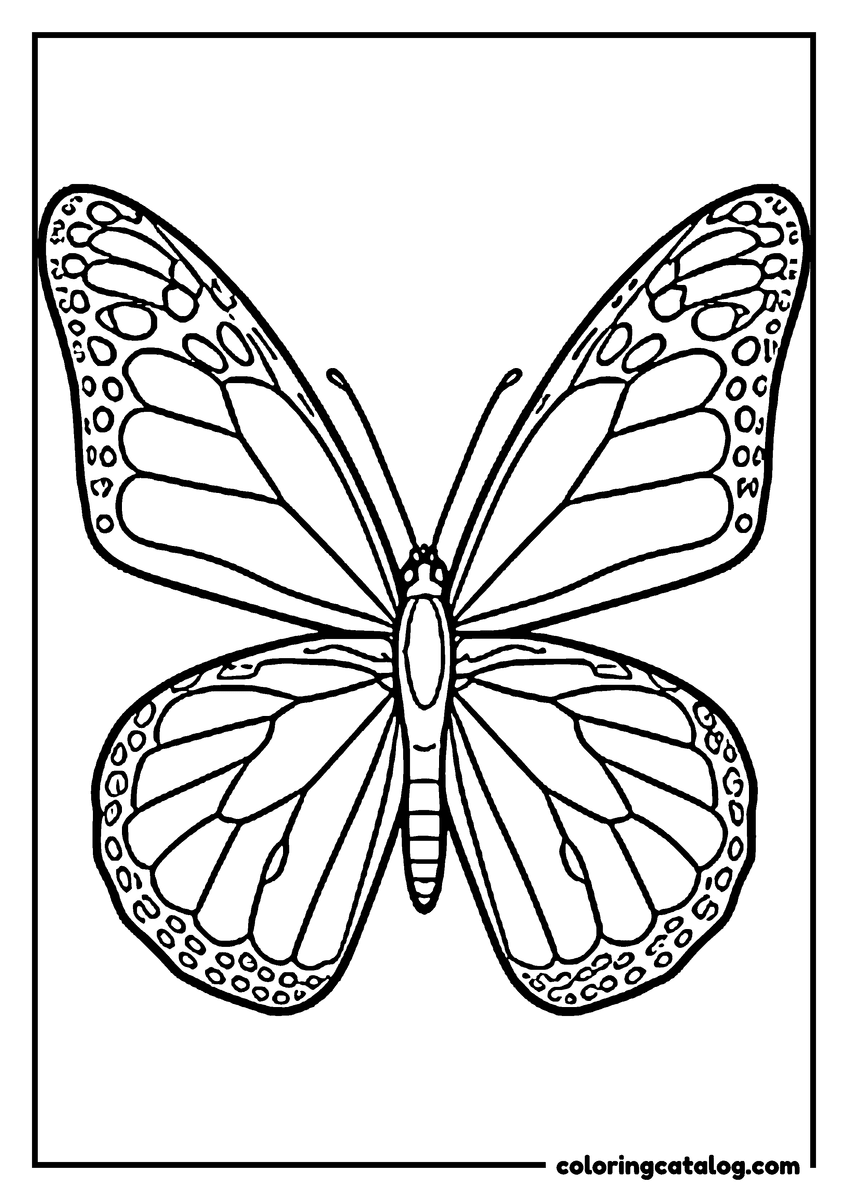
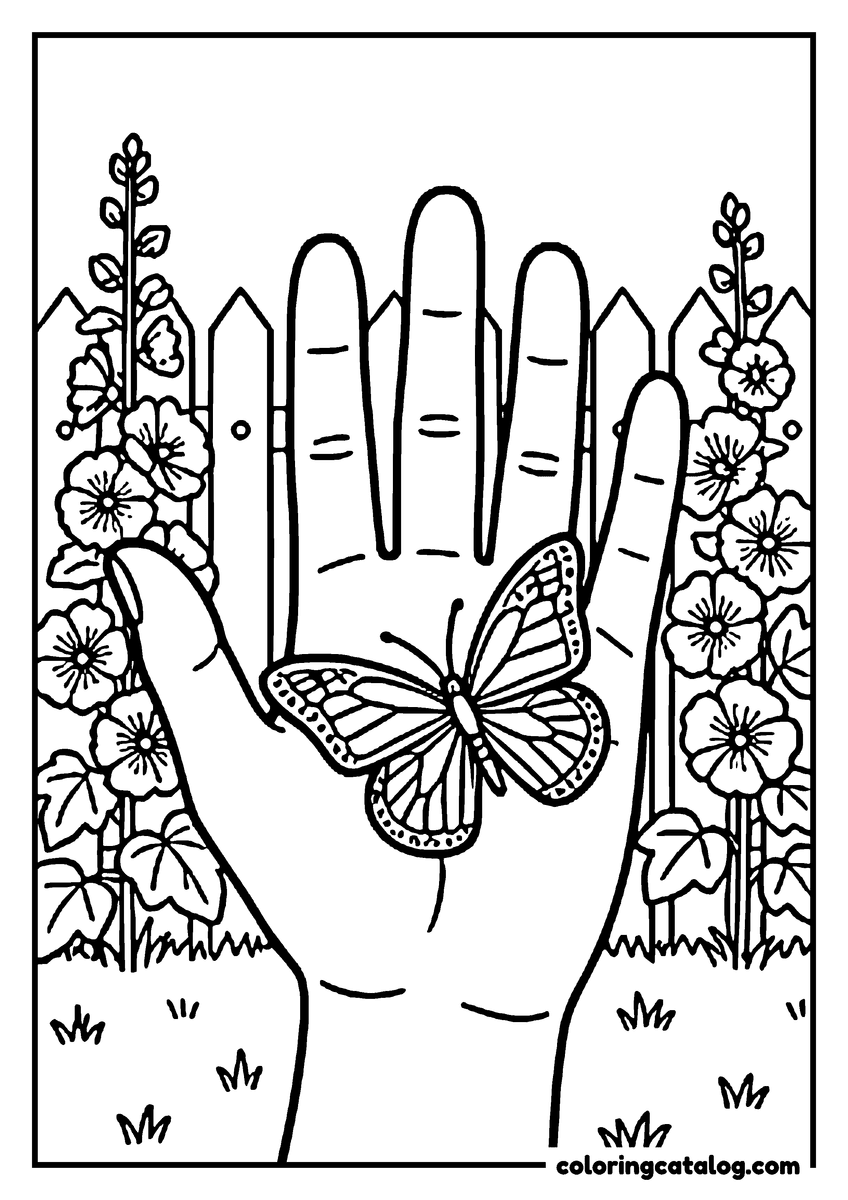
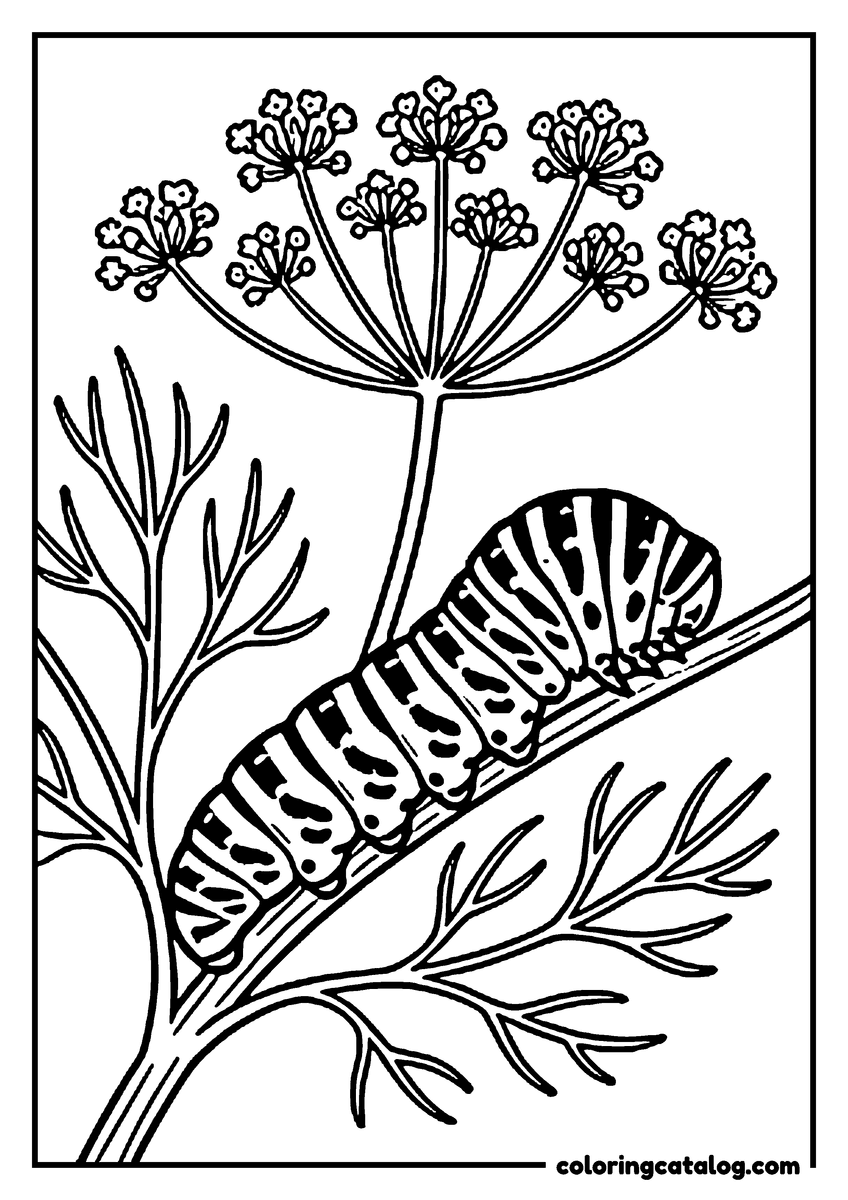
Real species with their markings drawn in, and patterned wings for anyone who wants an hour on one page.
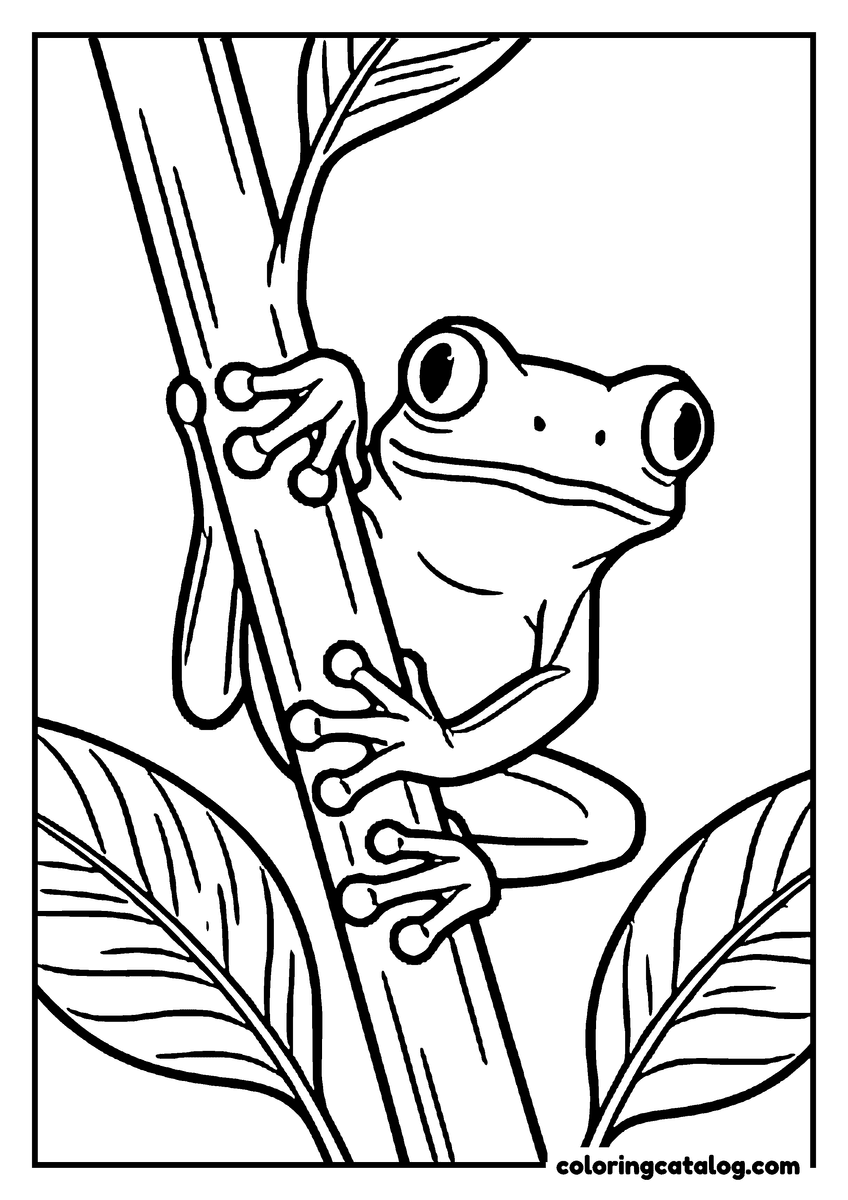
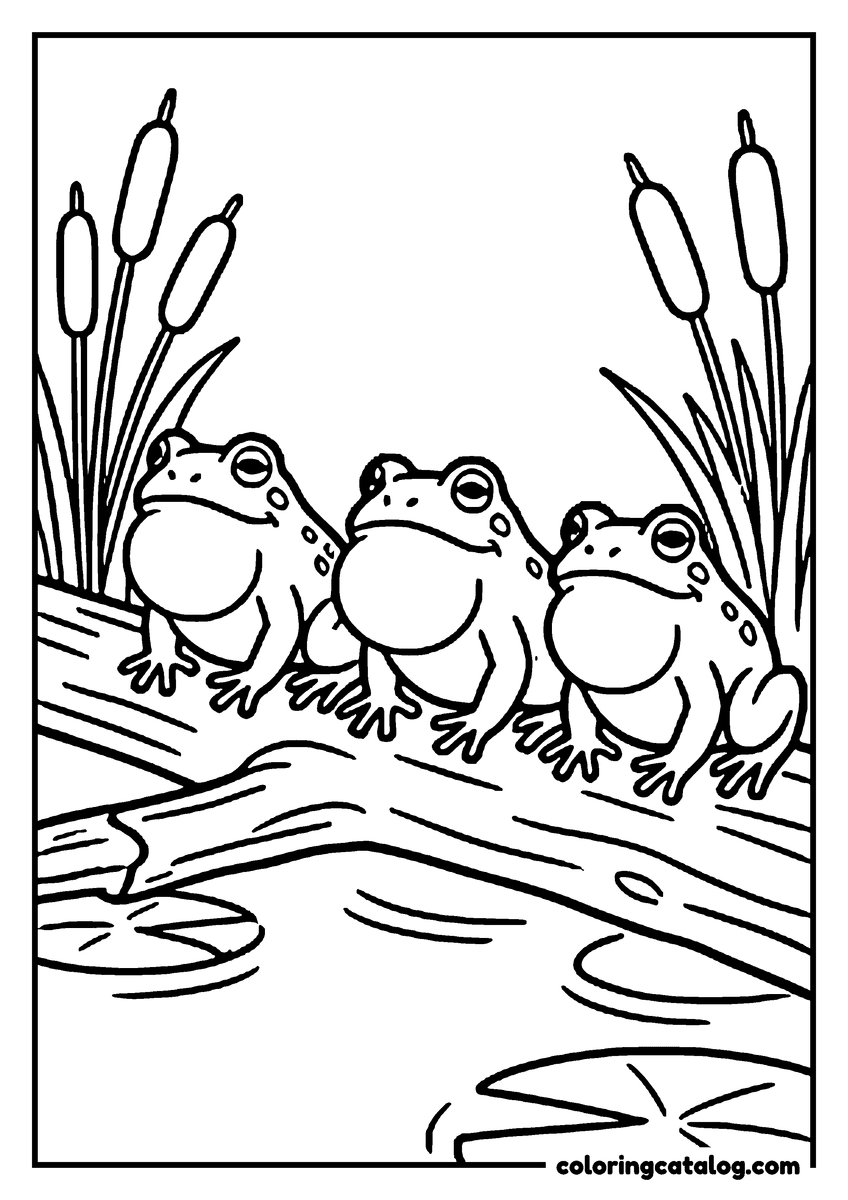
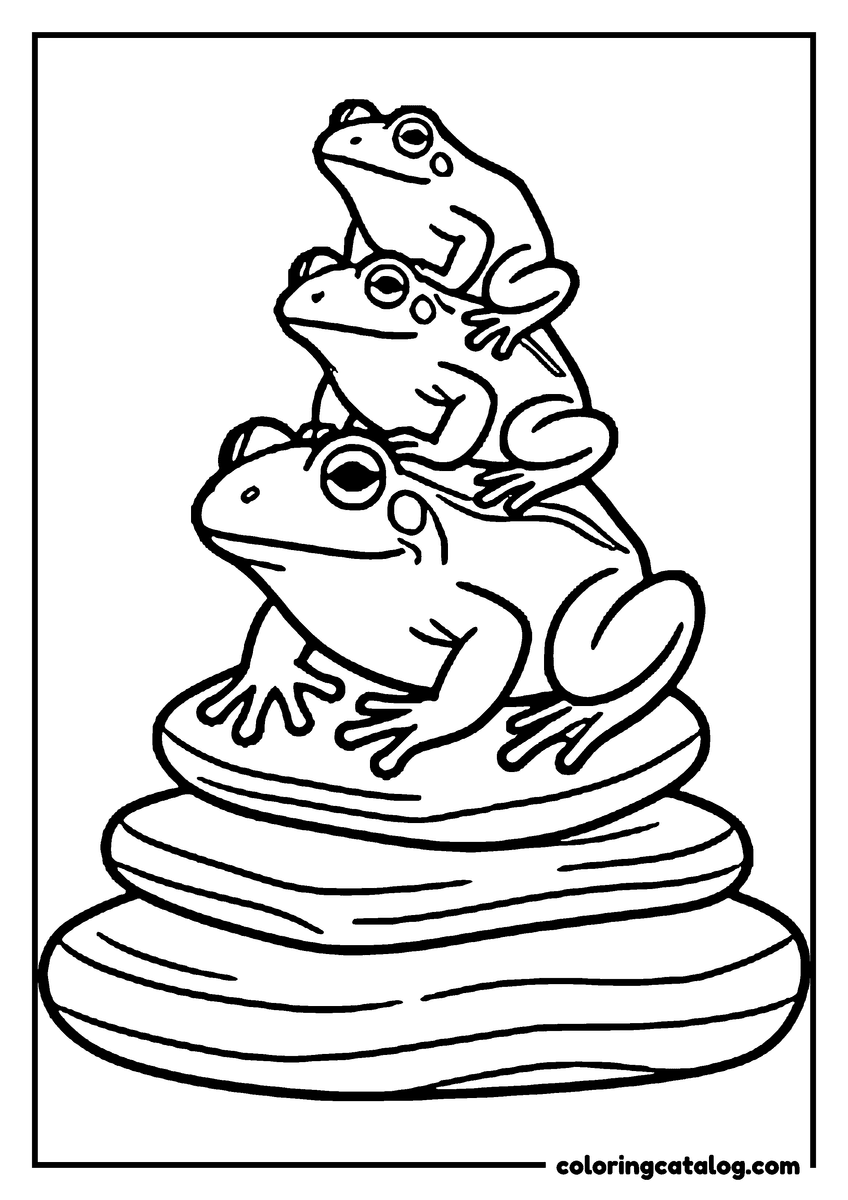
Real frogs from the rainforest and the garden pond, the whole life cycle, and a few frogs with somewhere to be.
Spotted toadstools, mushroom houses, forest finds and the small animals that live around them.


A single rose, a pot of pansies, and bouquets that take an afternoon.
Children who turn over stones in the garden will find their favorites here. These bug coloring pages keep each creature big enough to see its legs, wings and antennae, the way it looks through a magnifying glass.
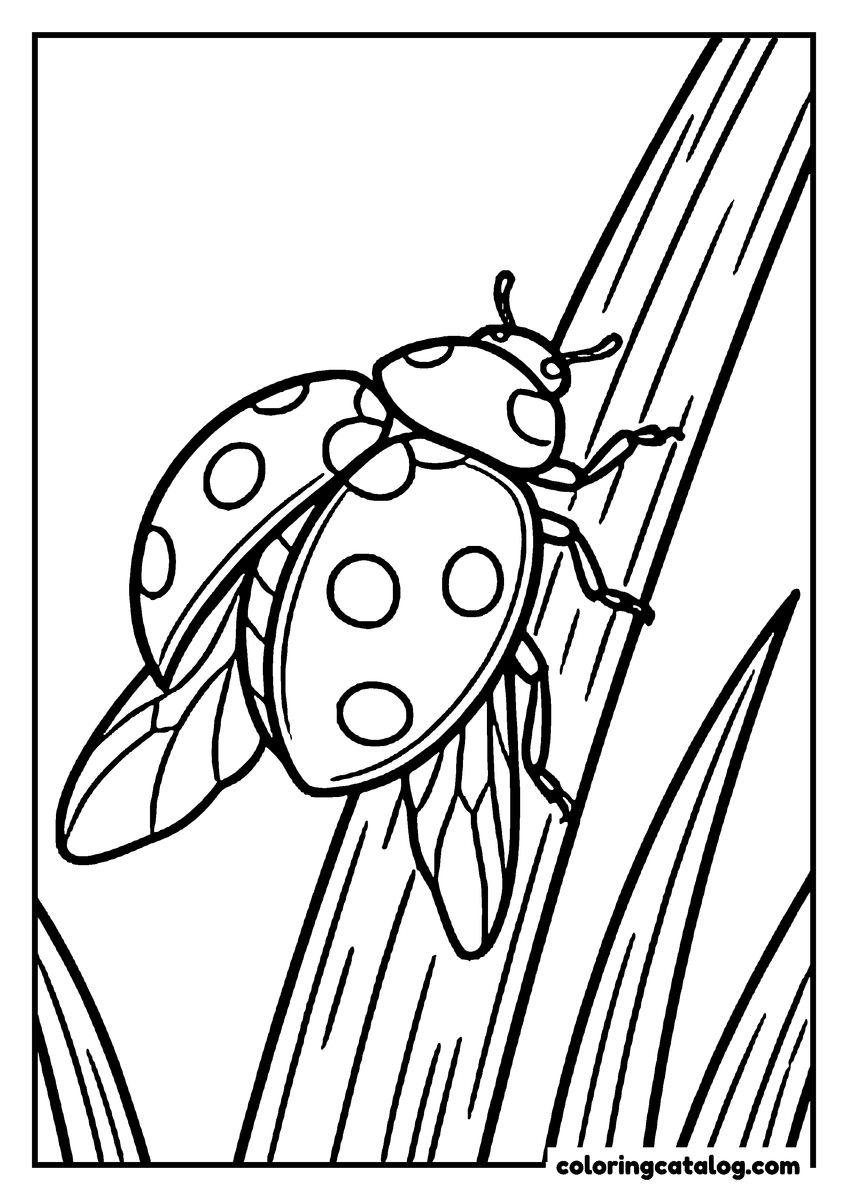
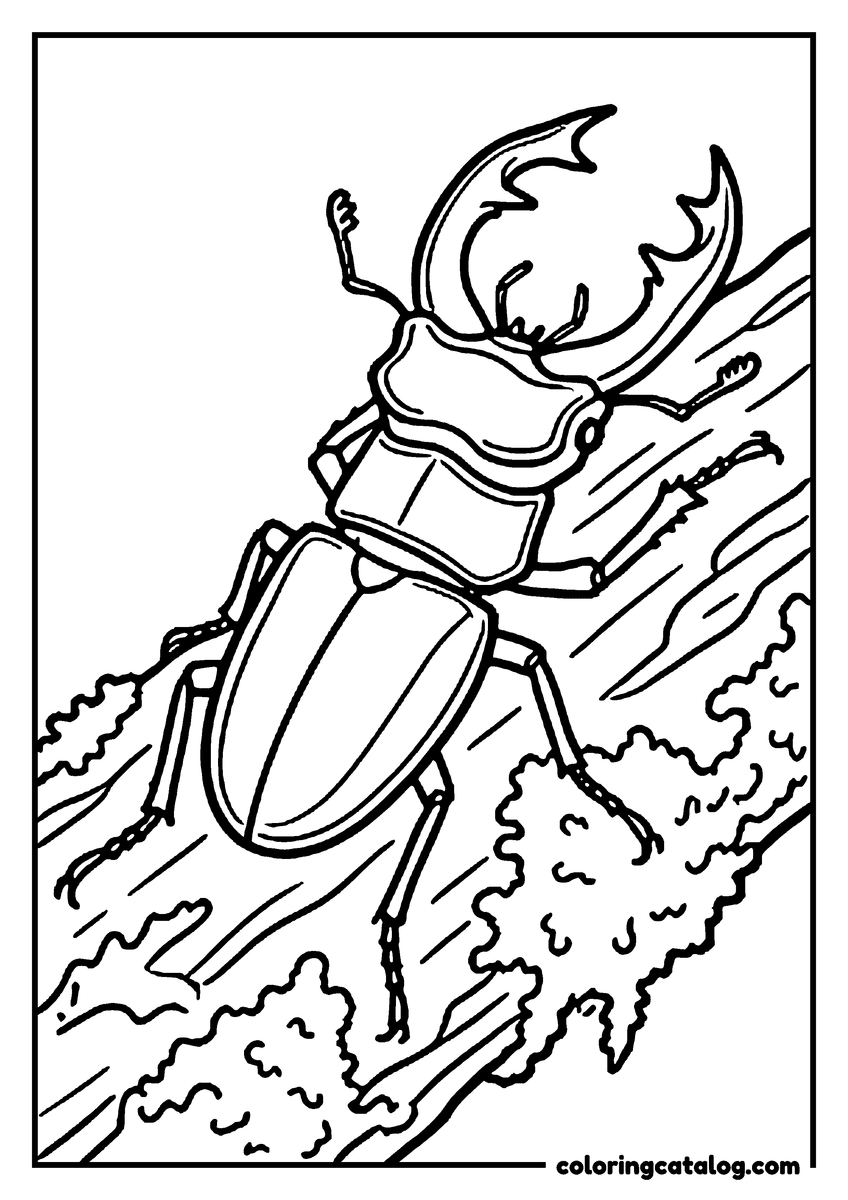
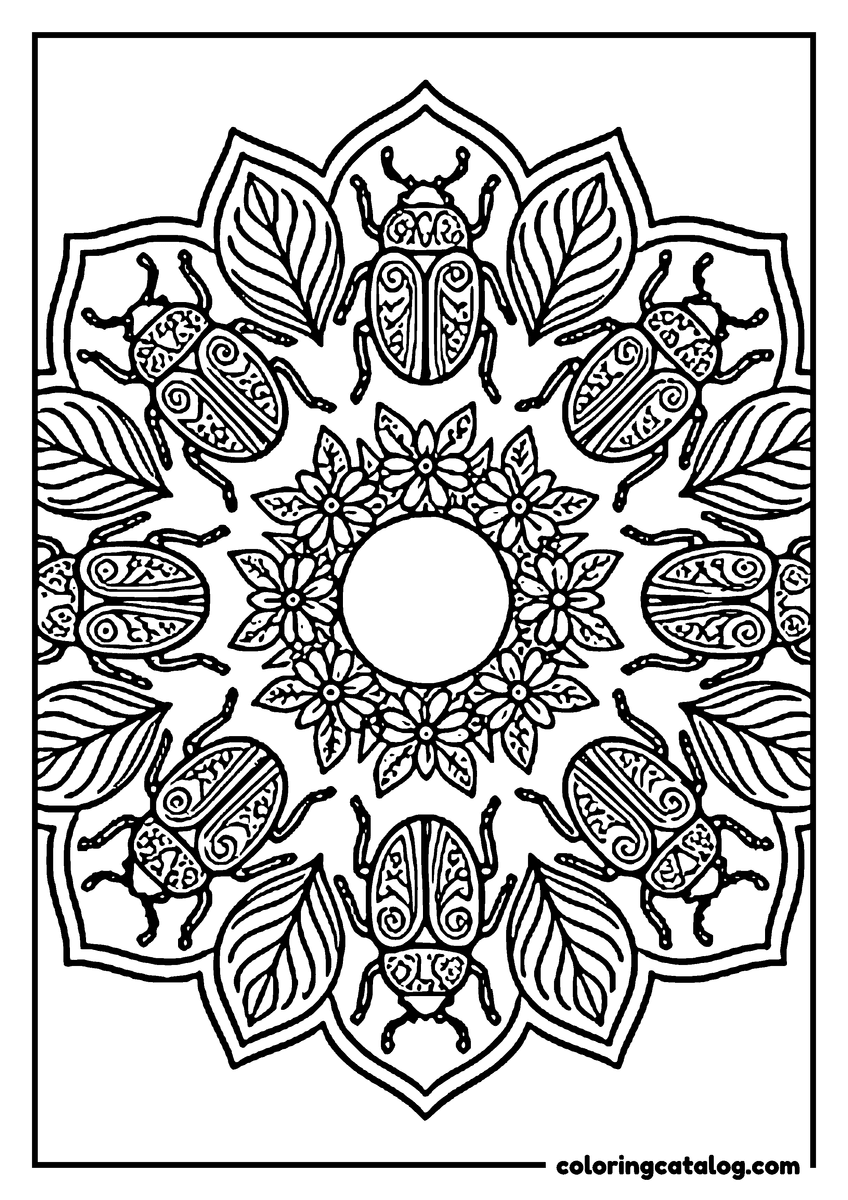
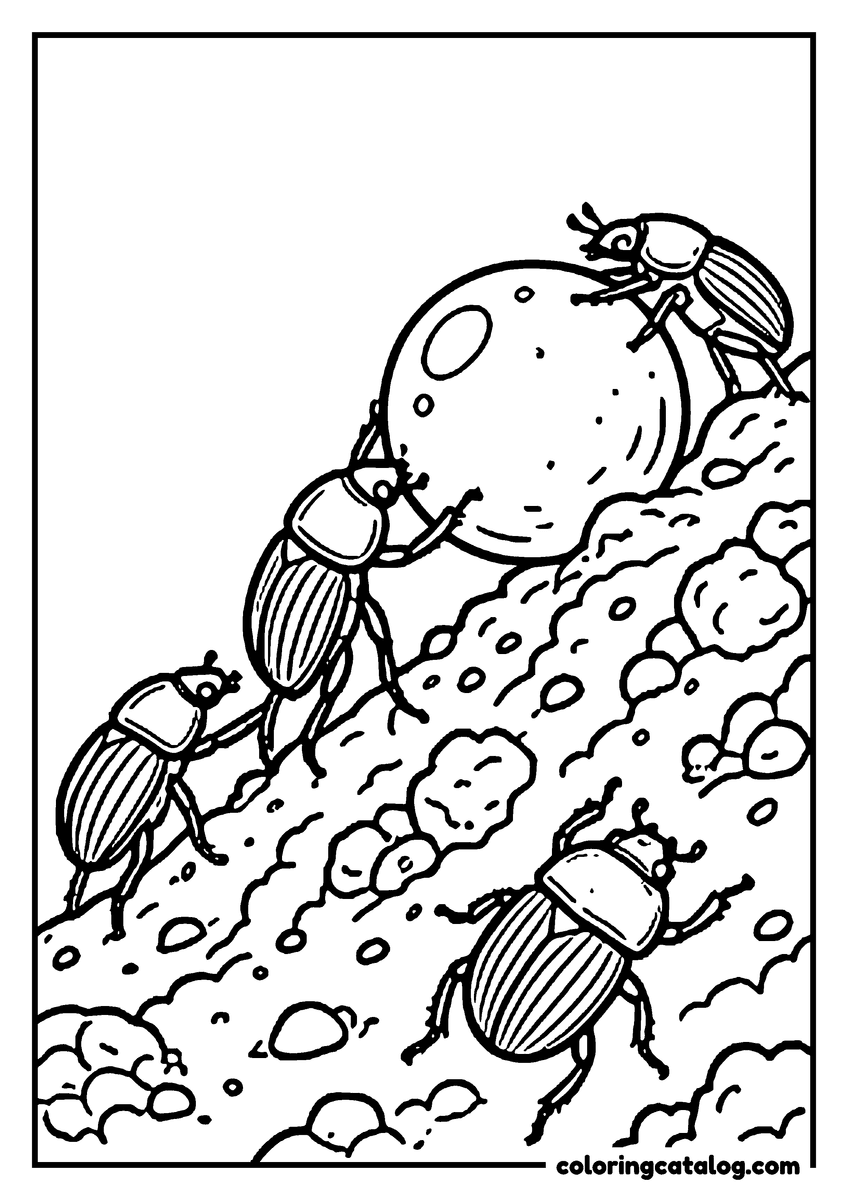
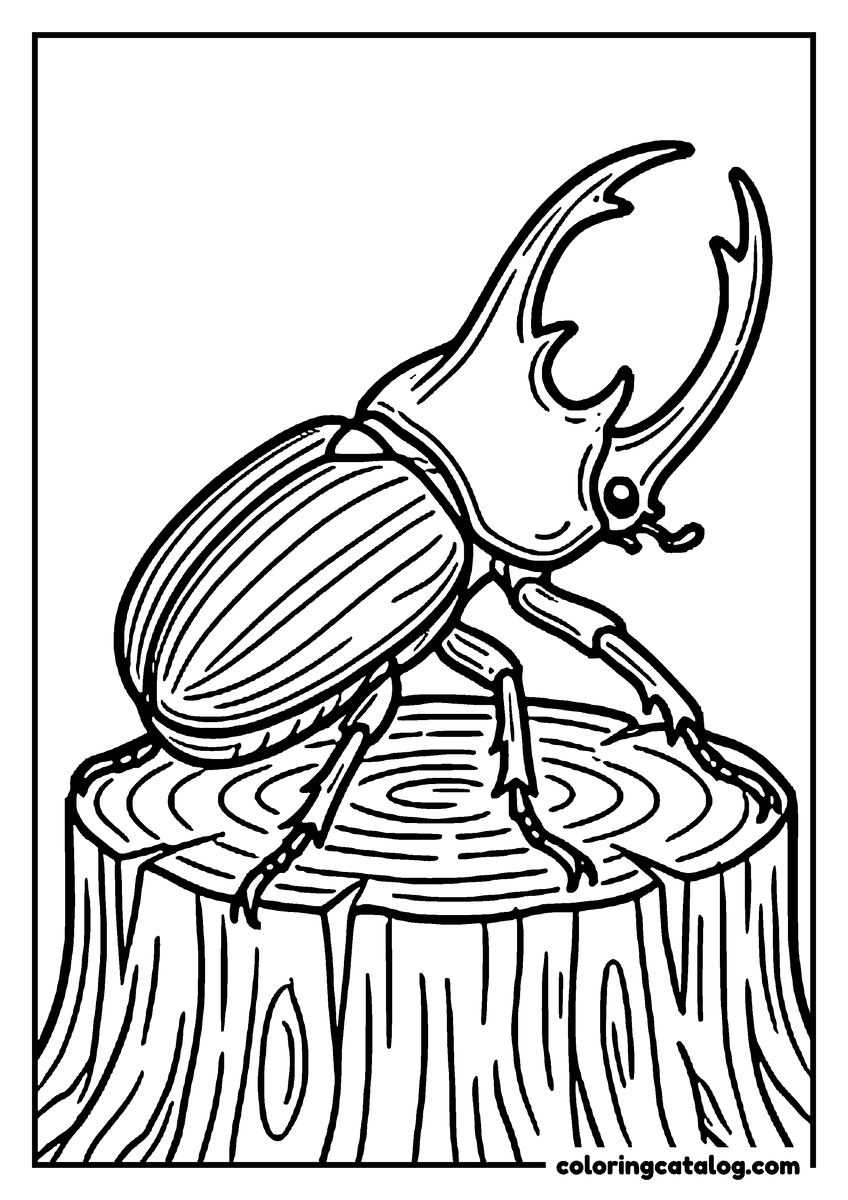
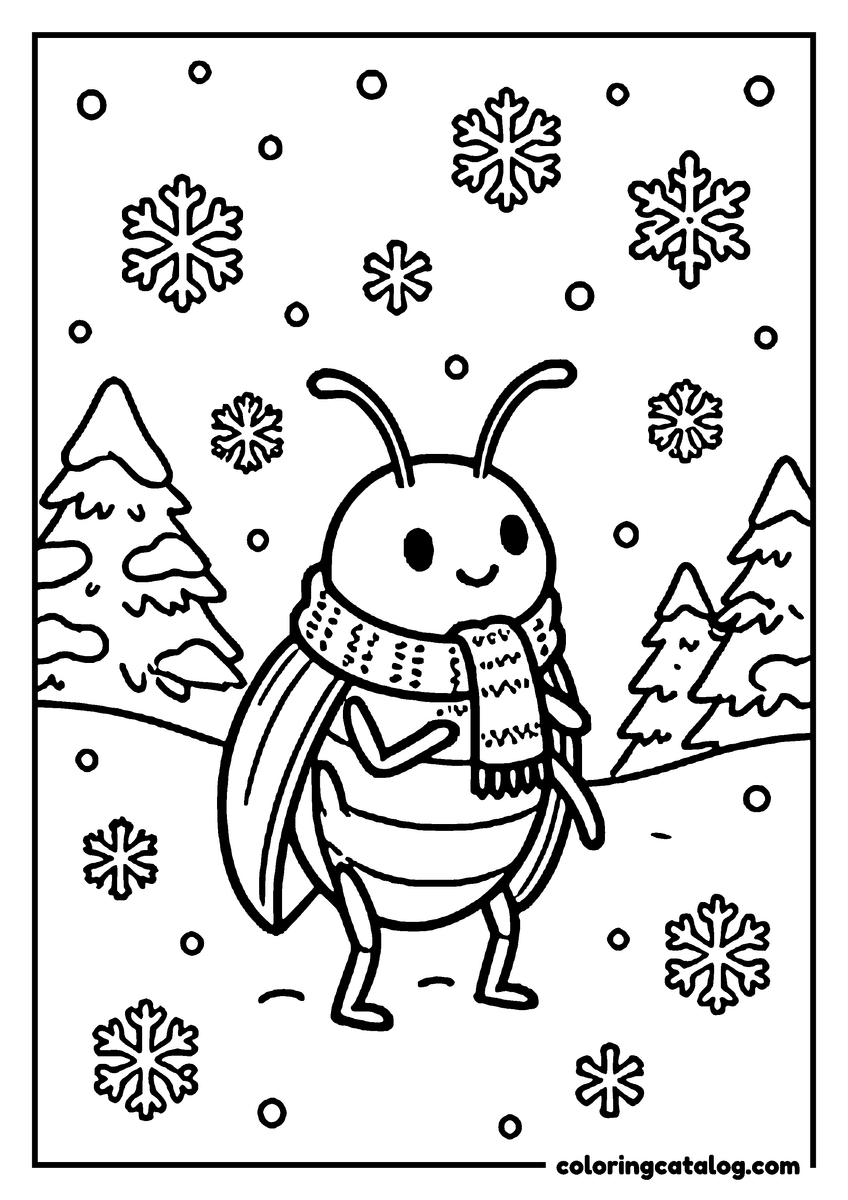
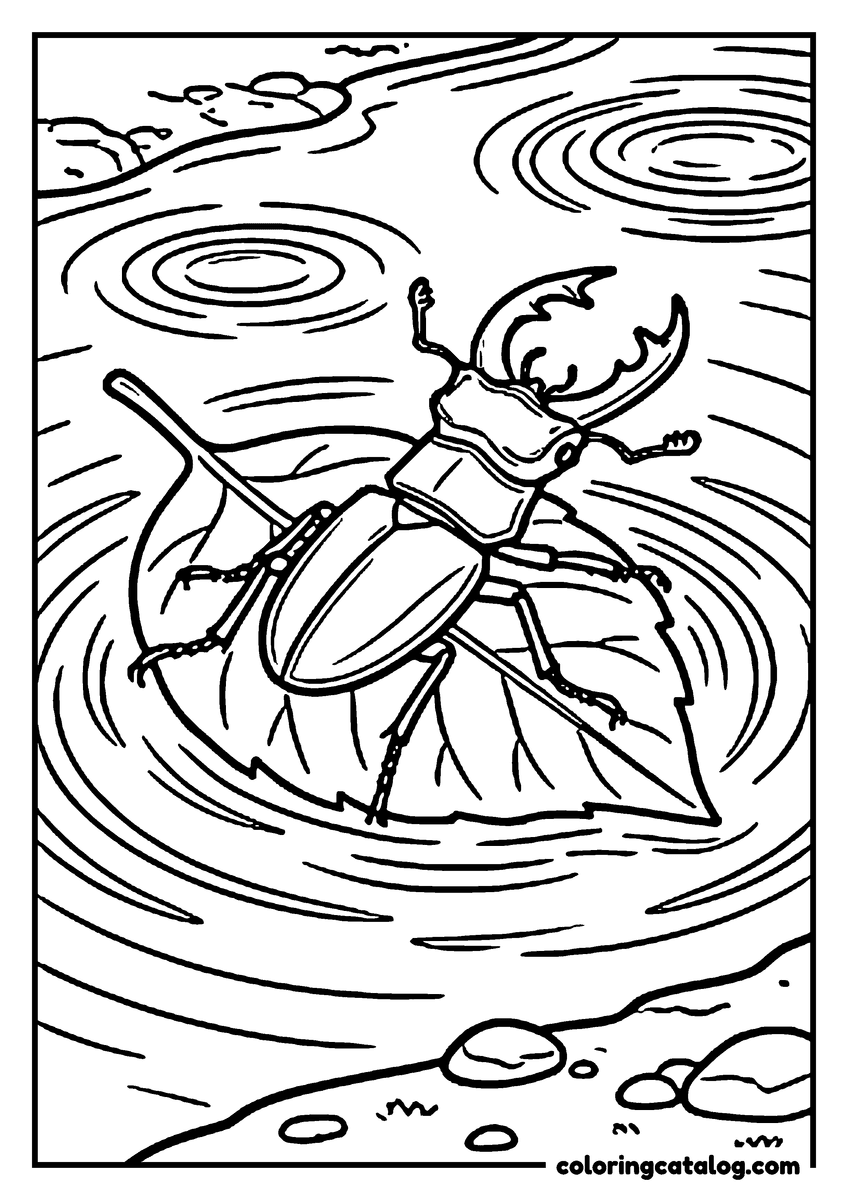
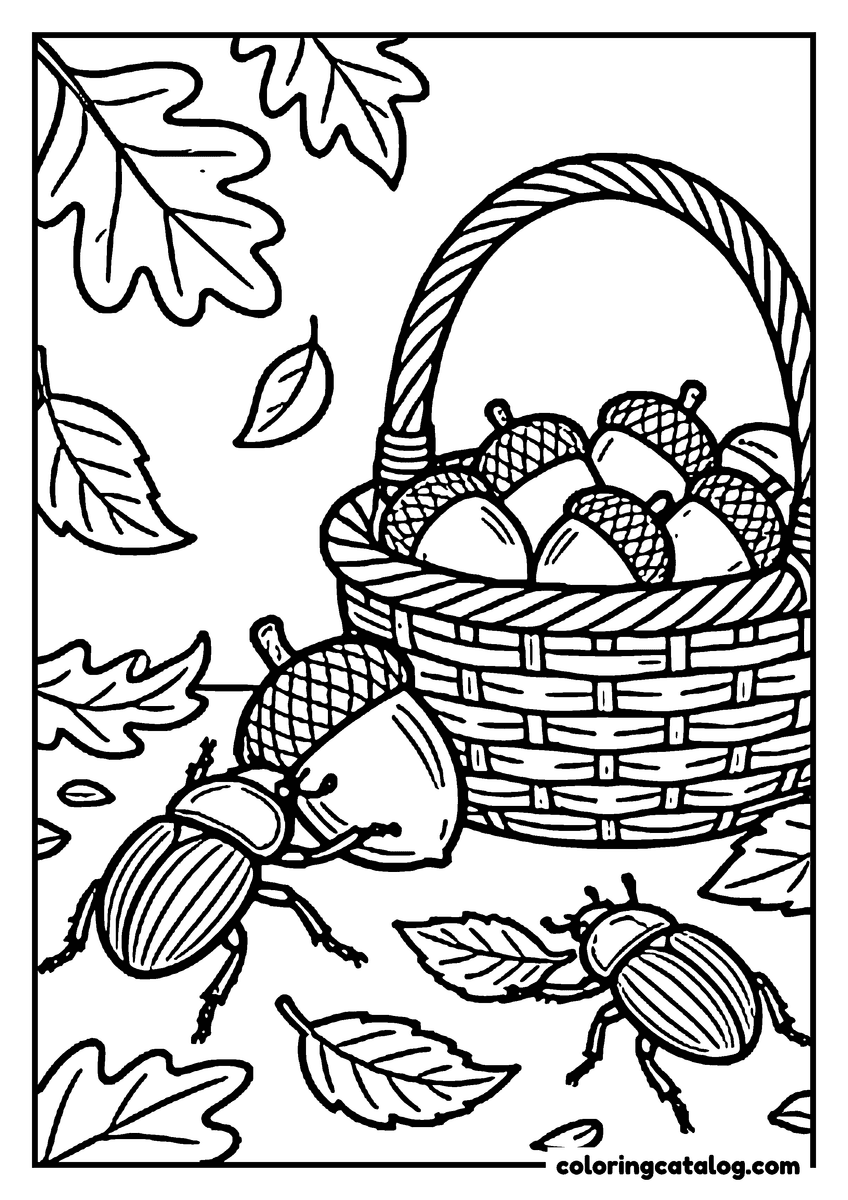
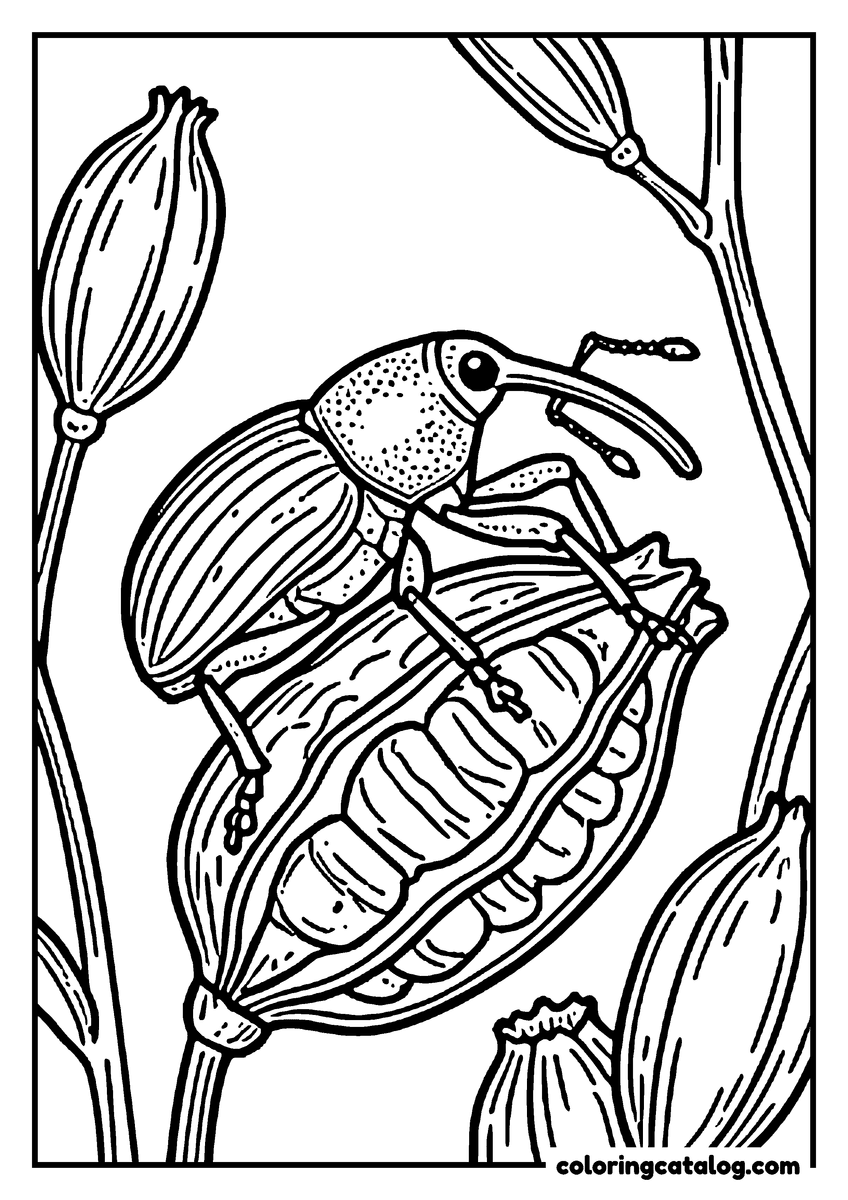
The beetles have the most pages. A ladybug climbs a blade of grass with its wing cases open, a stag beetle crawls along a mossy log, rides a floating leaf down a stream and fills a whole page seen from above, a rhinoceros beetle stands on a stump with its tall curved horn, a long-snouted weevil sits on a seed pod, and small beetles push a berry uphill, gather acorns into a basket and wear a knitted scarf in the snow. A beetle mandala arranges them in a ring of leaves and flowers.
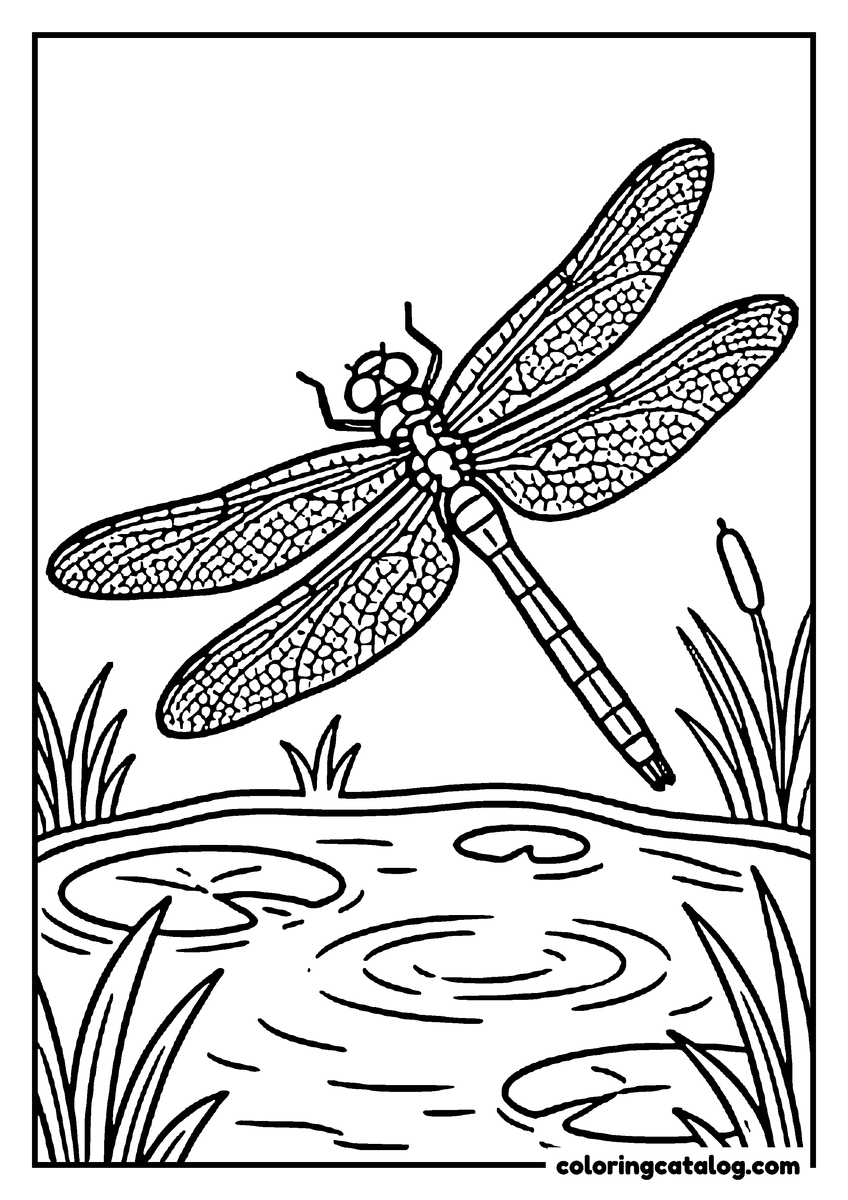
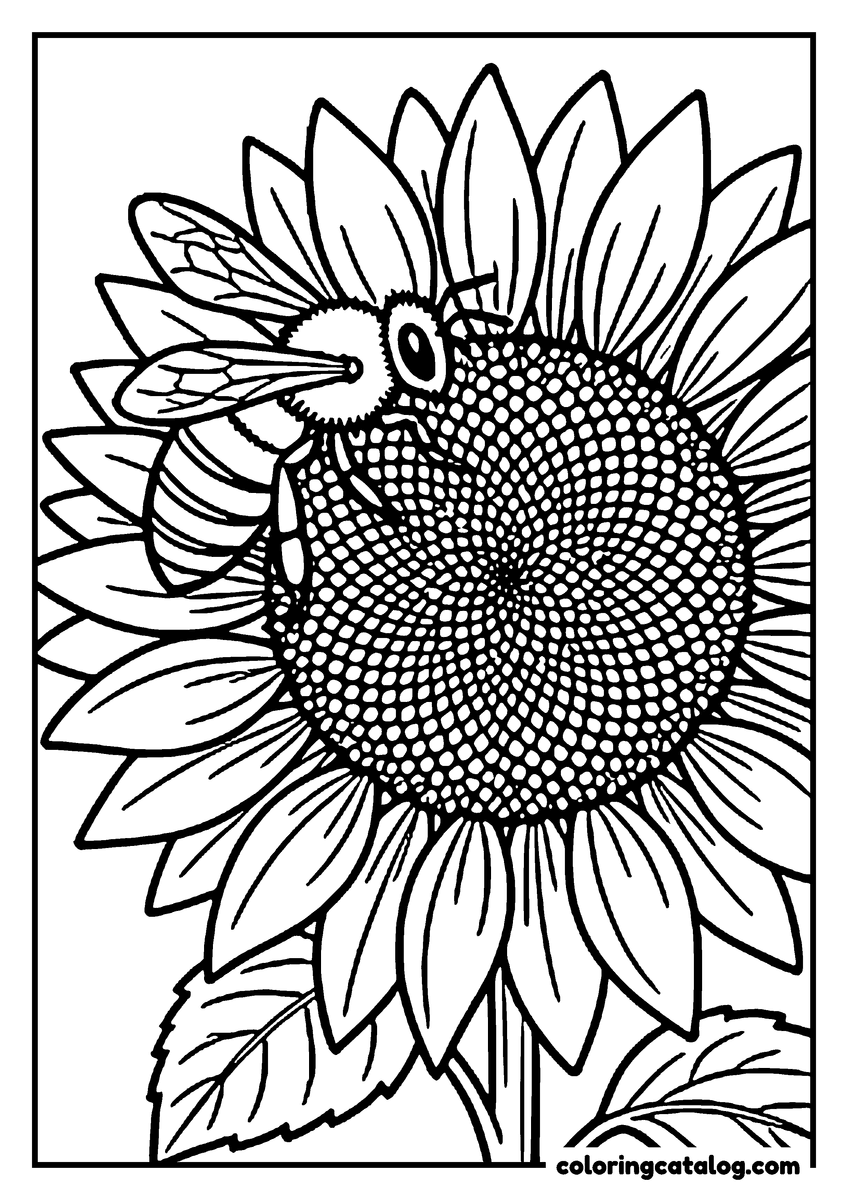
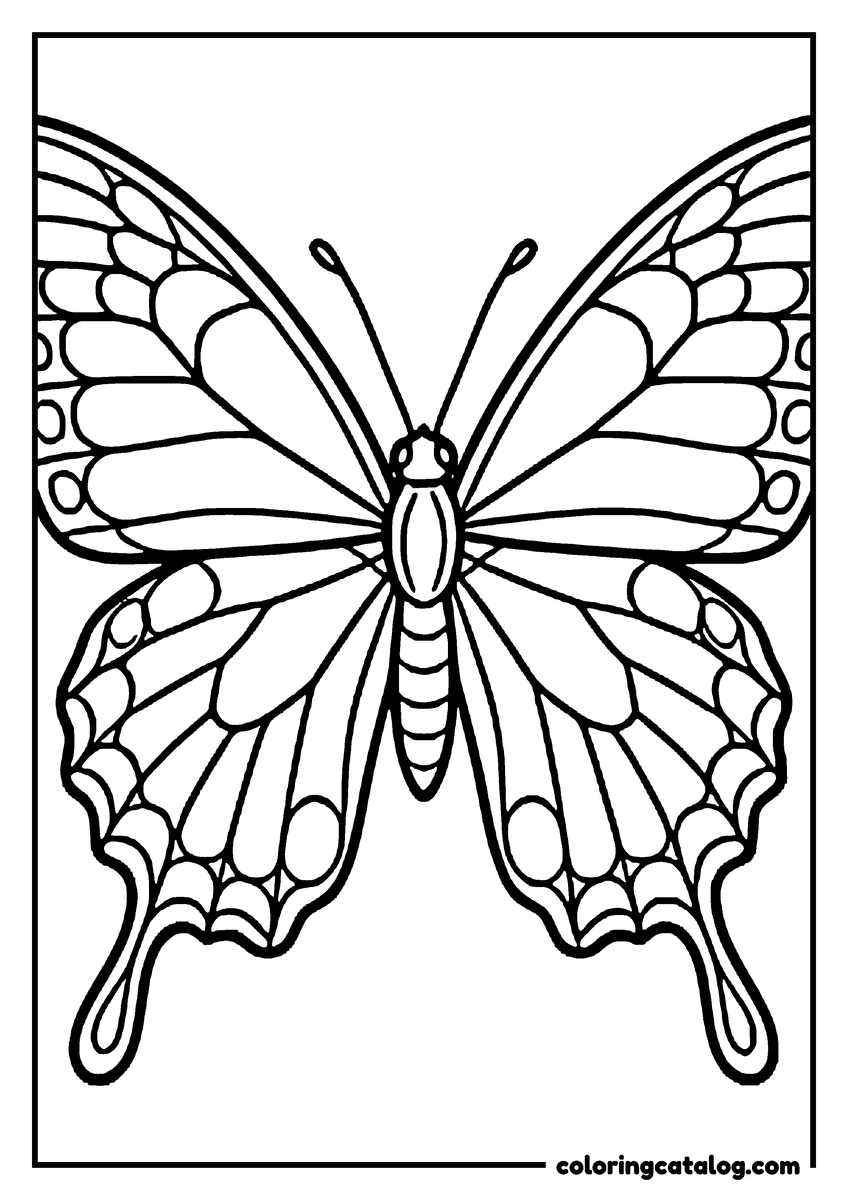
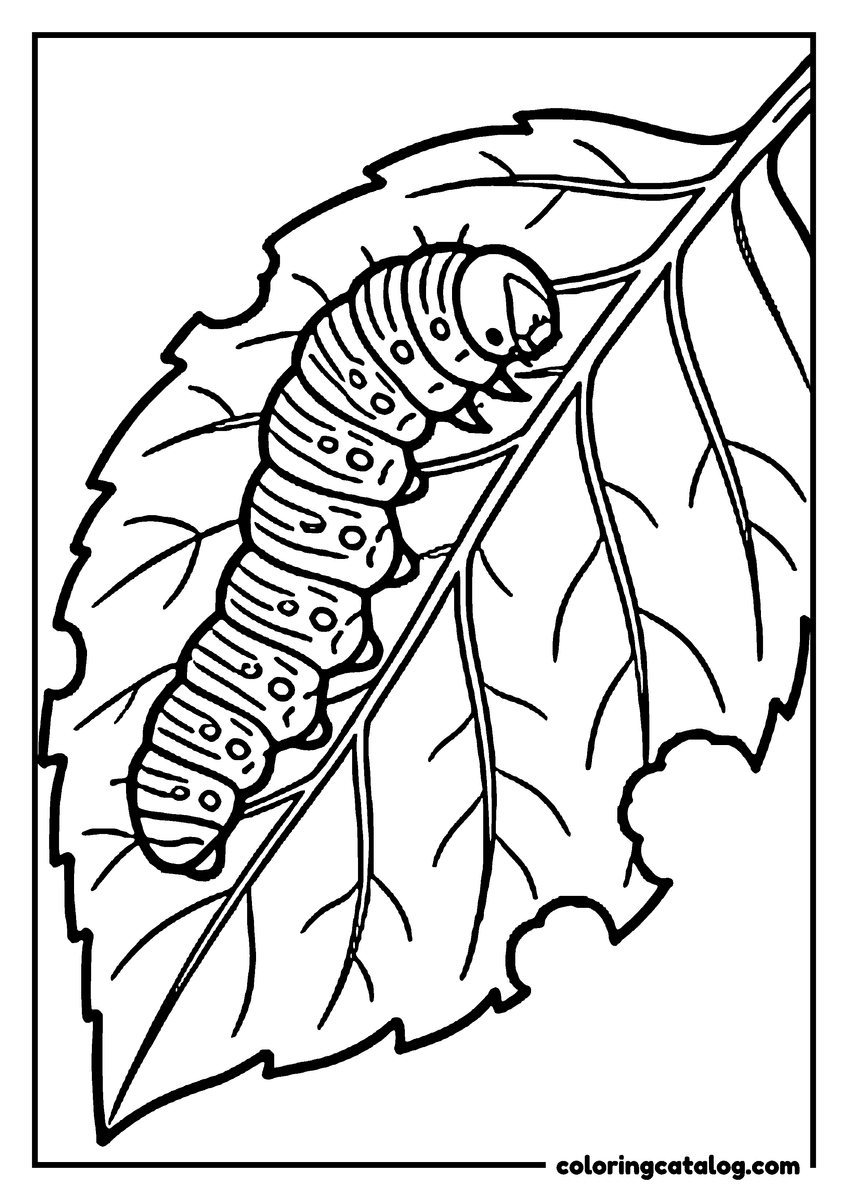
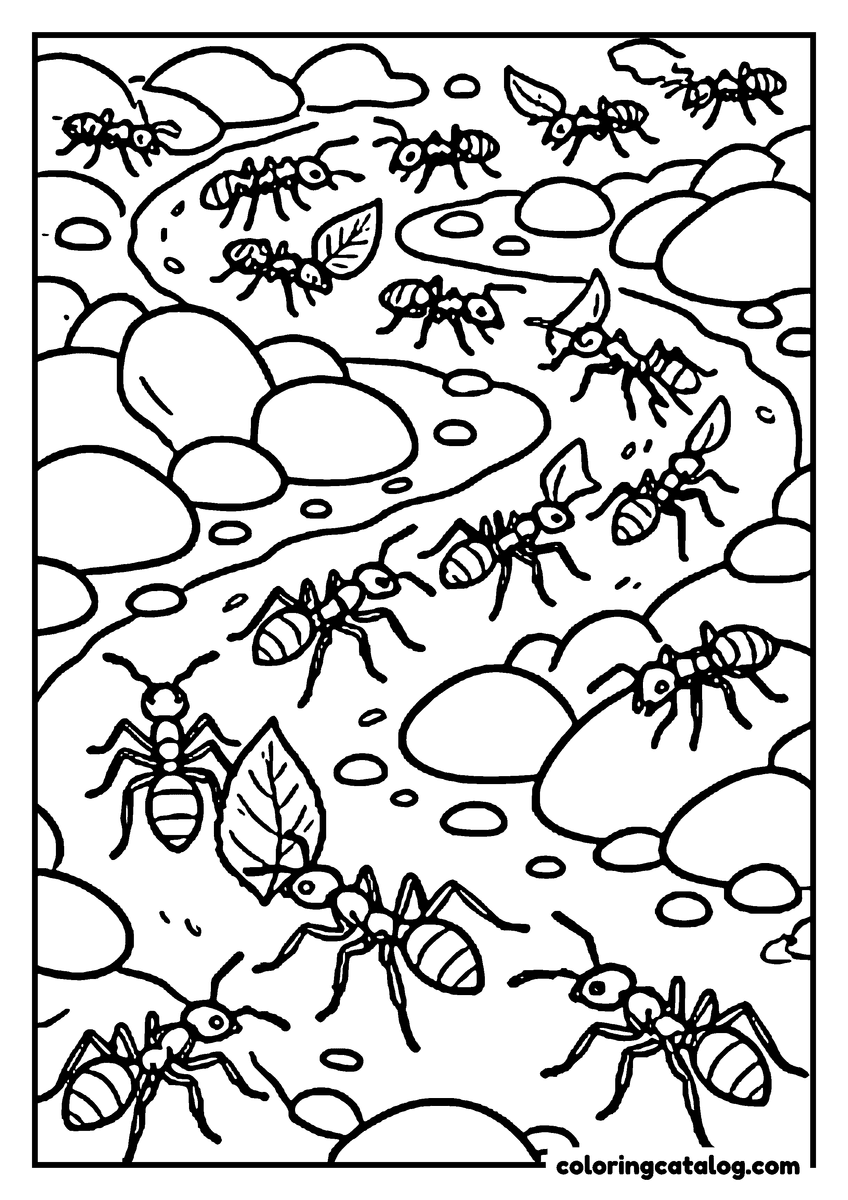
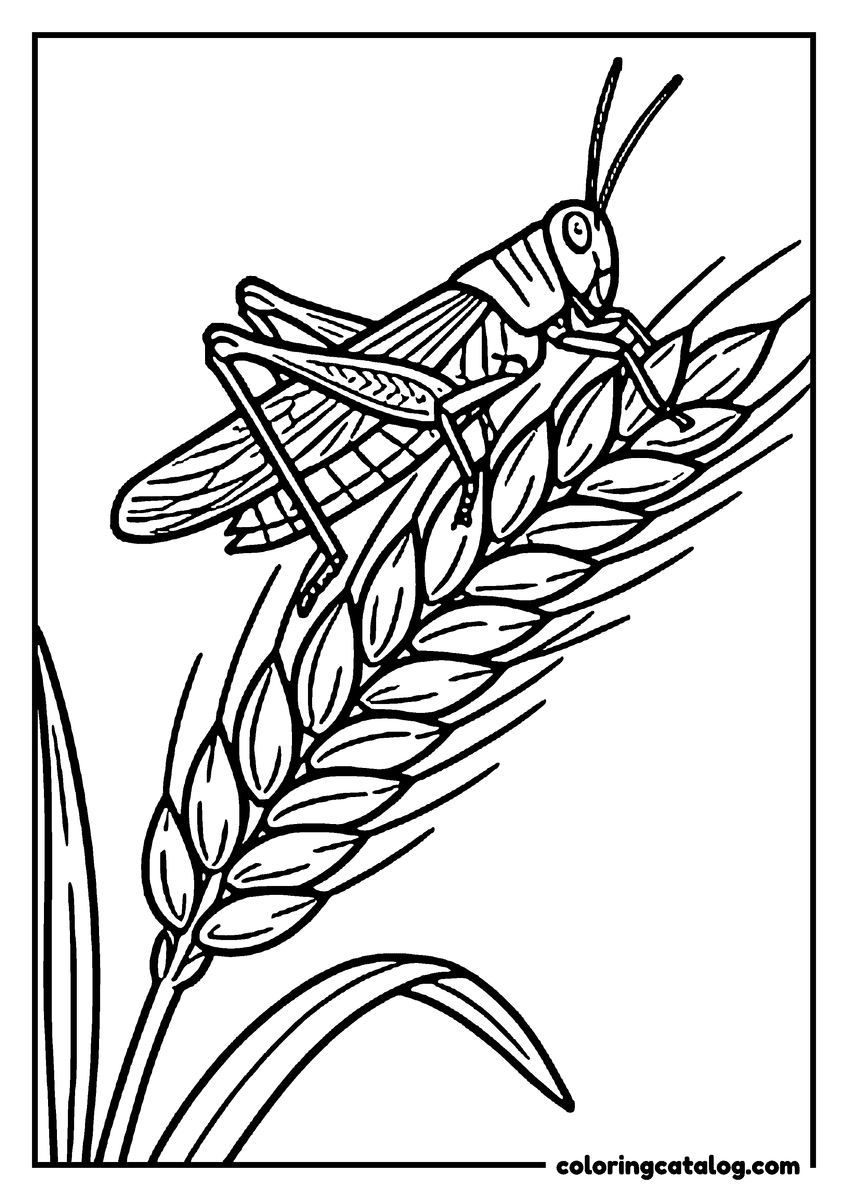
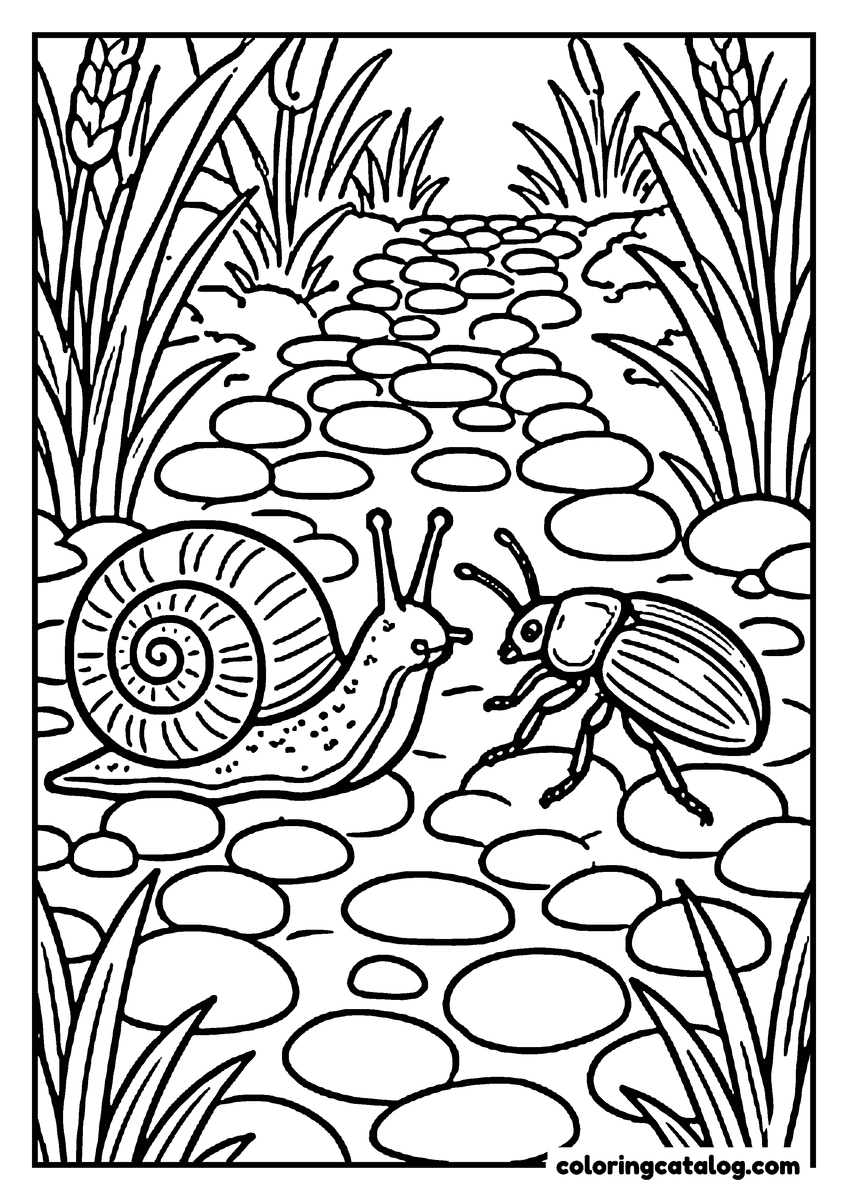
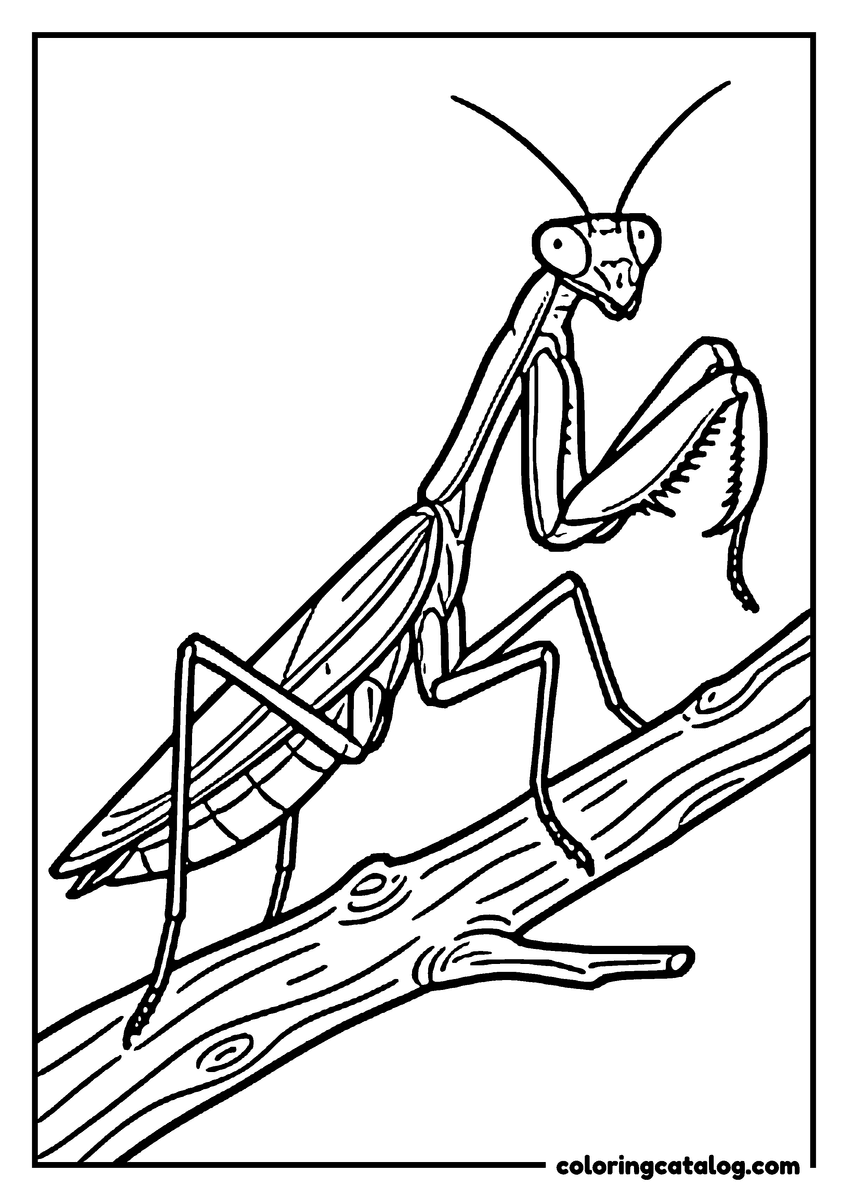
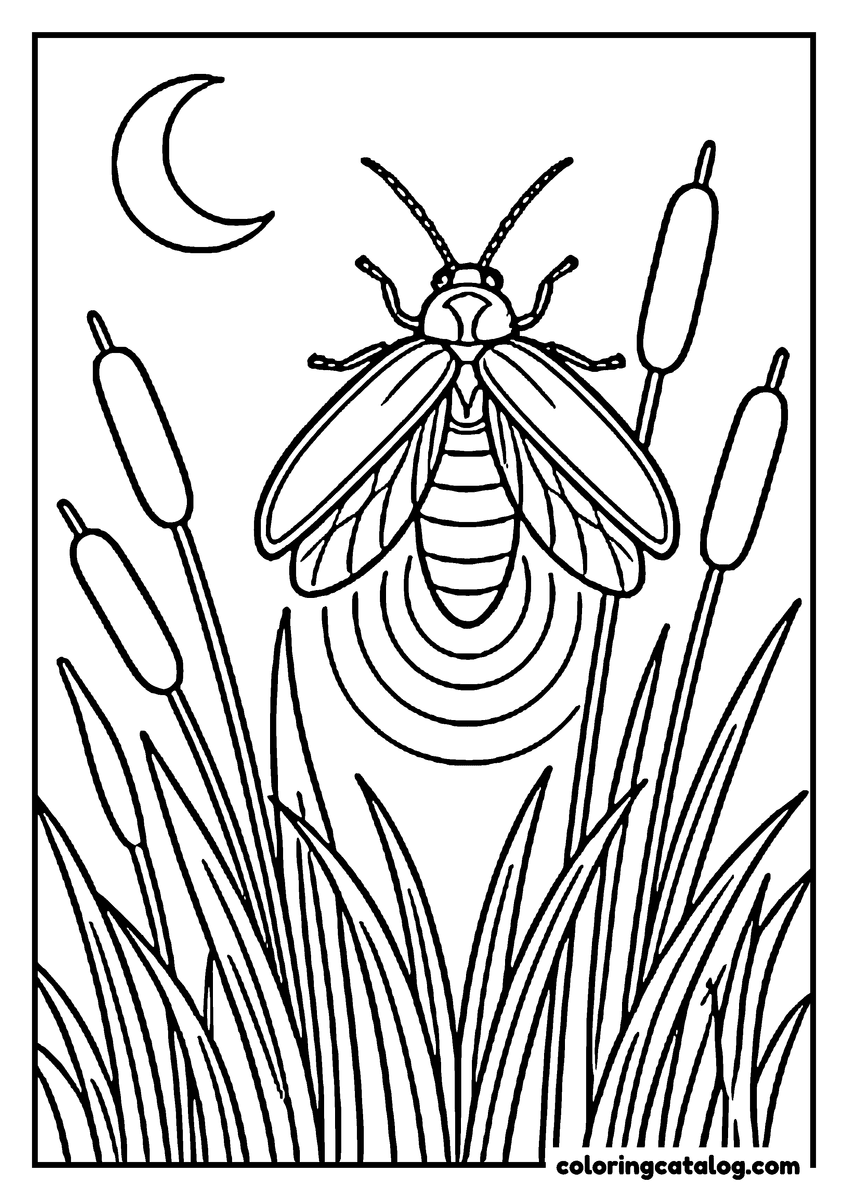
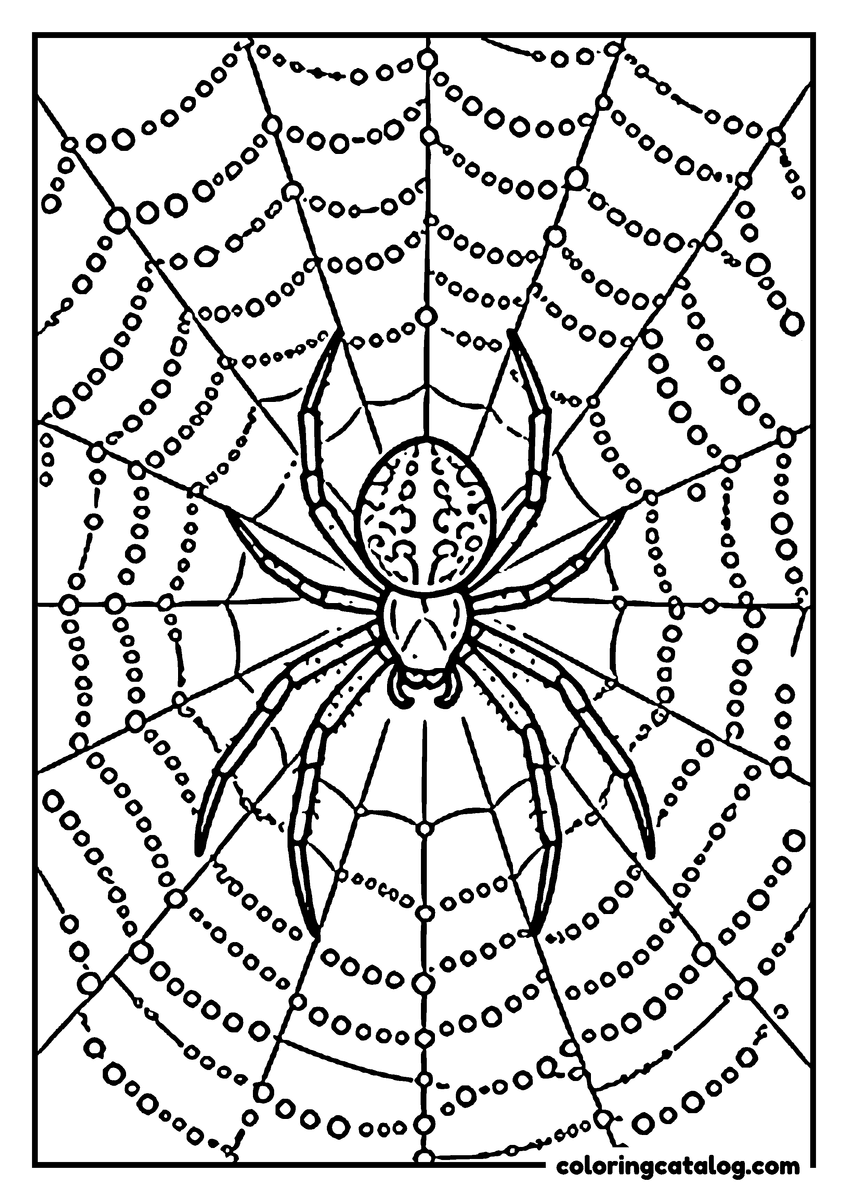
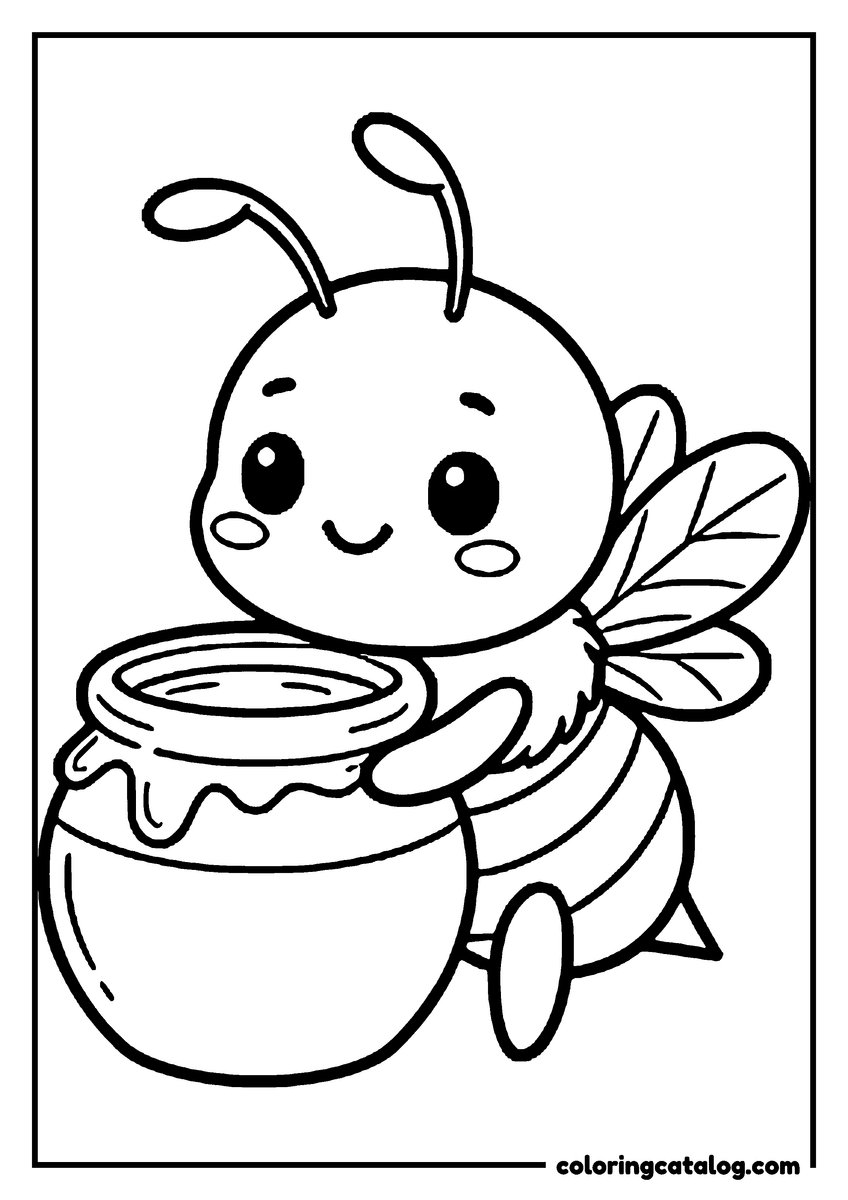
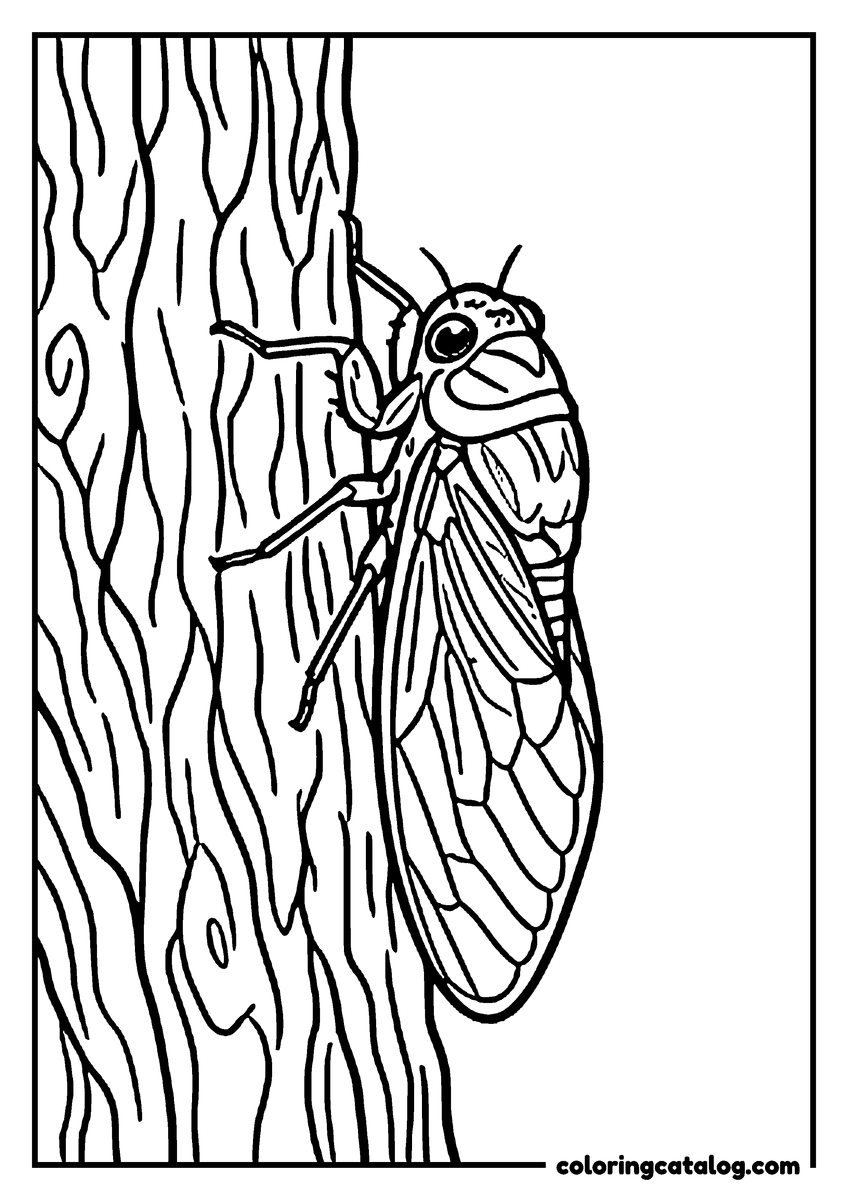
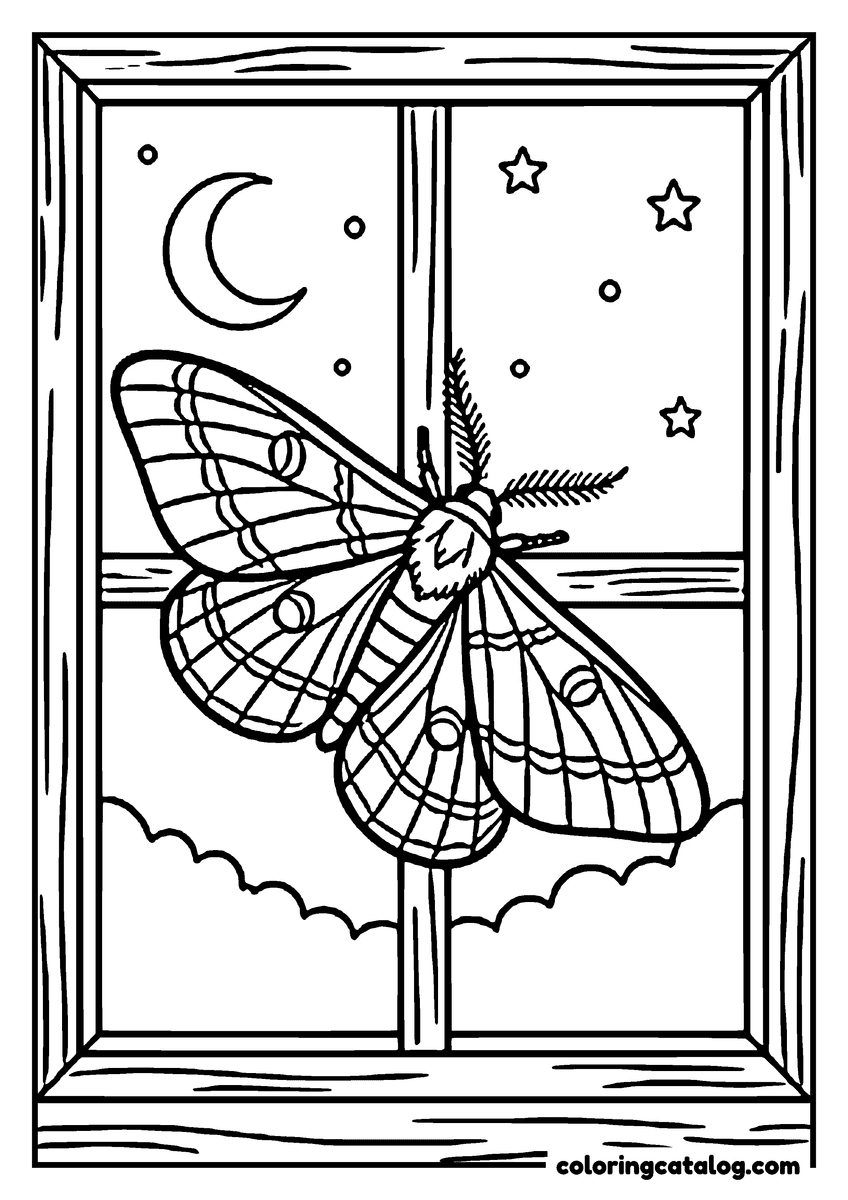
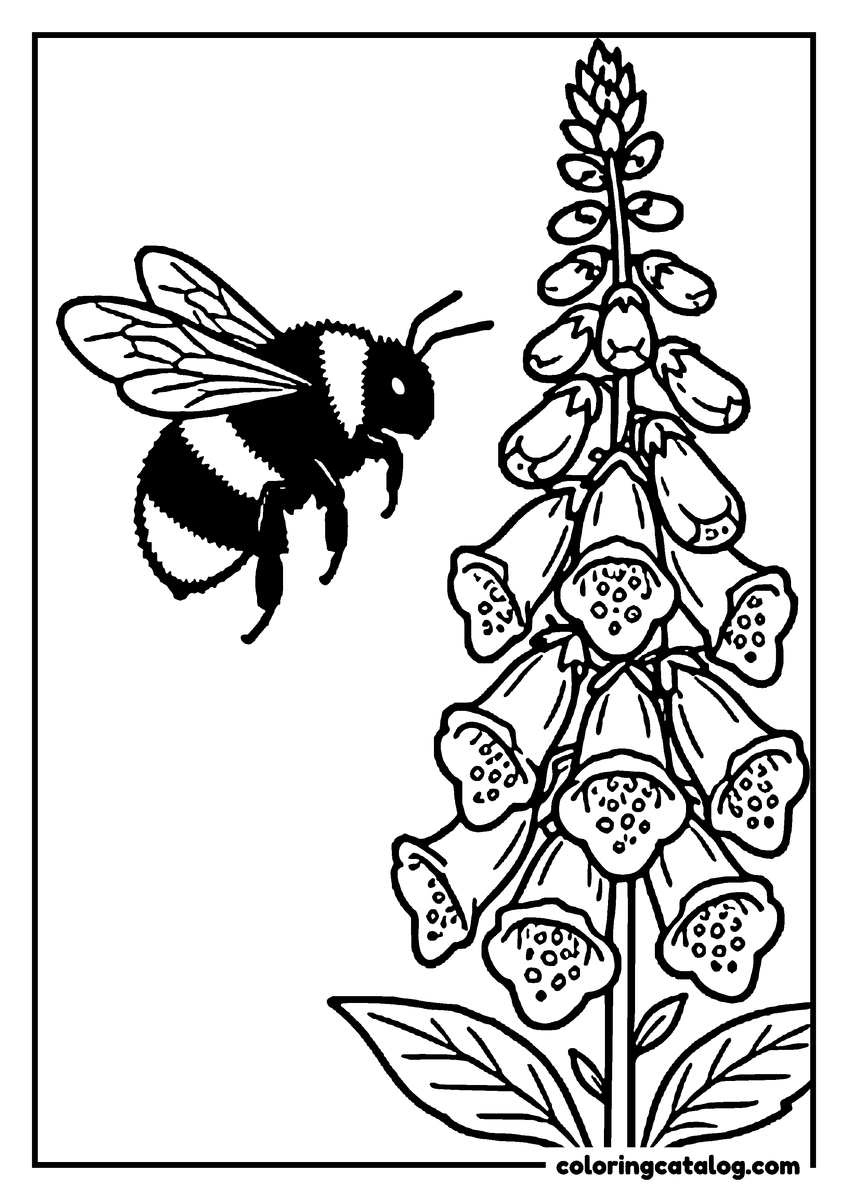
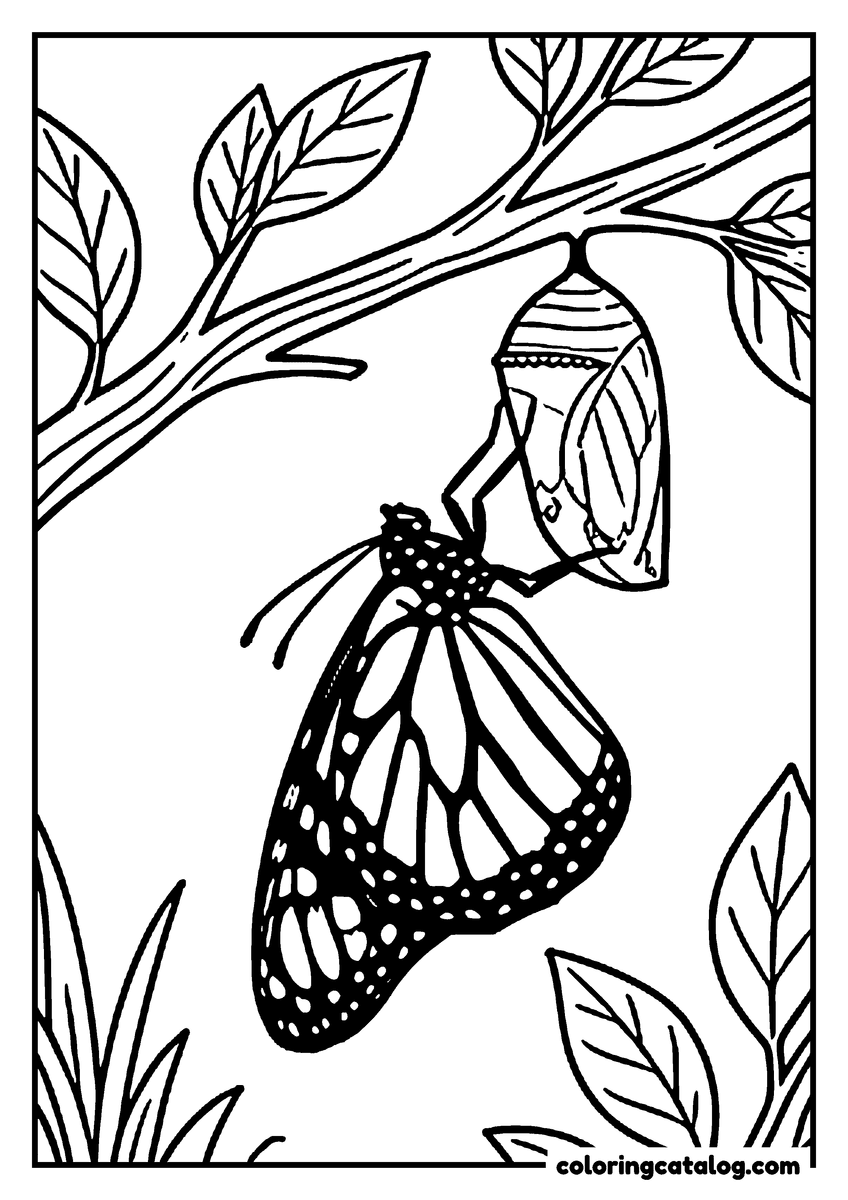
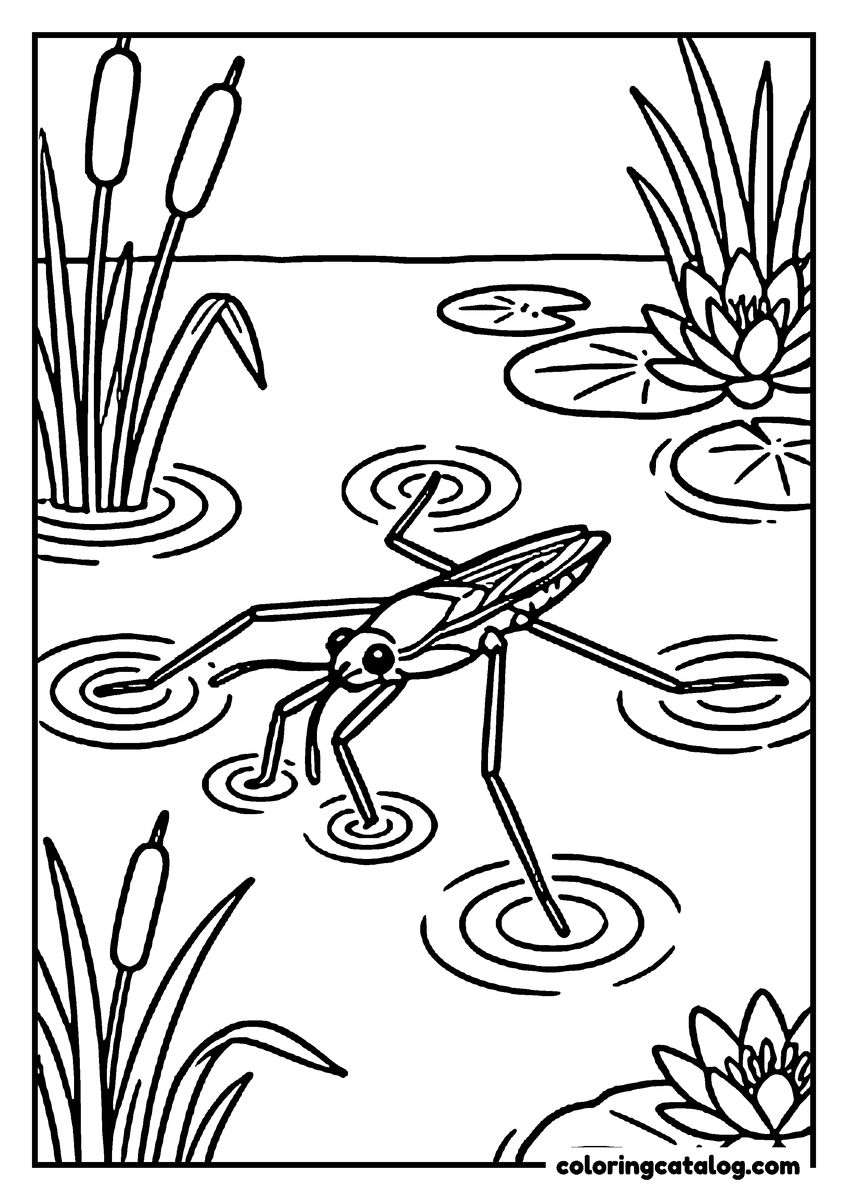
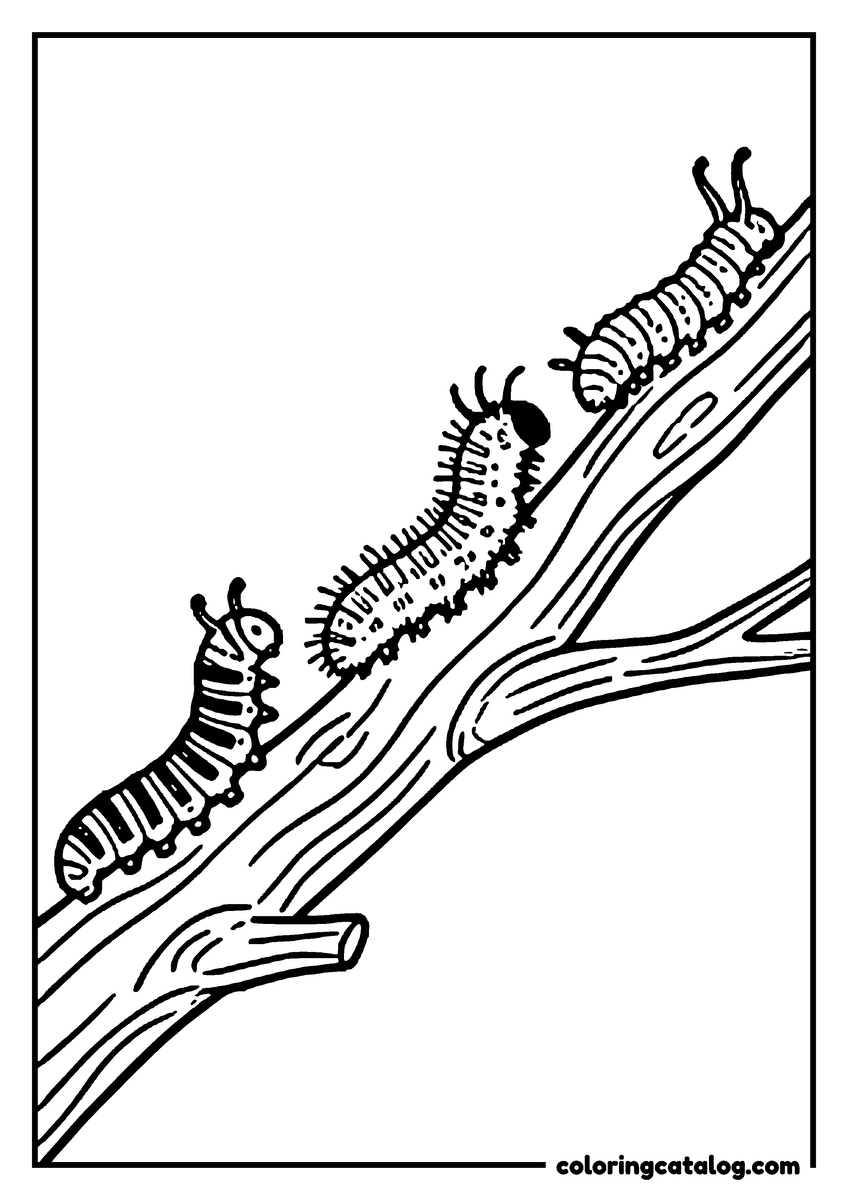
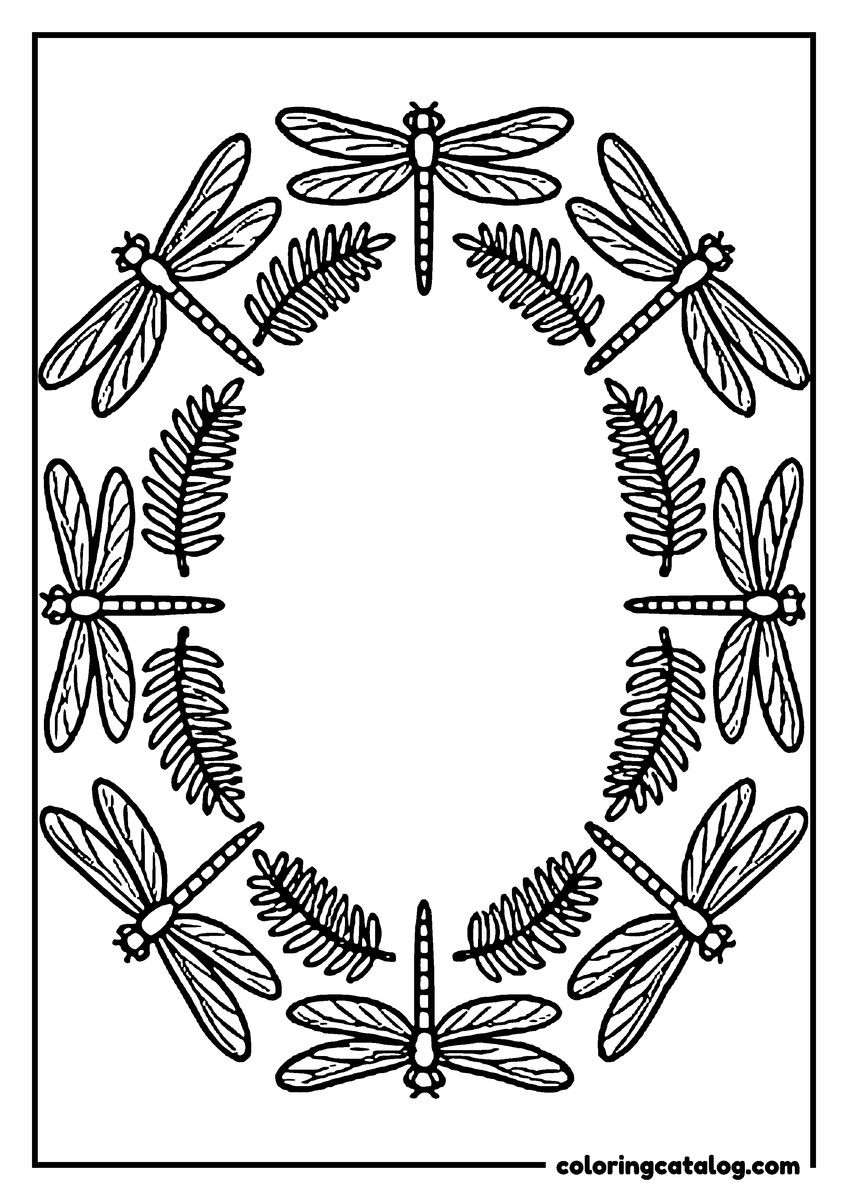
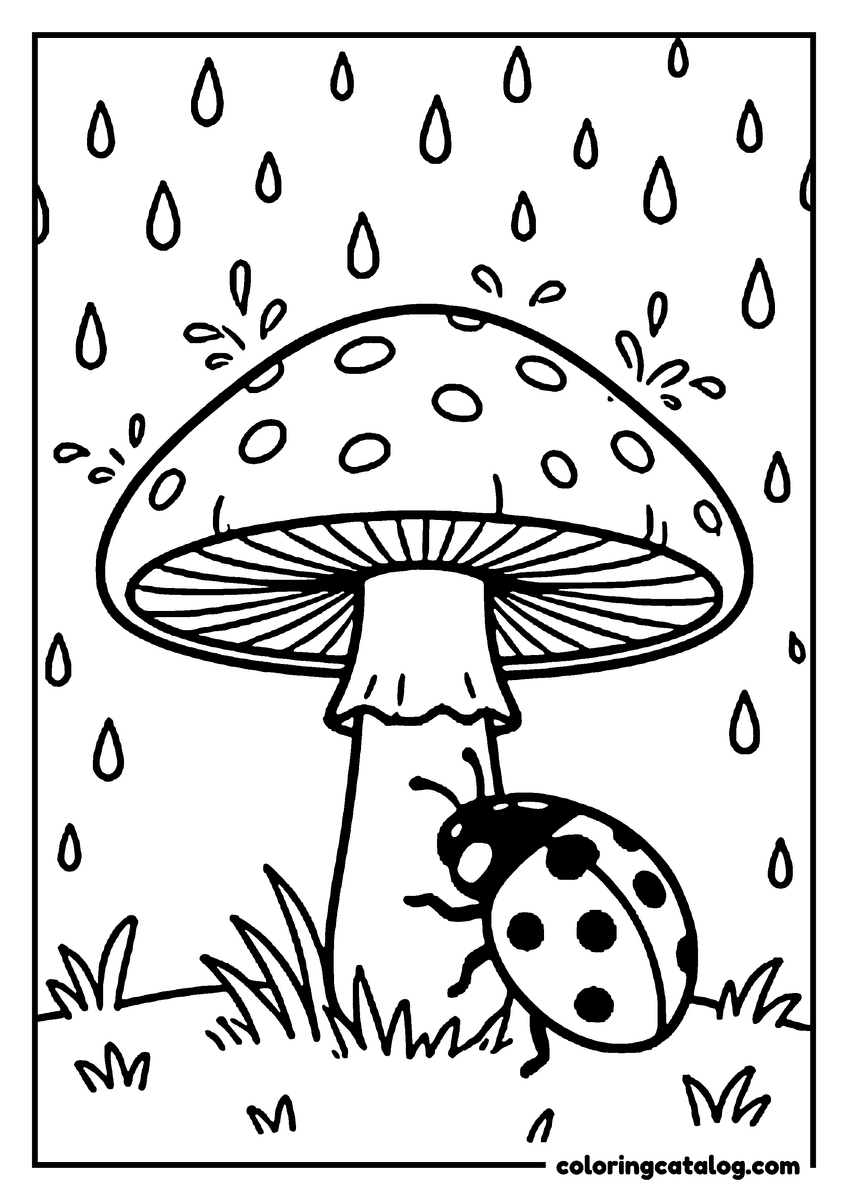
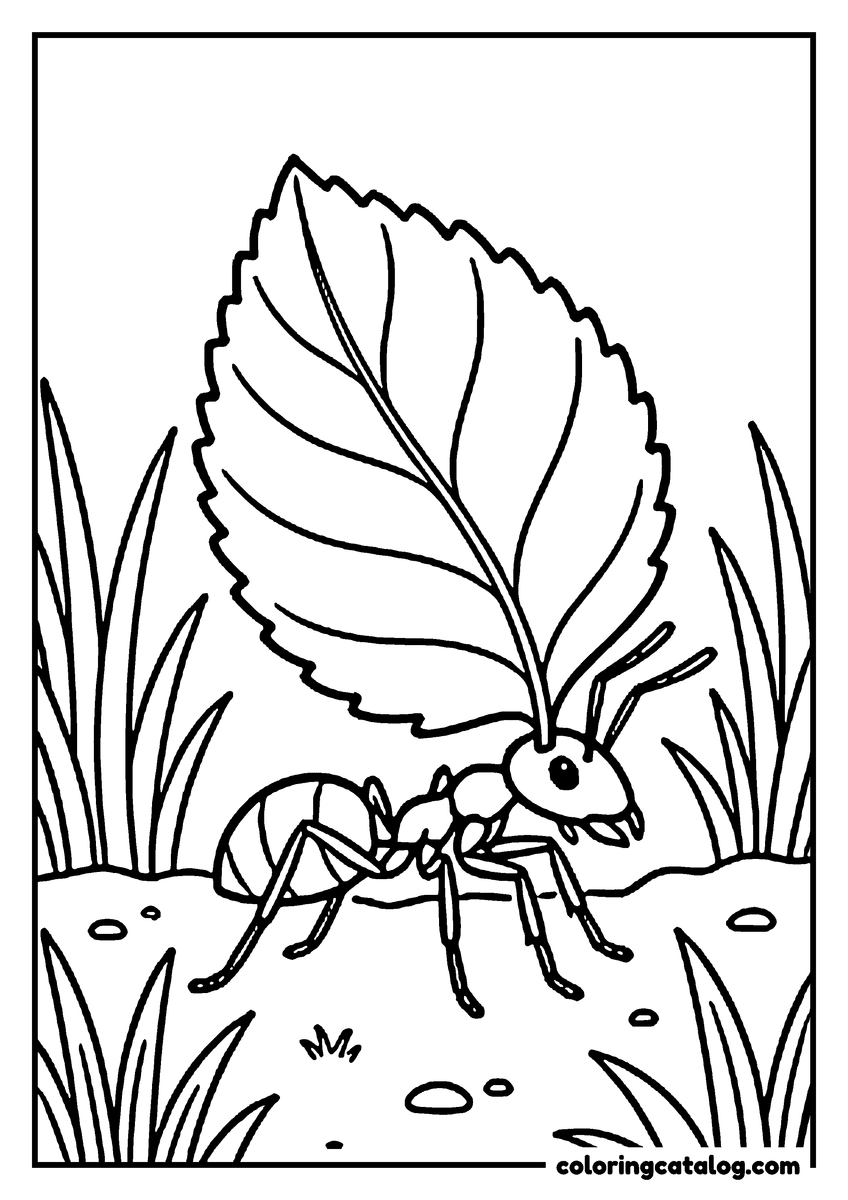
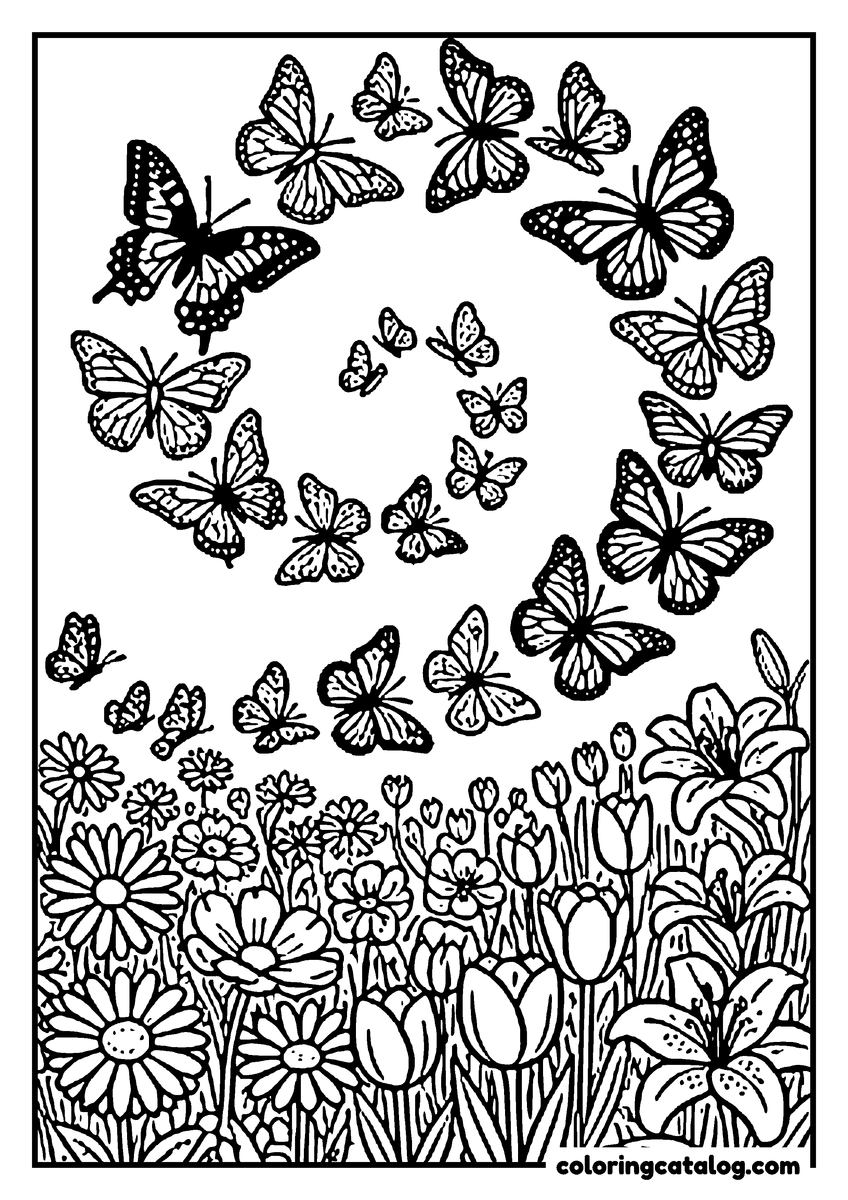
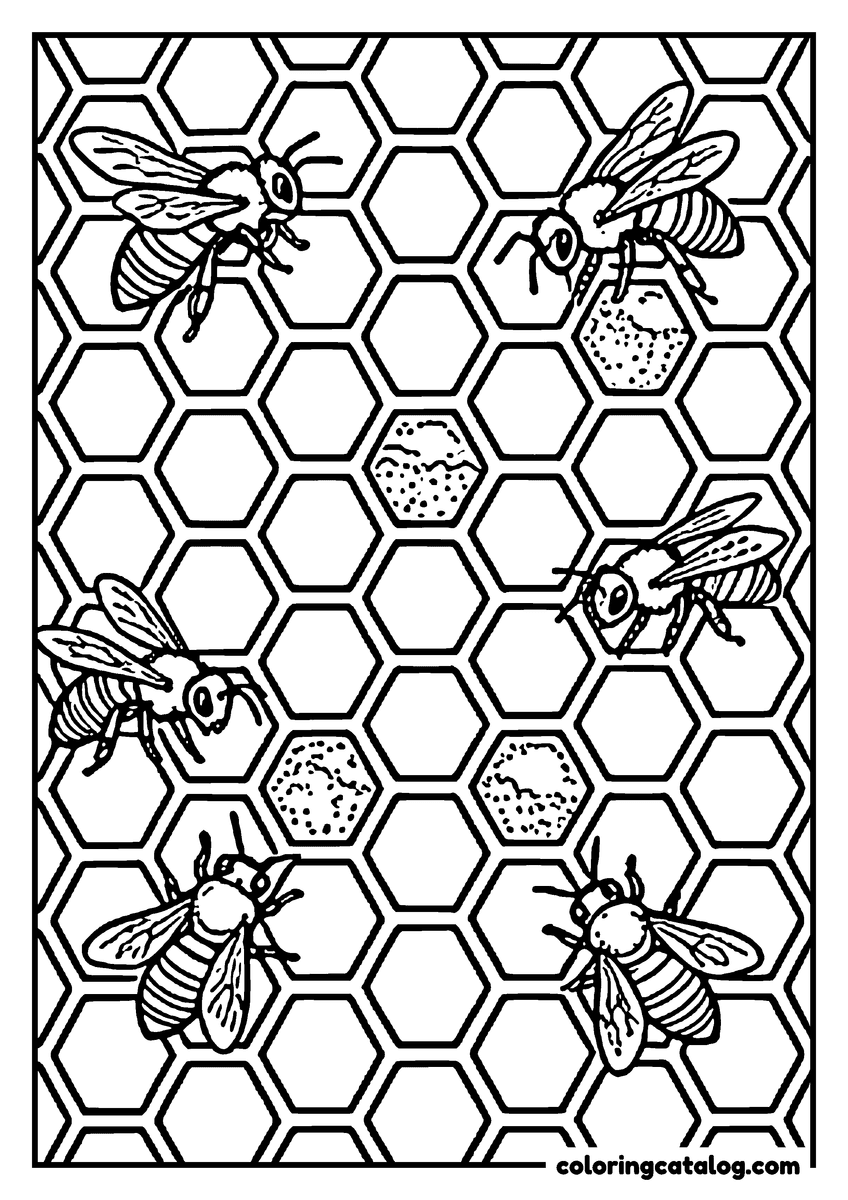
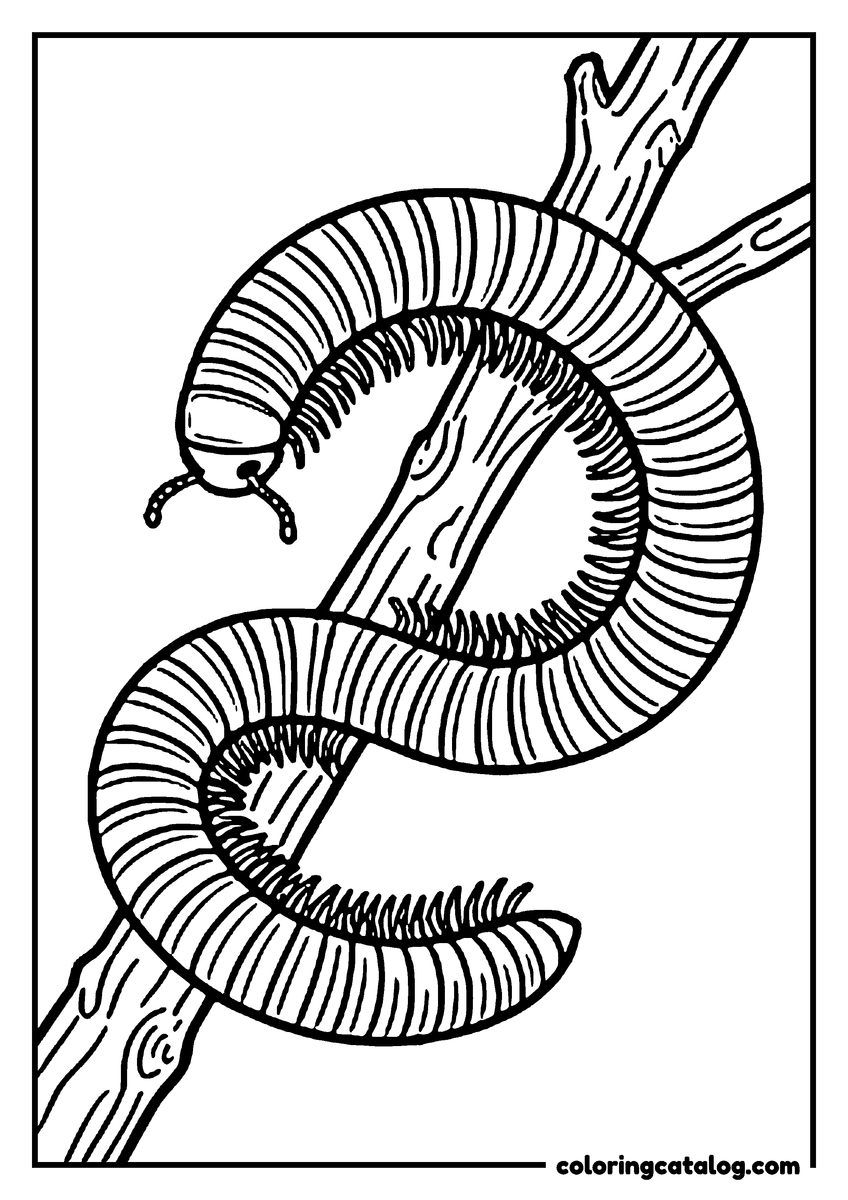
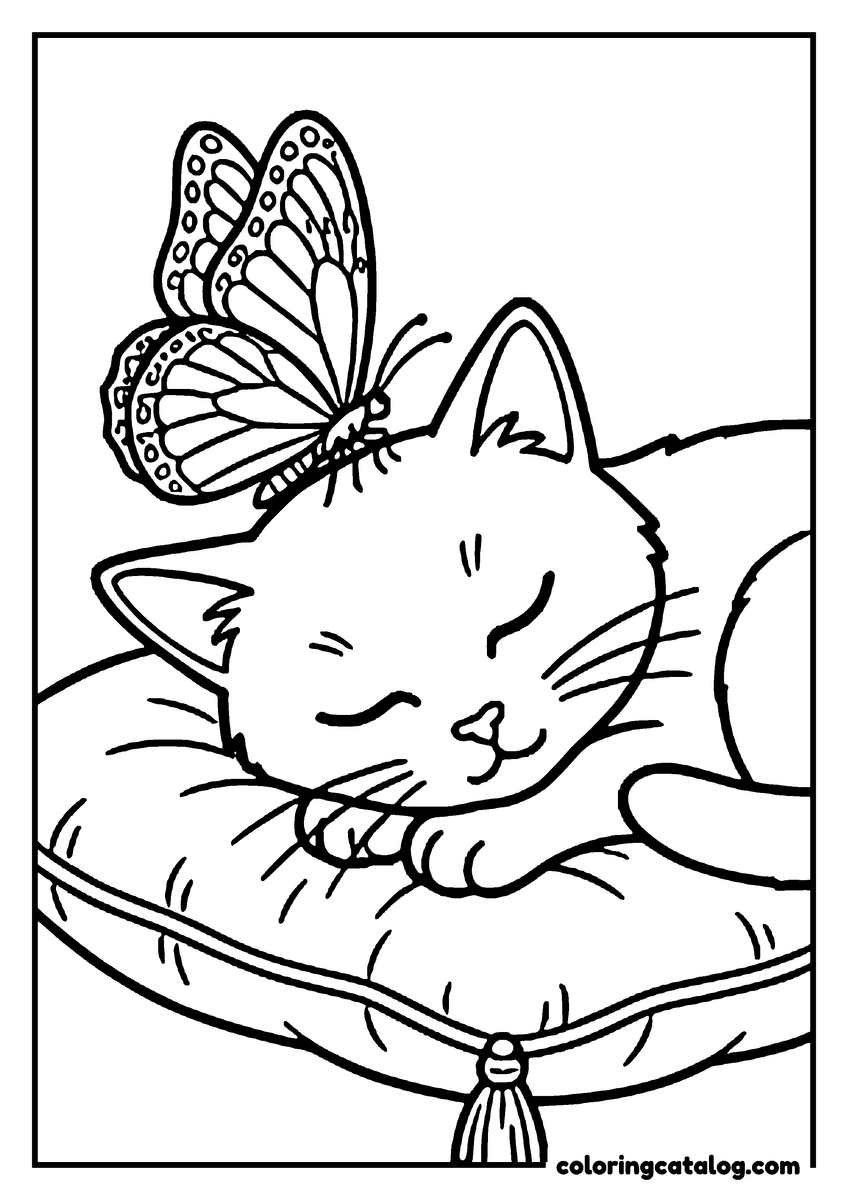
The flyers come next: a dragonfly over a pond, a honeybee landing on a sunflower, a fuzzy bumblebee by a foxglove, bees at work on a honeycomb, a chibi bee hugging a honey pot, a firefly glowing over the reeds, a moth at a night window, and butterflies of every kind, one spread symmetrically across the page, one leaving its chrysalis, a swirl of them rising from a meadow and one resting on a sleeping cat. The crawlers and the others finish the set: a caterpillar eating a leaf, a caterpillar parade, a line of ants carrying leaves, a leafcutter ant with a leaf far bigger than itself, a grasshopper on wheat, a praying mantis on a twig, a cicada on bark, a water strider on a pond, a spider on its dewy web, a millipede around a twig and a snail meeting a beetle. A pattern page, a border of dragonflies and a ladybug sheltering under a mushroom add some variety.
Not every bug is a bug
To a scientist, "bug" is not a word for anything small that crawls. True bugs are one particular group of insects that drink through a beak shaped like a straw, and on these pages the cicada and the water strider are the true bugs. The ladybug is a beetle, the bee is related to ants and wasps, and the butterfly and moth are a group of their own.
Some of the creatures here are not insects at all. Every insect has six legs and a body in three parts. The spider has eight legs, so it is an arachnid. The millipede has two pairs of legs on almost every segment of its body, and the snail has no legs at all, just one muscular foot. Counting legs on a finished page is the quickest way to sort them.
Ladybug or ladybird
The same little beetle has two names. Americans say ladybug and the British say ladybird, and in both cases the "lady" is said to be Mary: the old story goes that farmers in the Middle Ages prayed to her when aphids ate their crops, and the red beetles that came and ate the aphids were named after her. Gardeners still welcome them for exactly that reason.
True colors of the garden
Bugs are some of the most colorful animals there are, and a few of them are easy to get right.
- Ladybug: red wing cases with black spots and a black head with two white patches. Some are orange or yellow, and a few are black with red spots.
- Stag beetle: deep brown to black, with the big jaws of the male a warm chestnut red.
- Dragonfly: metallic blue, green or red body, and wings almost clear, so leave them nearly white with a hint of blue at the veins.
- Bumblebee: black with bands of yellow, and a tail that can be white or orange.
- Monarch butterfly: bright orange with black veins and white dots along the black edges.
- Firefly: brown body with a pale yellow-green glow at the tail. Color the rings of light in yellow and leave a white center.
For the shiny beetles, press hard with a dark color and leave a thin curved streak of white paper along the back. That one gap is what makes a shell look polished.
Big bugs and busy scenes
The simplest pages put one creature large in the middle with very little around it, which suits a child of four or five with thick crayons. Quick to color, above the grid, begins with:
- Caterpillar eating a leaf
- Chibi bee hugging a honey pot
- Stag beetle riding a leaf downstream
The most detailed ones are full of tiny shapes, the flowers under the butterfly swirl, the veins of a symmetrical wing, the cells of the honeycomb. Lots of detail begins with:
- Butterflies rising from a meadow
- Moth at a night window
- Symmetrical butterfly
Take the pages on a bug hunt
Colored bug pages make a field guide. Cut out the finished creatures, glue each one onto a card and slip the cards into a clear pocket or a small photo album. Then take the album outside with a magnifying glass and look for the real ones: under stones, on the underside of leaves, around flowers at midday, near the pond. Each time a child finds one, they draw a tick on its card. Ladybugs, ants, snails and bees turn up almost everywhere; a dragonfly or a stag beetle is a lucky day.
Remind young hunters to watch and not catch: most of these animals are harmless, but a bee will sting if it is squeezed, and every creature on these pages is doing a useful job in the garden.
Printing a jar full of bugs
The pages are free PDFs, drawn on A4 at 300 dpi. Use full size on A4 paper and "fit to page" on US Letter, which shrinks the drawing by about six percent without losing an antenna. The printing guide explains the setting. Add to pack puts several bugs in one file for a classroom. More wings are in the butterfly coloring pages, more pond life in the frog coloring pages, and the forest floor continues in the mushroom coloring pages and the garden in the flower coloring pages.
Bug Coloring Pages: questions and answers
Which bugs are in these coloring pages?
Ladybugs, stag and rhinoceros beetles, a weevil, bees and a bumblebee, butterflies and a moth, a dragonfly, a firefly, ants, a grasshopper, a praying mantis, a cicada, a water strider, a spider, a millipede and caterpillars.
Is a spider a bug?
Not an insect. A spider has eight legs and is an arachnid. It is here because children call it a bug, and counting its legs is a good lesson.
Which bug page is easiest for a preschooler?
The chibi bee with its honey pot and the caterpillar eating a leaf: one big creature with almost nothing around it. Quick to color shows the simplest.
Is there a bug mandala or pattern page?
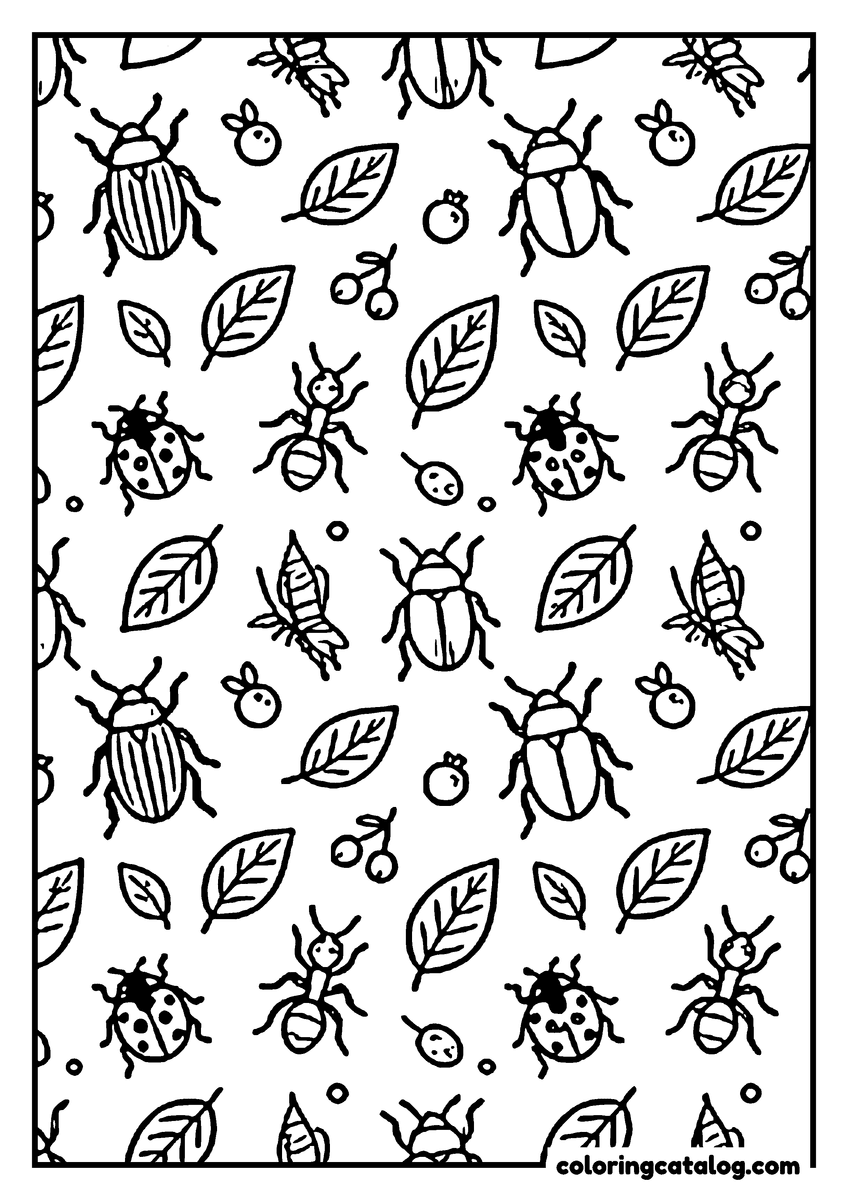
Yes. A beetle mandala, a pattern page of bugs, leaves and berries, and a border of dragonflies and ferns.
Same drawer
More animals coloring pages
T. rex, raptors in packs and a triceratops with its baby, all drawn in a jungle rather than on empty paper.
Real species with their markings drawn in, and patterned wings for anyone who wants an hour on one page.
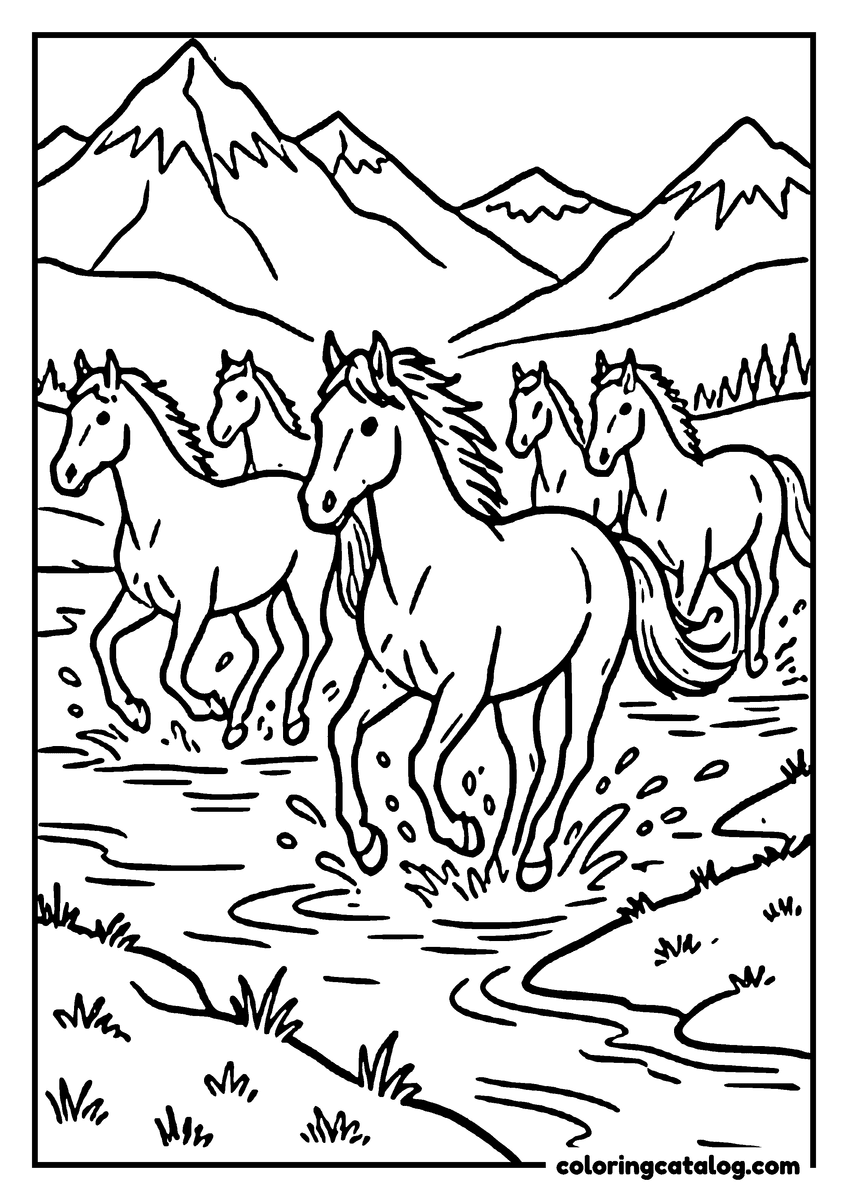
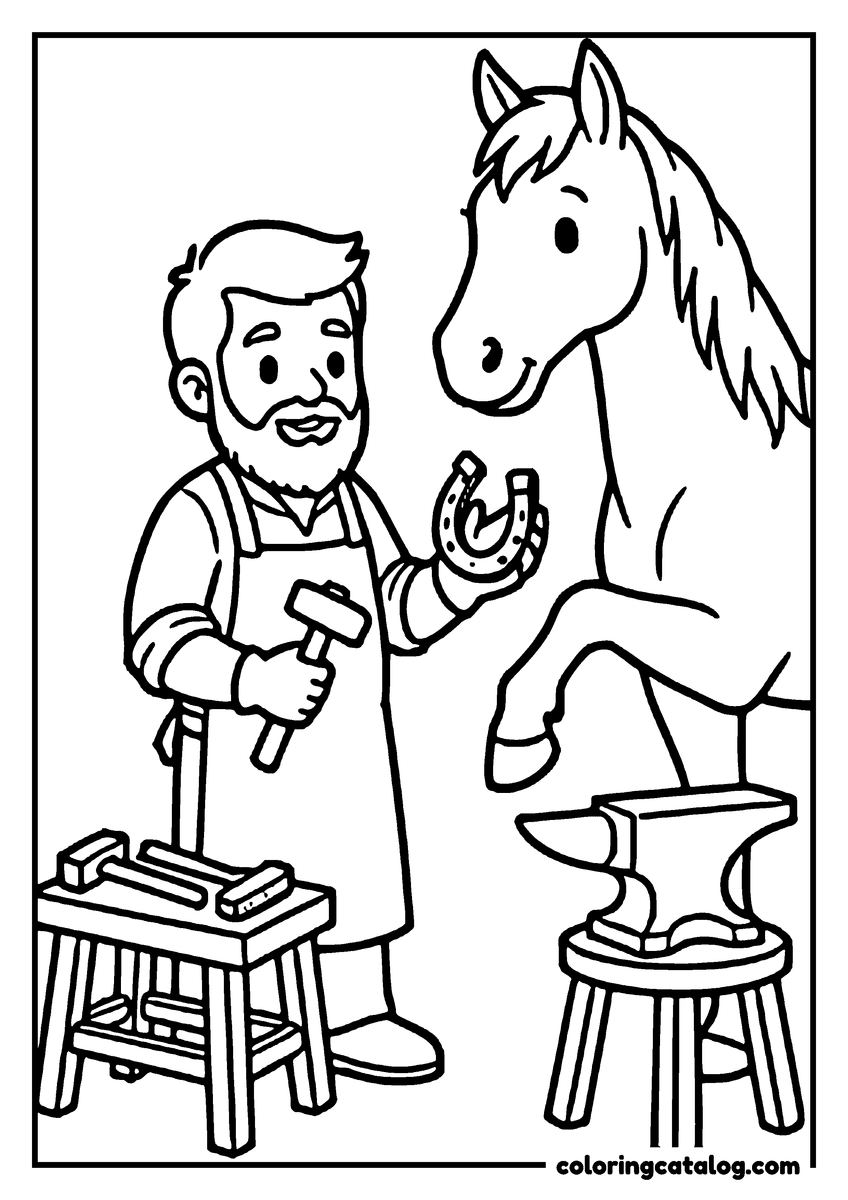
Realistic horses at full gallop, a Shetland pony with a bird on its back, and a whole stable yard to color.
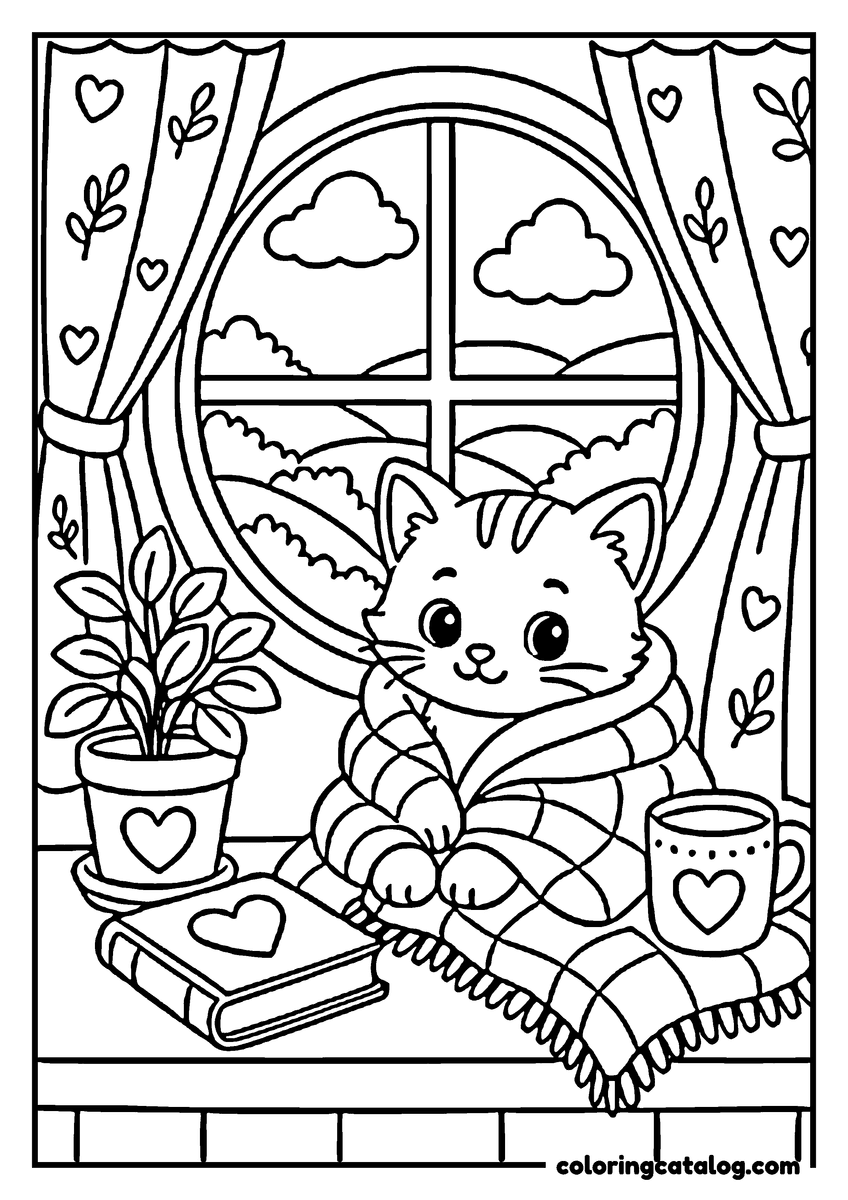
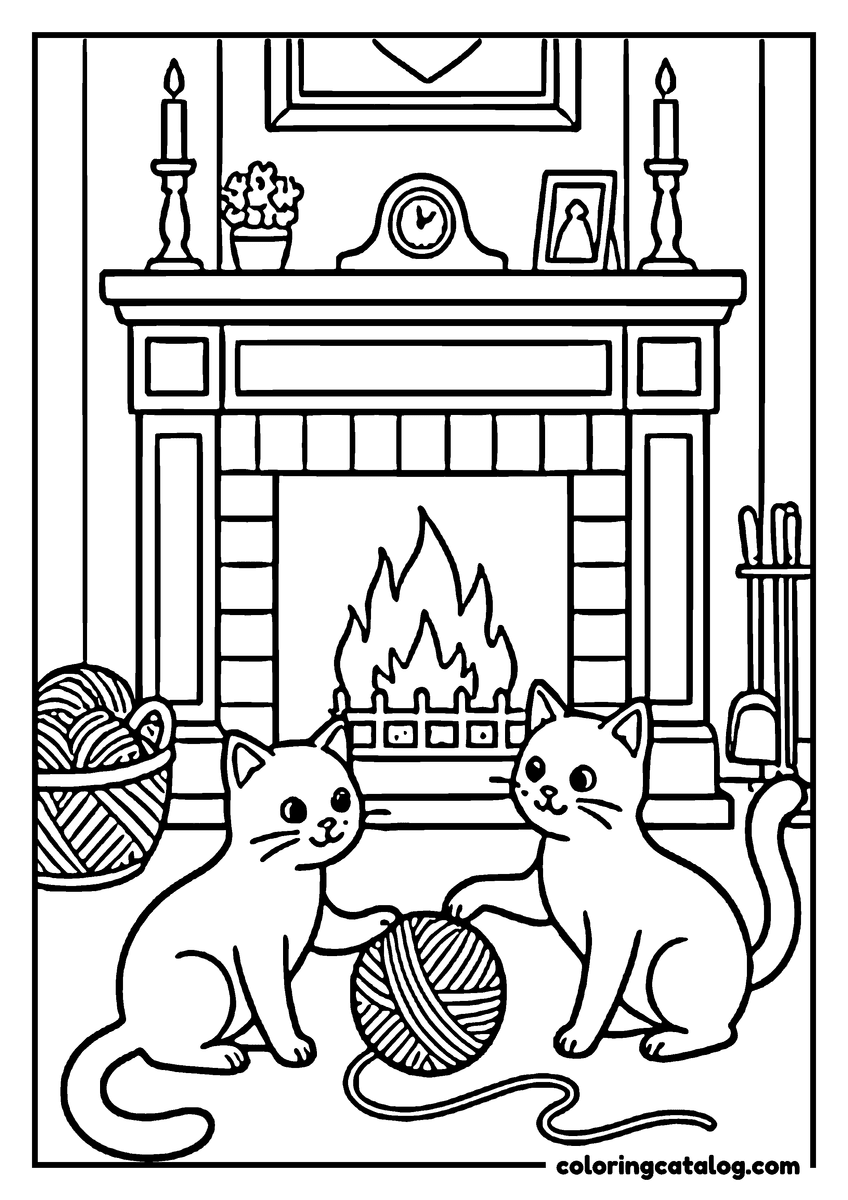
Kittens with yarn, cats asleep on books, and one cat who has made it to space.