3 collections · 103 free printables
Preschool Coloring Pages
Thick lines, big shapes and nothing smaller than a crayon tip.
Inside this drawer
3 categories under for little ones
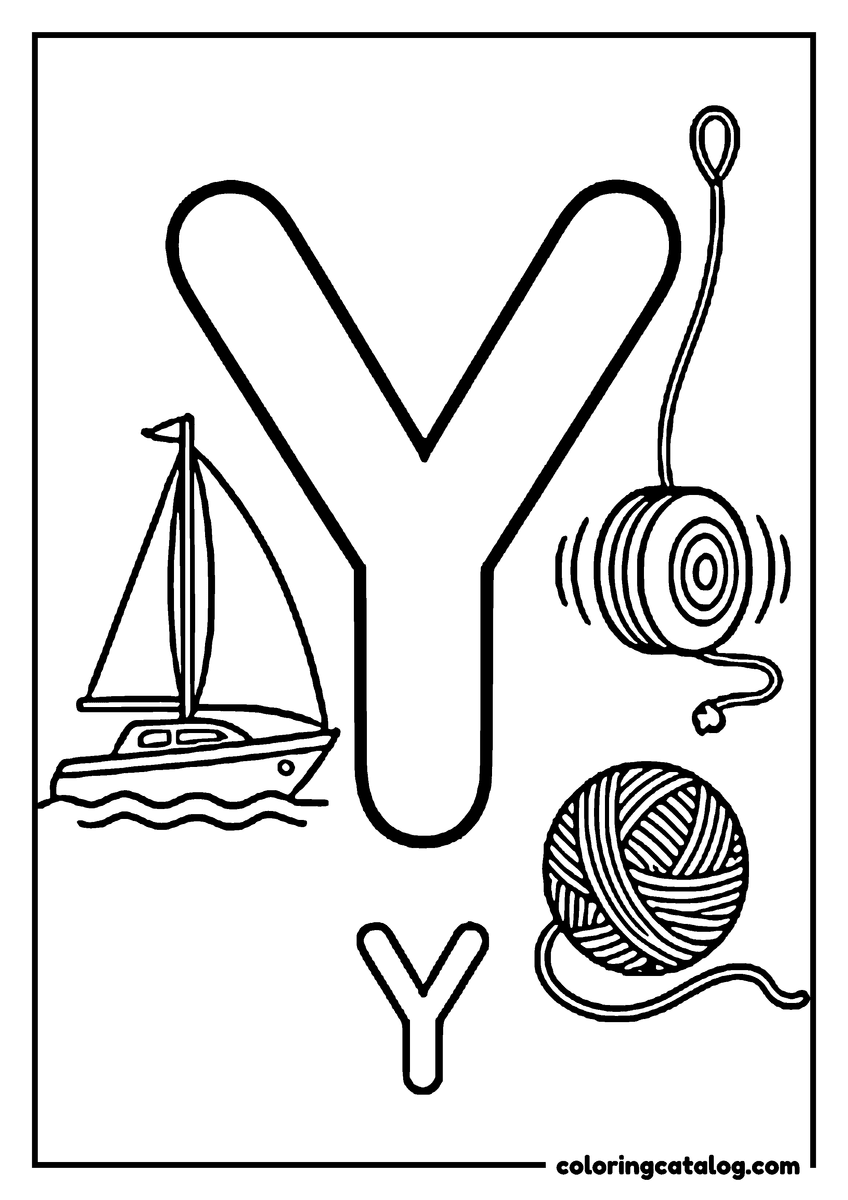
The whole alphabet, a letter and its objects per page, plus letters drawn as scenes.
Animal faces showing one feeling each, with the small moment below that caused it: a lost balloon, a fallen tower, a missing puzzle piece.
Smiling teeth, the tooth fairy and a toothbrush or two: pages for a wobbly tooth, a dentist visit or a lesson on brushing.
60 free printable preschool coloring pages
Tap a drawing to see it full size and flip through the set. Press + to collect several and print them as one PDF.
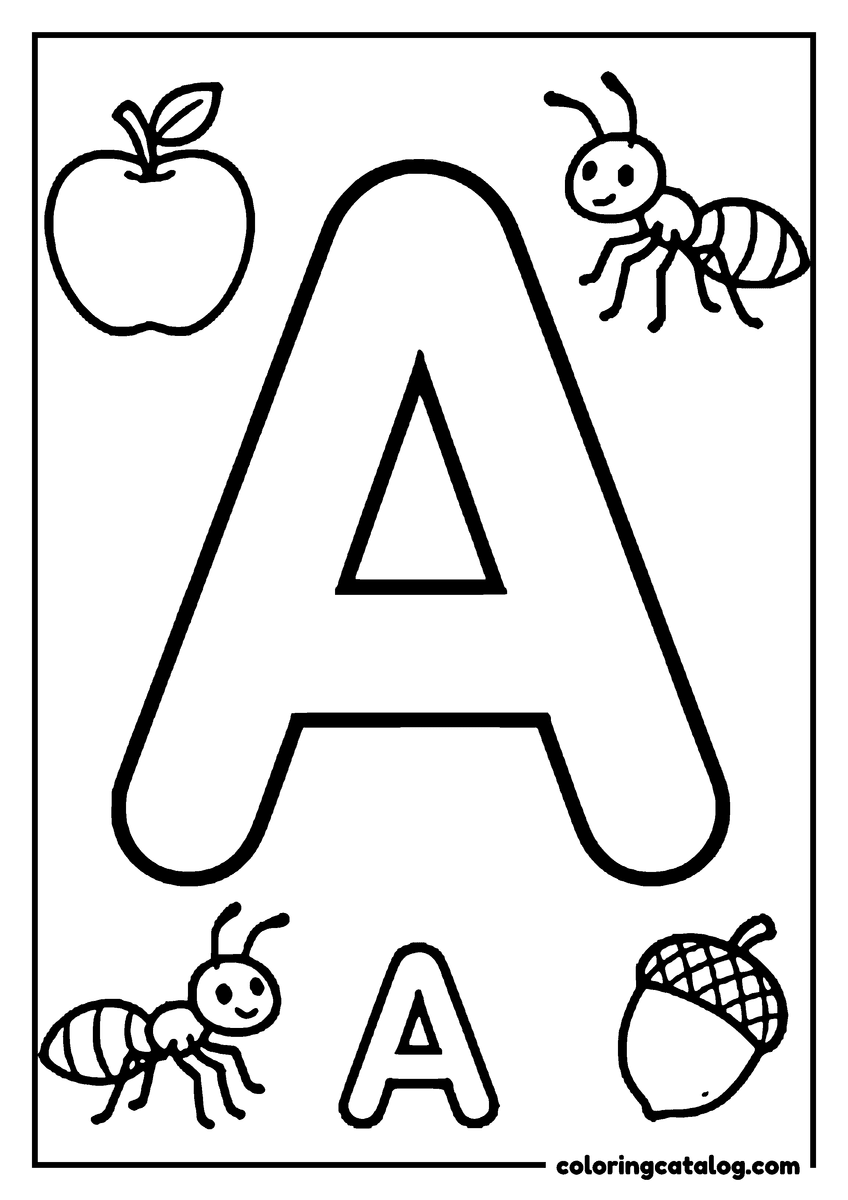
The letter A with an apple and ants
A big outlined A stands between an apple, two ants and an acorn, with a small A to trace
All Letter coloring pages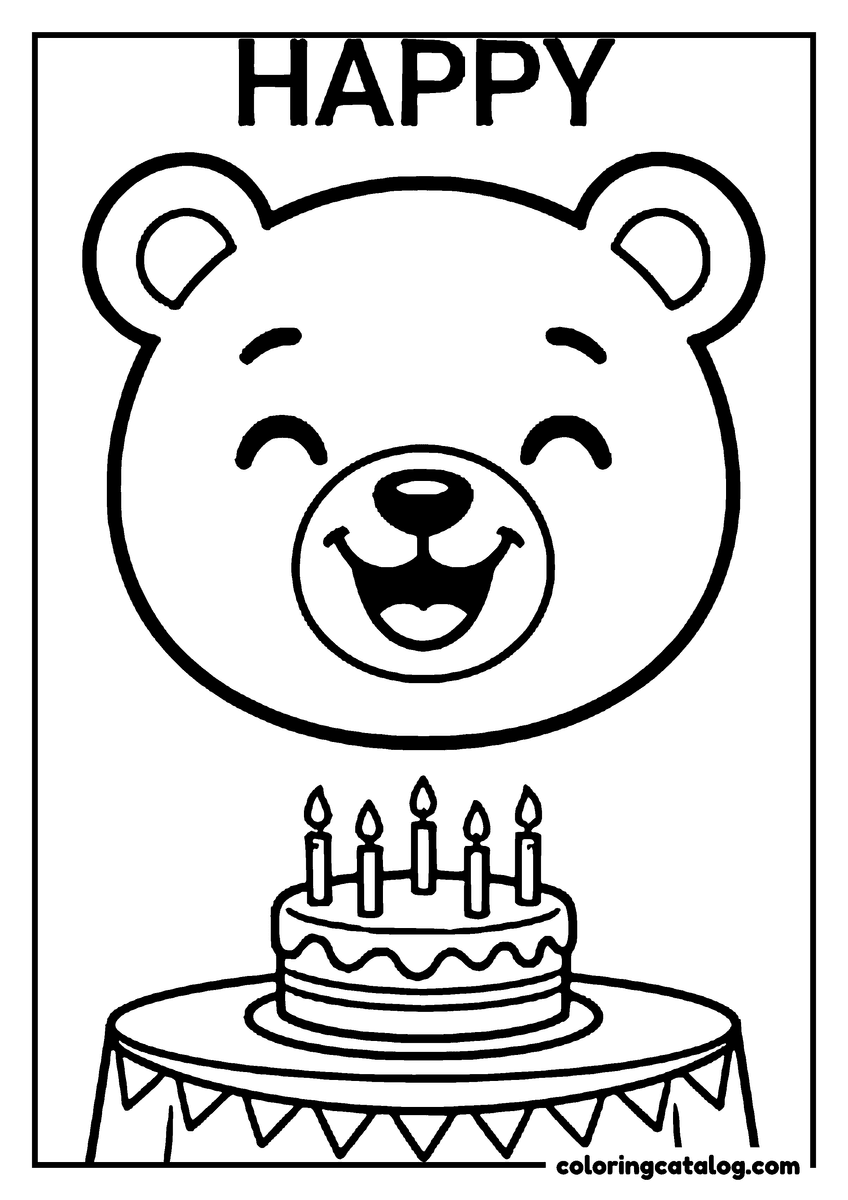
Happy
A laughing bear face under the word HAPPY, with a birthday cake on a table
All Emotions coloring pages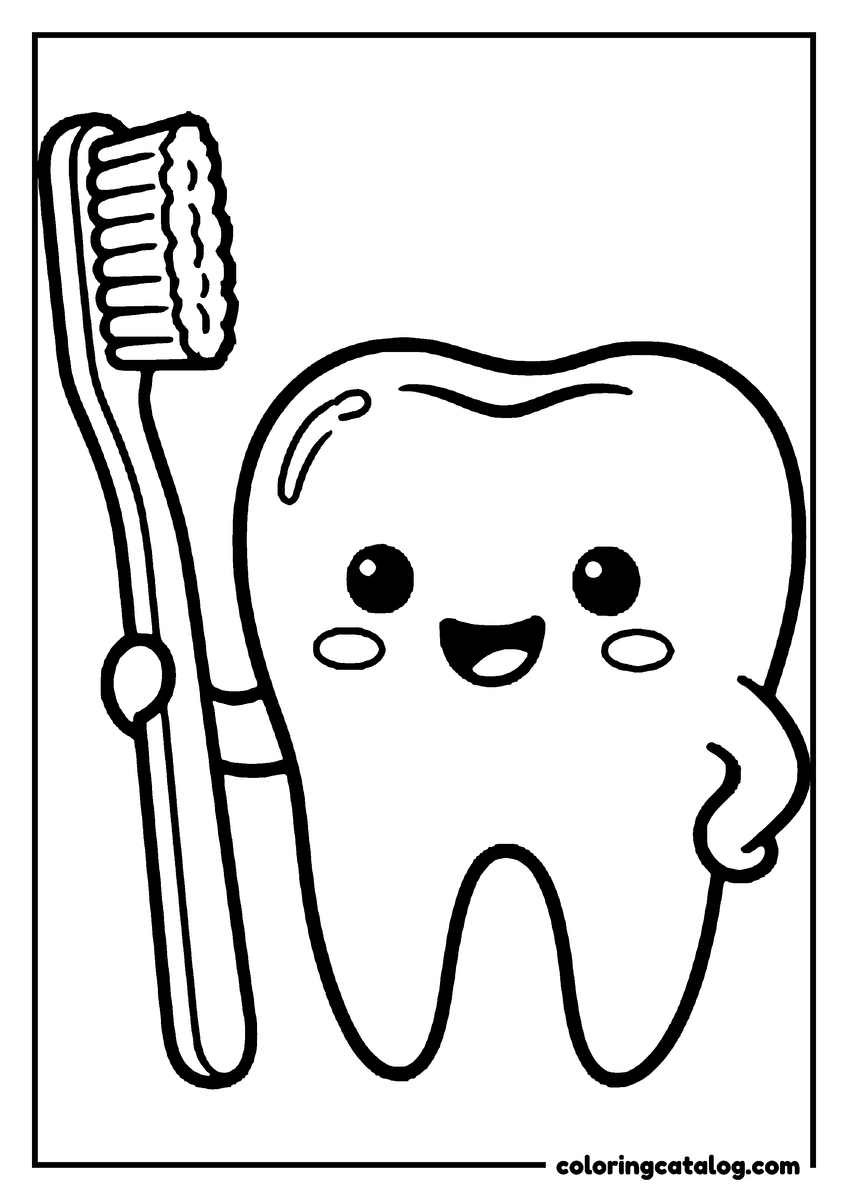
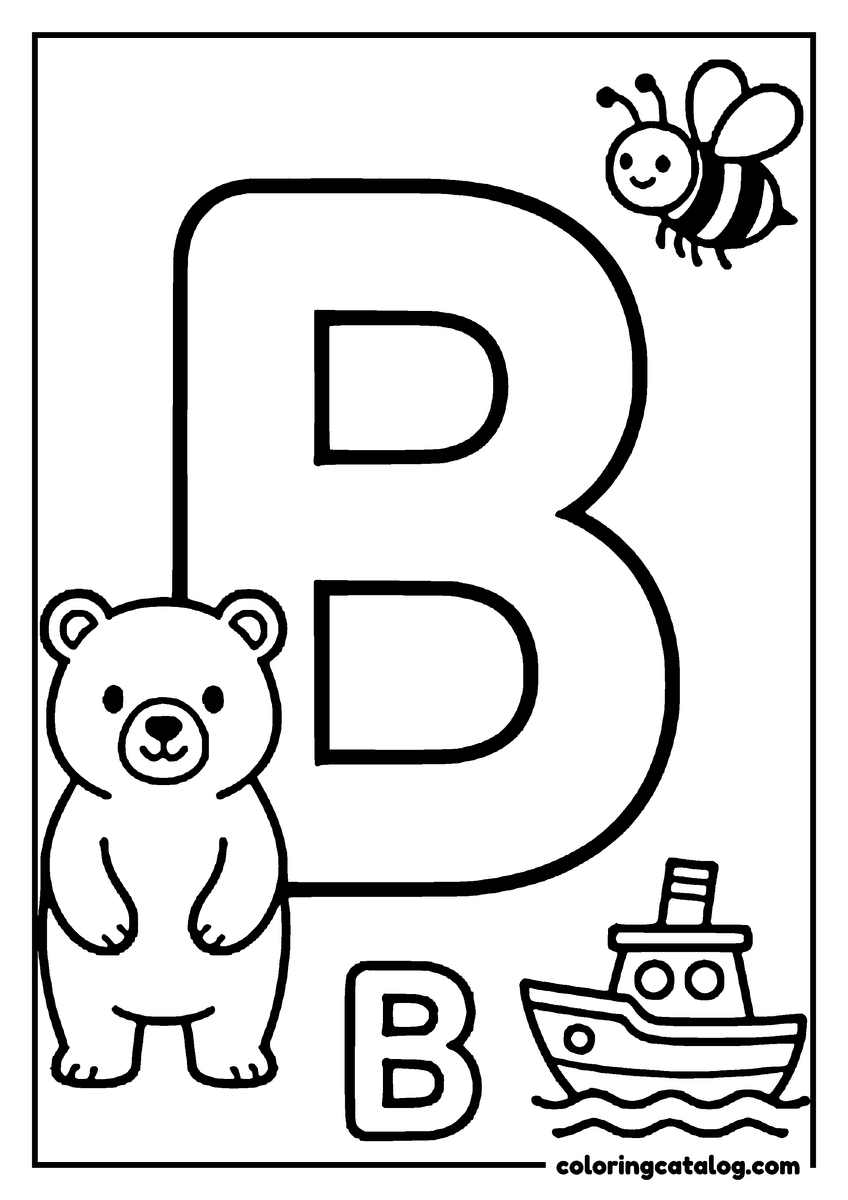
The letter B with a bear and boat
A big outlined B stands beside a bear, a bee and a tug boat, with a small B to trace
All Letter coloring pages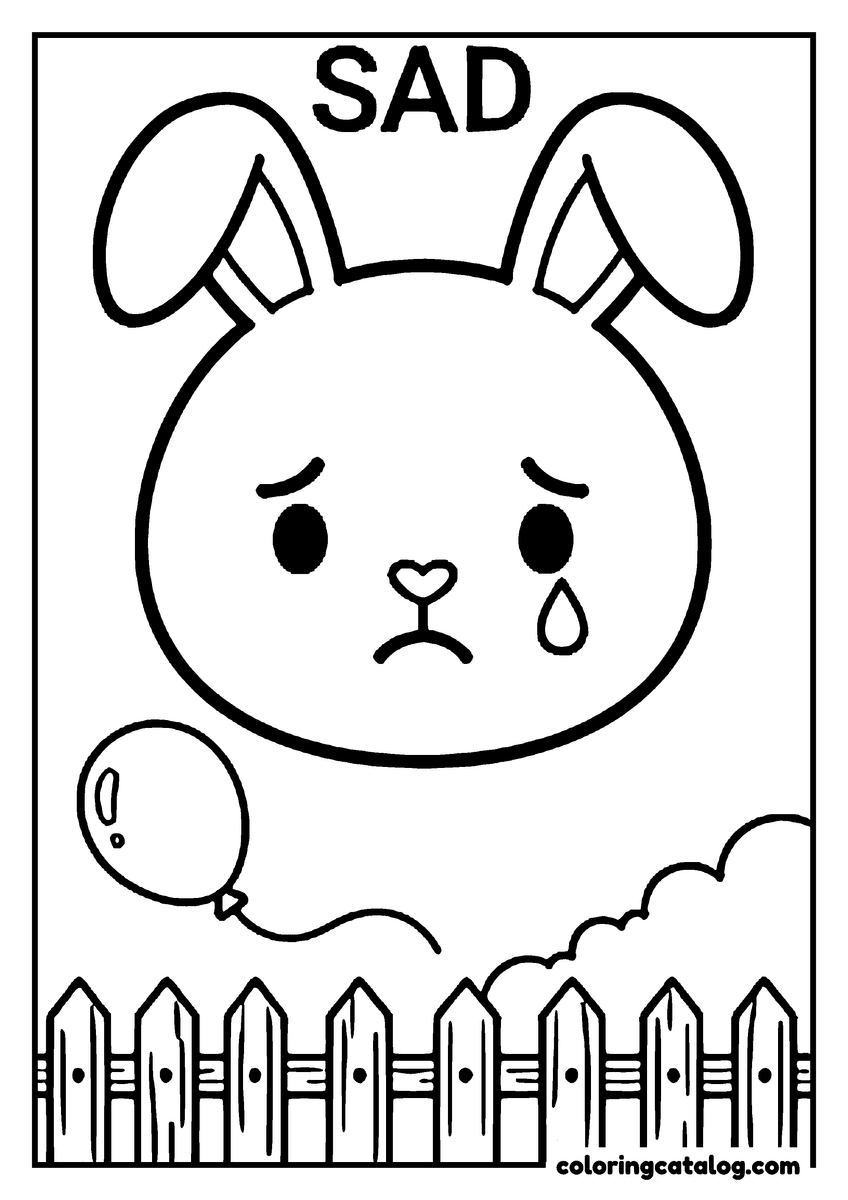
Sad
A crying bunny face under the word SAD, a balloon drifting away over a fence
All Emotions coloring pages- See it on Amazon
The same cozy rooms as Cozy Friends, with a jack-o-lantern in them: creepy characters drawn round and friendly. Eighty-eight pages printed one side only, so a marker that goes through does not ruin the next drawing.
Creepy characters drawn round and friendly, printed one side only.
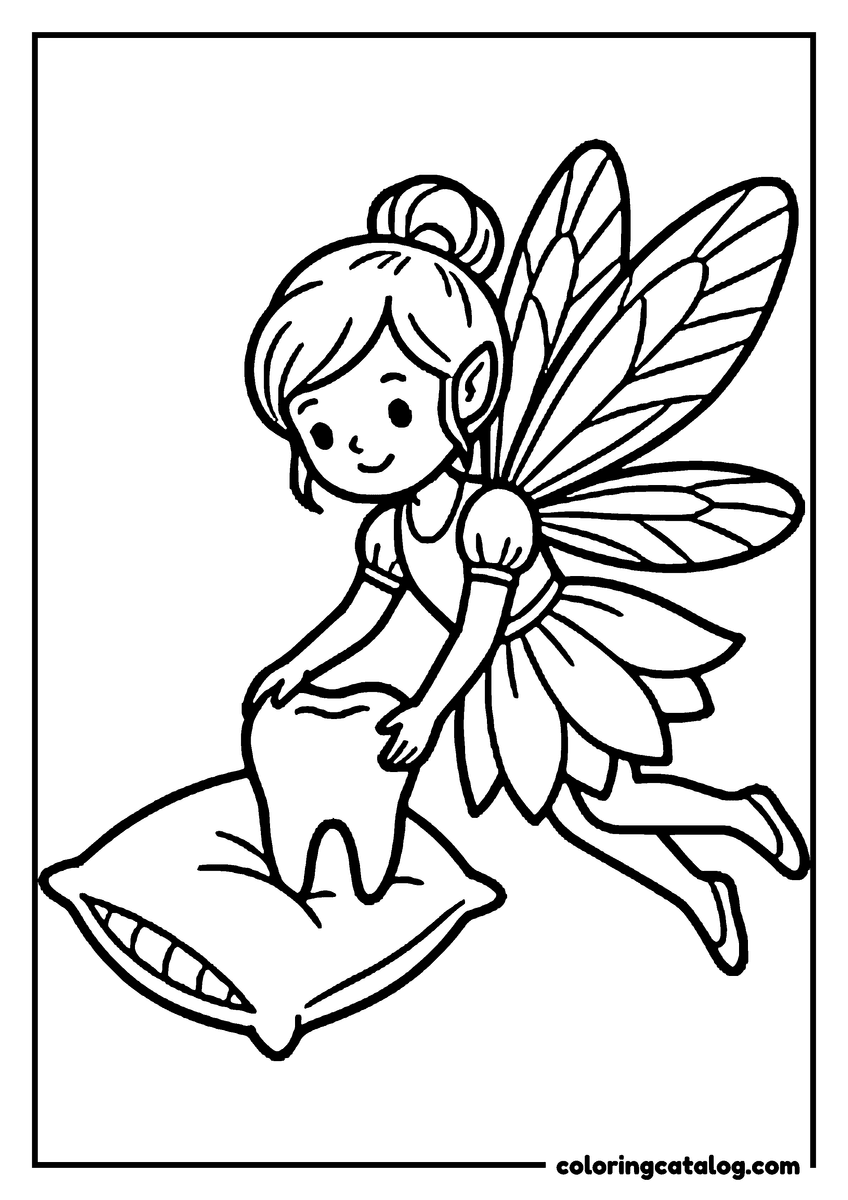
Tooth fairy at the pillow
The tooth fairy lifting a tooth from under a pillow
All Tooth coloring pages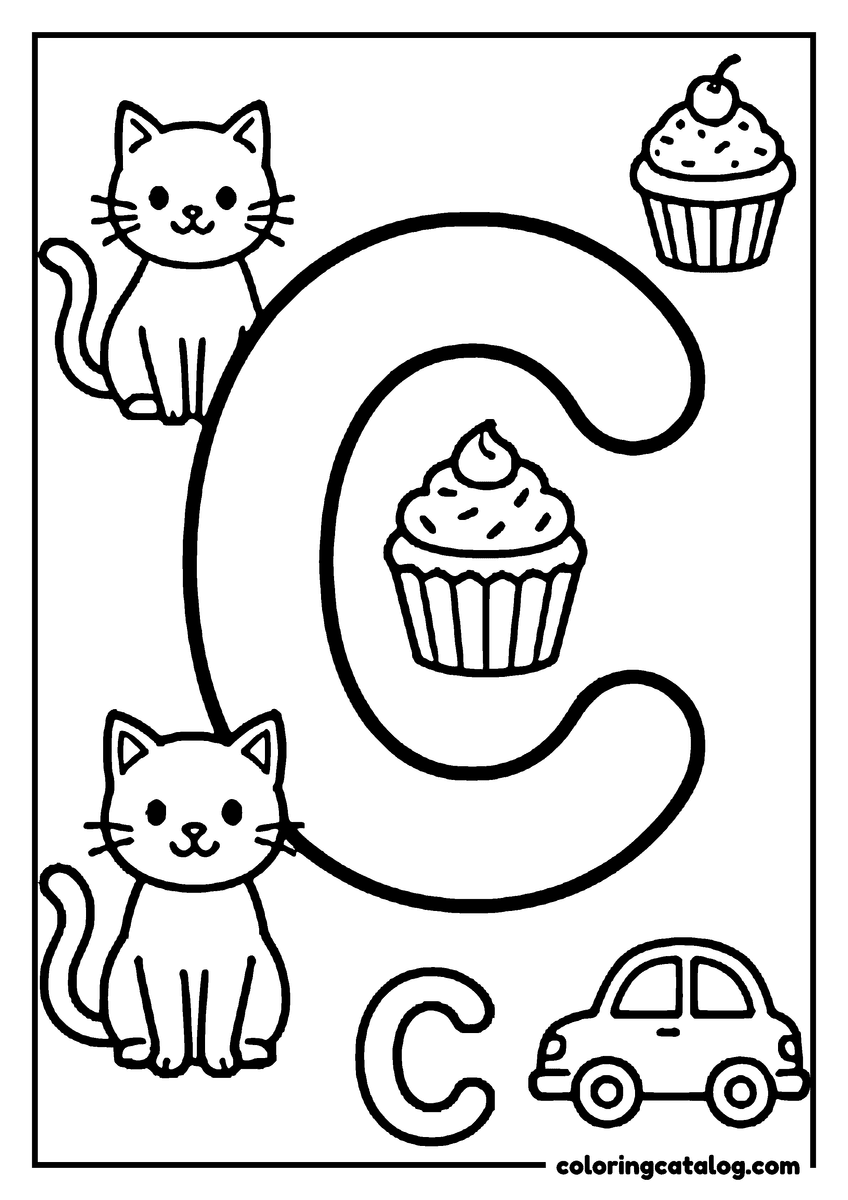
The letter C with cats and cupcakes
A big outlined C is surrounded by two cats, two cupcakes and a little car, with a small C to trace
All Letter coloring pages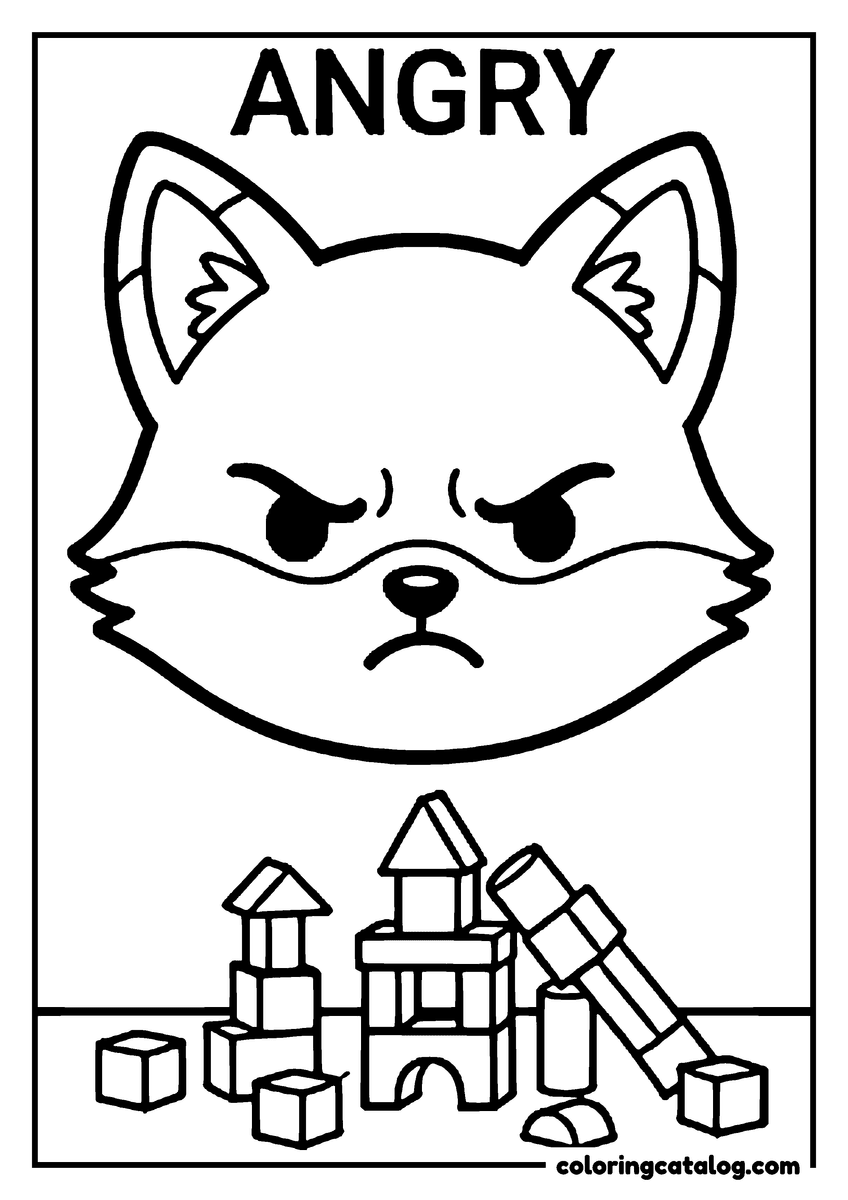
Angry
A scowling fox face under the word ANGRY, a block tower knocked over below
All Emotions coloring pages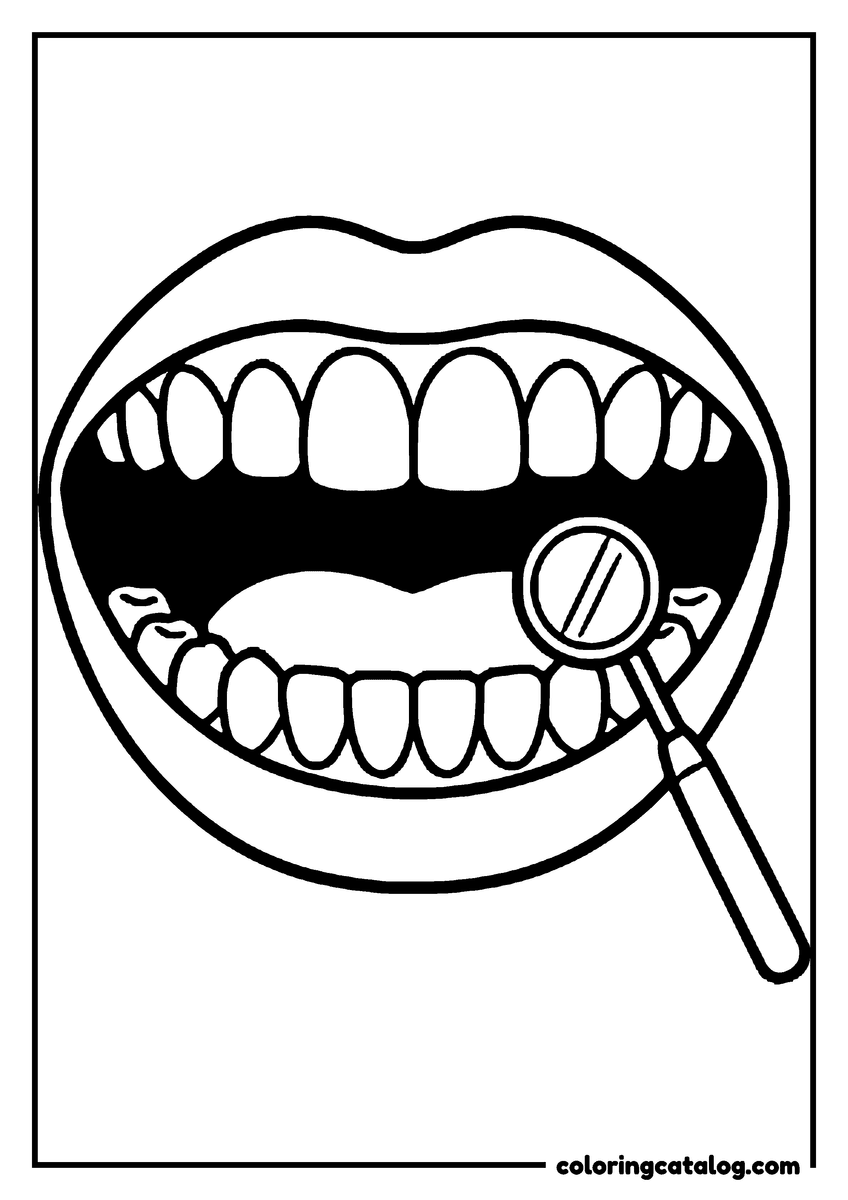
Open wide
A big open mouth full of teeth with a dental mirror checking the back
All Tooth coloring pages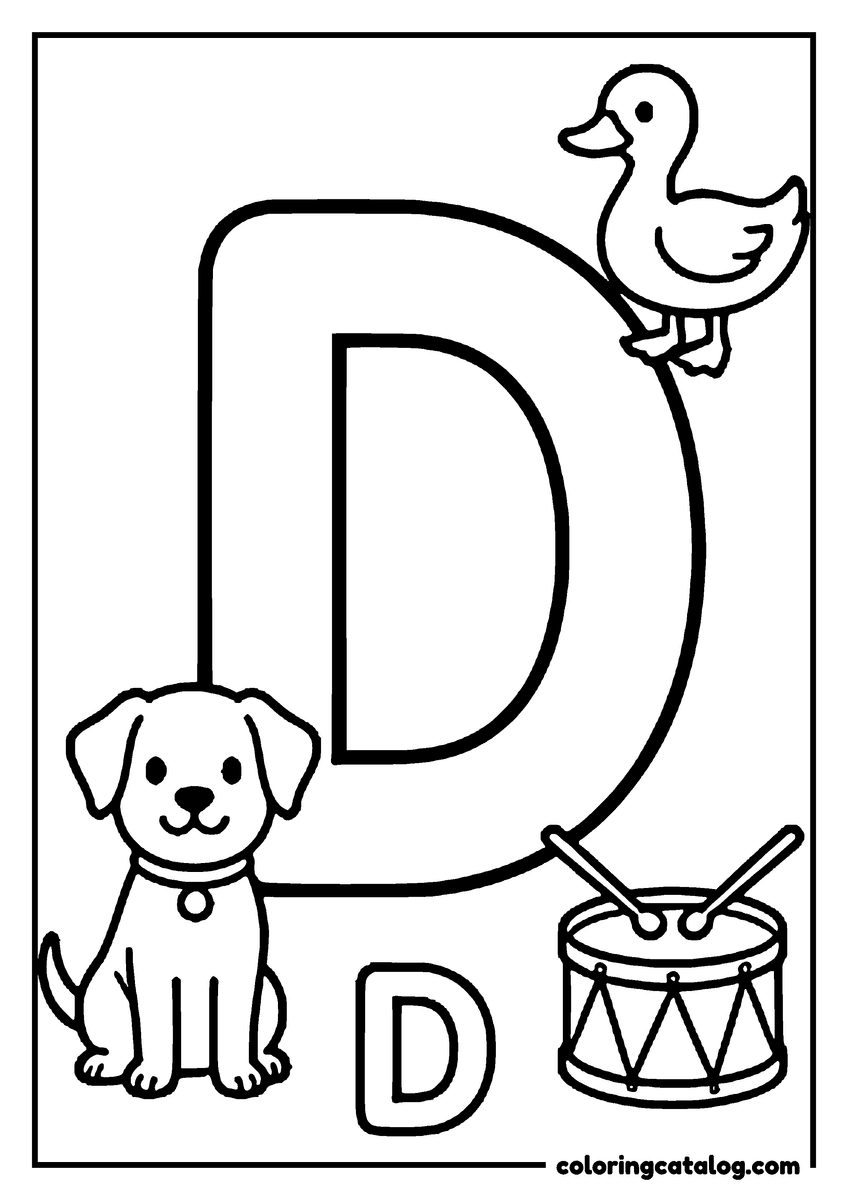
The letter D with a dog and drum
A big outlined D stands beside a dog, a duck and a drum with sticks, with a small D to trace
All Letter coloring pages- See it on Amazon
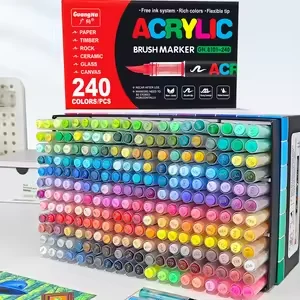
Guangna acrylic paint markers, 240 colorsMarkers
Opaque acrylic ink through a brush tip that goes from 1 mm to 6 mm, for the flat solid color that bold-and-easy pages look best in and a felt tip cannot match. They need weight under them: a single-sided book page or 120 gsm paper, not ordinary copy paper.
Opaque brush-tip acrylic for flat, solid color on bold pages.
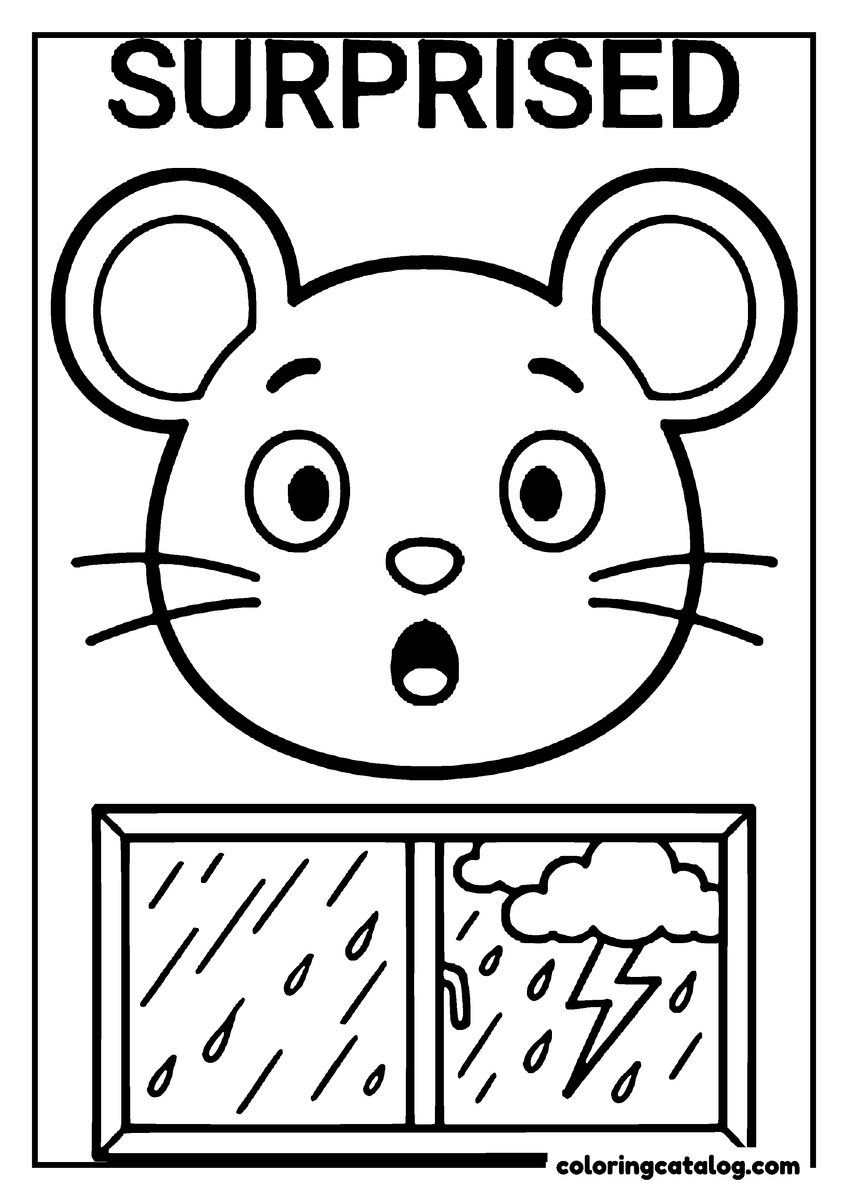
Surprised
A wide-eyed mouse face under the word SURPRISED, a stormy window below
All Emotions coloring pages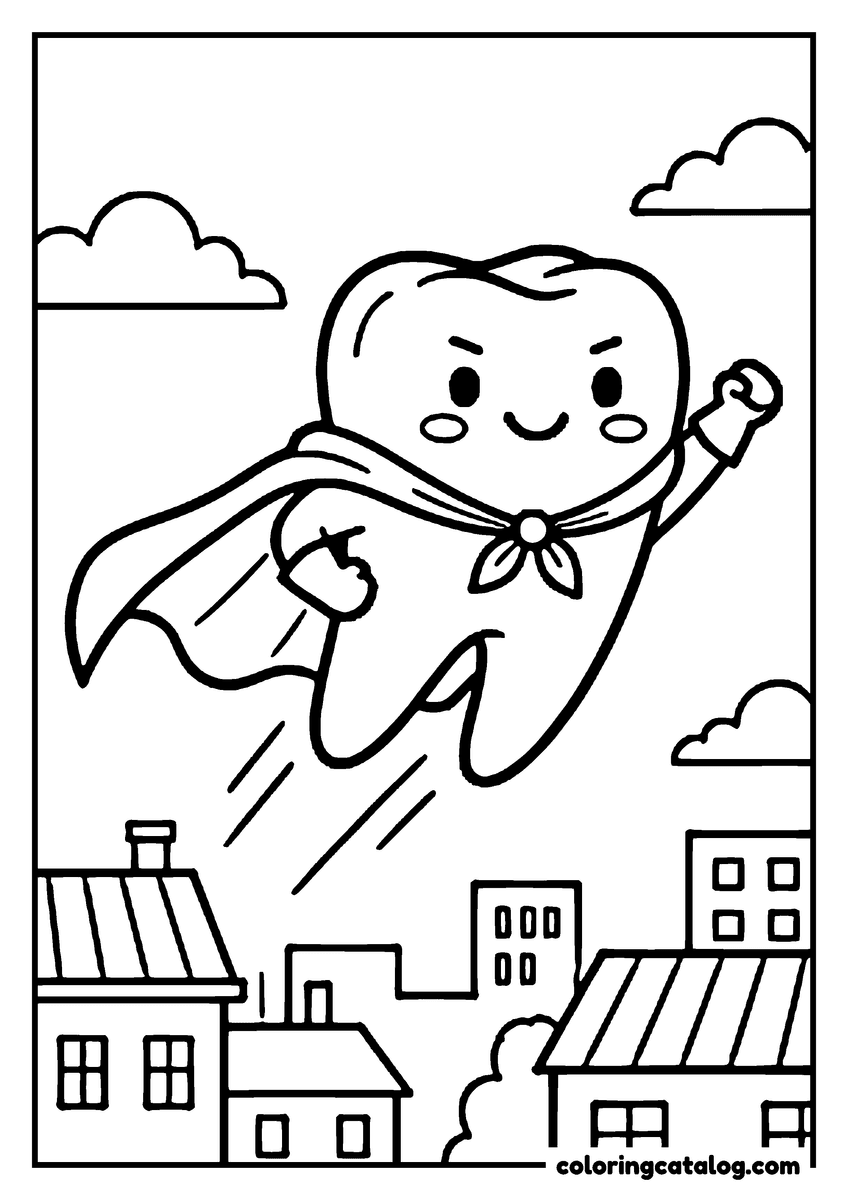
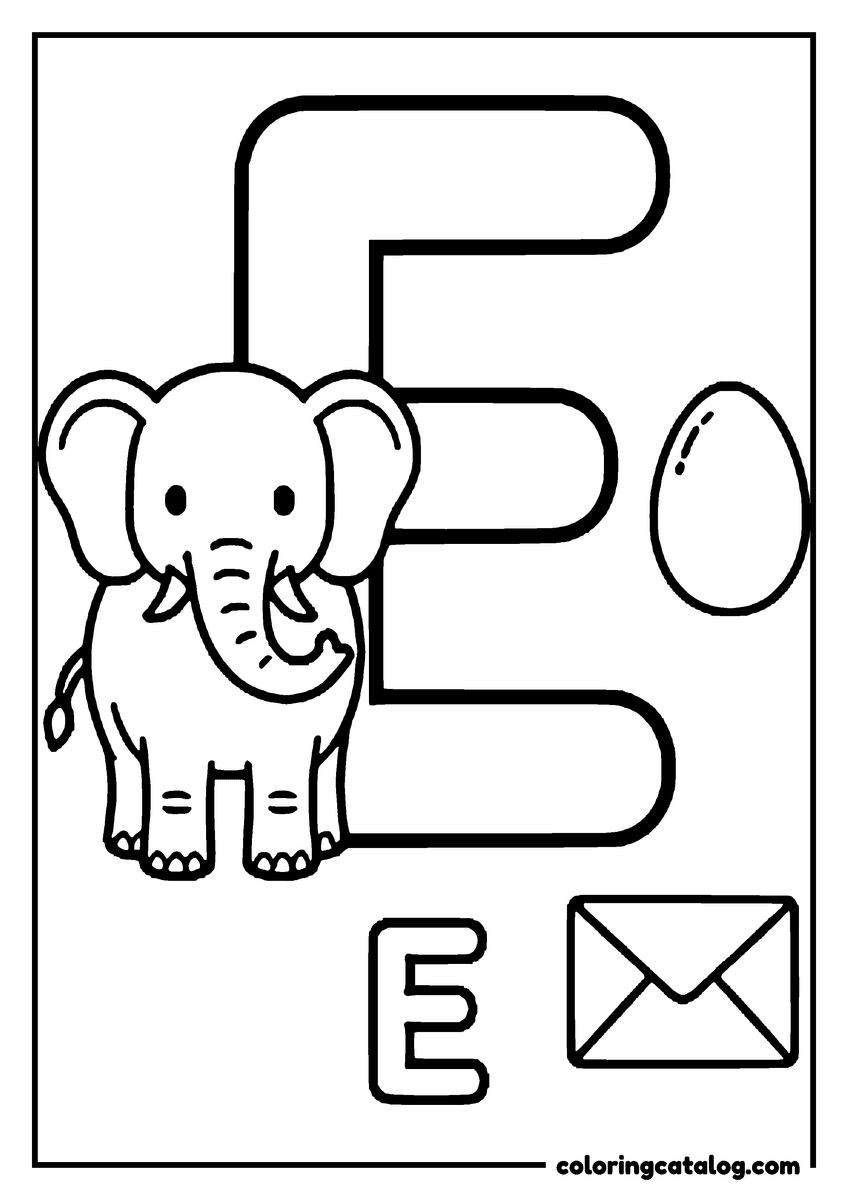
The letter E with an elephant and egg
A big outlined E stands beside an elephant, an egg and an envelope, with a small E to trace
All Letter coloring pages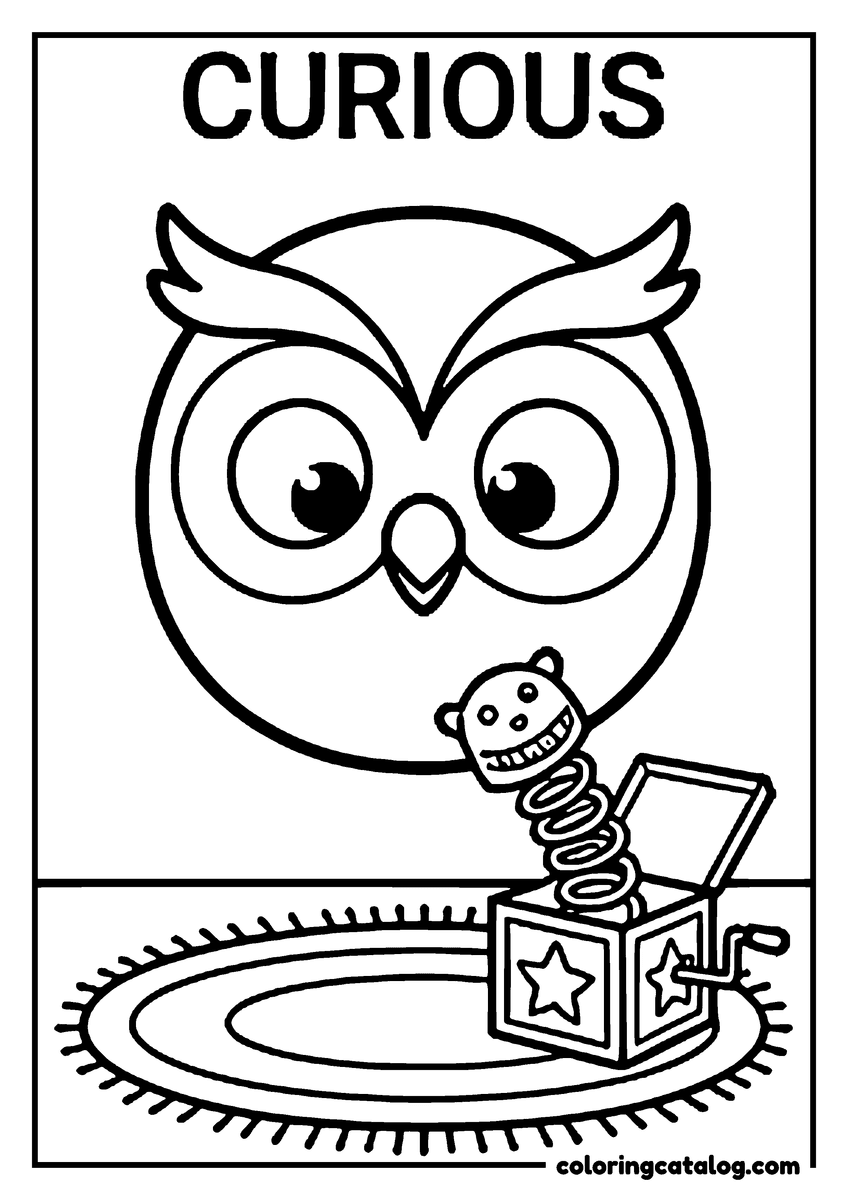
Curious
A wide-eyed owl face under the word CURIOUS, a jack-in-the-box popping open
All Emotions coloring pages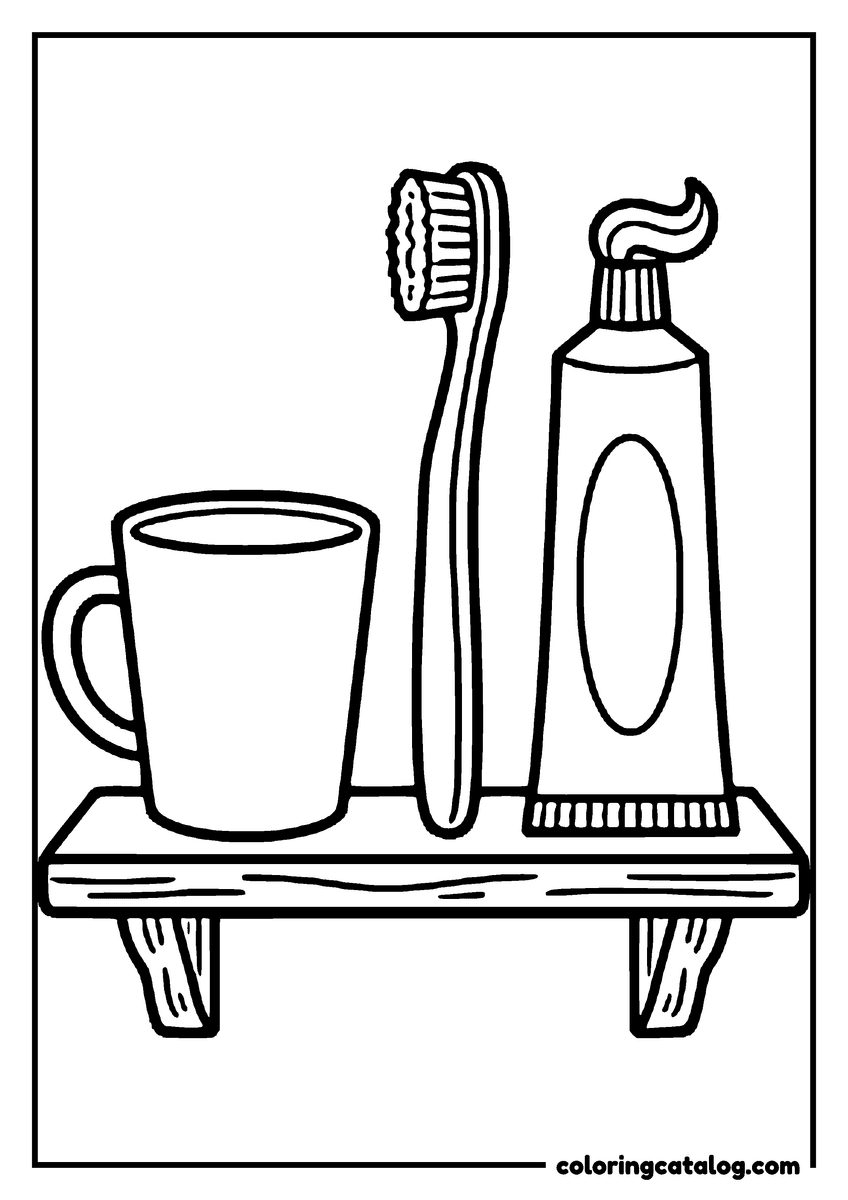
Bathroom shelf
A cup, a toothbrush and a tube of toothpaste on a wooden shelf
All Tooth coloring pages- See it on Amazon
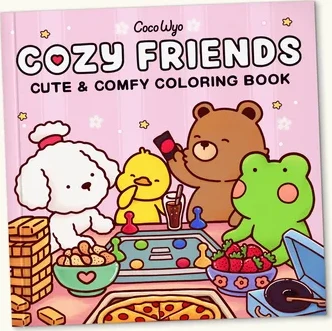
The book that made the cozy style what it is. Bold, simple outlines with cute animal characters, which is the opposite of the dense hunt books and finishes in an evening.
Bold, simple outlines and cute animals, done in an evening.
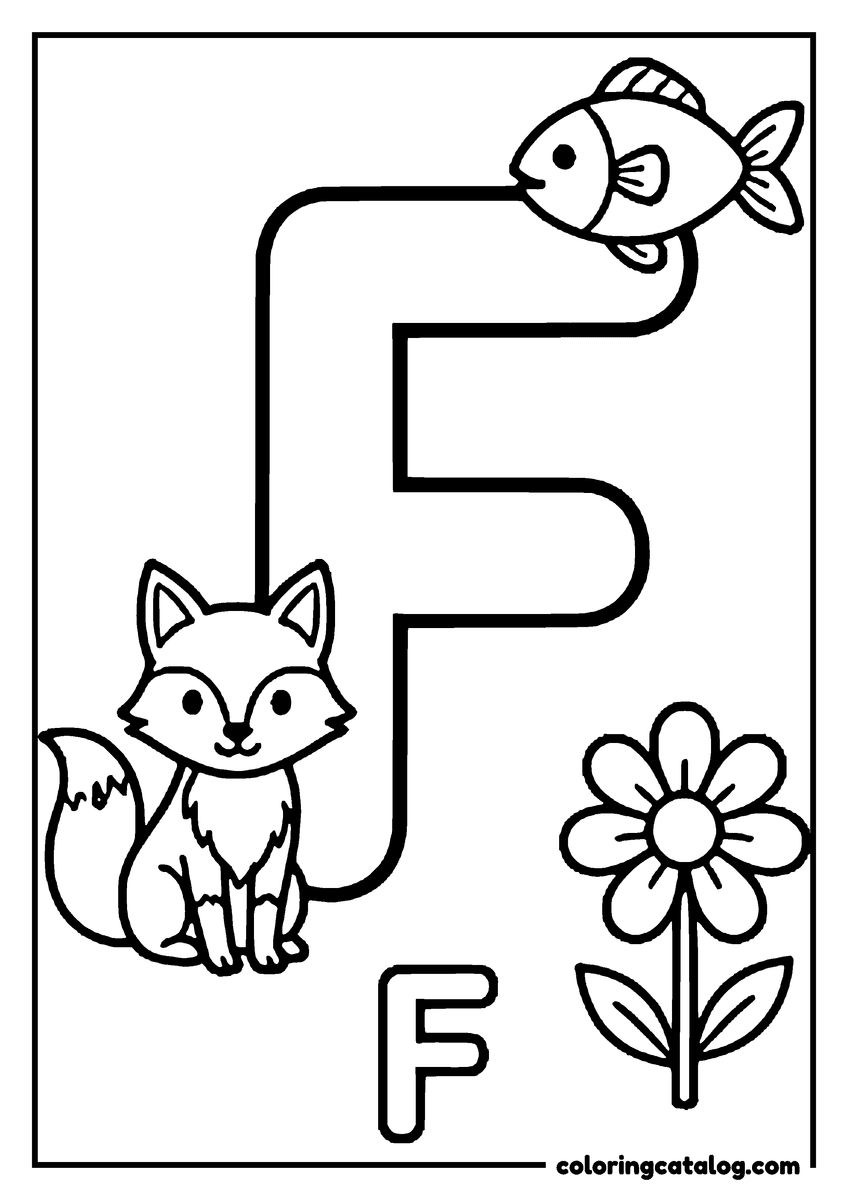
The letter F with a fox and flower
A big outlined F stands beside a fox, a fish and a flower, with a small F to trace
All Letter coloring pages
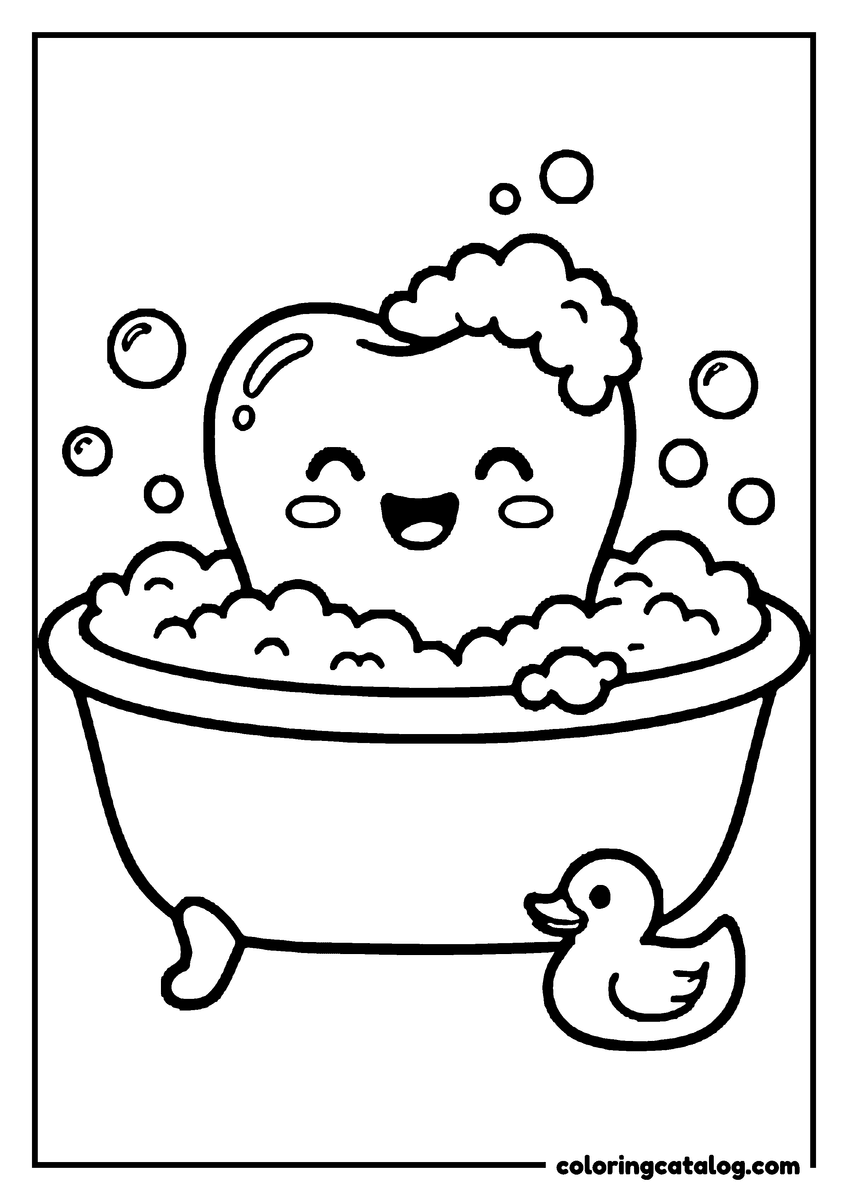
Tooth bubble bath
A happy tooth character in a clawfoot bathtub full of bubbles with a rubber duck
All Tooth coloring pages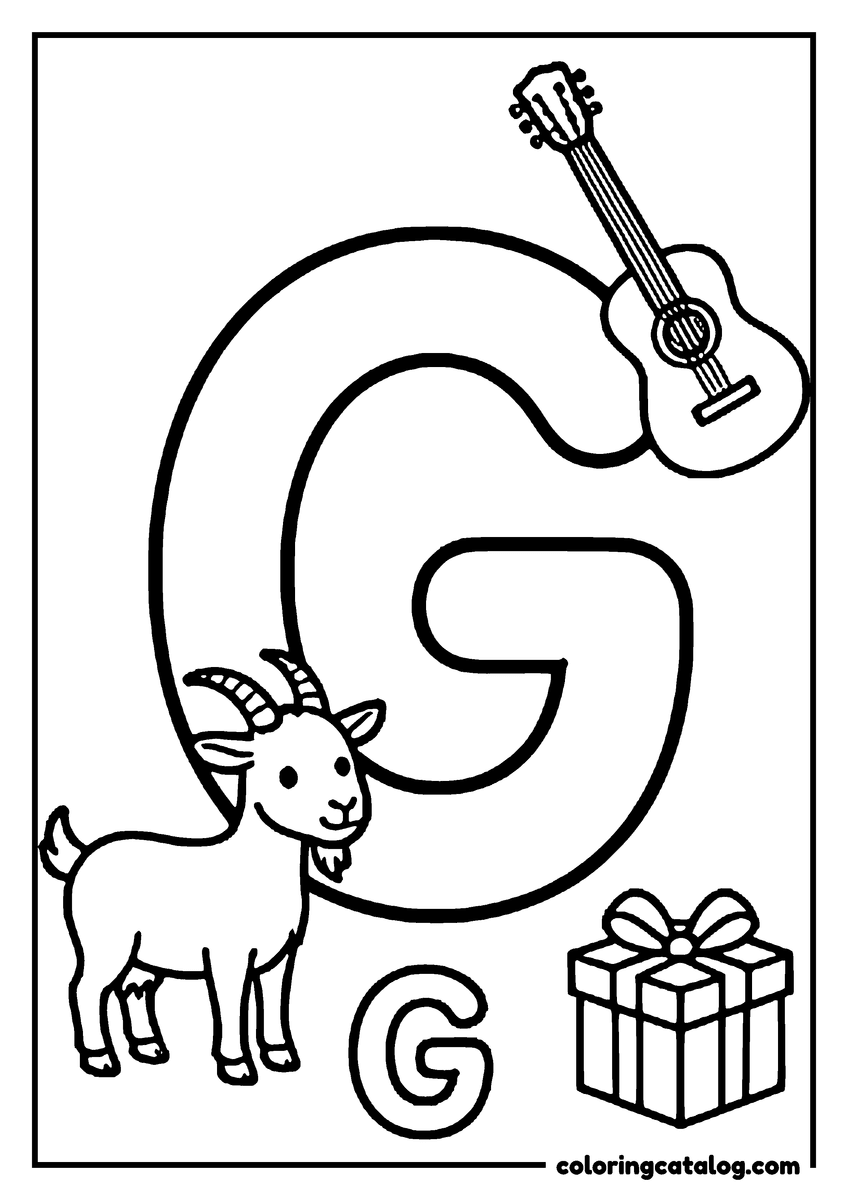
The letter G with a goat and guitar
A big outlined G stands beside a goat, a guitar and a wrapped gift, with a small G to trace
All Letter coloring pages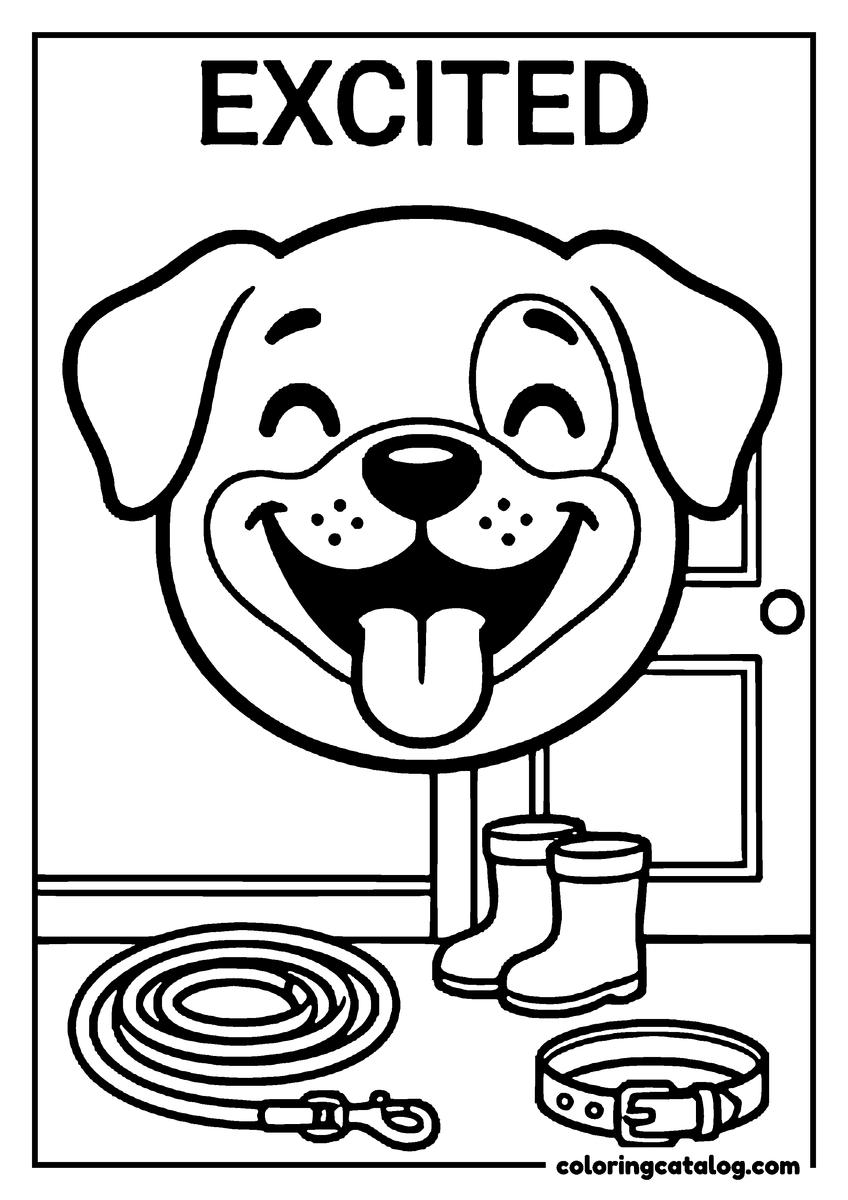
Excited
A grinning puppy under the word EXCITED, with a leash, collar and boots by the door
All Emotions coloring pages- See it on Amazon
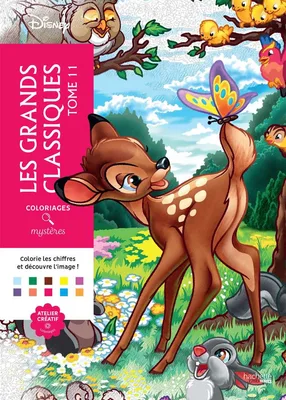
Coloriages Mystères: Grands Classiques 11Book
The eleventh volume of the French series, illustrated by Jeremy Mariez. A hundred numbered pages across Encanto, Tangled and Cars, in the large format the series keeps. French cover, English-free contents.
Numbered mystery pages across Encanto, Tangled and Cars.
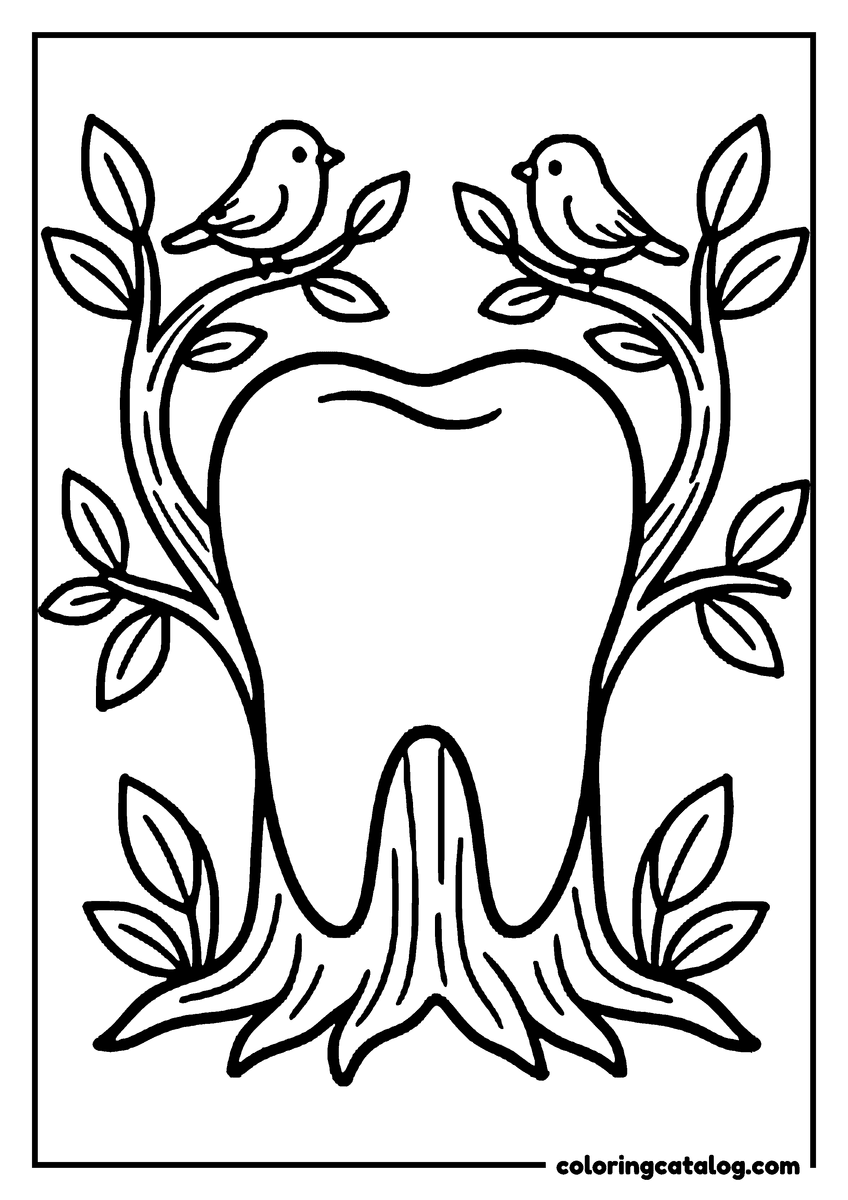
Tooth in the branches
A large tooth framed by leafy branches with two birds perched on top
All Tooth coloring pages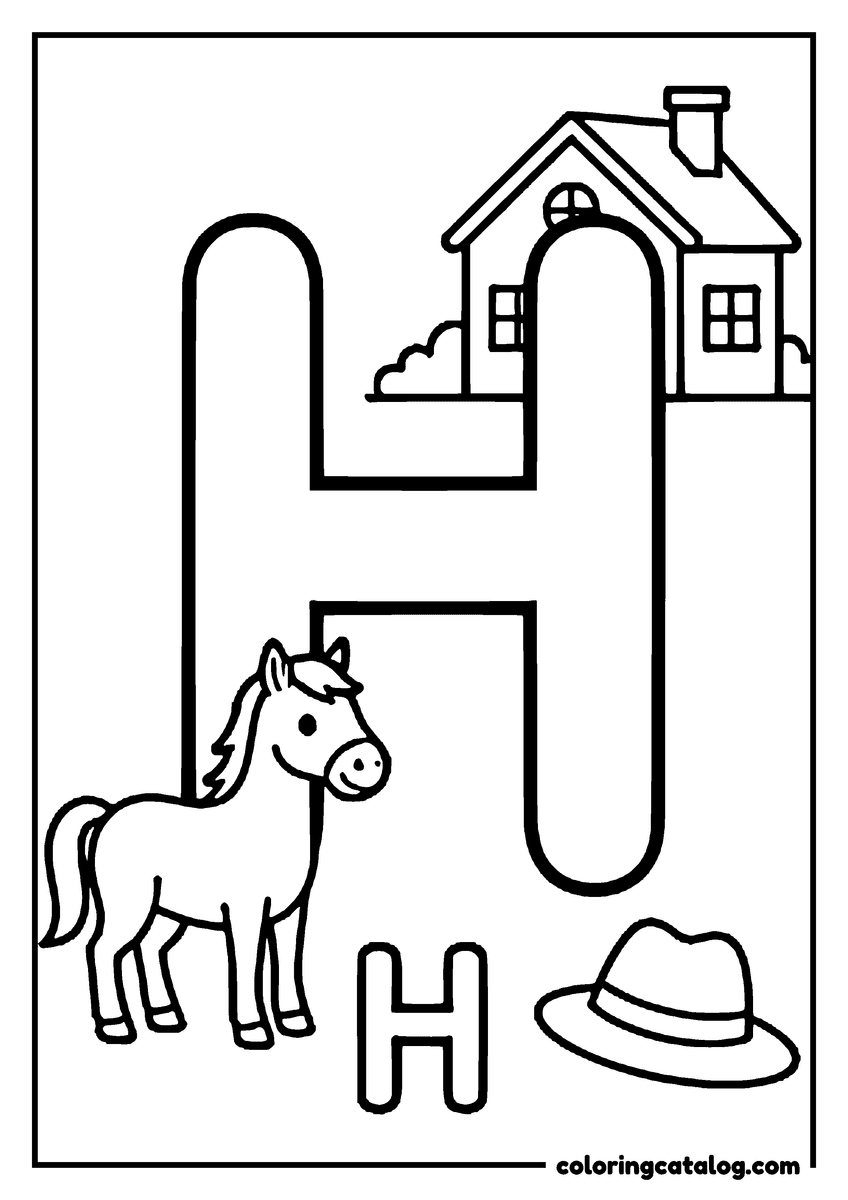
The letter H with a horse and house
A big outlined H stands beside a horse, a house and a hat, with a small H to trace
All Letter coloring pages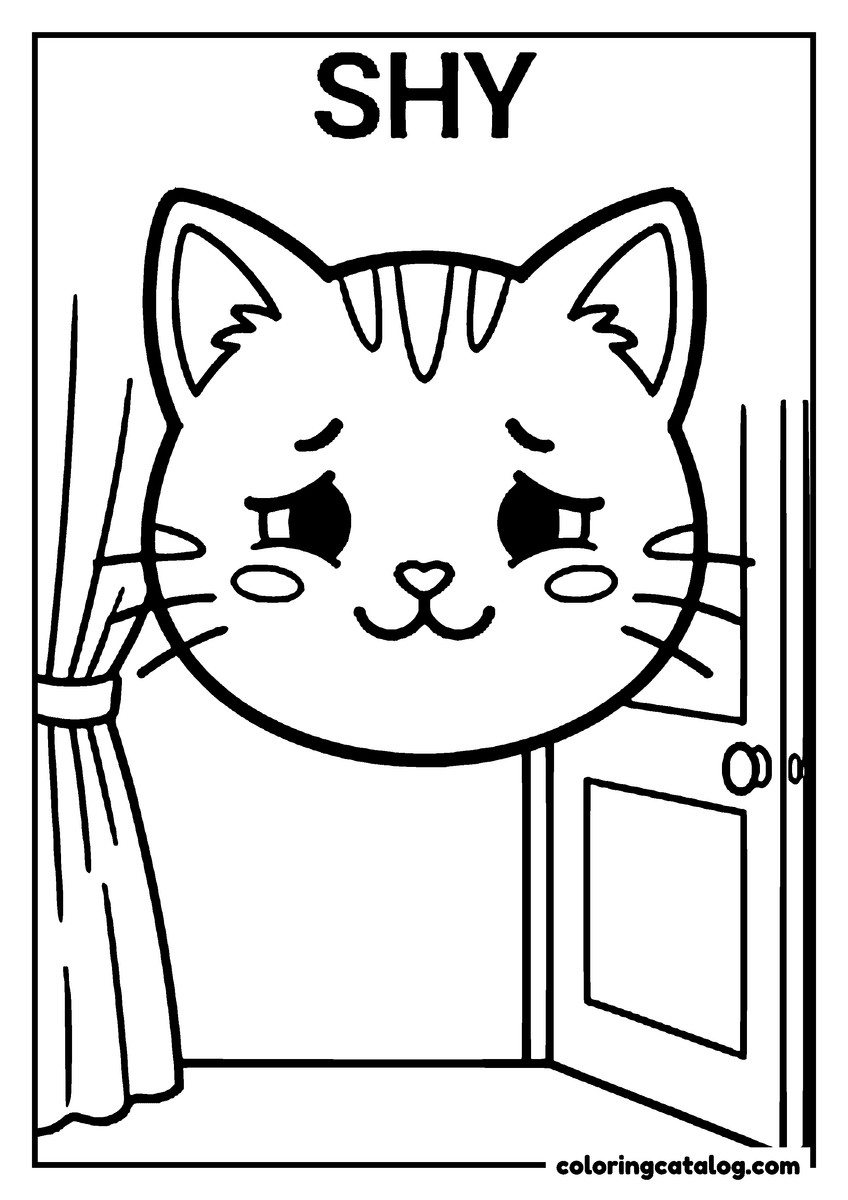
Shy
A blushing kitten under the word SHY, peeking from behind a curtain by a door
All Emotions coloring pages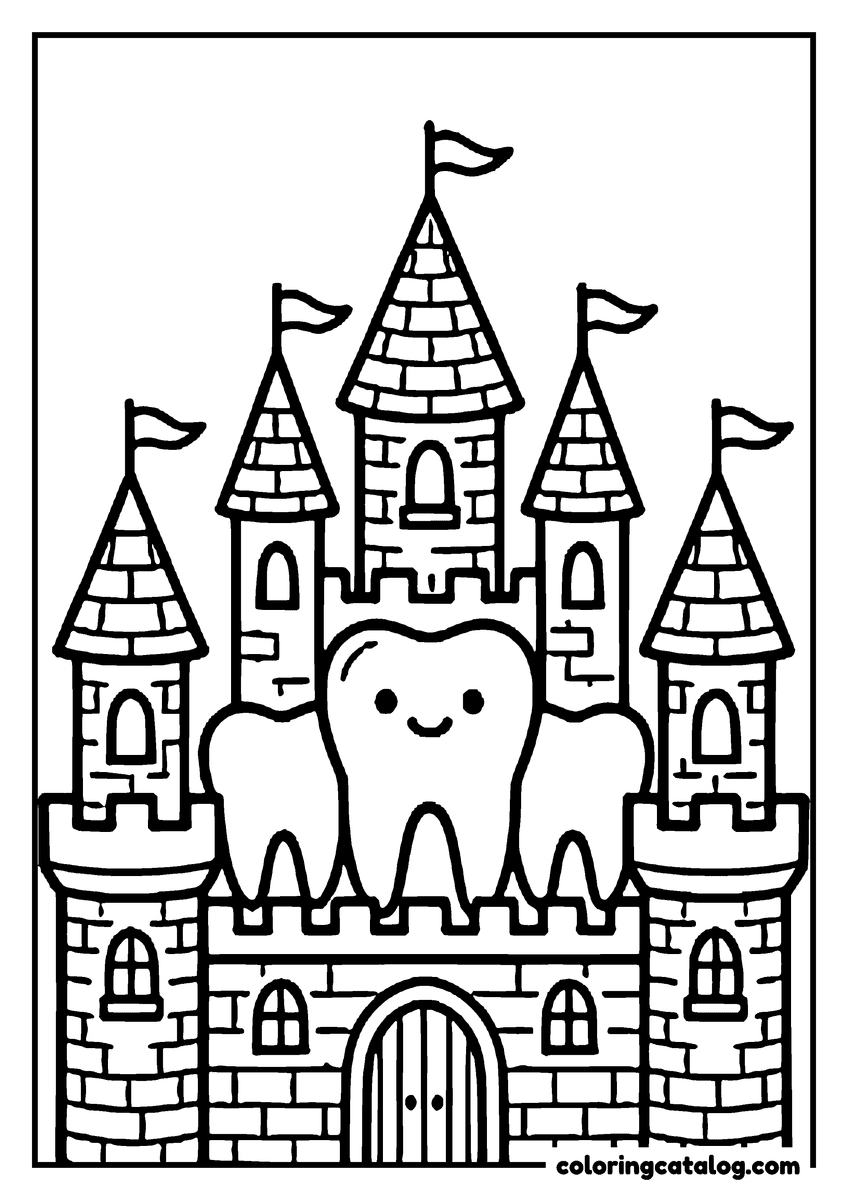
Tooth castle
Smiling teeth set in the middle of a stone castle with flag-topped towers
All Tooth coloring pages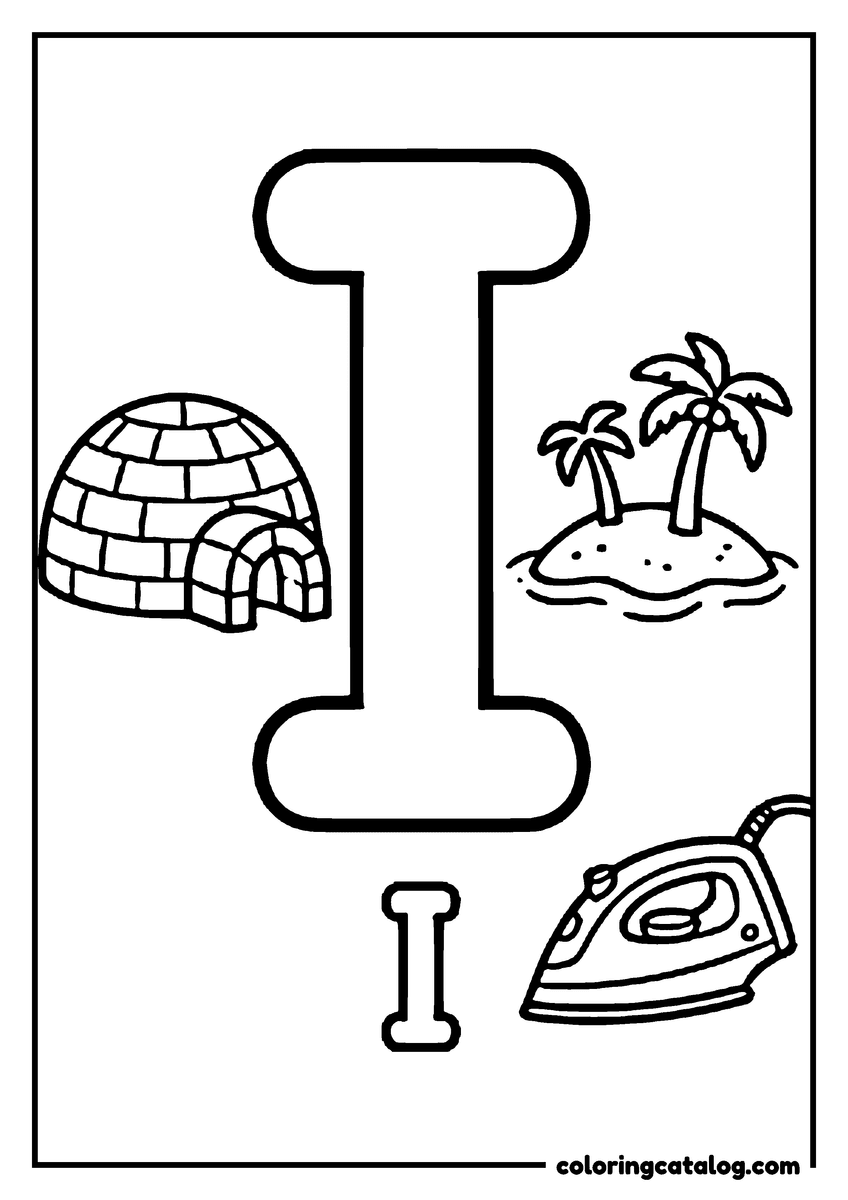
The letter I with an igloo and island
A big outlined I stands between an igloo, a palm island and an iron, with a small I to trace
All Letter coloring pages- See it on Amazon
The same cozy rooms as Cozy Friends, with a jack-o-lantern in them: creepy characters drawn round and friendly. Eighty-eight pages printed one side only, so a marker that goes through does not ruin the next drawing.
Creepy characters drawn round and friendly, printed one side only.
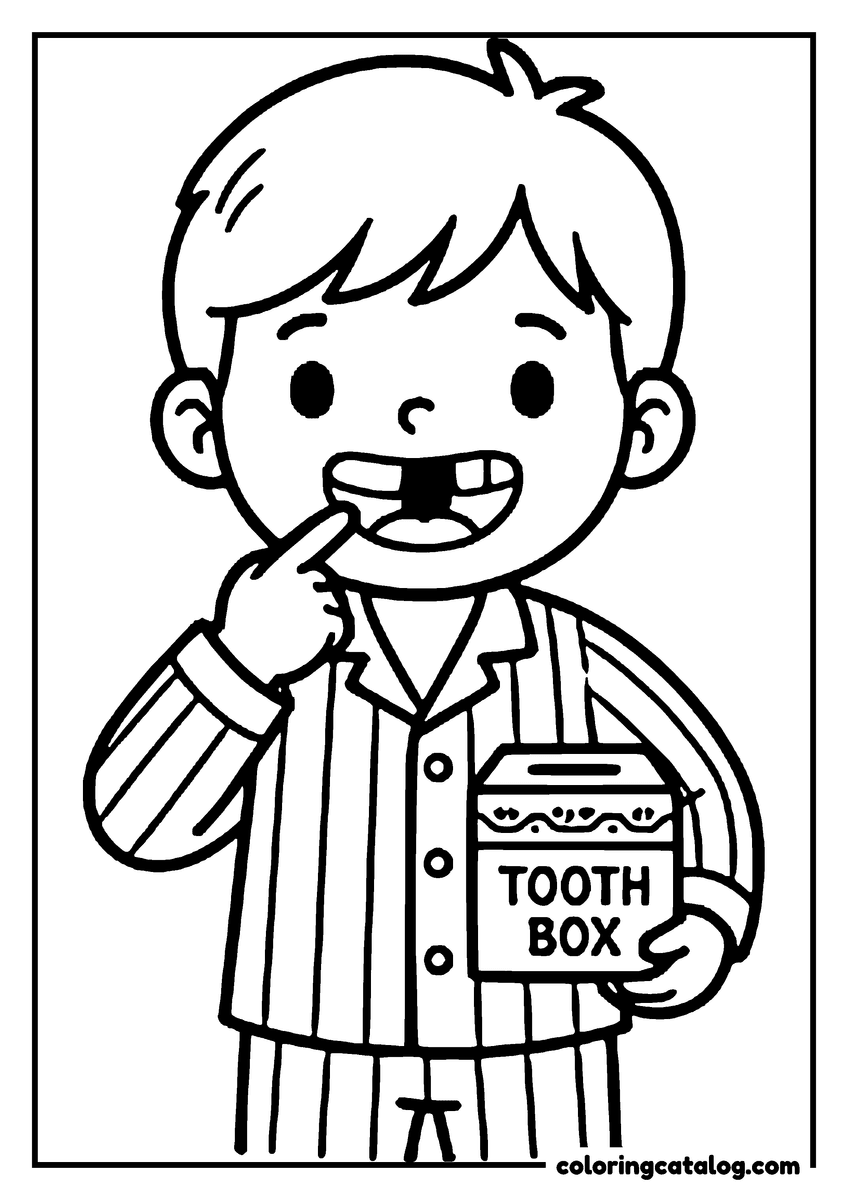
Missing tooth
A boy in striped pajamas pointing to his missing front tooth and holding a tooth box
All Tooth coloring pages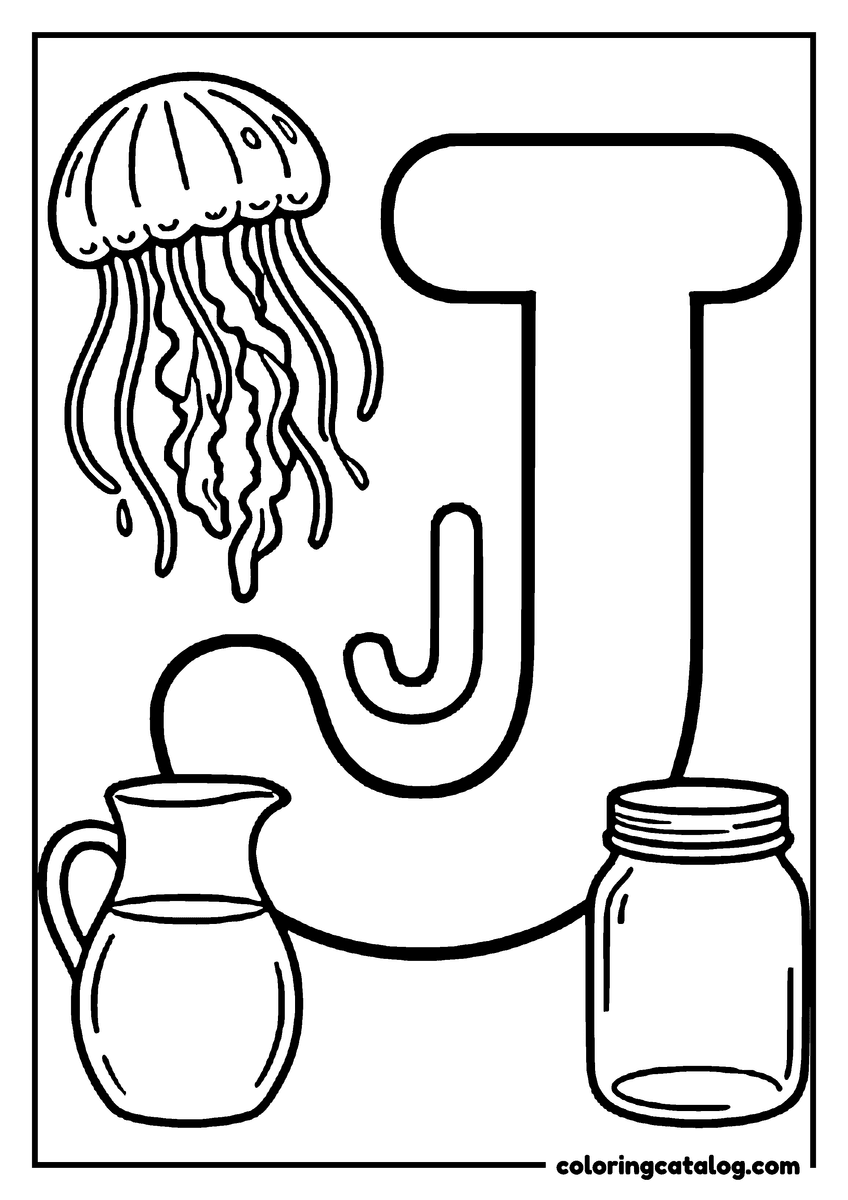
The letter J with a jellyfish and jug
A big outlined J stands beside a jellyfish, a jug and a screw-top jar, with a small J to trace
All Letter coloring pages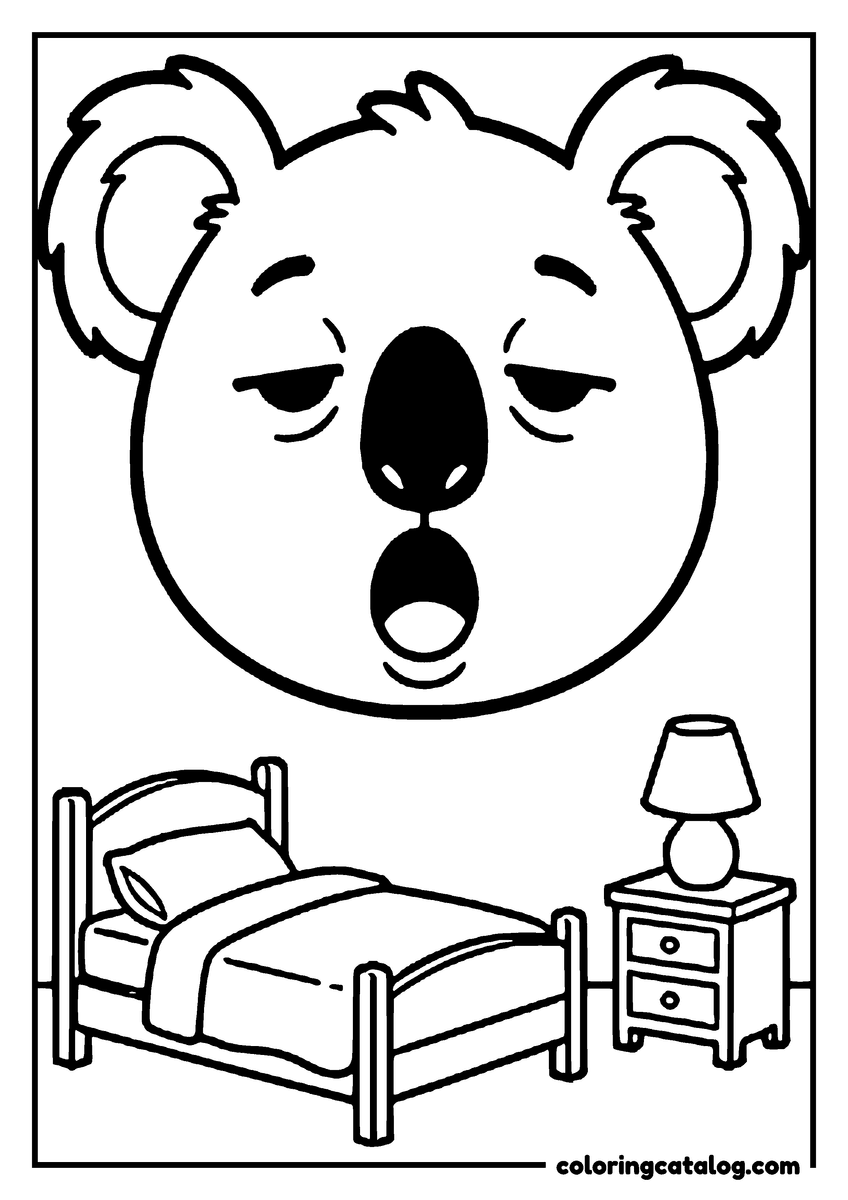
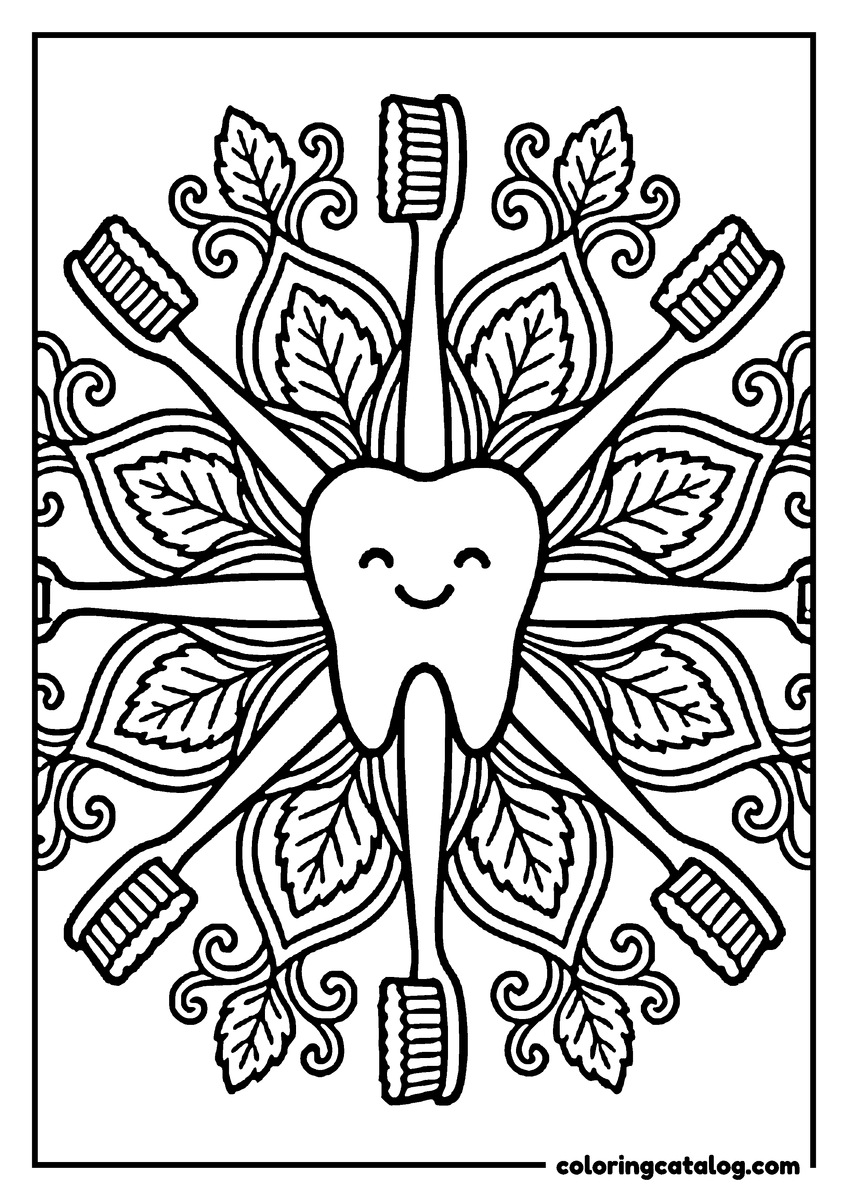
Toothbrush mandala
A mandala of toothbrushes and leaves around a smiling tooth
All Tooth coloring pages- See it on Amazon
Guangna acrylic paint markers, 240 colorsMarkers
Opaque acrylic ink through a brush tip that goes from 1 mm to 6 mm, for the flat solid color that bold-and-easy pages look best in and a felt tip cannot match. They need weight under them: a single-sided book page or 120 gsm paper, not ordinary copy paper.
Opaque brush-tip acrylic for flat, solid color on bold pages.
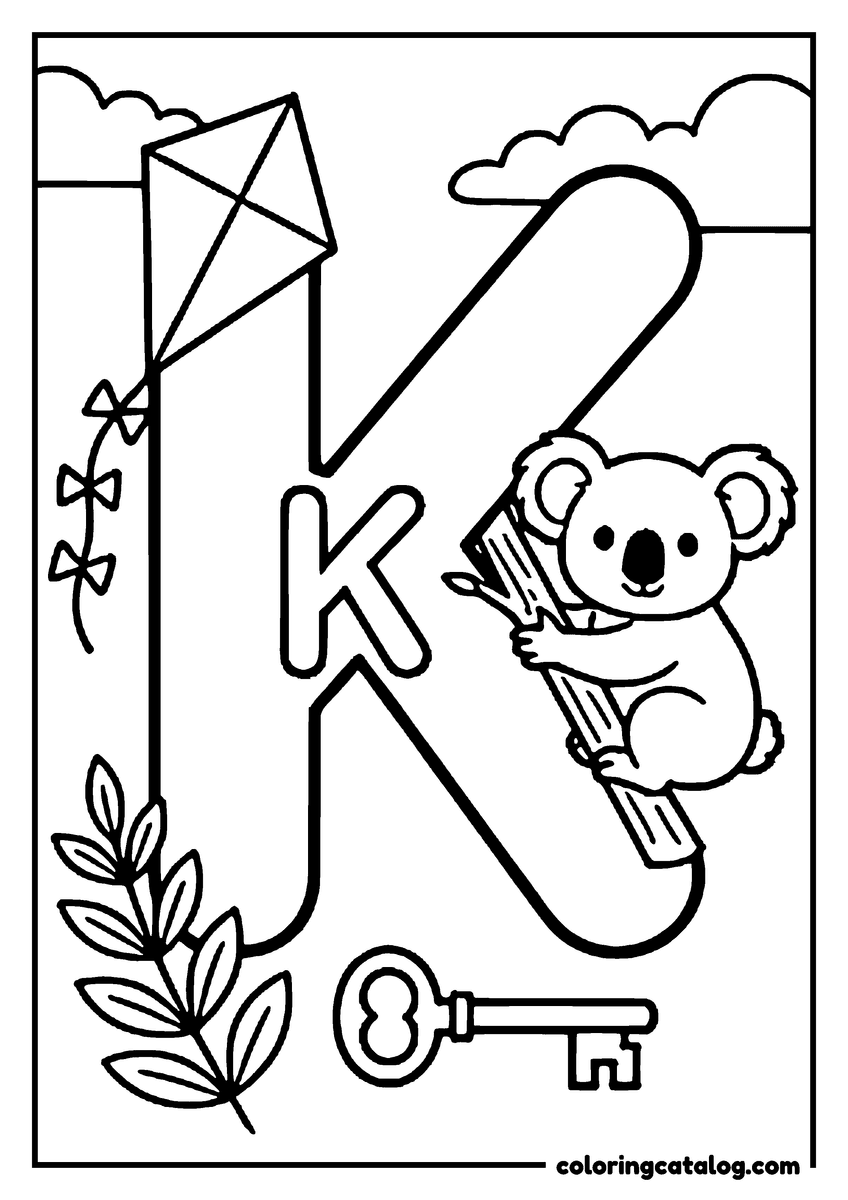
The letter K with a kite and koala
A big outlined K stands beside a kite, a koala and a key, with a small K to trace
All Letter coloring pages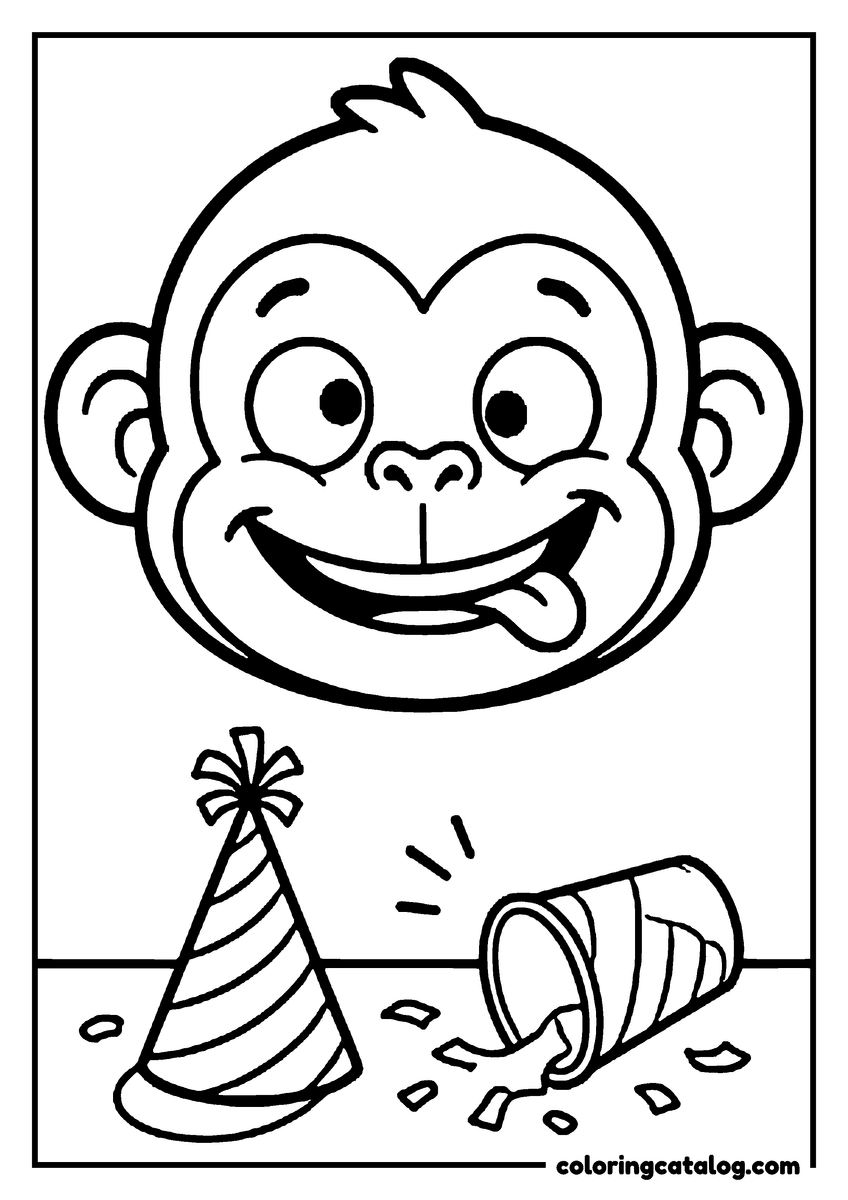
Silly monkey
A monkey pulling a silly face over a party hat and a spilled cup
All Emotions coloring pages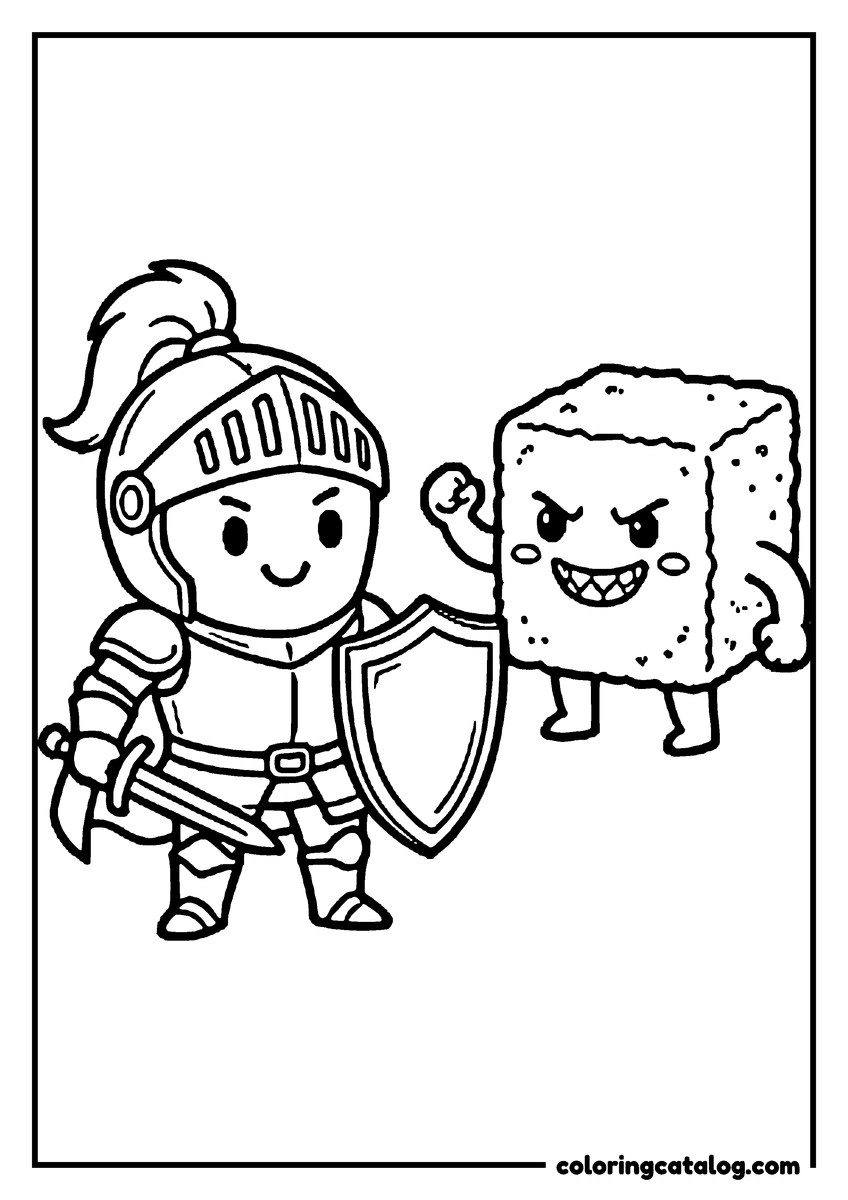
Knight and the sugar cube
A little knight with a shield and sword facing a grumpy sugar cube monster
All Tooth coloring pages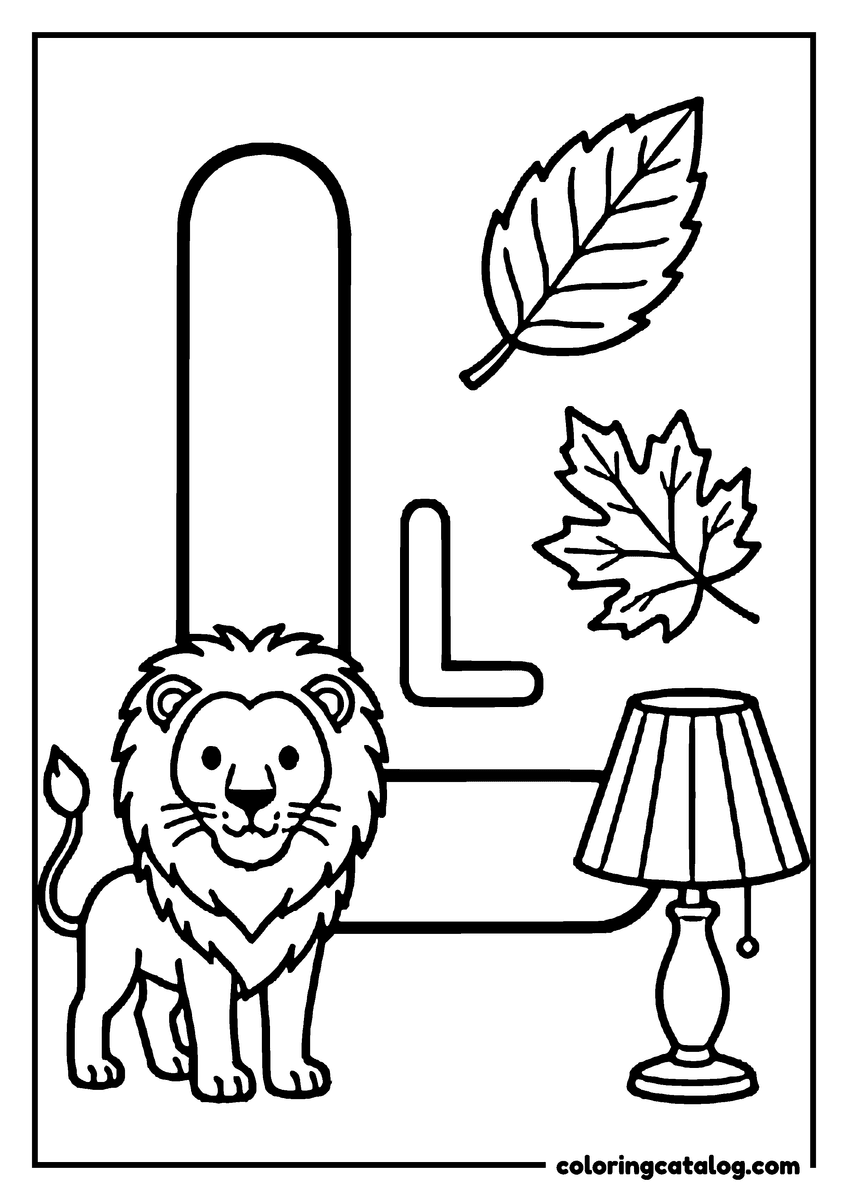
The letter L with a lion and lamp
A big outlined L stands beside a lion, two leaves and a table lamp, with a small L to trace
All Letter coloring pages
- See it on Amazon
The book that made the cozy style what it is. Bold, simple outlines with cute animal characters, which is the opposite of the dense hunt books and finishes in an evening.
Bold, simple outlines and cute animals, done in an evening.
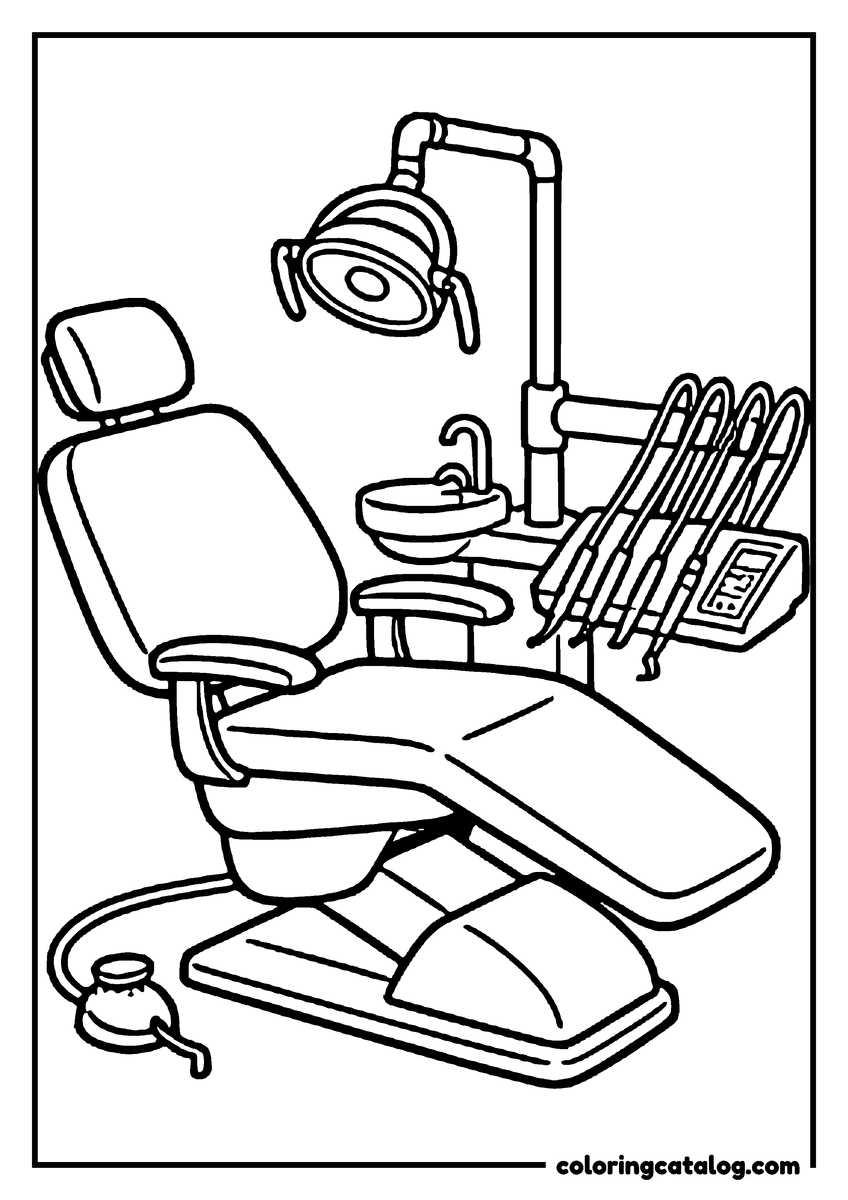
Dentist chair
A dentist chair with its lamp, little sink and tray of instruments
All Tooth coloring pages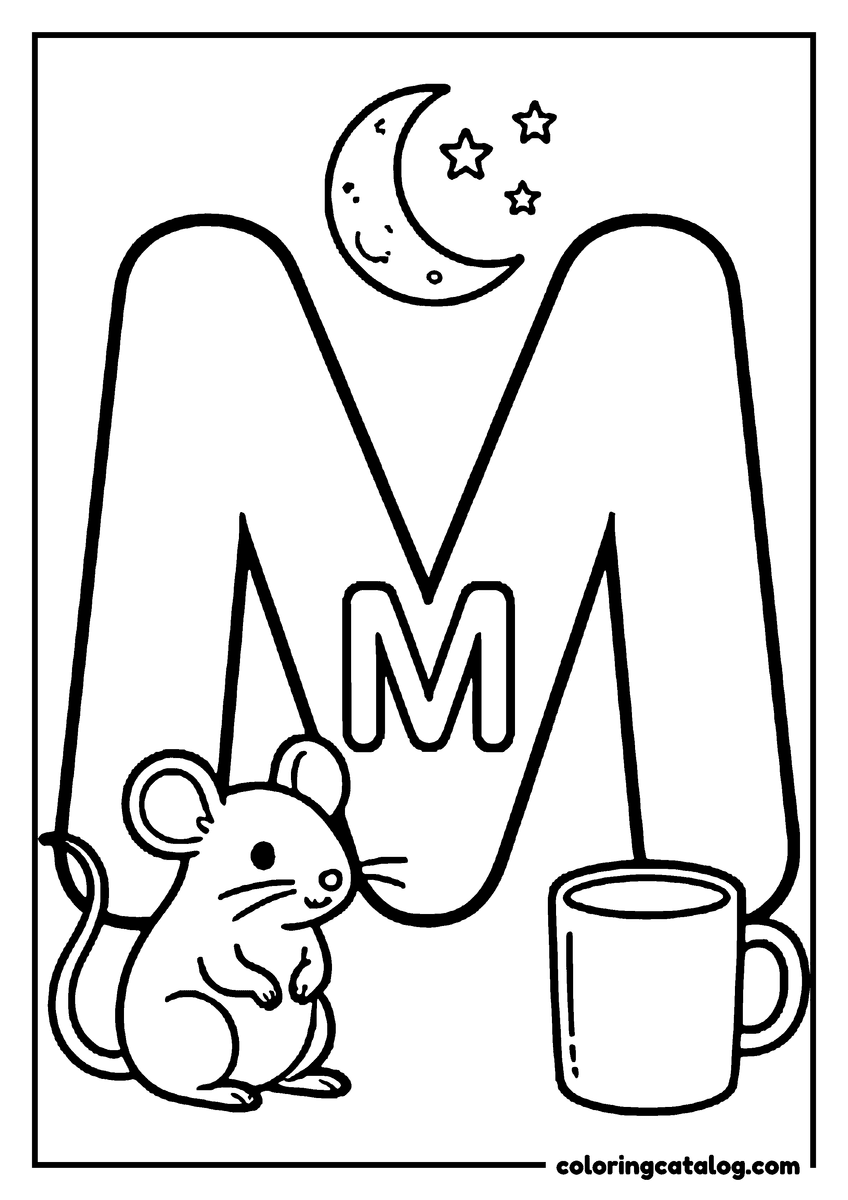
The letter M with a mouse and moon
A big outlined M stands beside a mouse, a crescent moon and a mug, with a small M to trace
All Letter coloring pages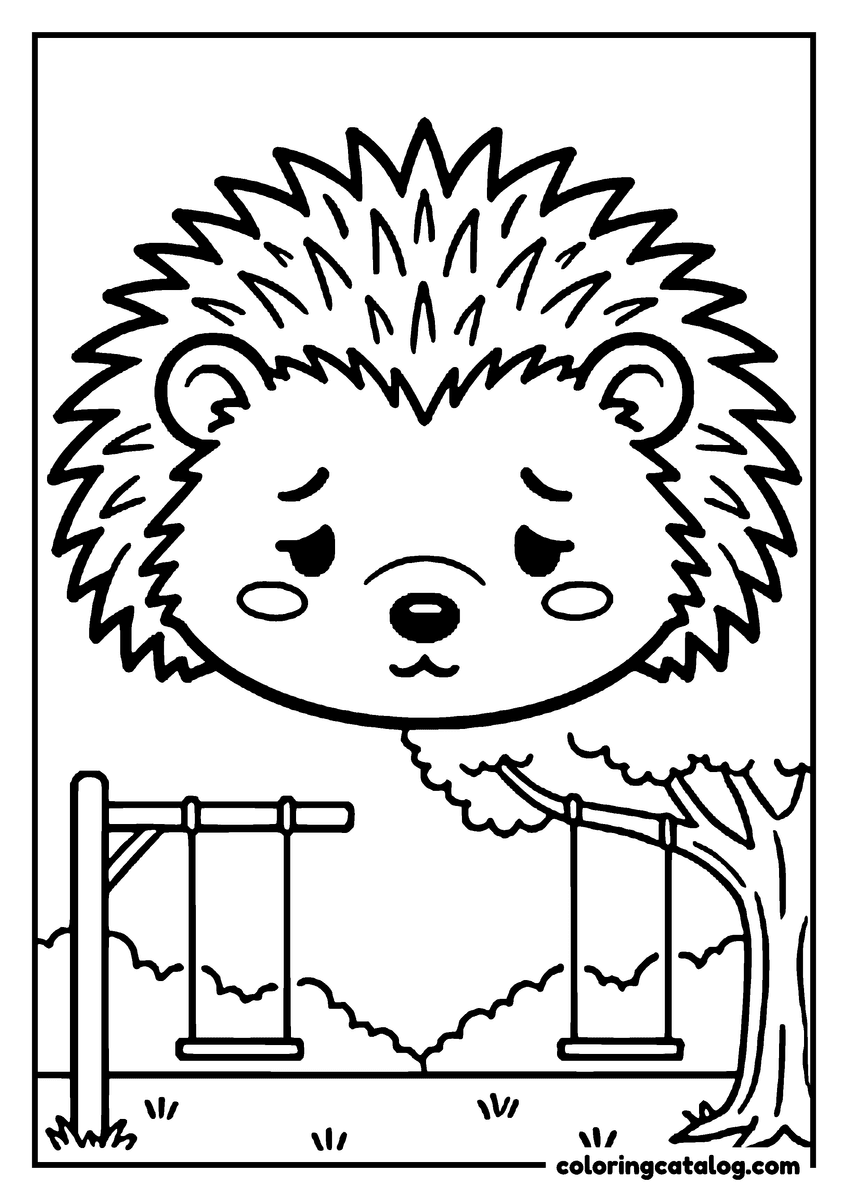
Lonely hedgehog
A hedgehog with a small sad smile above an empty swing set
All Emotions coloring pages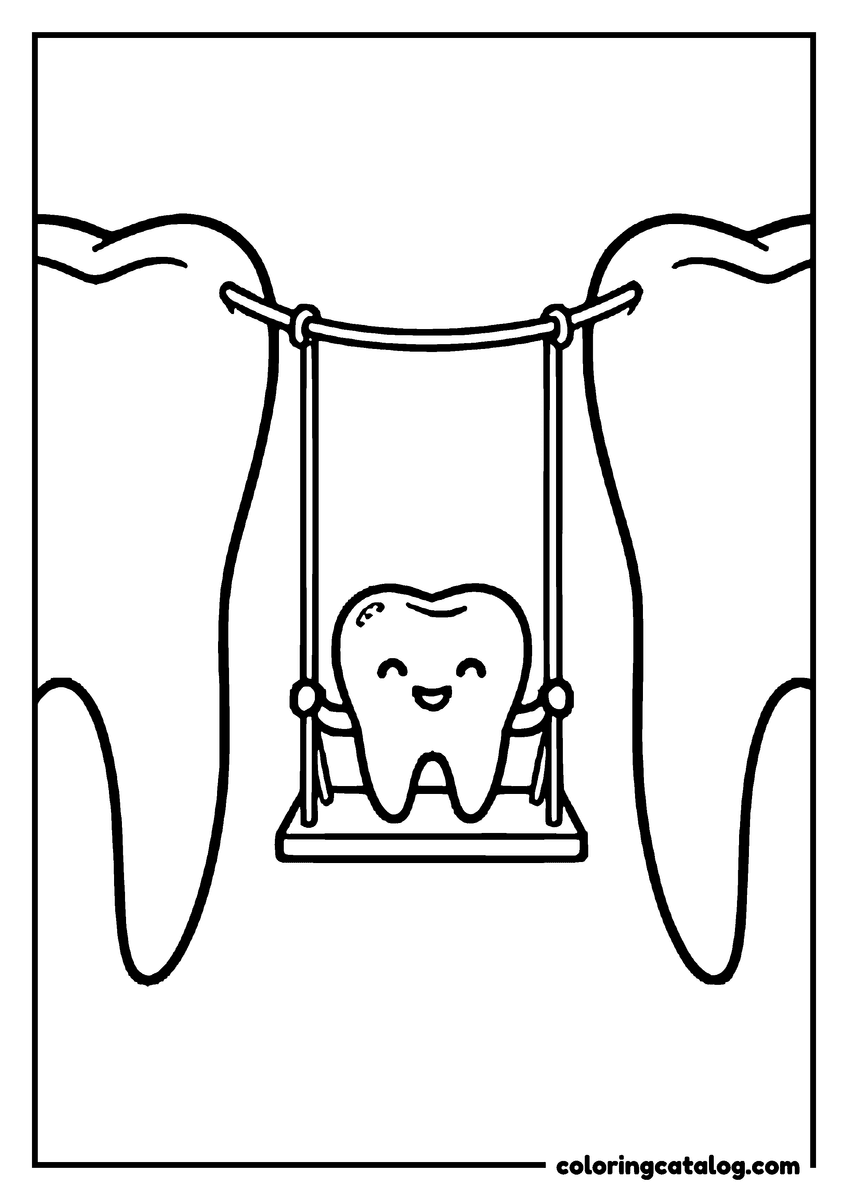
Tooth on a swing
A little tooth swinging on a swing hung between two big teeth
All Tooth coloring pages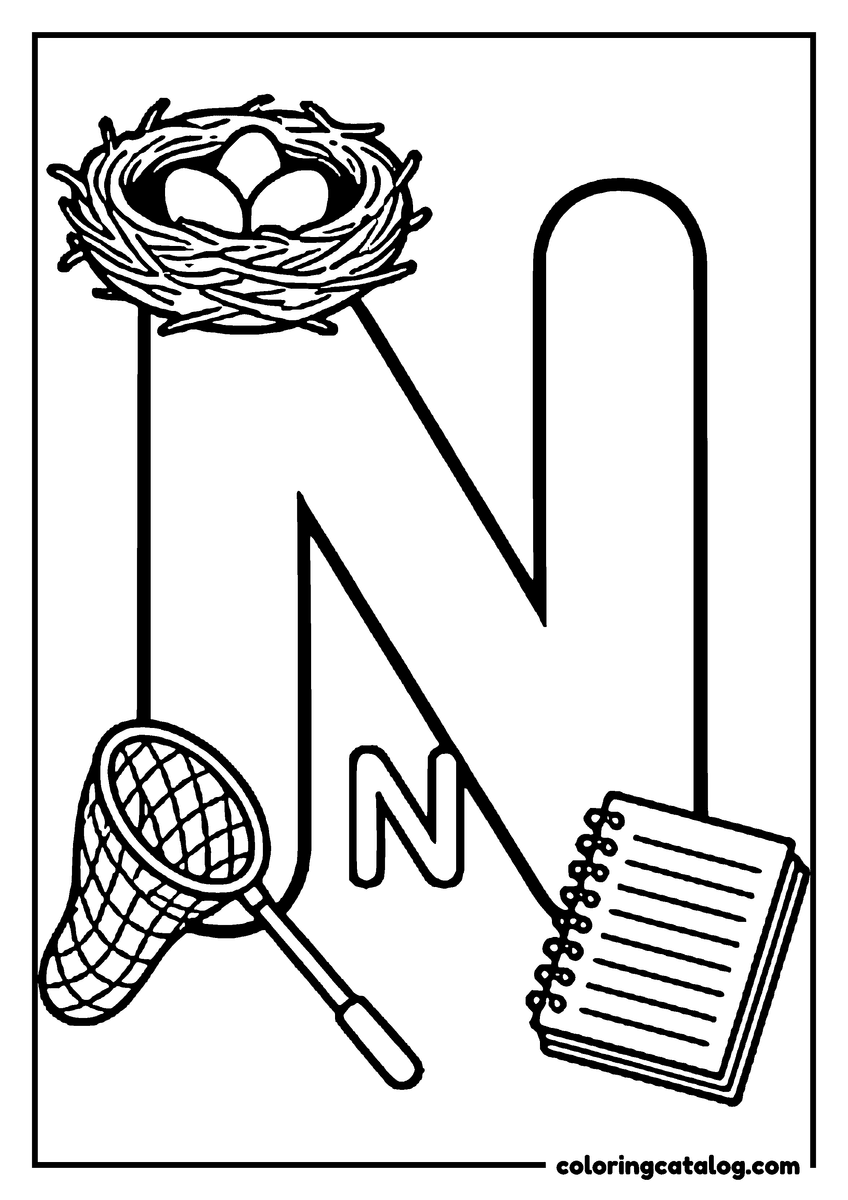
The letter N with a nest and net
A big outlined N stands beside a nest of eggs, a net and a notebook, with a small N to trace
All Letter coloring pages- See it on Amazon
Coloriages Mystères: Grands Classiques 11Book
The eleventh volume of the French series, illustrated by Jeremy Mariez. A hundred numbered pages across Encanto, Tangled and Cars, in the large format the series keeps. French cover, English-free contents.
Numbered mystery pages across Encanto, Tangled and Cars.
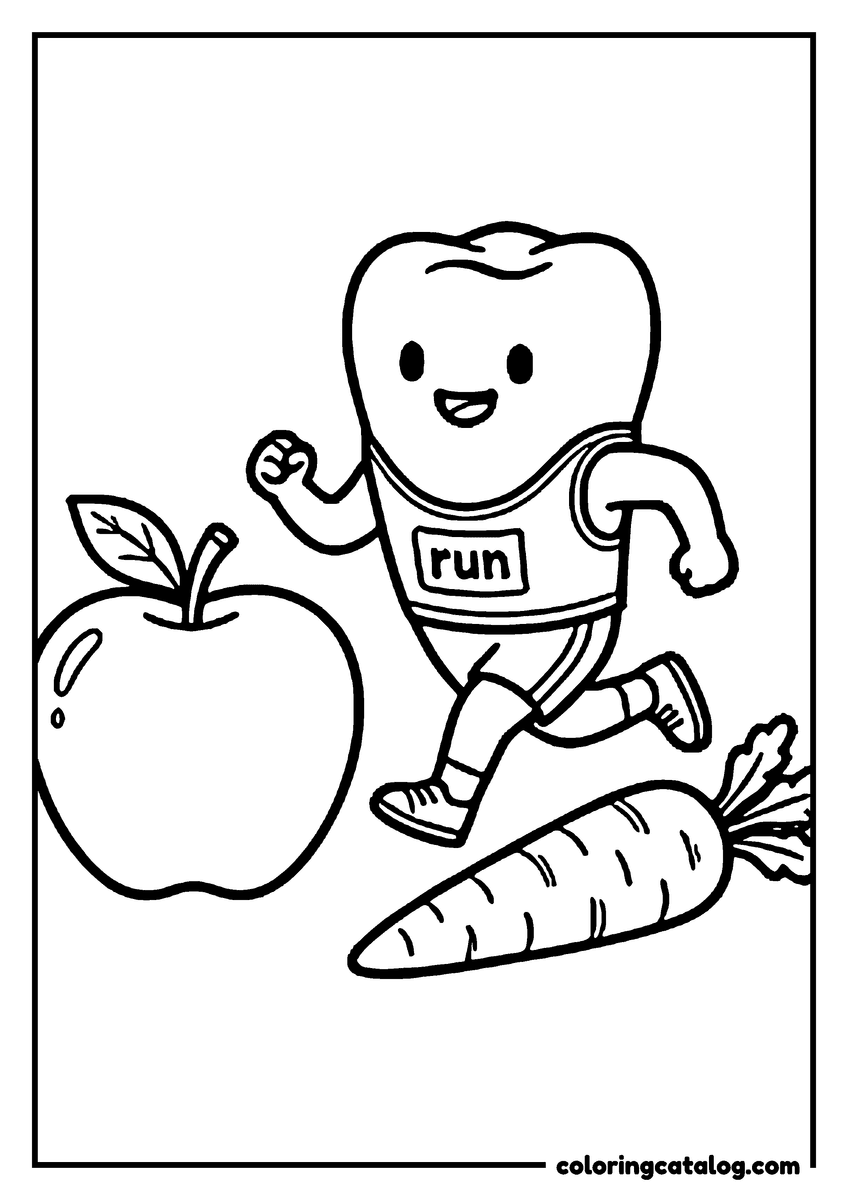
Healthy run
A tooth character in a running shirt jogging past a big apple and a carrot
All Tooth coloring pages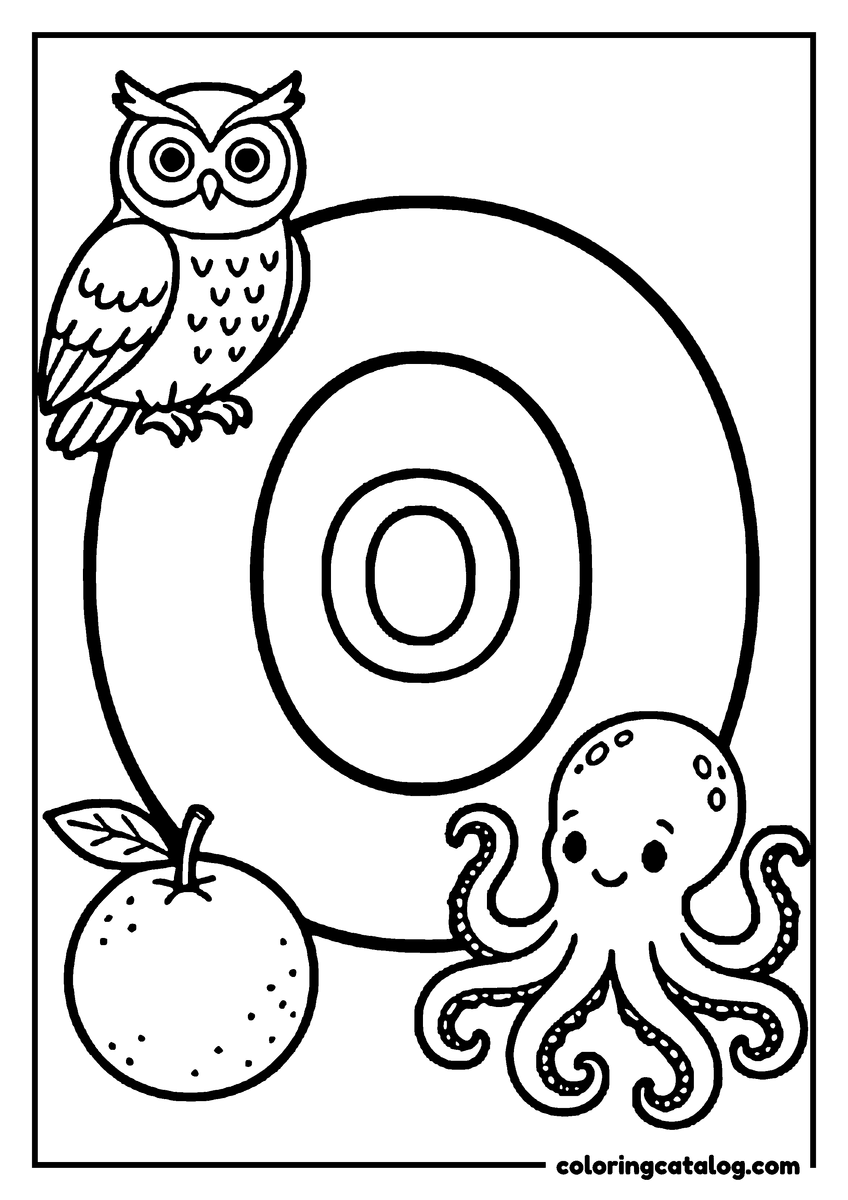
The letter O with an owl and octopus
A big outlined O is ringed by an owl, an orange and an octopus, with a small O to trace
All Letter coloring pages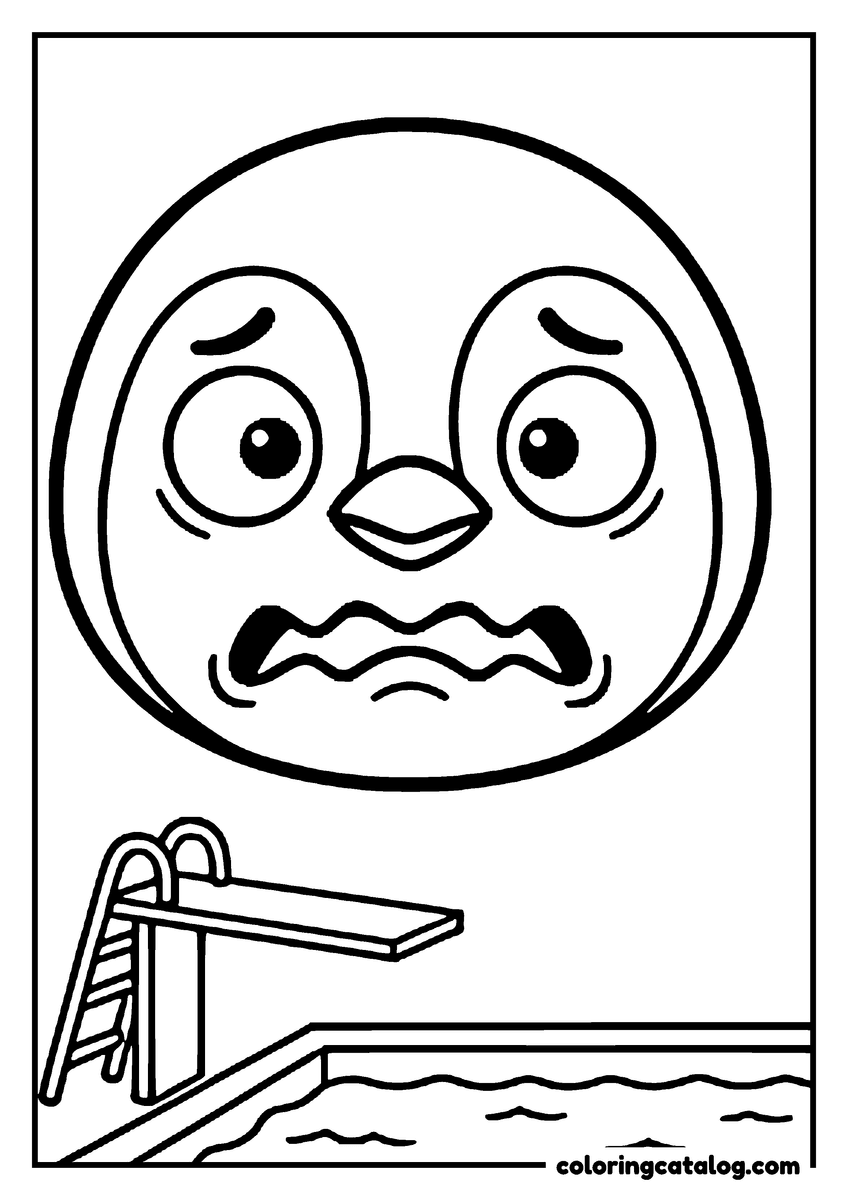
Nervous penguin
A penguin with a wobbly worried mouth above a pool and diving board
All Emotions coloring pages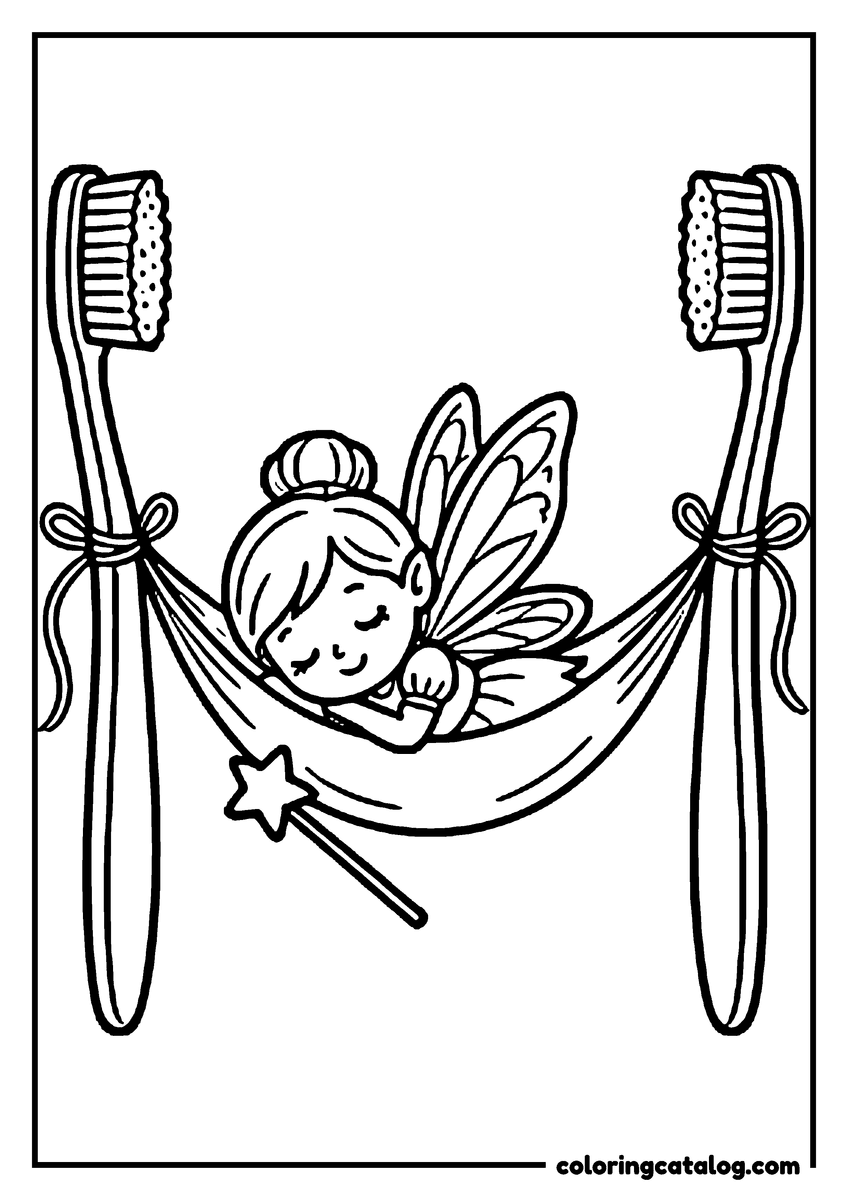
Fairy hammock
The tooth fairy asleep in a hammock tied between two toothbrushes
All Tooth coloring pages- See it on Amazon
The same cozy rooms as Cozy Friends, with a jack-o-lantern in them: creepy characters drawn round and friendly. Eighty-eight pages printed one side only, so a marker that goes through does not ruin the next drawing.
Creepy characters drawn round and friendly, printed one side only.
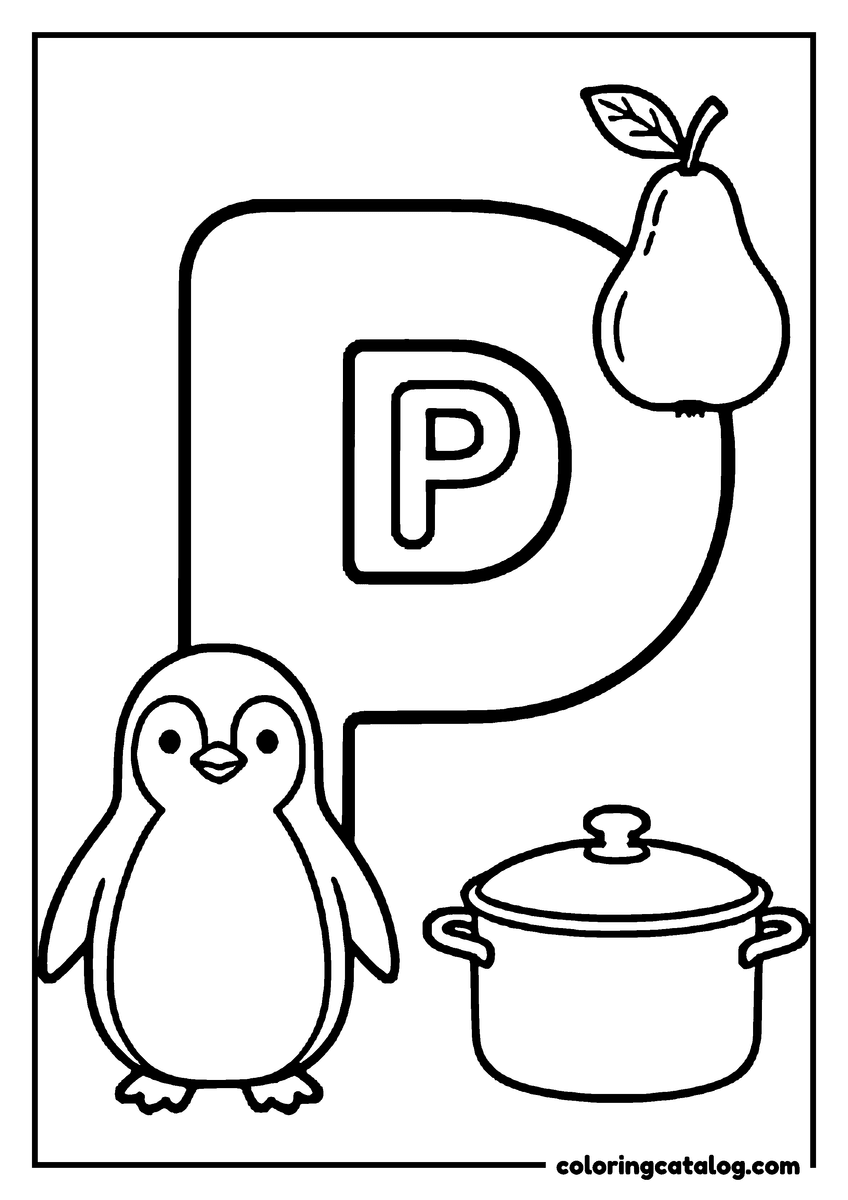
The letter P with a penguin and pear
A big outlined P stands beside a penguin, a pear and a lidded pot, with a small P to trace
All Letter coloring pages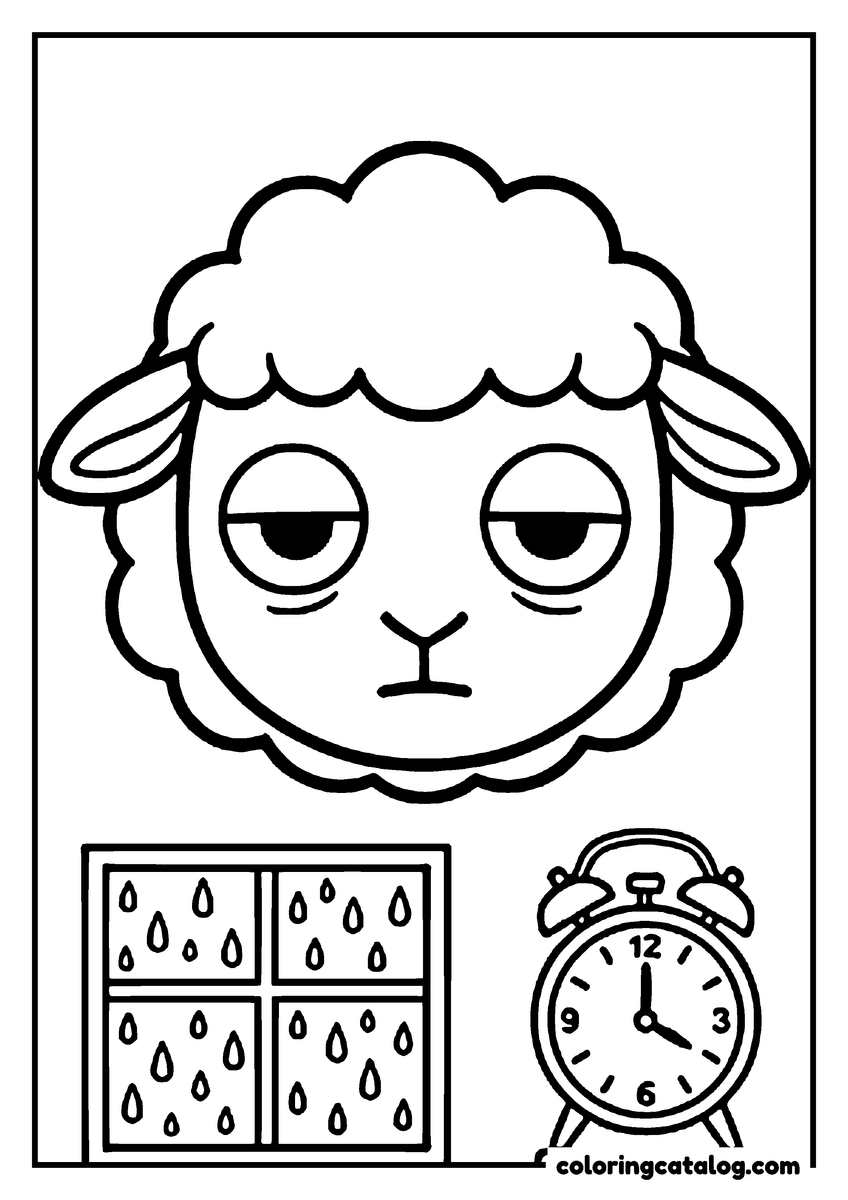
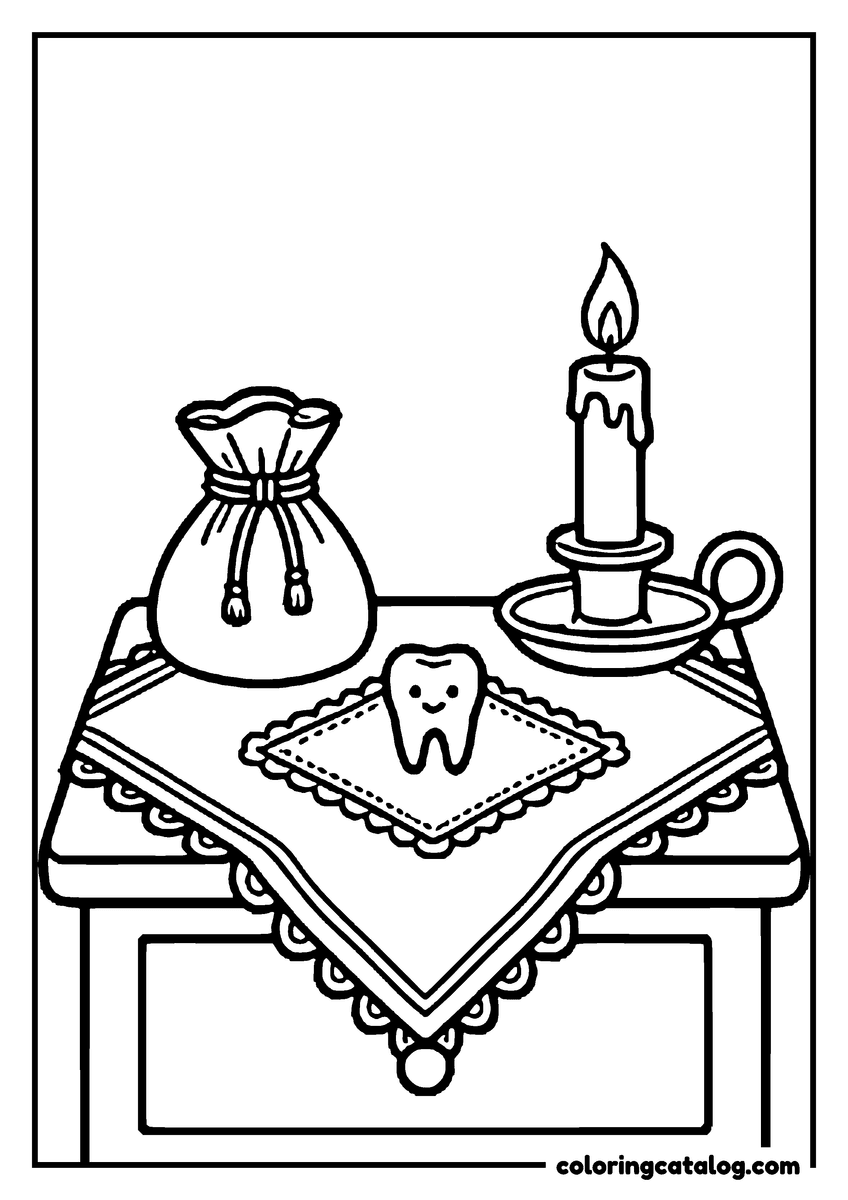
Waiting for the fairy
A baby tooth on a lace cloth on a nightstand next to a coin pouch and a candle
All Tooth coloring pages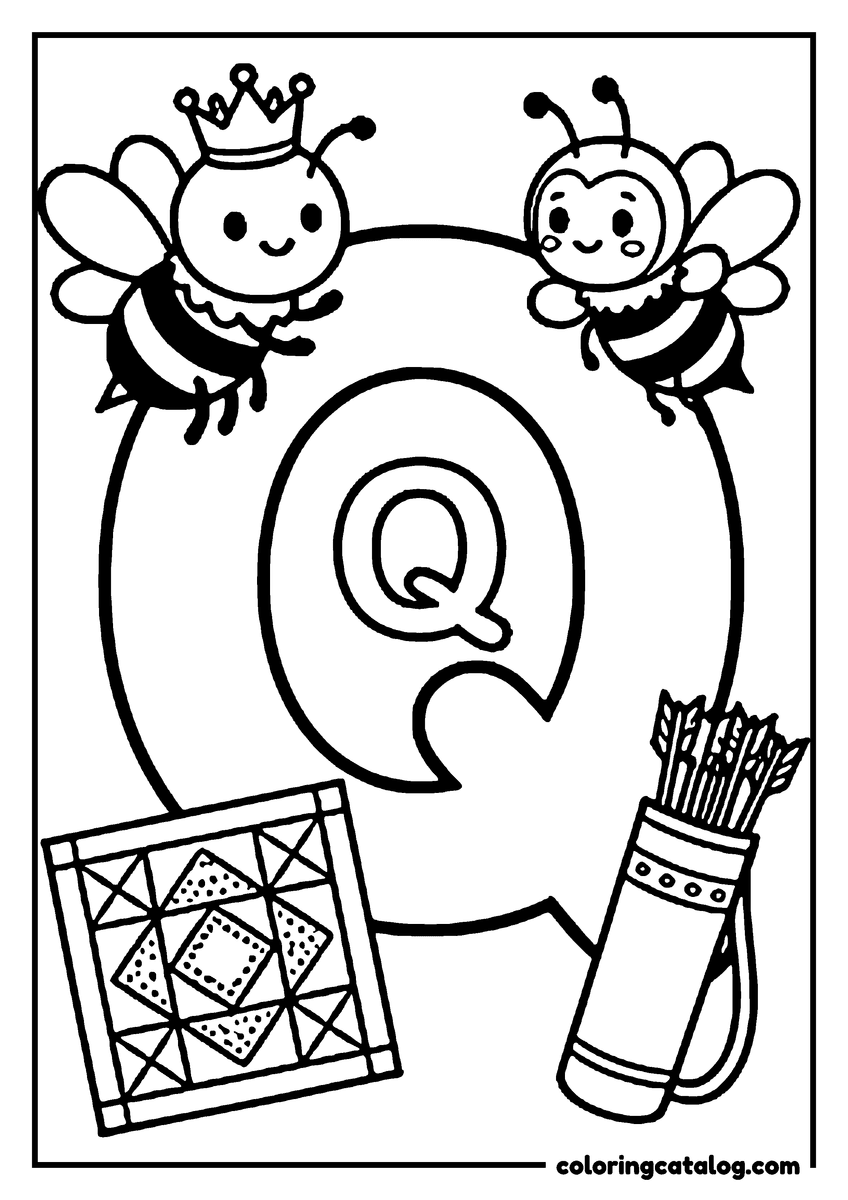
The letter Q with a queen bee and quilt
A big outlined Q sits between a crowned queen bee, a patterned quilt and a quiver of arrows
All Letter coloring pages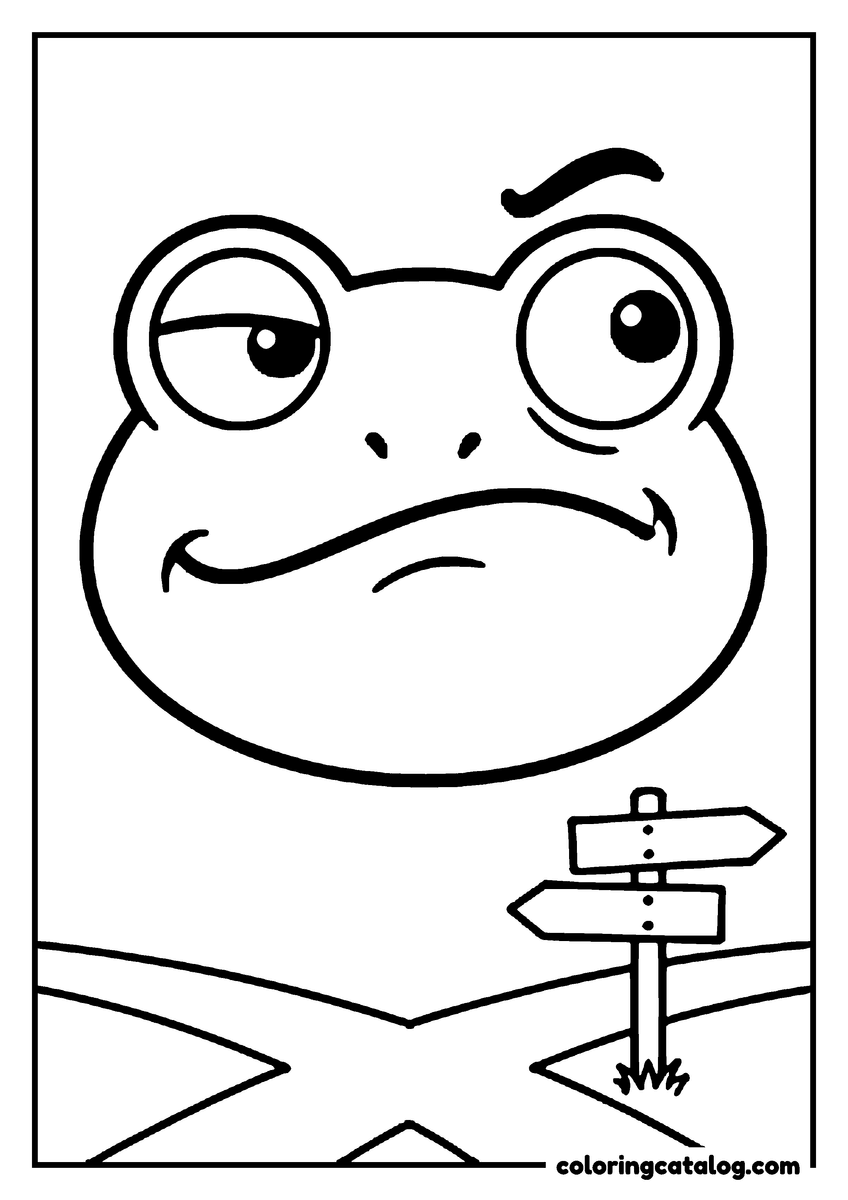
Unsure frog
A frog with one raised eyebrow above a signpost at a fork in the path
All Emotions coloring pages- See it on Amazon
Guangna acrylic paint markers, 240 colorsMarkers
Opaque acrylic ink through a brush tip that goes from 1 mm to 6 mm, for the flat solid color that bold-and-easy pages look best in and a felt tip cannot match. They need weight under them: a single-sided book page or 120 gsm paper, not ordinary copy paper.
Opaque brush-tip acrylic for flat, solid color on bold pages.
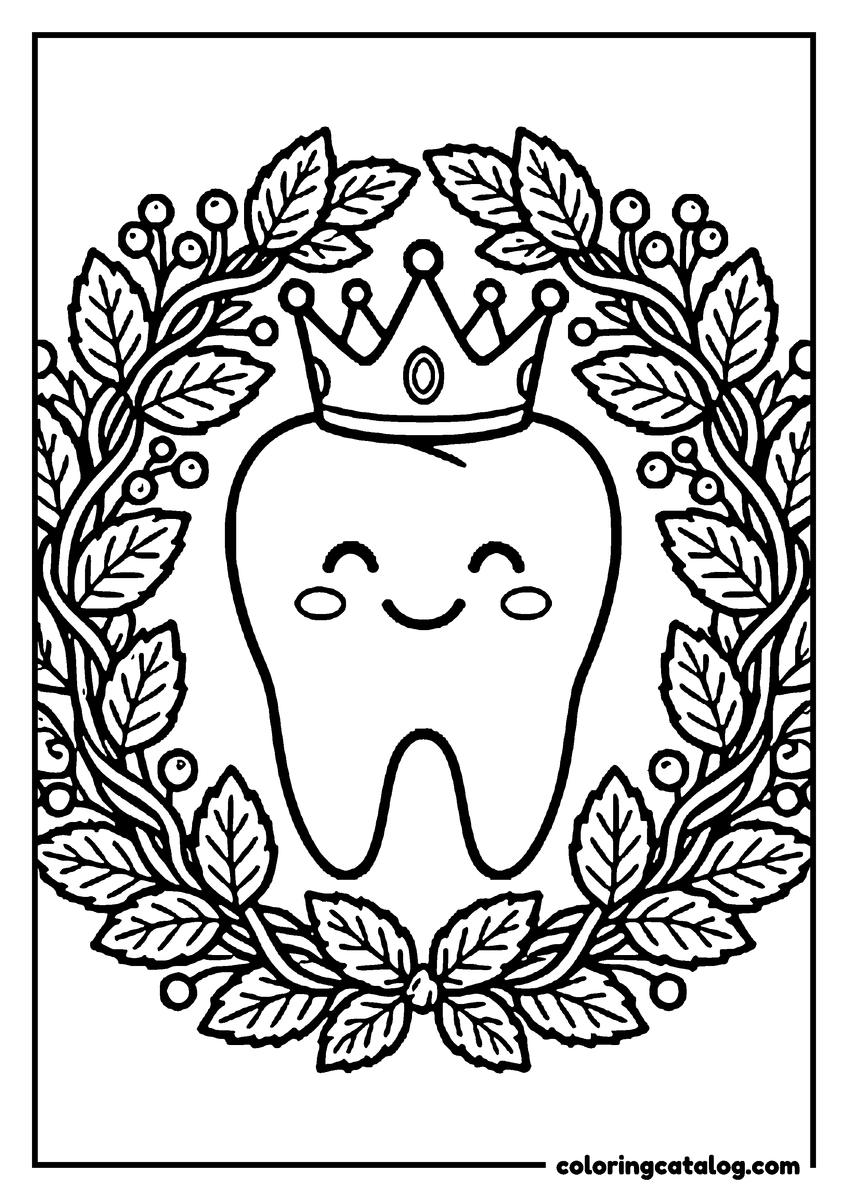
Tooth in a crown
A smiling tooth wearing a crown inside a wreath of leaves and berries
All Tooth coloring pages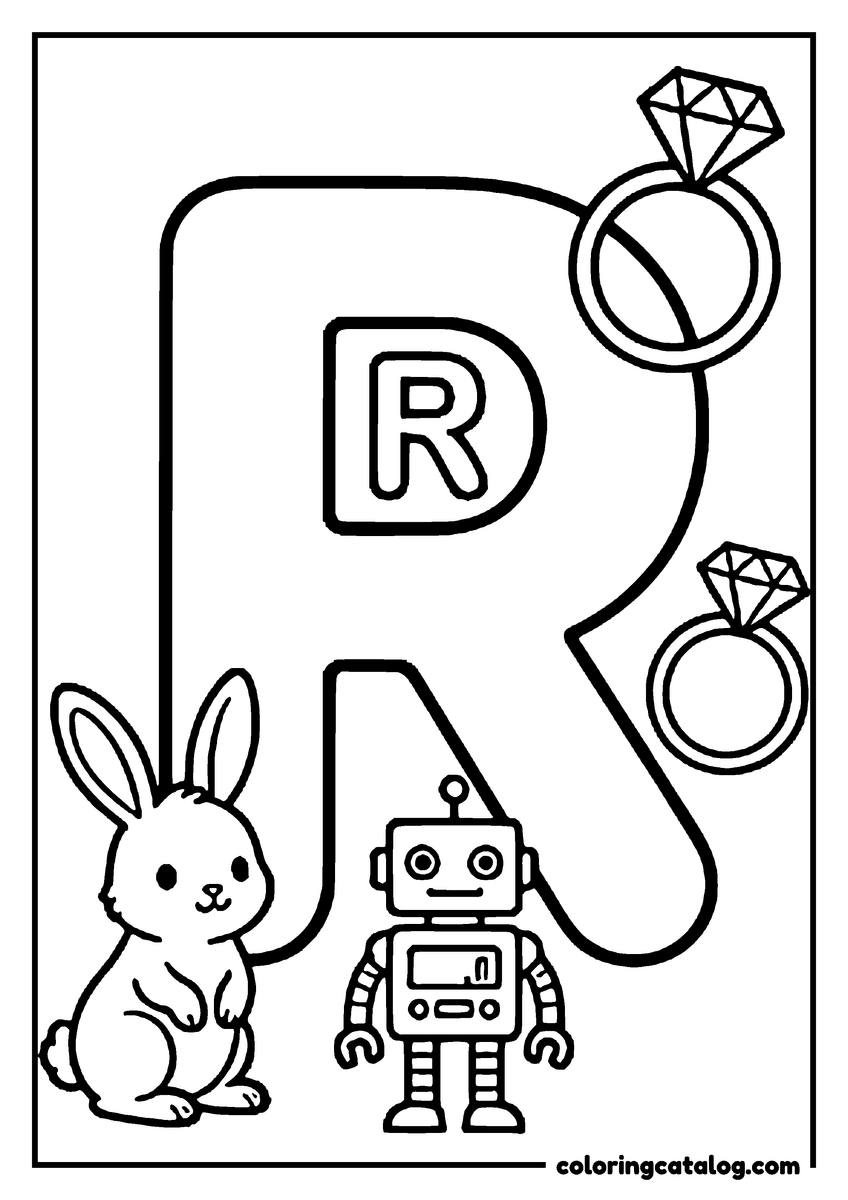
The letter R with a rabbit and robot
A big outlined R stands beside a rabbit, a robot and two rings, with a small R to trace
All Letter coloring pages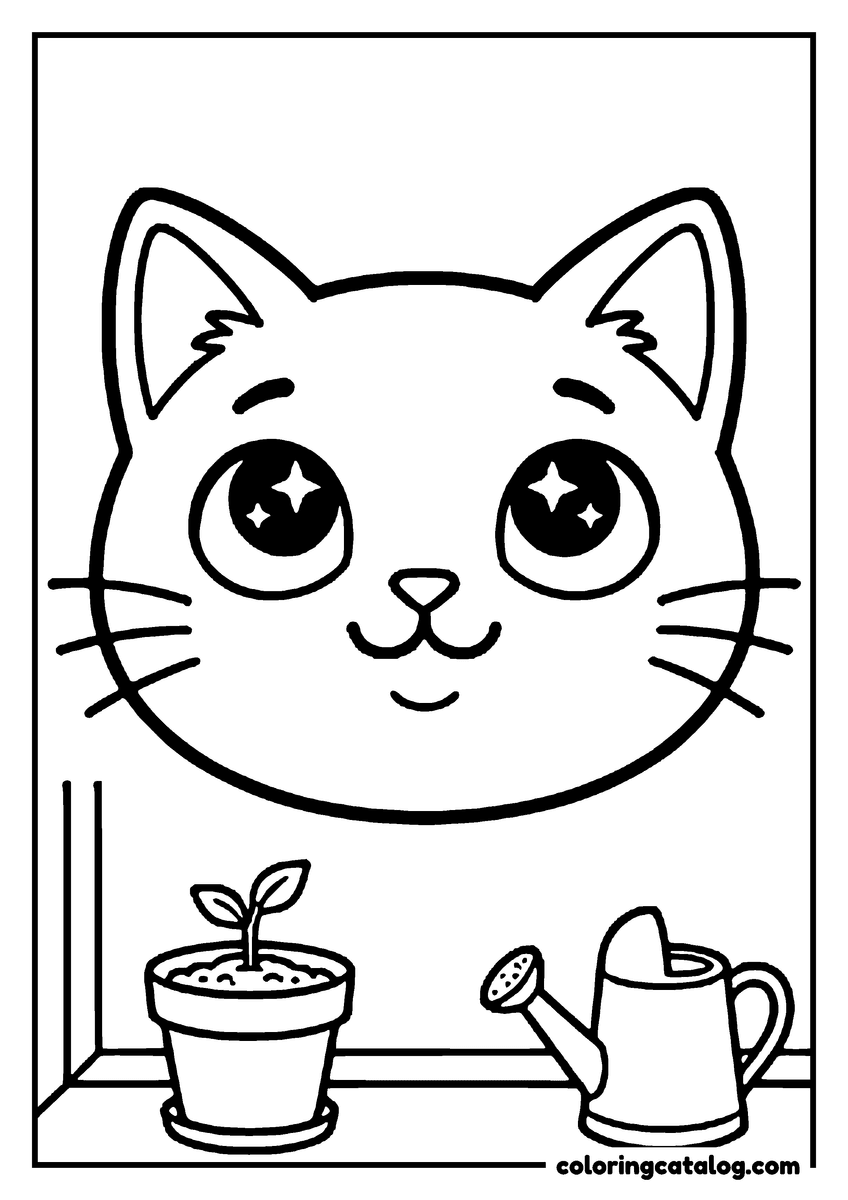
Hopeful kitten
A starry-eyed kitten above a seedling in a pot and a watering can
All Emotions coloring pages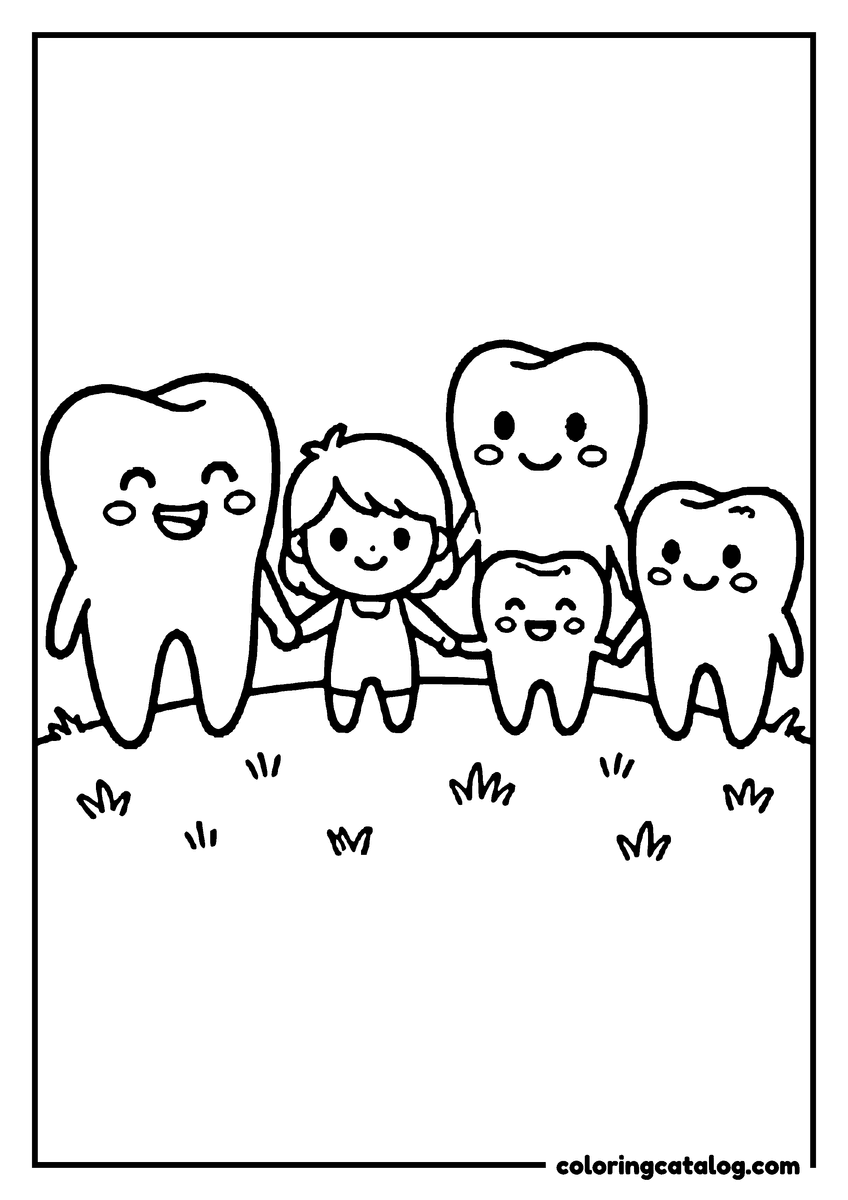
Tooth family
A child holding hands with a family of smiling teeth on the grass
All Tooth coloring pages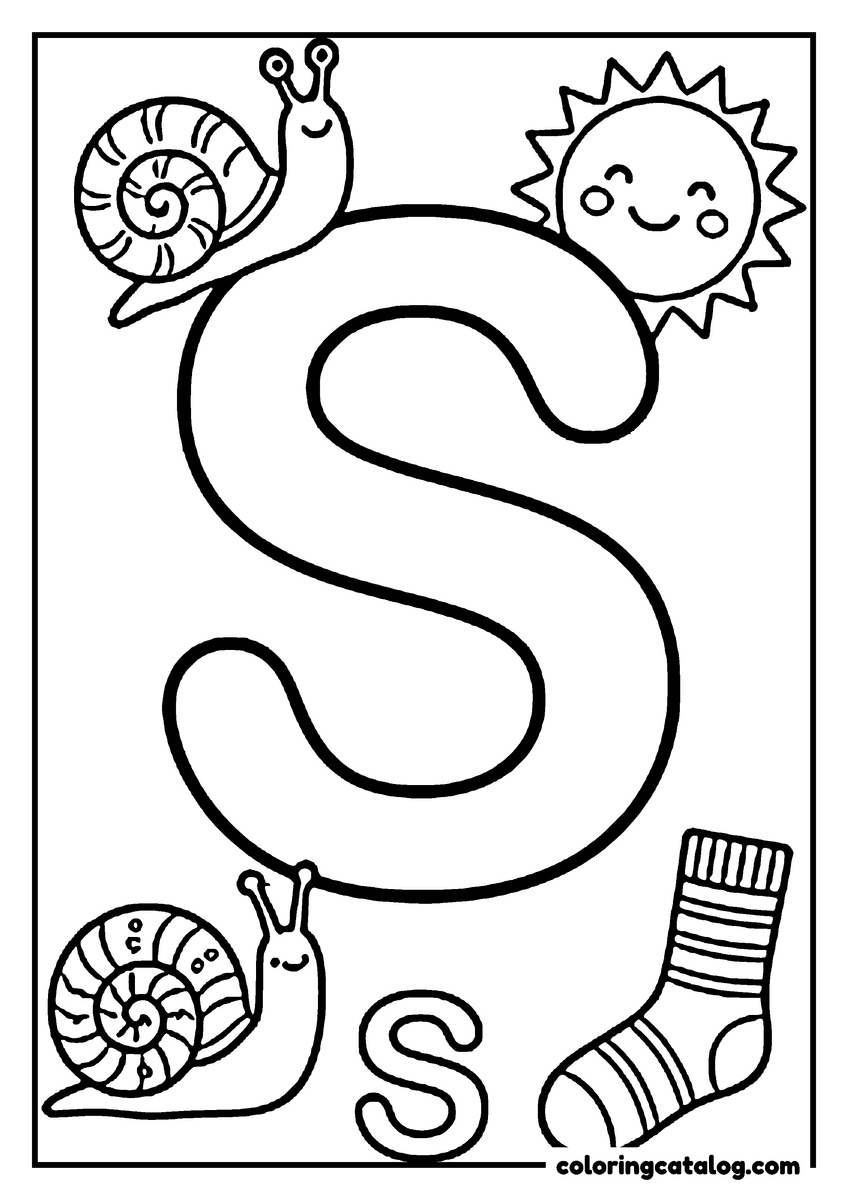
The letter S with snails and sun
A big outlined S stands between two snails, a smiling sun and a striped sock, with a small S to trace
All Letter coloring pages- See it on Amazon
The book that made the cozy style what it is. Bold, simple outlines with cute animal characters, which is the opposite of the dense hunt books and finishes in an evening.
Bold, simple outlines and cute animals, done in an evening.
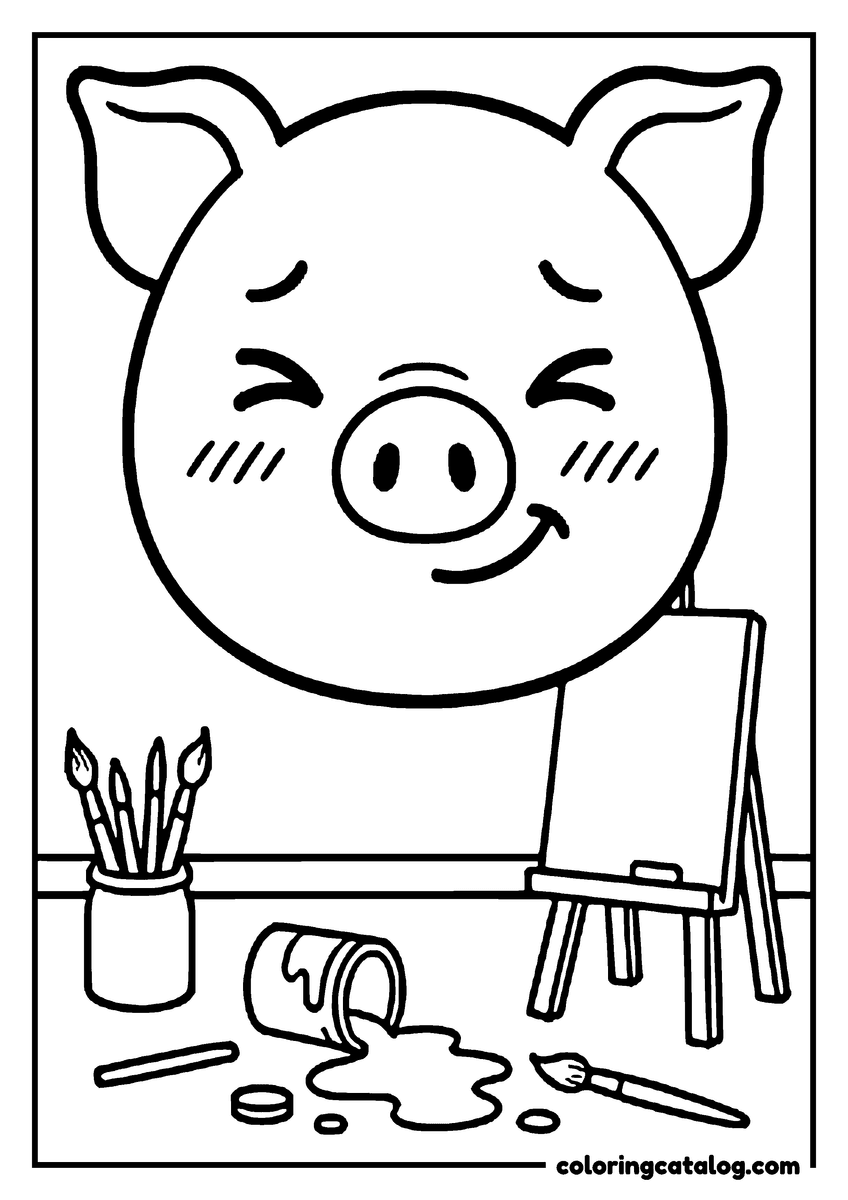
Embarrassed piglet
A blushing piglet above an easel and a tipped-over paint pot
All Emotions coloring pages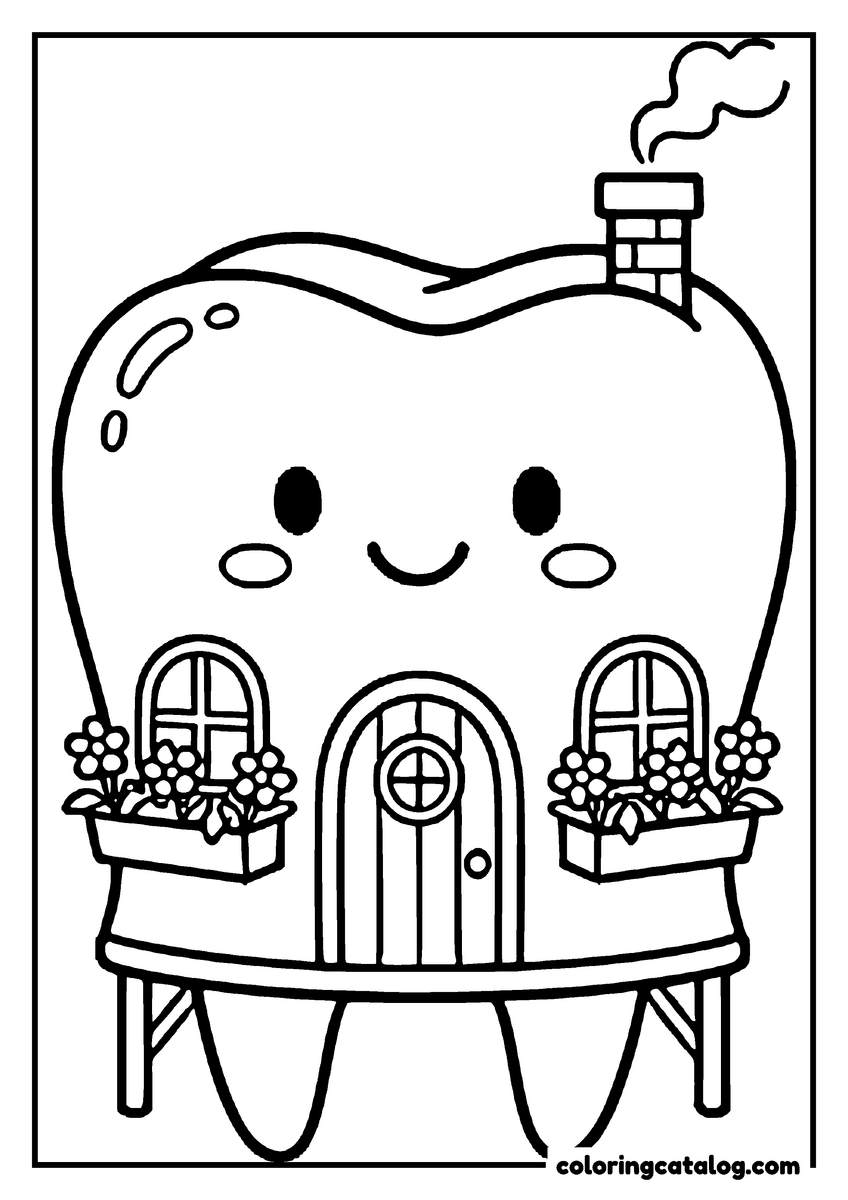
Tooth house
A tooth turned into a little house with a door, windows, flower boxes and a chimney
All Tooth coloring pages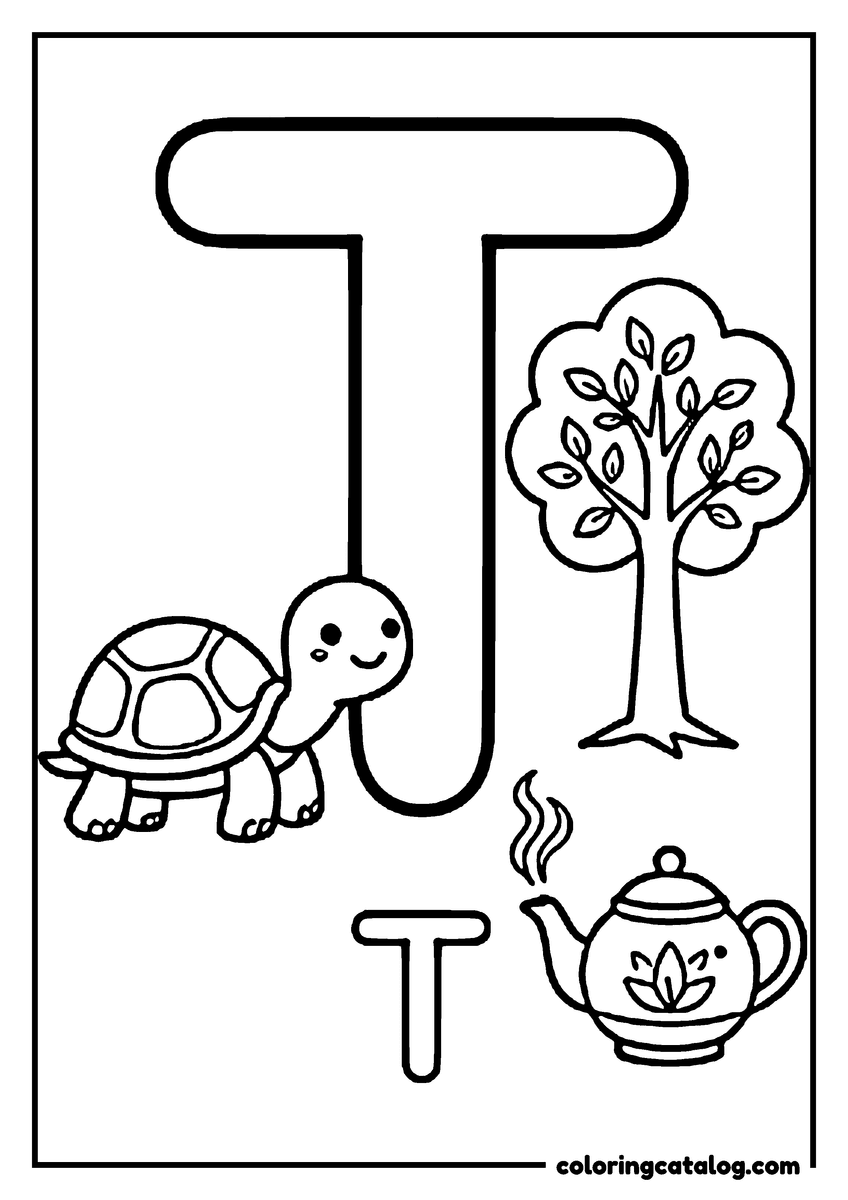
The letter T with a tortoise and teapot
A big outlined T stands beside a tortoise, a tree and a steaming teapot, with a small T to trace
All Letter coloring pages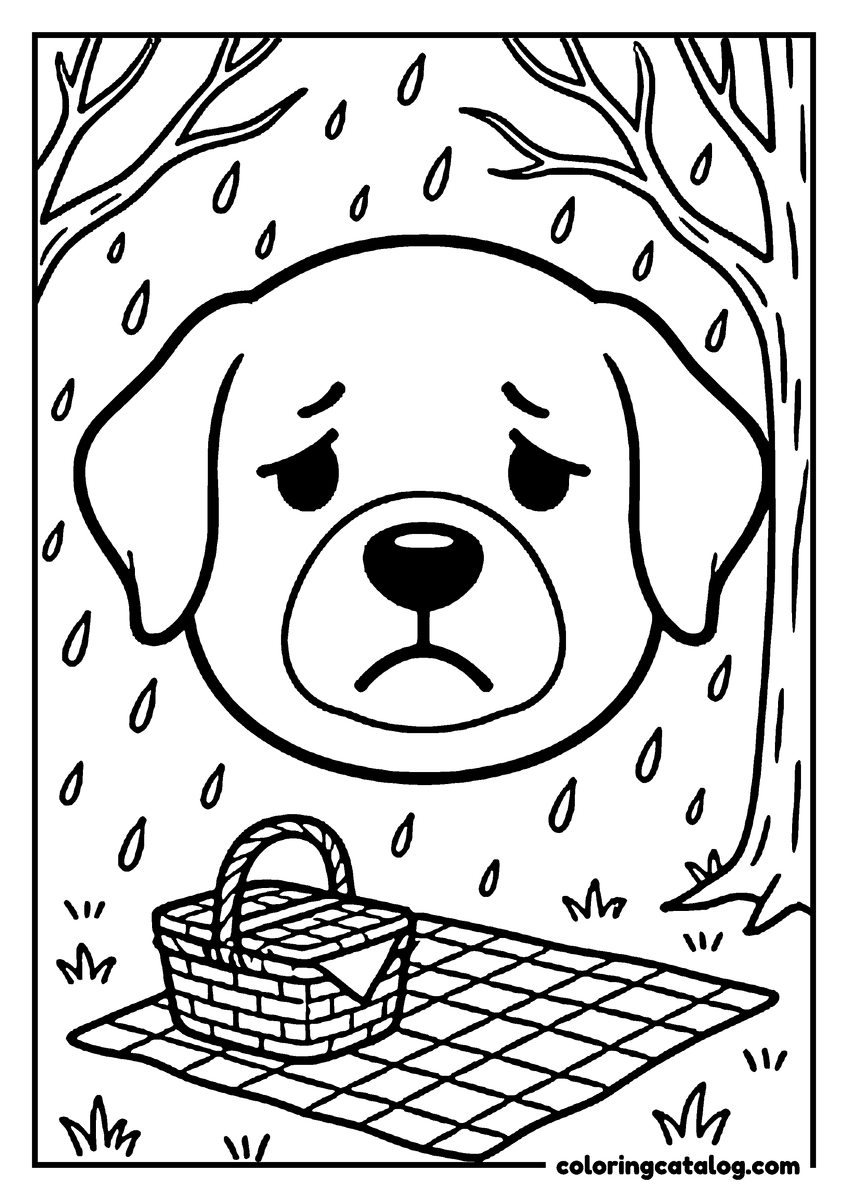
Disappointed puppy
A droopy puppy face in the rain above a picnic basket on a blanket
All Emotions coloring pages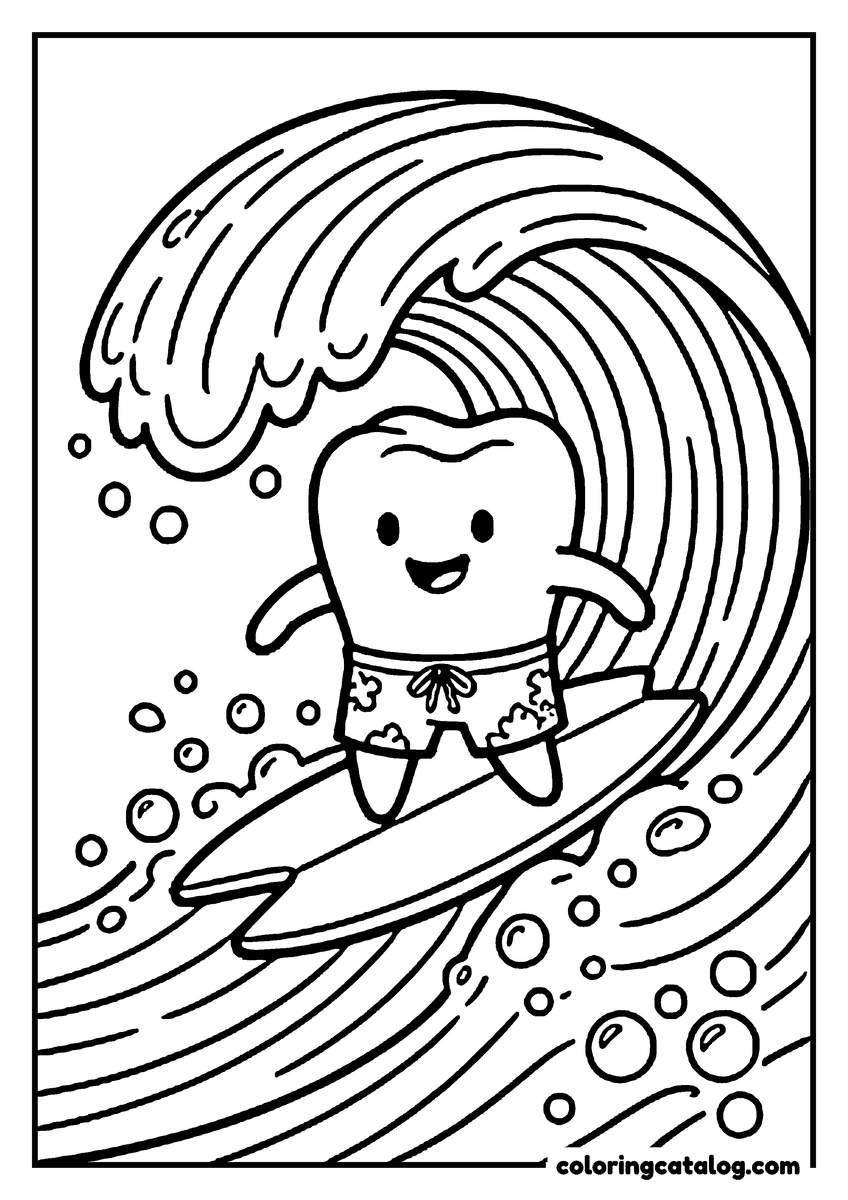
Keep going
More free coloring pages to print next
Same 300 dpi PDFs, still free. Sheets you added to your pack stay there when you switch collections.
The whole alphabet, a letter and its objects per page, plus letters drawn as scenes.
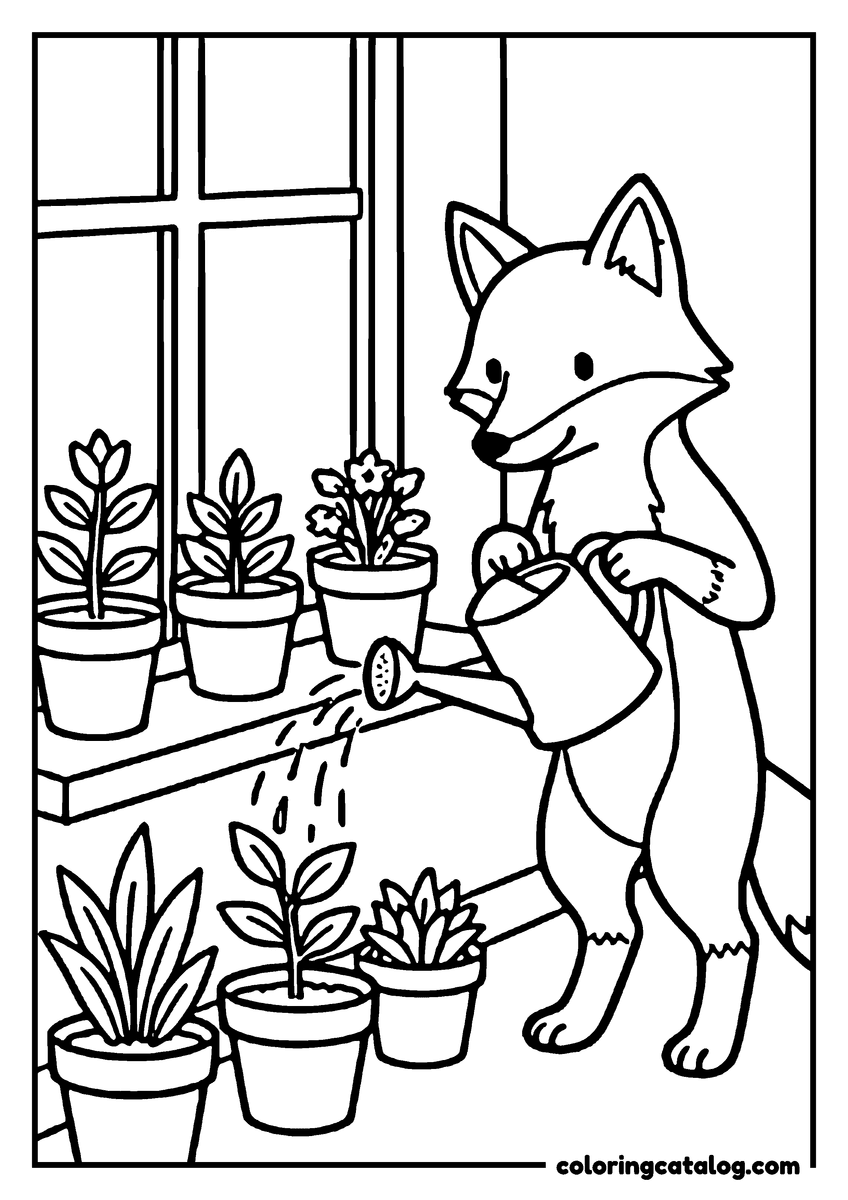
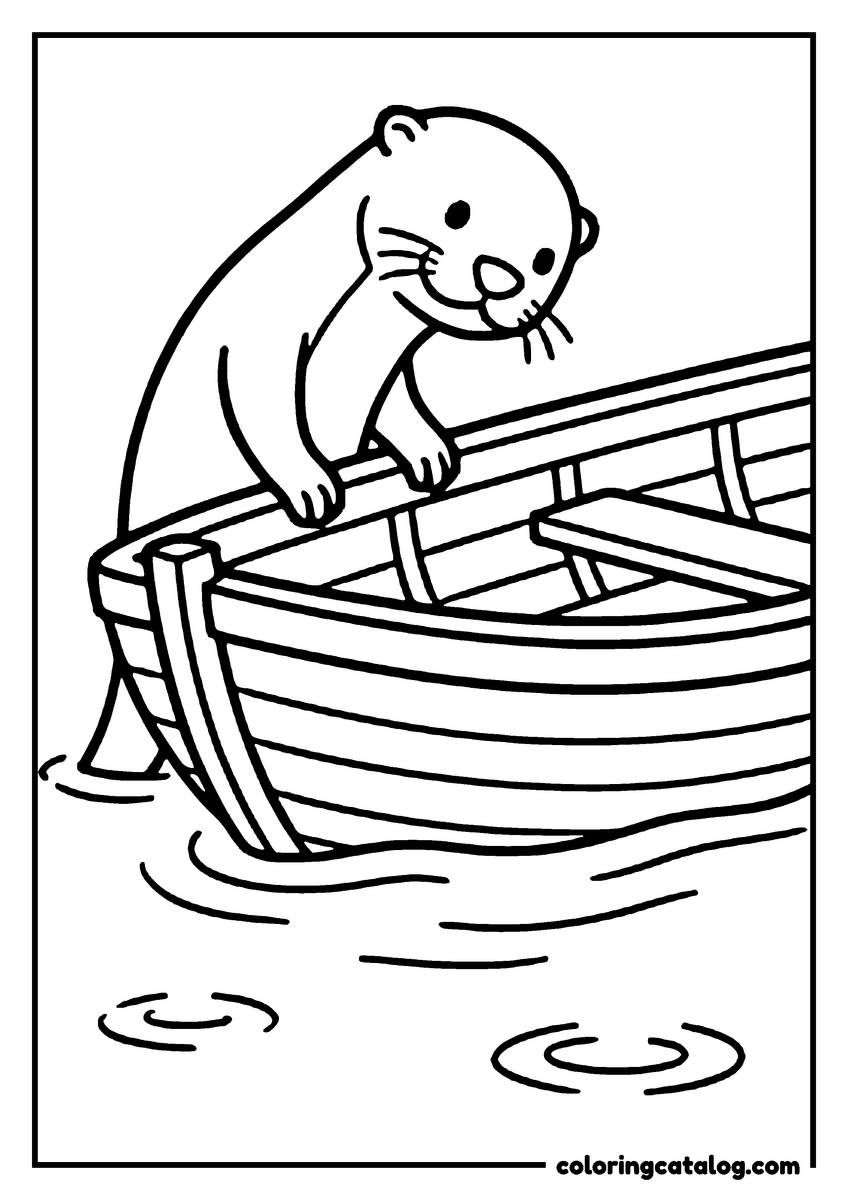
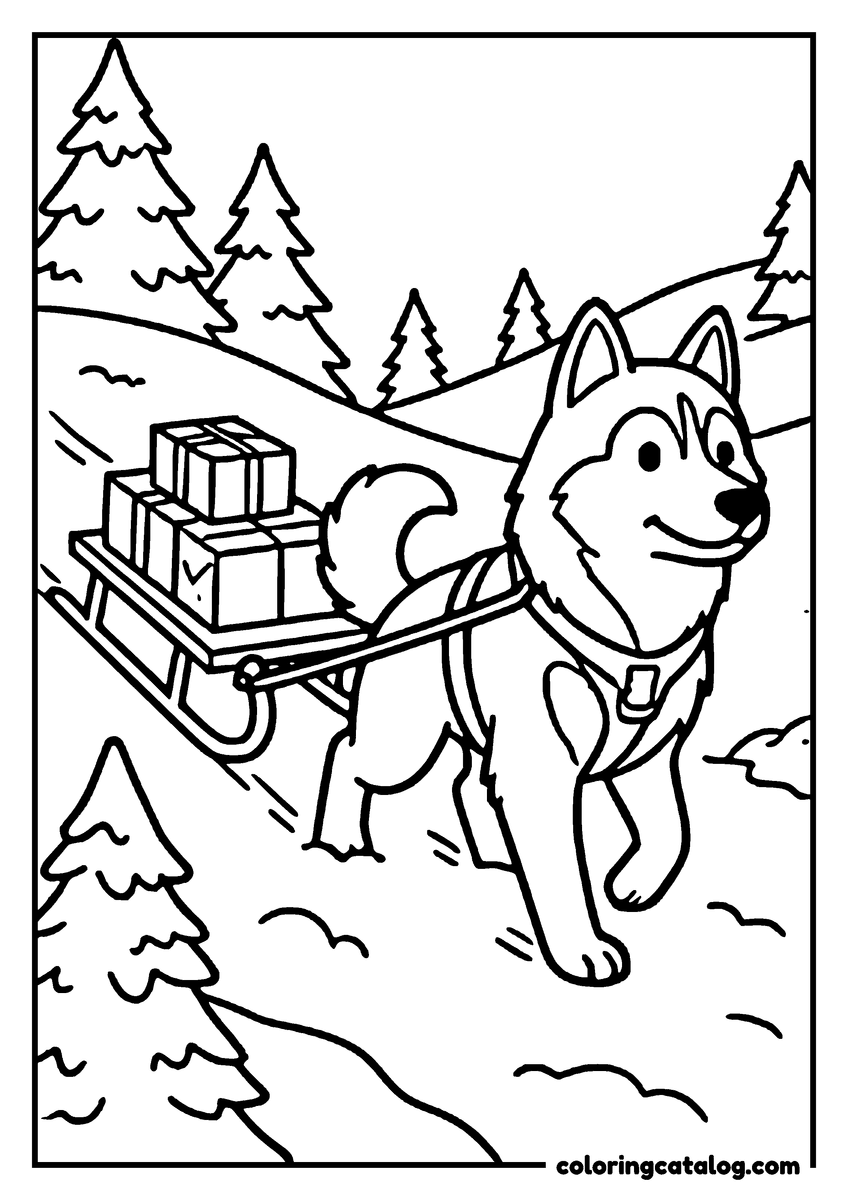
Animals doing what people do, from the farm, the zoo and the woods.
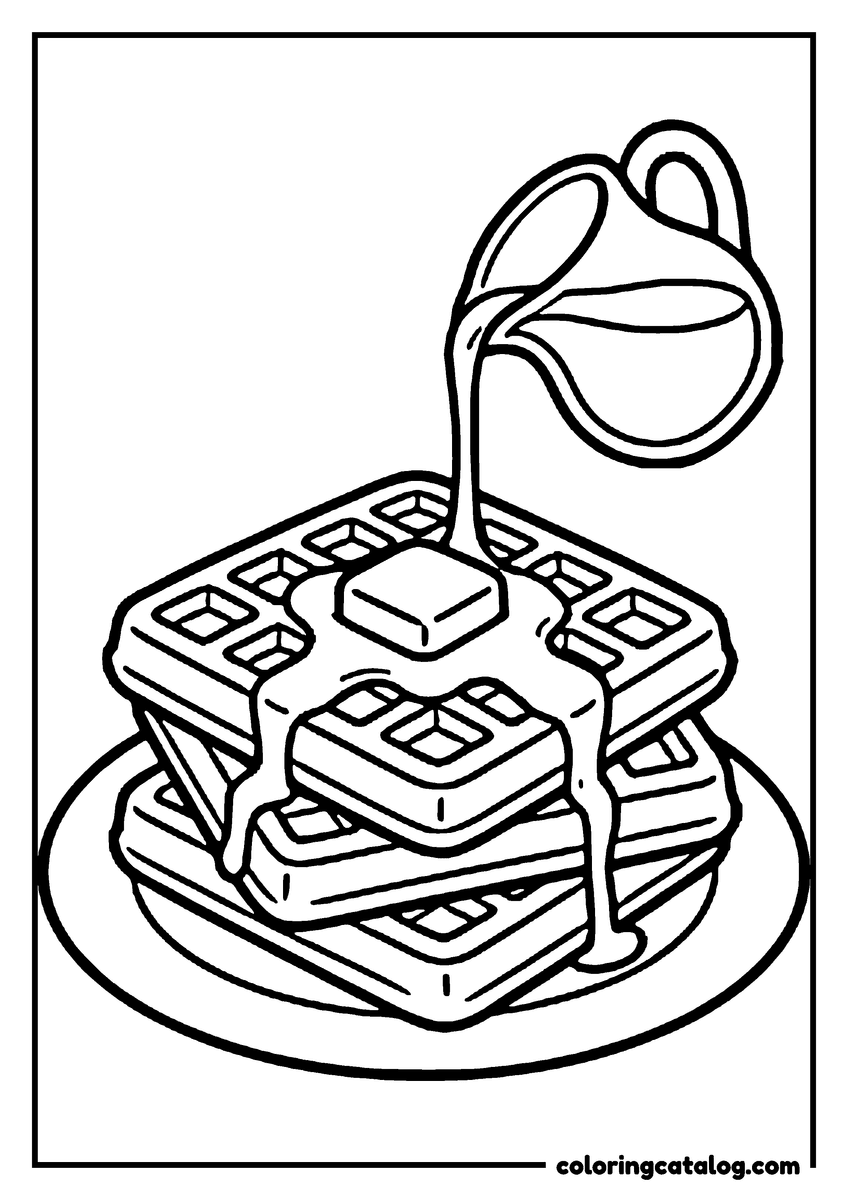
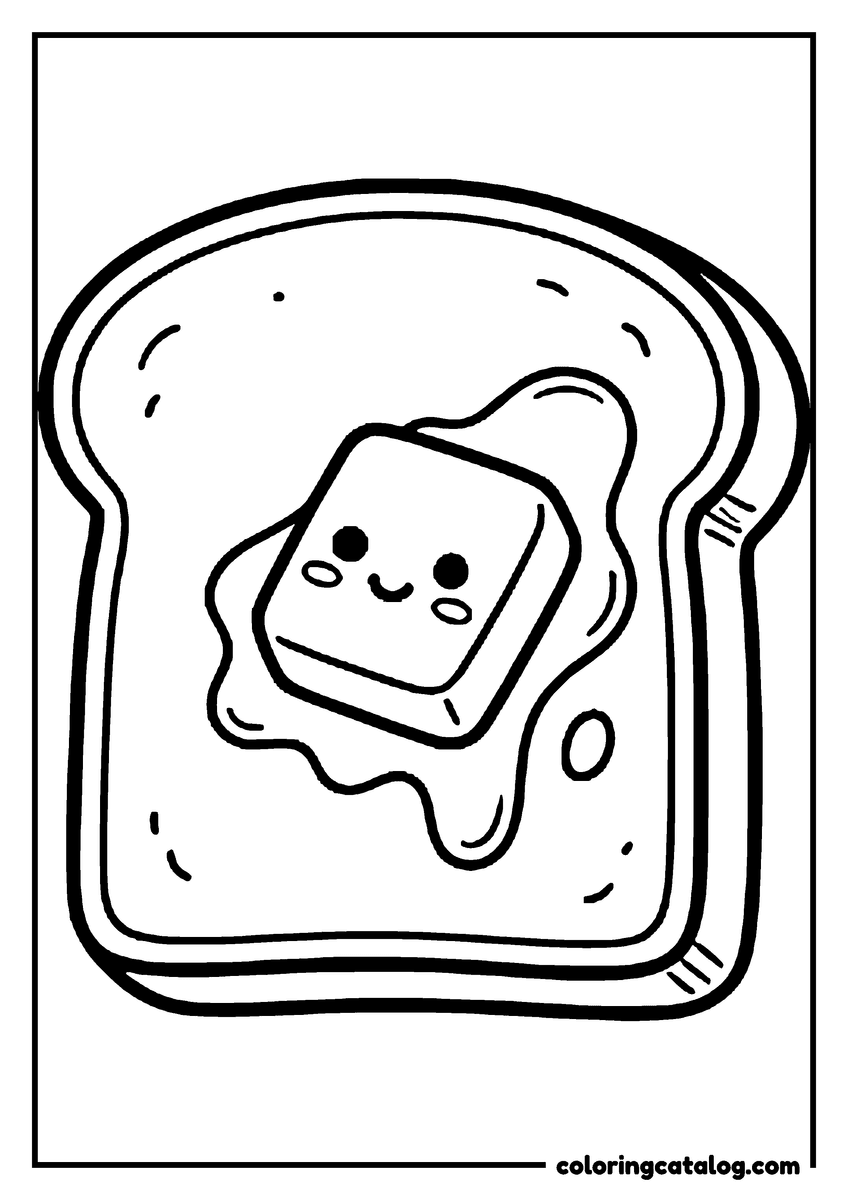
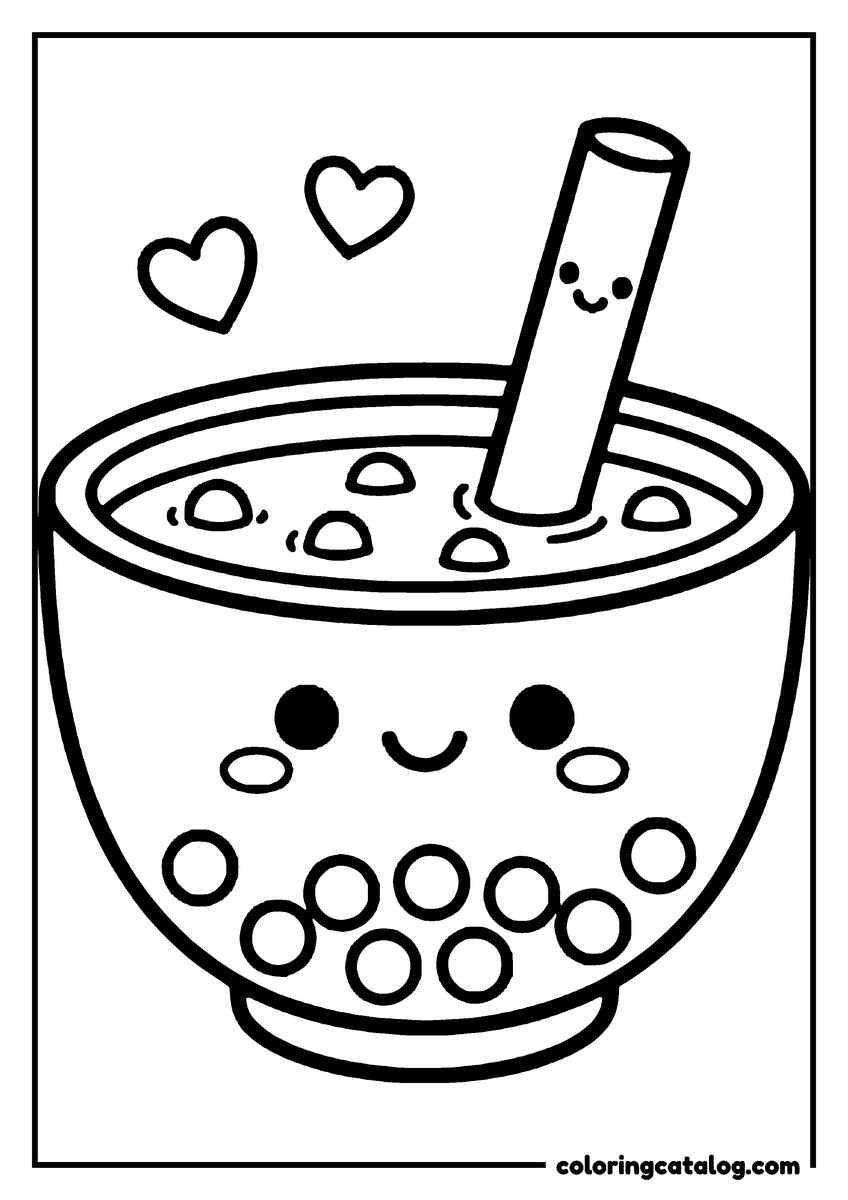
Burgers, dumplings and bubble tea with little faces, a winking pair of cherries, and a lunchbox that smiles back.
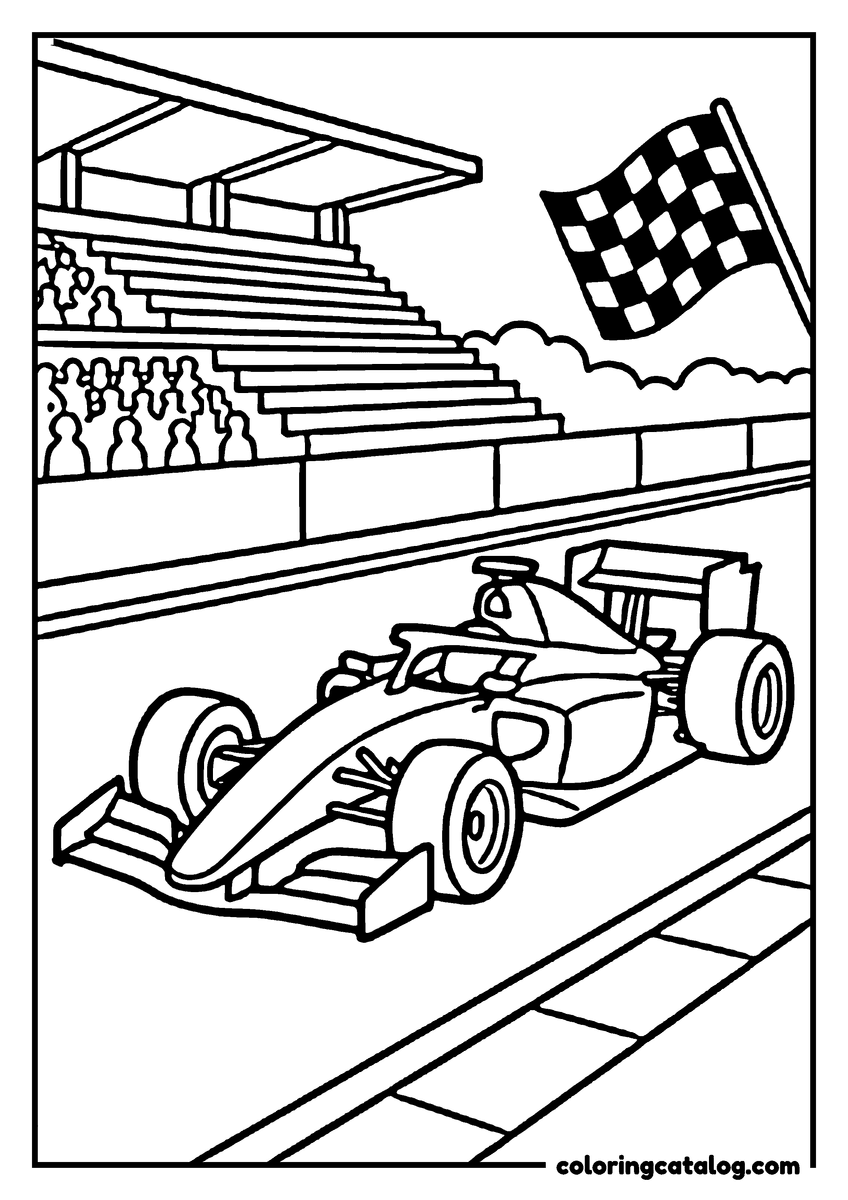
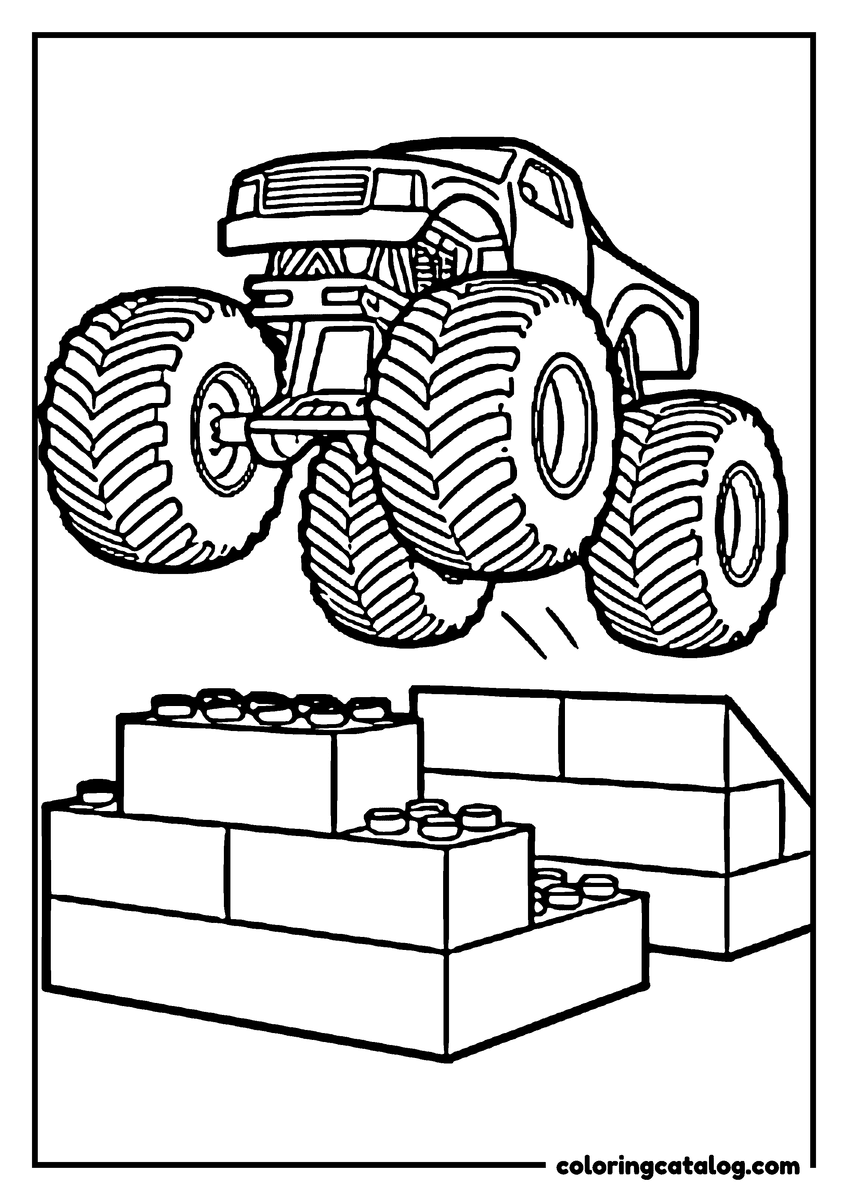
Race cars on the grid, police cars on a chase, and classics parked where they belong.
A three-year-old holds a crayon in a fist and colors with the whole arm. That is not a problem to be corrected, it is a fact to draw around: thick outlines that survive a crayon crossing them, big open shapes, and nothing on the page smaller than the tip of the crayon. These free printable preschool coloring pages are the collections drawn that way.
Collections for little ones
Each collection below has its own page, the biggest first. New ones join the drawer as their sheets are drawn.
- Letter Coloring Pages: The whole alphabet, a letter and its objects per page, plus letters drawn as scenes.
- Emotions Coloring Pages: Animal faces showing one feeling each, with the small moment below that caused it: a lost balloon, a fallen tower, a missing puzzle piece.
- Tooth Coloring Pages: Smiling teeth, the tooth fairy and a toothbrush or two: pages for a wobbly tooth, a dentist visit or a lesson on brushing.
Finding the easy sheets in any collection
The drawer is not the only way in. Every collection on the site has a Quick to color button above its grid, and it keeps only the sheets with big shapes and few small areas, putting the simplest first. So a child who wants dinosaurs, or cats, or trucks can still have the easiest dinosaurs, the easiest cats and the easiest trucks.
That button is worth knowing about before a party or a rainy afternoon. Press it in two or three collections, take the first sheet from each, and a table of three-year-olds has something each of them can finish.
What to expect at this age
- Outside the lines is fine. Filling a shape roughly is a motor skill before it is a neatness one, and it arrives on its own.
- Fat crayons and chunky pencils beat thin felt tips. A felt tip on copy paper bleeds through and frustrates everybody.
- One sheet at a time, face up on the table. A pile invites flicking through rather than finishing.
- Copy paper is enough. Save the card for anything that will be cut out or hung up.
- Print at 100 % scale on A4, or "fit to page" on US Letter. The printing guide covers it.
What to expect at three, at four, at five
Coloring changes a great deal across these three years, and knowing what is normal saves a lot of unnecessary worry.
At three, a child holds the crayon in a fist and moves from the shoulder. Marks go roughly where the shape is and often well past it. They will fill a page with one color and be satisfied. This is the stage where a thick outline matters most, because it is the only thing telling them where the shape ends.
At four, the grip moves down to the fingers and the wrist starts doing the work. Colors get chosen deliberately, and a child will name what they are coloring before they start. They still go over the lines, but they notice.
At five, most children can stay inside a line they can see, and they begin to care about it. This is when a child suddenly refuses a sheet as "too hard", which usually means the areas are smaller than their control, not that the subject is wrong. Drop back a band rather than arguing.
Across all three, the useful measure is not neatness but how long they stay. A three-year-old who stays four minutes is doing well. A five-year-old who finishes a page in one sitting is doing very well.
Coloring, and the things it is quietly teaching
Filling a shape is grip, pressure and stopping at an edge, which are the same three things handwriting needs later. An alphabet sheet adds one more: the letter and a handful of objects that start with it, on the same page, so the sound and the shape arrive together.
Nothing on these pages needs reading, which means a child can work alone and a parent can put the kettle on. Press Add to pack under the sheets you want and print the selection as one PDF, and the license covers nurseries, childminders and playgroups with no attribution needed.
Preschool Coloring Pages: questions and answers
What makes a coloring page suitable for a preschooler?
Thick outlines, big open shapes, and nothing smaller than a crayon tip. A three-year-old colors with the whole arm, so a line that survives a crayon crossing it matters more than how pretty the drawing is.
Do I have to use this drawer to find easy sheets?
No, and this is the useful part: every collection on the site has a Quick to color button above its grid. It keeps only the sheets with big shapes and few small areas, so a child who wants dinosaurs can have the easiest dinosaurs.
My child colors outside the lines. Is that a problem?
No. Filling a shape roughly is a motor skill before it is a neatness one, and it arrives on its own. Pointing it out is the fastest way to make a child stop enjoying the page.
Crayons or felt tips?
Fat crayons or chunky pencils. A felt tip on copy paper bleeds through to the next sheet and frustrates everybody. Save the felt tips for card.
What paper should I use?
Copy paper is enough for anything that stays on the table. Use 120 to 160 gsm card only for sheets that will be cut out, hung up or given away.
Do any of these sheets need reading?
Only the alphabet ones, where the letter is the point. Everything else in this drawer is drawn without lettering, so a child can work alone and nothing needs translating.
Can I print these for a nursery or a childminder?
Yes, in any quantity, with no account and no attribution. Nurseries, childminders, playgroups and libraries are covered by the license.