Practical
Coloring supplies for pages you print at home
A sheet from your own printer is thinner than the paper in a bought book, and ink behaves differently on it. This is what a coloring kit needs, by age, at home and in a classroom.
Most supply guides are written for people who color in books. A page you printed at home is a different object: thinner, and lying loose on a table rather than bound into a block of paper that soaks up whatever gets past the top sheet. That one difference decides most of what follows, and it is why this page starts with paper rather than pens.
Start with the paper, not the pens
The paper in your printer is almost certainly 80 gsm, sold as 20 lb in the United States. For crayons, colored pencils and children’s washable markers, it is fine: they sit on top and stay there. Alcohol markers are a different story. On 80 gsm the ink goes through the sheet, through whatever is under it, and into the table.
One ream of heavier paper solves that for a long time. The weights below match the printing guide:
- Crayons and colored pencils: ordinary 80 gsm (20 lb) copy paper.
- Felt tips and markers: 120 gsm or heavier, which is 32 lb in US weights.
- Watercolor pencils or paint: 200 gsm minimum, or the sheet buckles.
- Anything cut out or hung on a wall: 160 gsm card stock.
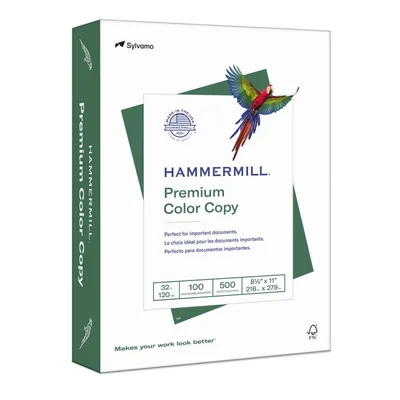
Hammermill Premium Color, 32 lbPaper
32 lb paper is 120 gsm, heavy enough to stop most marker ink reaching the sheet underneath. Ordinary copy paper is 20 lb, or 80 gsm.
A starter kit, by age
What a child can hold, and what a parent can clean, changes faster than the drawings do. This is roughly what works at each stage.
Toddlers and preschoolers (about 2 to 5). Chunky crayons and washable markers. Nothing with a fine point, which snaps under a fist grip. Copy paper is enough, and big simple shapes matter more than the subject: the Quick to color button, where a collection’s grid shows it, keeps only the sheets with large areas. Try the animal coloring pages or dinosaurs.
Early school years (about 5 to 8). Add a box of colored pencils. This is the age when staying inside the line starts to matter to the child, and a pencil gives more control than a crayon. Washable markers stay in the kit, still on copy paper.
Older children (about 8 to 12). A fifty-color pencil box covers almost every request, and it is past the point where a child asks for a color that is not in it. This is also the age for color by number and detailed character pages.
Teens and adults coloring to unwind. A soft, wax-based pencil set if you want to blend, or markers on 120 gsm paper if you want flat, bold color. Buy the paper before the markers. The detailed collections, such as mandalas and flowers, reward sharp pencils more than thick pens.
At home and in a classroom
At home, the kit can grow with whoever uses it. One good pencil set, one set of markers and a ream of 32 lb paper cover an adult and a child sharing the same table, as long as the markers stay on the heavy paper.
In a classroom, the rules are durability, cost and cleanup. Crayons and washable markers in shared tubs, a few hand sharpeners, and the 80 gsm paper already in the copier. Leave alcohol markers at home: they bleed onto desks and do not wash out of clothes. For a mixed-age group, print two or three different sheets from the same collection rather than one sheet thirty times, and print a single test copy before running the whole class. The printing guide covers the settings that keep thin lines black.
Markers: alcohol or water-based
This is the question the whole hobby argues about, and it has its own page, because the answer decides the paper as much as the pens. In one line: alcohol markers look smoother and go through the sheet, water-based ones stay on it and can buckle it slightly. Which one suits you, which sets are worth the money and what a brush tip changes are all on the markers page.
Colored pencils, the forgiving option
Pencils work on paper you already own, and a wrong color is not permanent. They are also slow, which is the point for anyone coloring to wind down rather than to finish.
The difference between a school pencil and an artist pencil is the core. A soft, wax-heavy core lays down enough color that a second one on top mixes with the first instead of sitting beside it, which is what people mean by blending. That softness is also why the leads wear down and break faster. If nobody is blending, the expensive set is wasted, and the fifty-color box is the better buy.
Between the two sits the mid-range tin: wax-based, soft, seventy-odd colors. Which one to choose, and when the cheap box still wins, is on the colored pencils page.
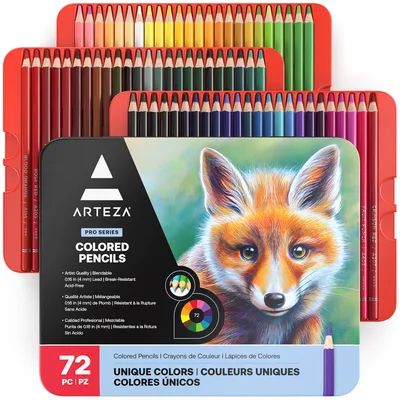
Arteza Pro Series, 72 colorsPencils
Soft wax-based cores, so a second color blends into the first instead of sitting beside it, which is the real difference from a school pencil. Seventy-two colors covers skin, foliage and shadow without layering to reach them.
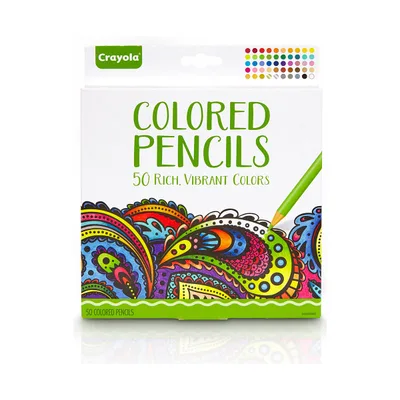
Crayola colored pencils, 50 colorsPencils
A firmer core than an artist pencil, which suits a child pressing hard to fill big shapes. Fifty colors is enough that nobody asks for one that is not in the box.
The printer, if you print a lot
A coloring page is pure black line on white. That is the one job a cheap monochrome laser does better than an inkjet: sharper edges, no ink soaking into the fiber, and a low cost per page. Toner also does not dry out, so a printer used twice a month still works in the third month, which is not always true of an inkjet.
If you already own an inkjet, keep it and read the printing guide first. Most bad prints come from settings, such as draft mode or fit-to-page scaling, not from the hardware.
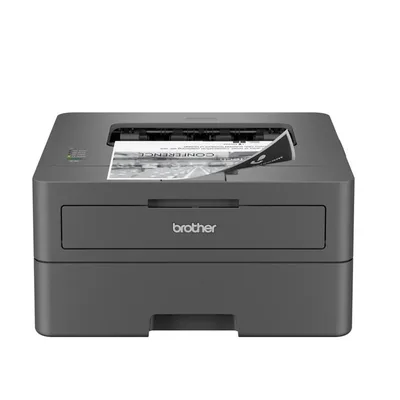
Brother HL-L2400D, mono laserPrinter
A coloring page is pure black line, which is what a laser does well and an inkjet does expensively. Toner also survives three months of not printing.
When you would rather buy a book
Everything on this site is free to print, and there are still evenings when nobody wants to switch a printer on. A good book can also come on paper heavy enough for markers, which removes the paper question entirely. Which ones are worth it, and the one specification to check before buying, are on the coloring books page.
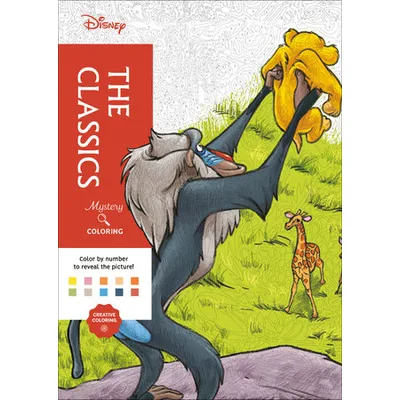
Disney Mystery Coloring: The ClassicsBook
Color by number, and the character only appears as you go. It holds a child who gives up on an open page, because there is something to find out.
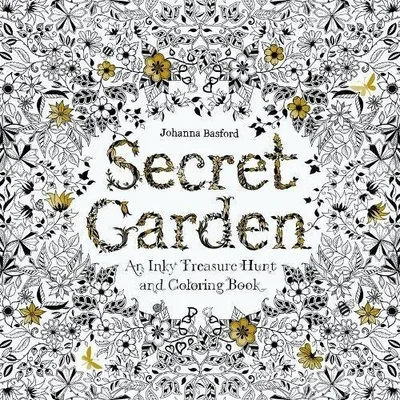
Secret Garden, Johanna BasfordBook
The book that started the adult coloring shelf, and still one of the most detailed. Its small shapes suit fine-tip pens and sharp colored pencils better than thick markers.
What to buy first
Coloring with young children: the fifty-color pencils and a box of washable markers, nothing else. Coloring for yourself and wanting the finished page to look like the ones you see online: the heavier paper first, then the markers. Buying the markers before the paper is the most common mistake, and the first ruined tabletop is how most people find out.
Then print something. The category index has the whole catalog, and every sheet is a 300 dpi A4 PDF that also prints on US Letter with fit to page.
Links to Amazon on this page are affiliate links. As an Amazon Associate I earn from qualifying purchases: the price is the same for you either way, and nothing here is recommended because of it. How this site is paid for.
Keep browsing
Supplies questions
What is the best thing to color a printed coloring page with?
Colored pencils, if you only own one thing. They work on the 80 gsm paper already in the printer, they never bleed through, and a mistake can be softened instead of thrown away. Markers give a bolder finished page, but only once the paper underneath is heavy enough for them.
Why does my marker go through the paper?
Because ordinary copy paper is 80 gsm (20 lb), and most markers beyond a child’s washable felt tip are made for heavier stock. Print onto 120 gsm (32 lb) and the problem goes away. If you would rather not buy paper, slide a spare sheet underneath and accept that the back of the page will be marked.
Do I need expensive colored pencils?
No, and for children the cheap ones are the right answer. The difference between a school pencil and an artist pencil is how soft the core is, which is what lets two colors blend into a third. If nobody in the house is blending, that money buys nothing.
What coloring supplies does a toddler need?
Chunky crayons and washable markers, on plain copy paper. Small hands grip thick crayons more easily than pencils, and washable ink is what makes coloring at the kitchen table possible at all. Choose pages with big, simple shapes, and tape the sheet to the table so it does not slide.
What should a teacher stock for classroom coloring?
Crayons and washable markers in shared tubs, plus sharpeners and 80 gsm paper. They are cheap to replace, they do not stain, and they work on the paper a school copier already uses. Keep alcohol markers out of the classroom: they need heavier paper and they mark desks.