Animals · 35 free printables
Zoo Coloring Pages
A whole day at the zoo, from the flamingo pool to the reptile house and the train home.
35 free printable zoo coloring pages
Tap a drawing to see it full size and flip through the set. Press + to collect several and print them as one PDF.
- See it on Amazon
The same cozy rooms as Cozy Friends, with a jack-o-lantern in them: creepy characters drawn round and friendly. Eighty-eight pages printed one side only, so a marker that goes through does not ruin the next drawing.
Creepy characters drawn round and friendly, printed one side only.
- See it on Amazon
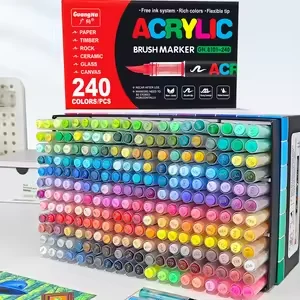
Guangna acrylic paint markers, 240 colorsMarkers
Opaque acrylic ink through a brush tip that goes from 1 mm to 6 mm, for the flat solid color that bold-and-easy pages look best in and a felt tip cannot match. They need weight under them: a single-sided book page or 120 gsm paper, not ordinary copy paper.
Opaque brush-tip acrylic for flat, solid color on bold pages.
- See it on Amazon
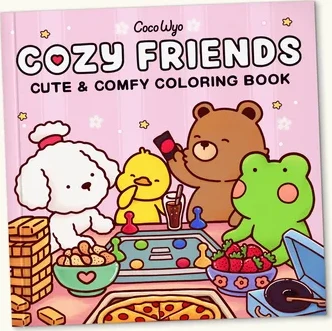
The book that made the cozy style what it is. Bold, simple outlines with cute animal characters, which is the opposite of the dense hunt books and finishes in an evening.
Bold, simple outlines and cute animals, done in an evening.
- See it on Amazon
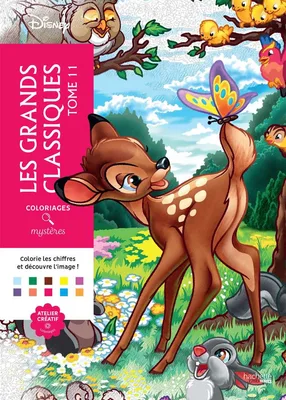
Coloriages Mystères: Grands Classiques 11Book
The eleventh volume of the French series, illustrated by Jeremy Mariez. A hundred numbered pages across Encanto, Tangled and Cars, in the large format the series keeps. French cover, English-free contents.
Numbered mystery pages across Encanto, Tangled and Cars.
- See it on Amazon
The same cozy rooms as Cozy Friends, with a jack-o-lantern in them: creepy characters drawn round and friendly. Eighty-eight pages printed one side only, so a marker that goes through does not ruin the next drawing.
Creepy characters drawn round and friendly, printed one side only.
- See it on Amazon
Guangna acrylic paint markers, 240 colorsMarkers
Opaque acrylic ink through a brush tip that goes from 1 mm to 6 mm, for the flat solid color that bold-and-easy pages look best in and a felt tip cannot match. They need weight under them: a single-sided book page or 120 gsm paper, not ordinary copy paper.
Opaque brush-tip acrylic for flat, solid color on bold pages.
Keep going
More free coloring pages to print next
Same 300 dpi PDFs, still free. Sheets you added to your pack stay there when you switch collections.
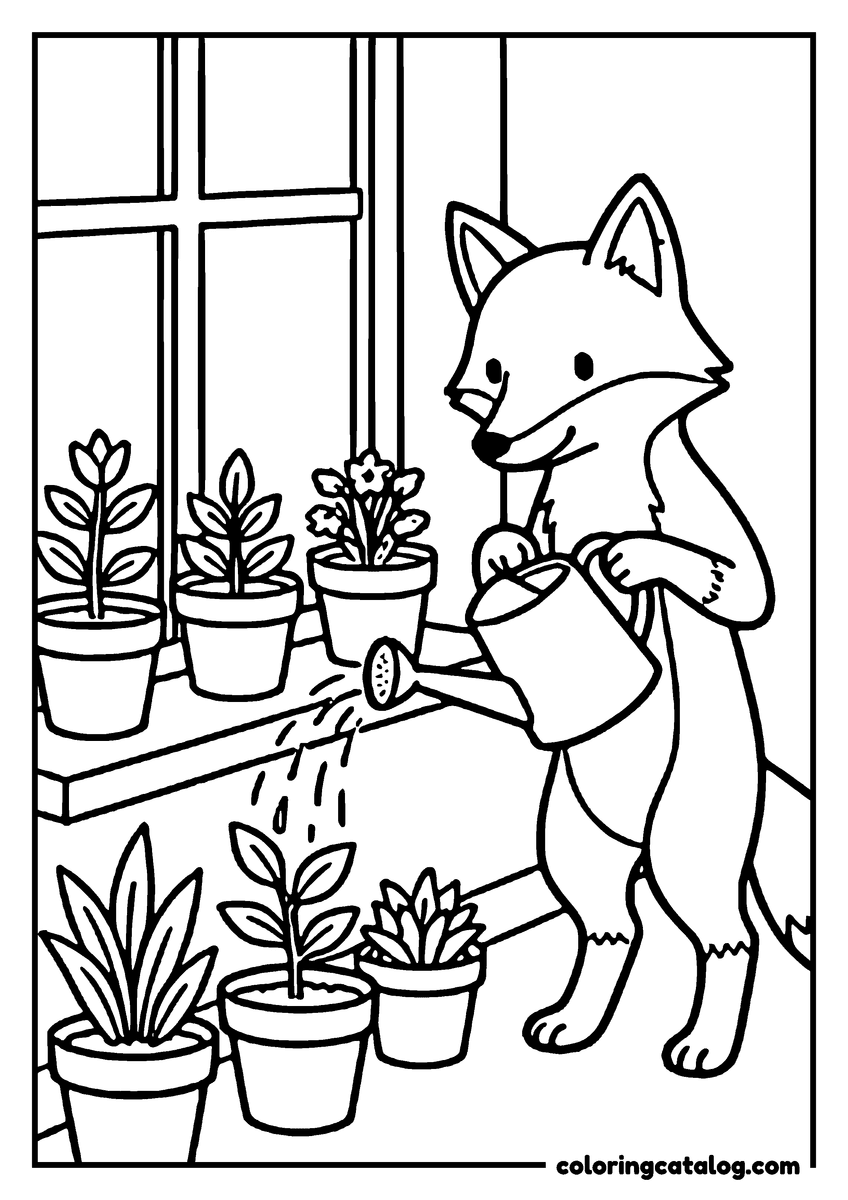
Animals doing what people do, from the farm, the zoo and the woods.
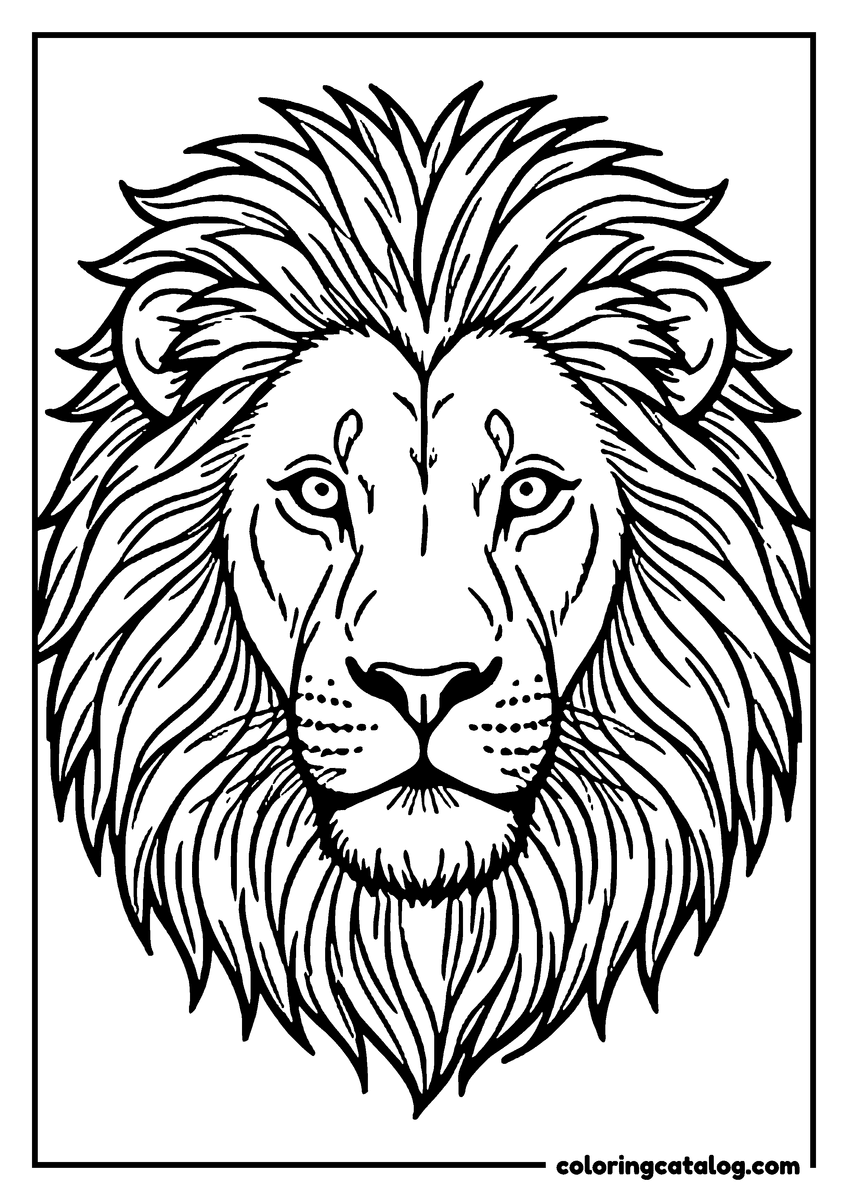
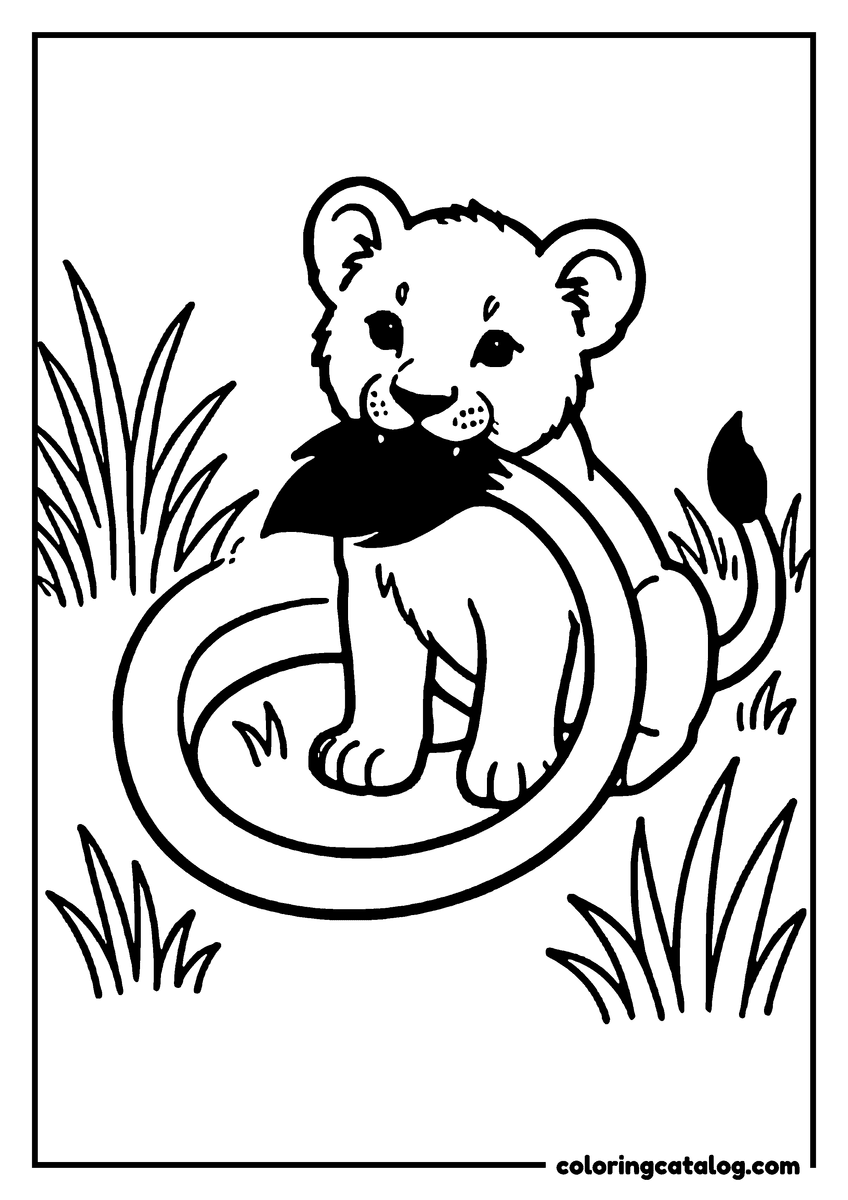
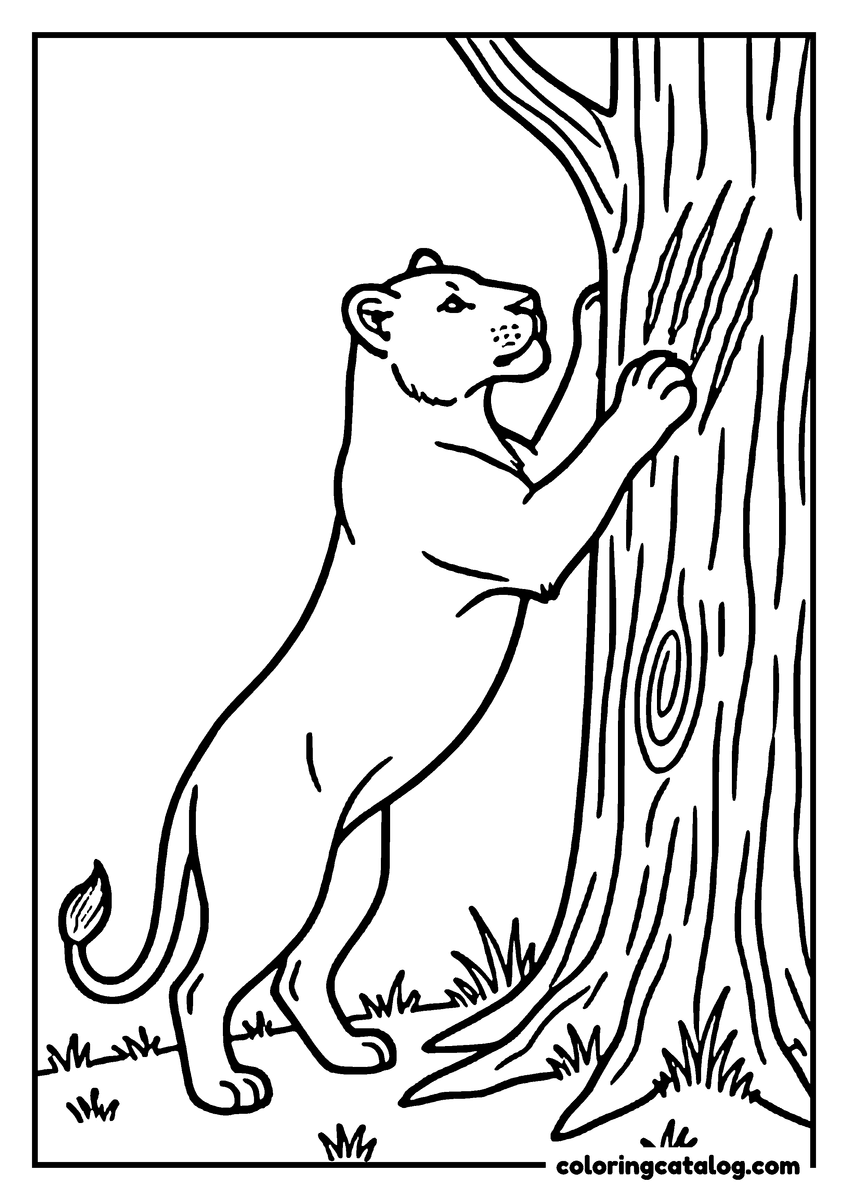
Realistic lions and lionesses, cubs learning to stalk, and the whole pride asleep on one rock.
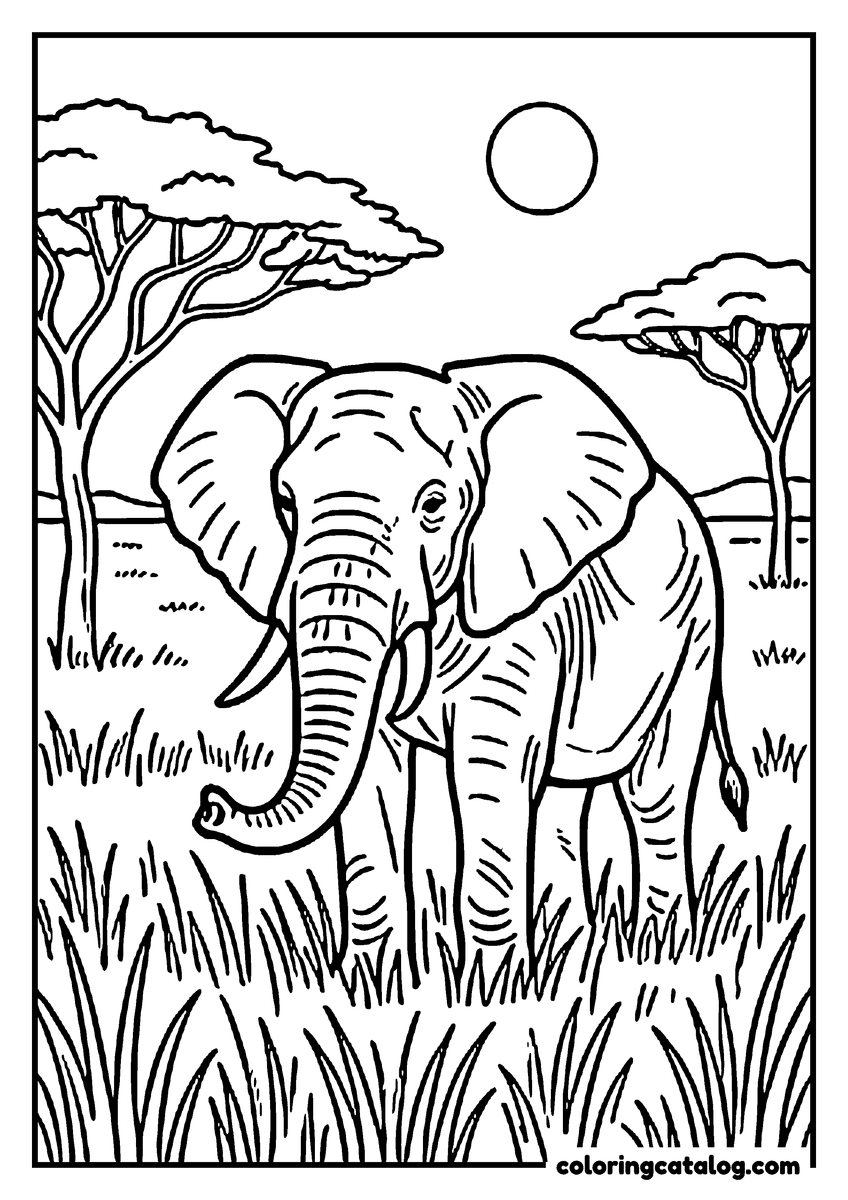
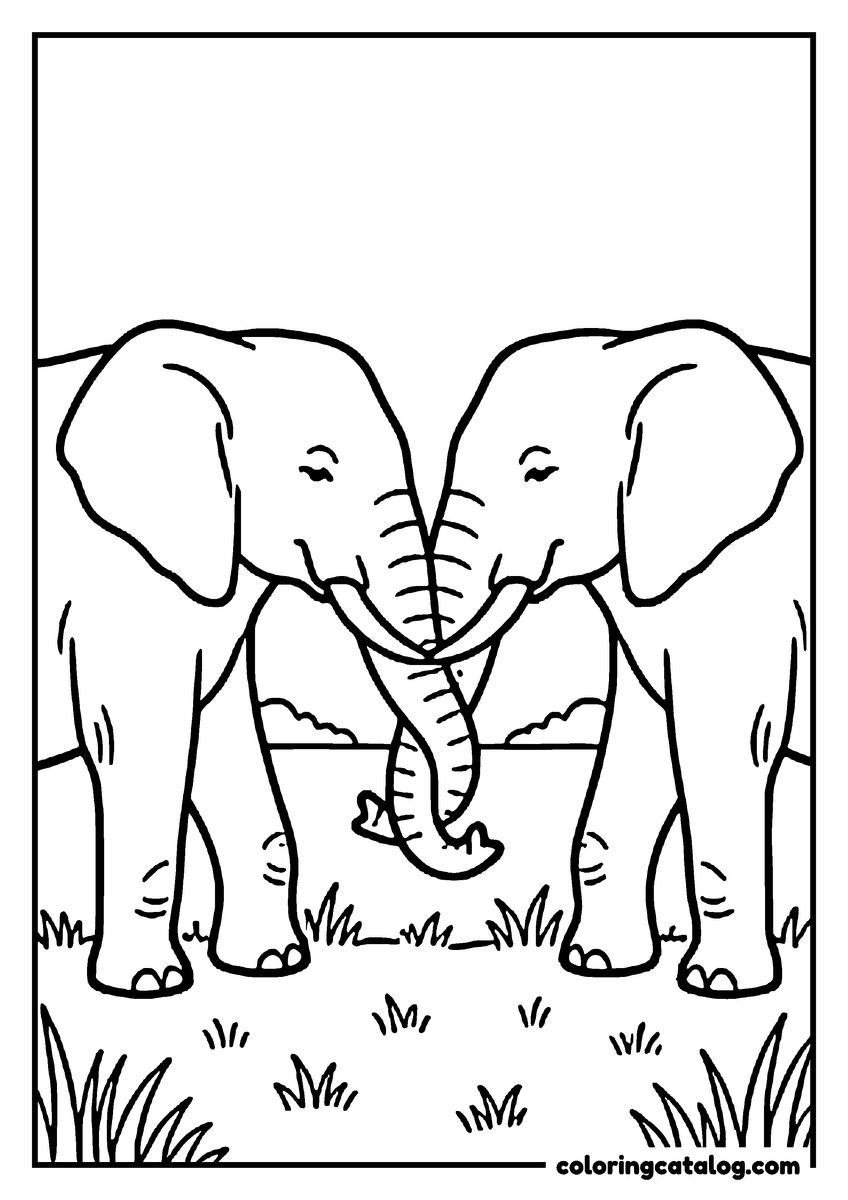
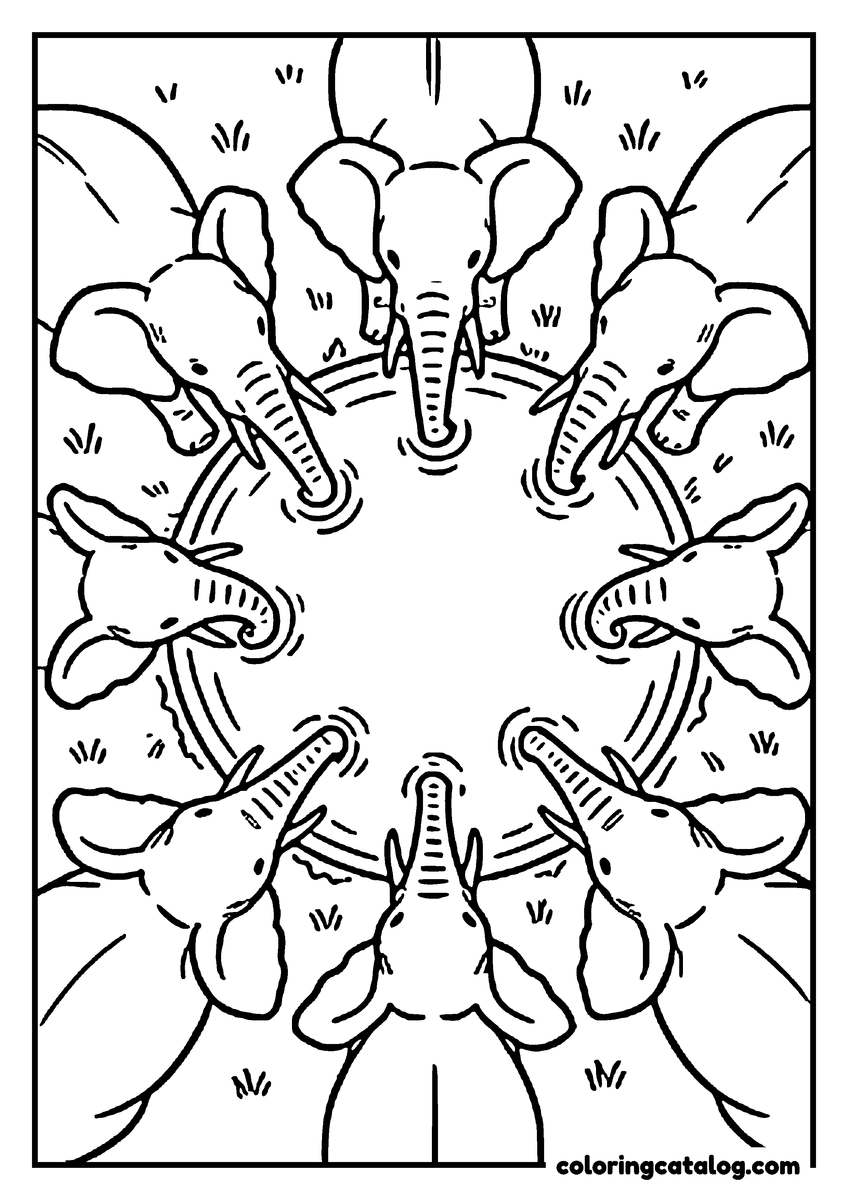
Elephants bathing, dusting, greeting and sleeping, calves at play, and elephants dressed for a festival or filled with pattern.
A rooster on the barn roof, a goose chasing the cat, tractors in the fields, and a whole farmyard seen from above.
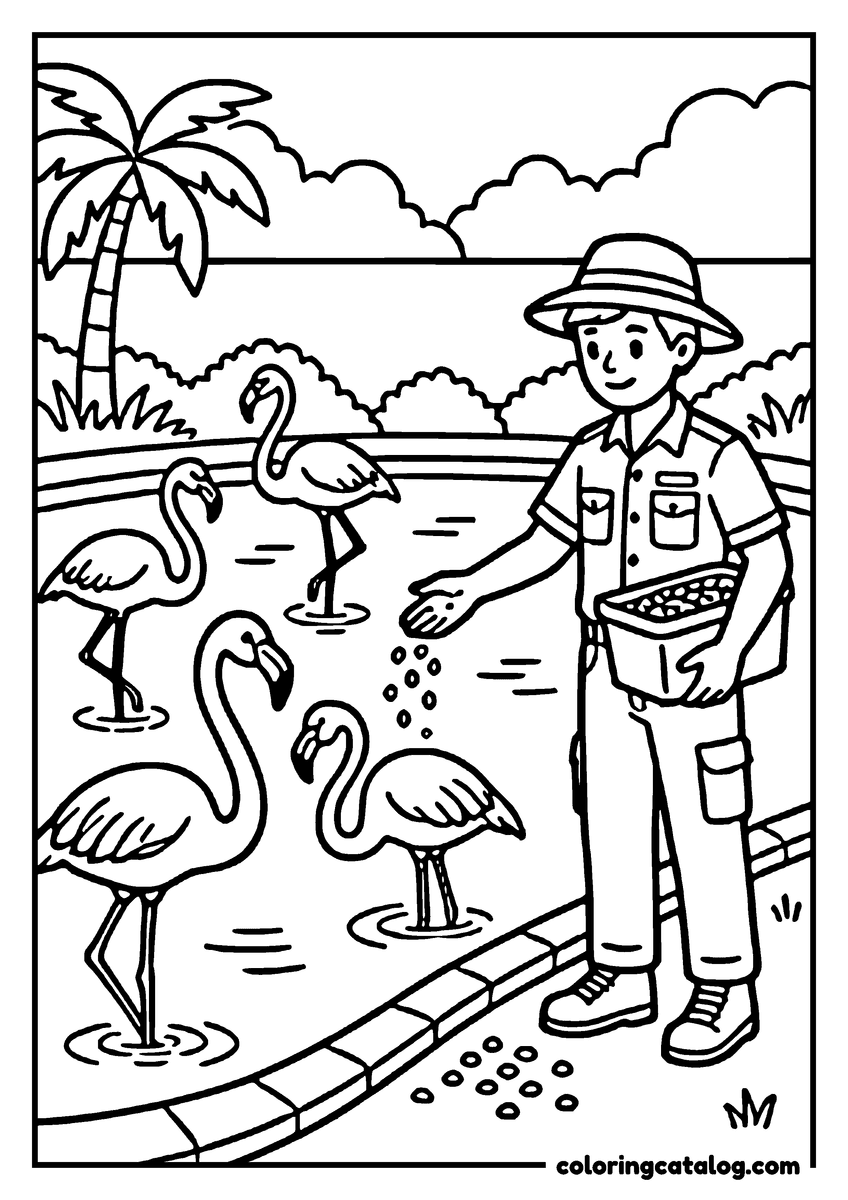
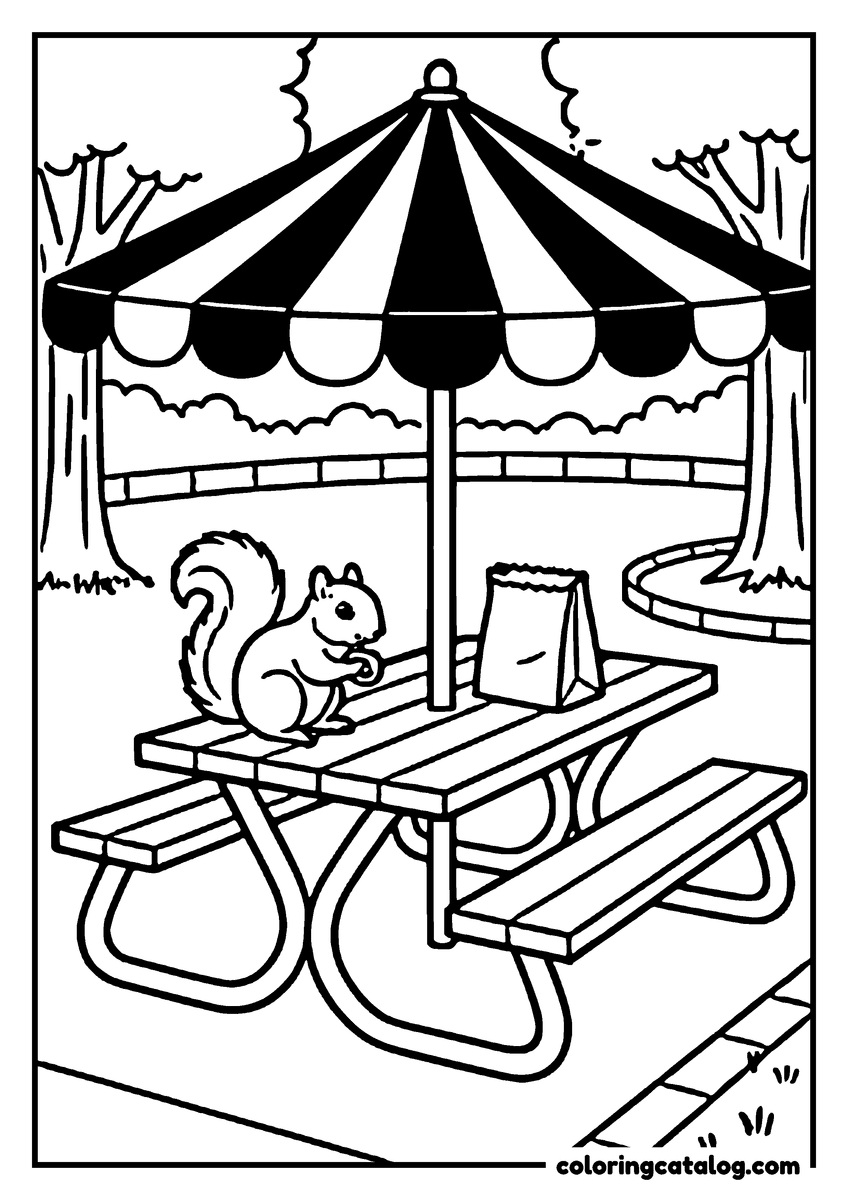
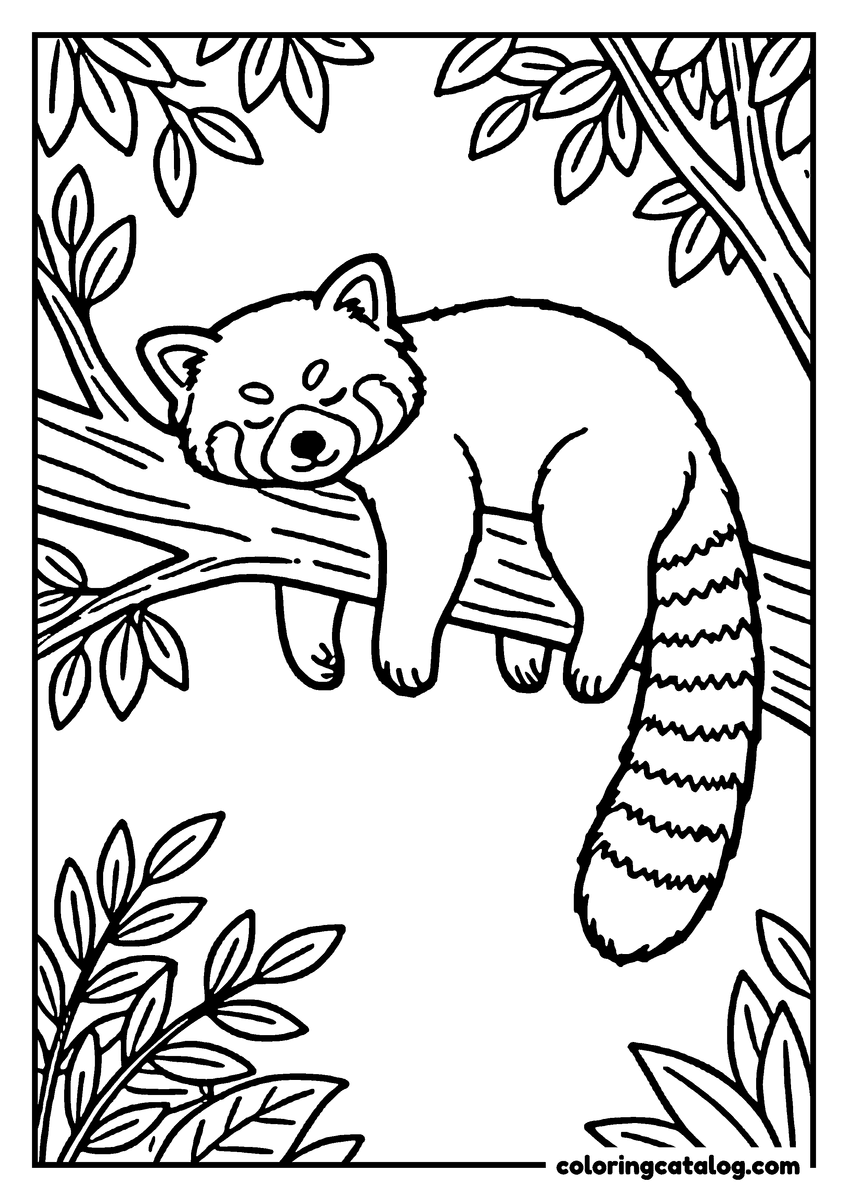
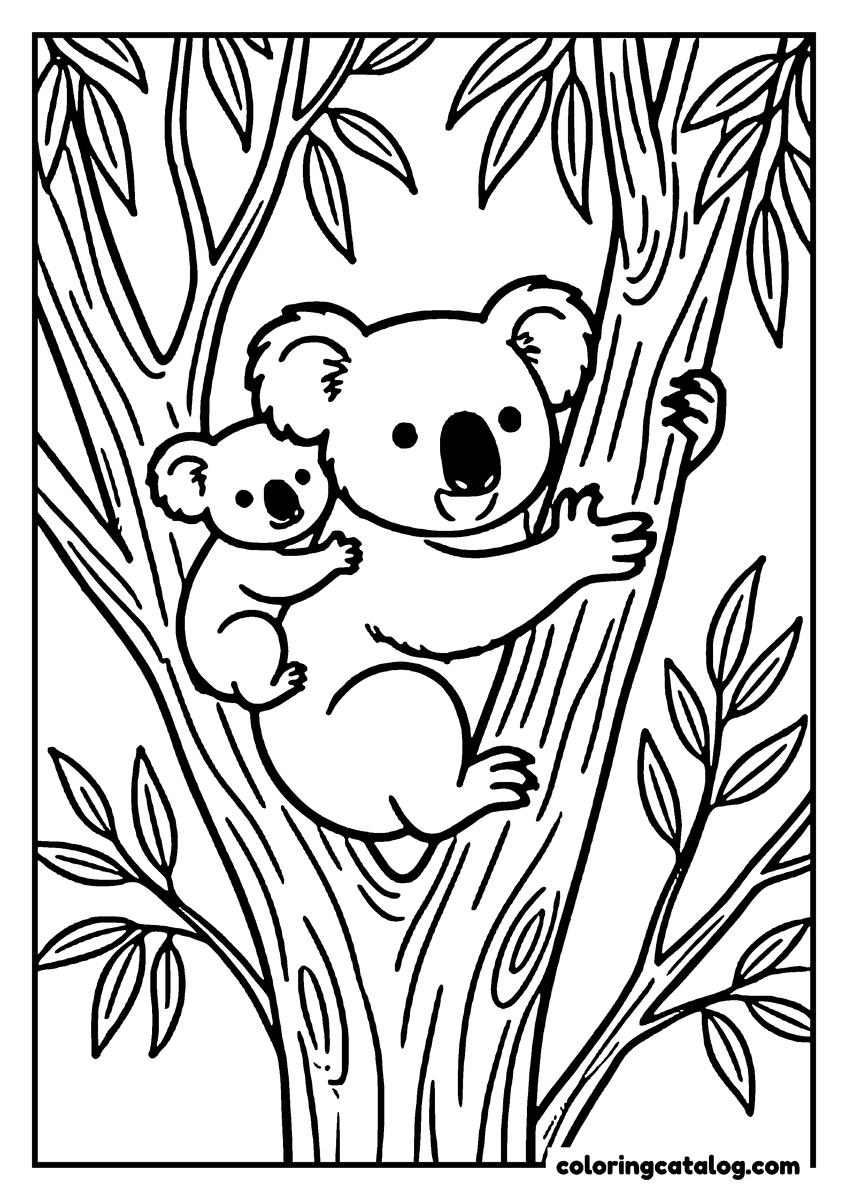
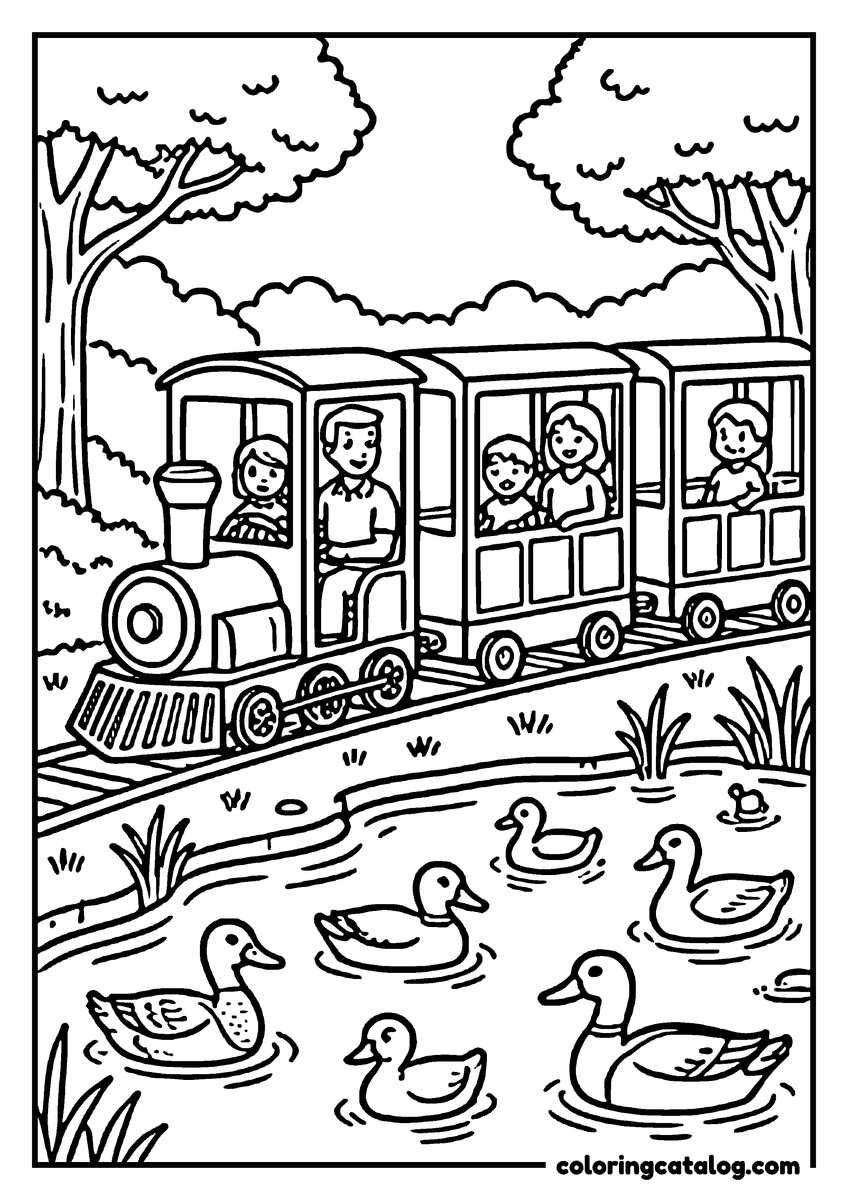
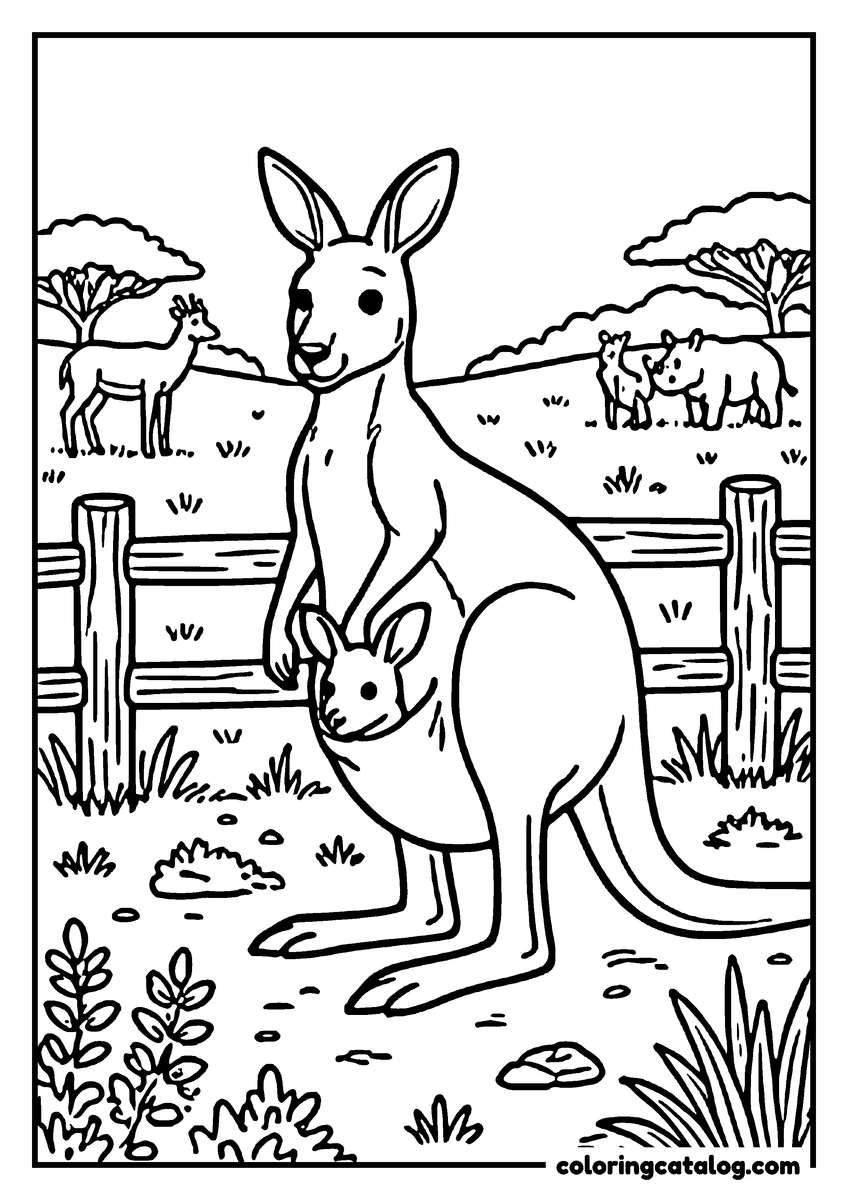
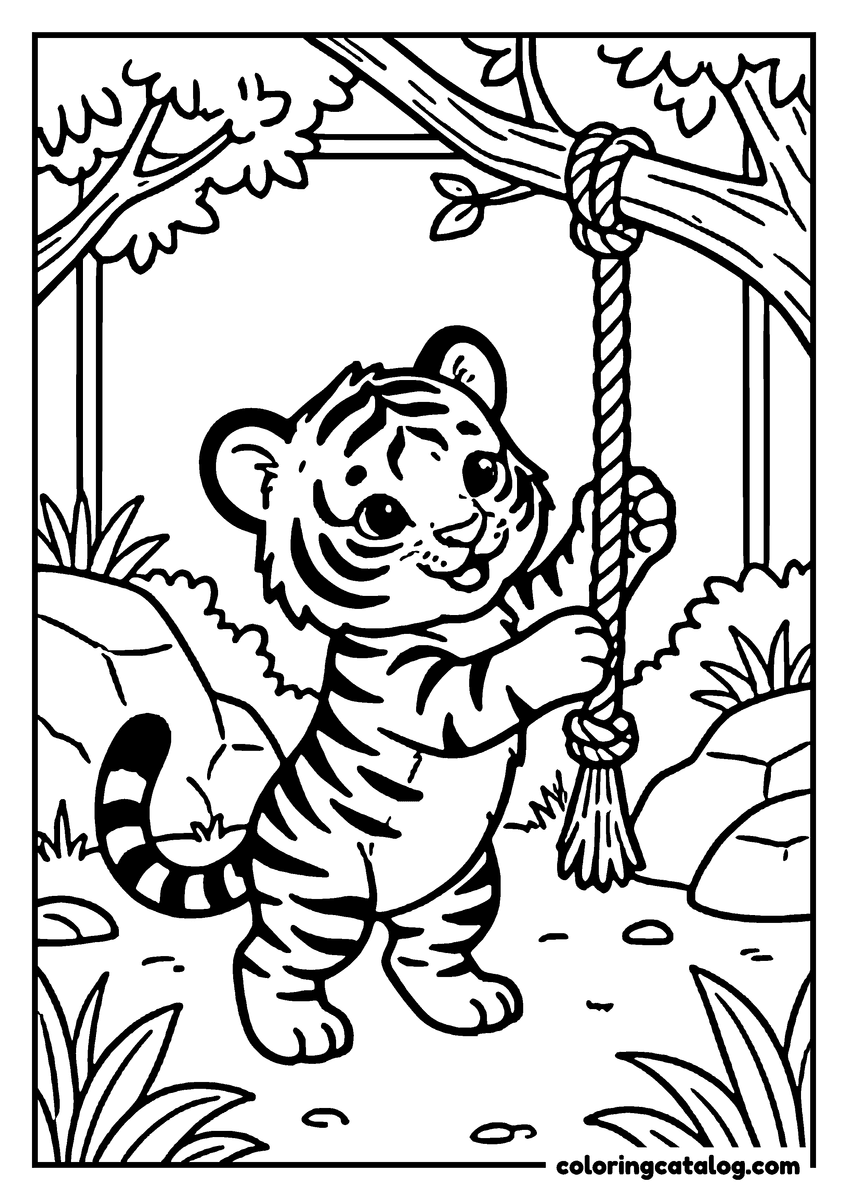
A zoo collection is not the same thing as a collection of animals, and the difference is the reason this one exists. The animals are here, of course: the lion on his ledge, the koala carrying her young, the red panda asleep along a branch with its ringed tail hanging down. But so is everything around them, which is what a child actually remembers. The keeper scattering feed while the flamingos crowd in. The little train of open carriages going past the duck pond. The squirrel who has climbed onto the picnic table and is helping himself.
That means the collection covers the whole visit rather than a list of species, and a child who has just been to a zoo will recognize their own day in it.
Which sheets suit which age
The gap between the easiest and the hardest sheet here is unusually wide, so it is worth choosing before you print rather than after.
Quick to color keeps the sheets built from a few large shapes. These open it:
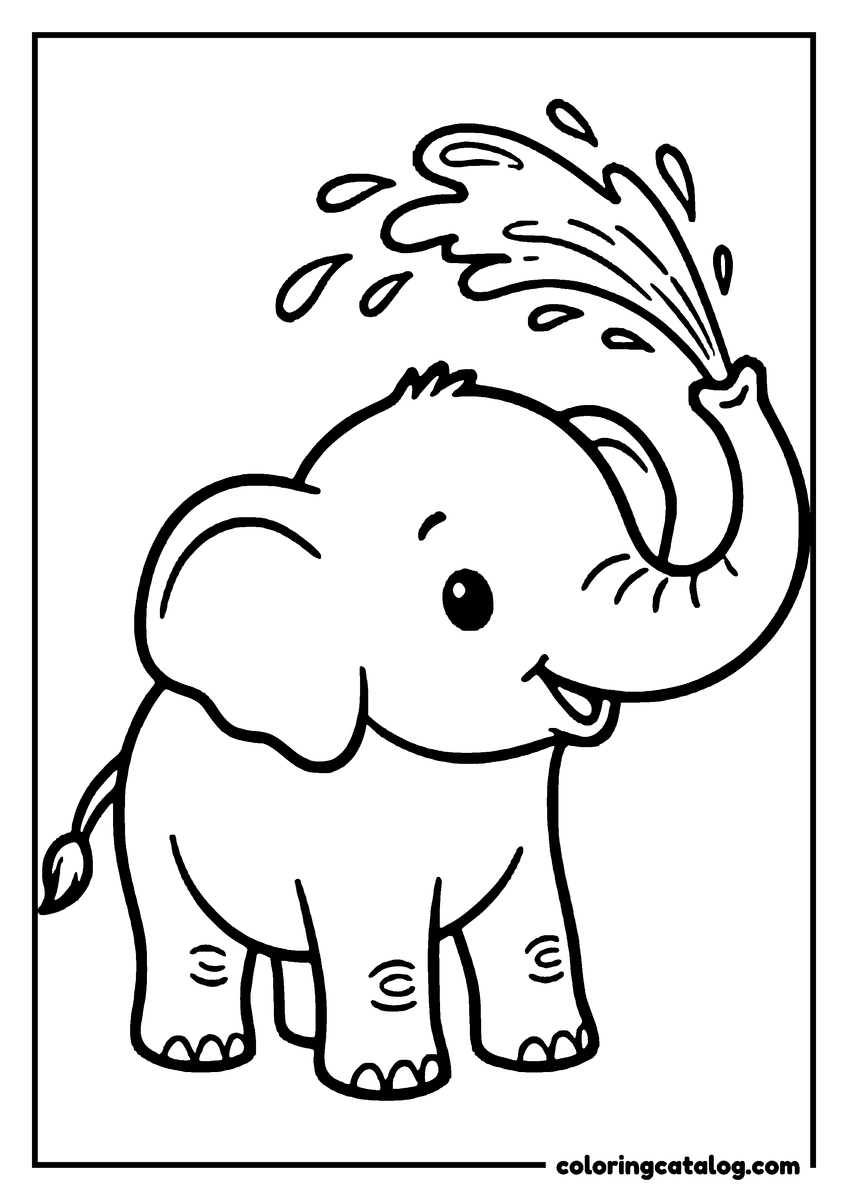
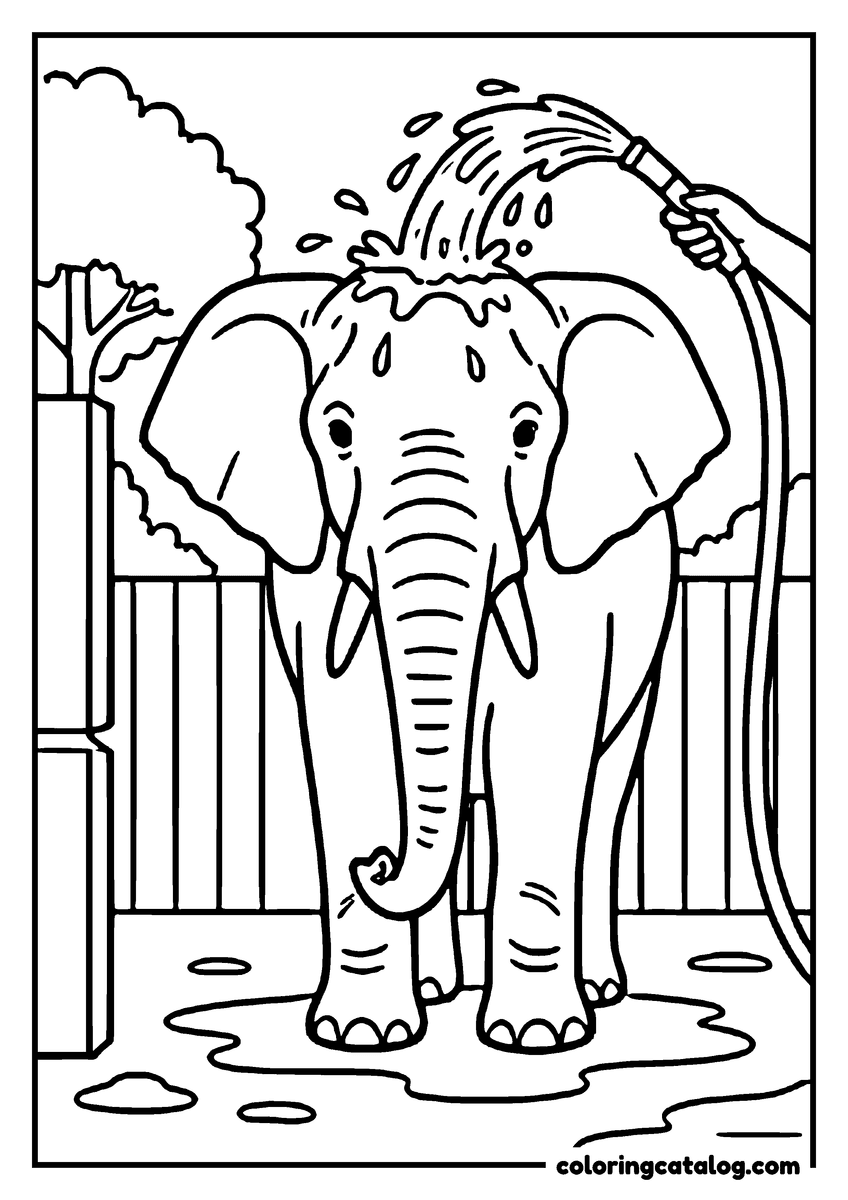
- Baby elephant spraying water
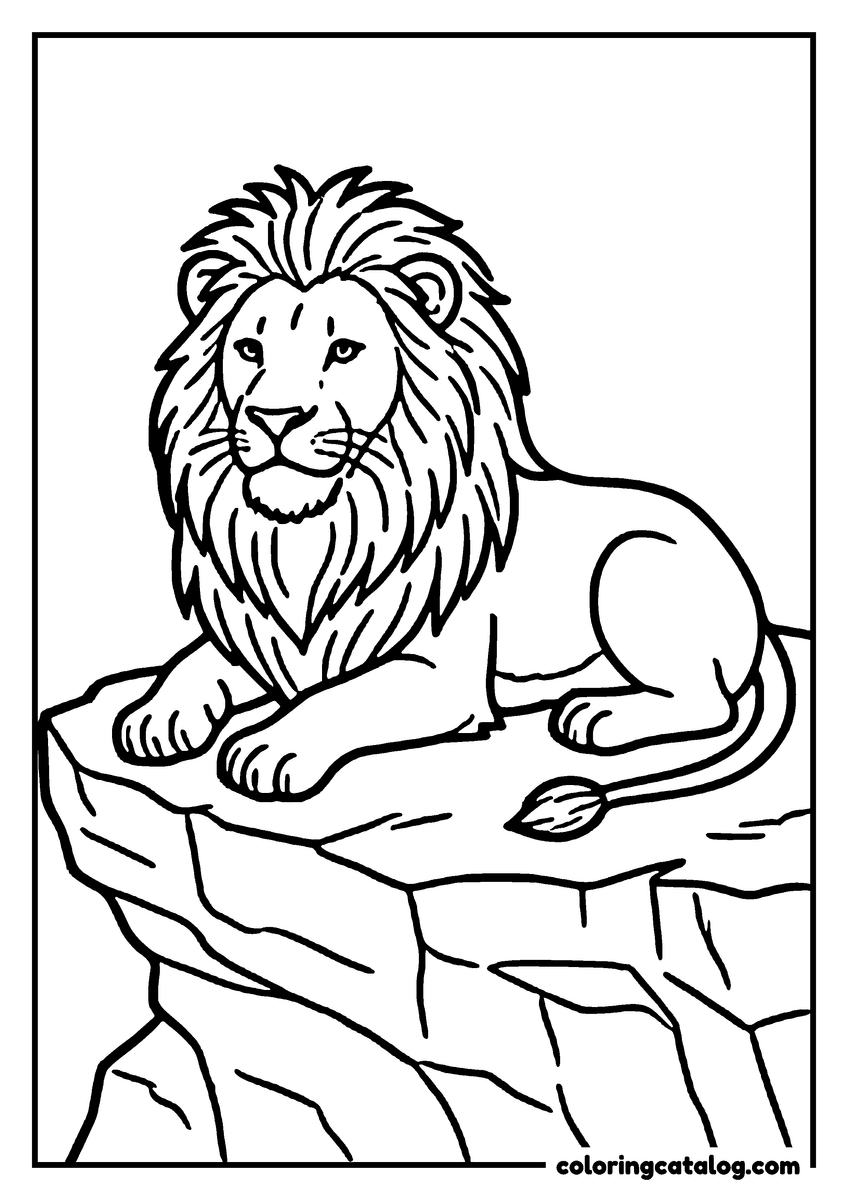
- Lion on the rock ledge
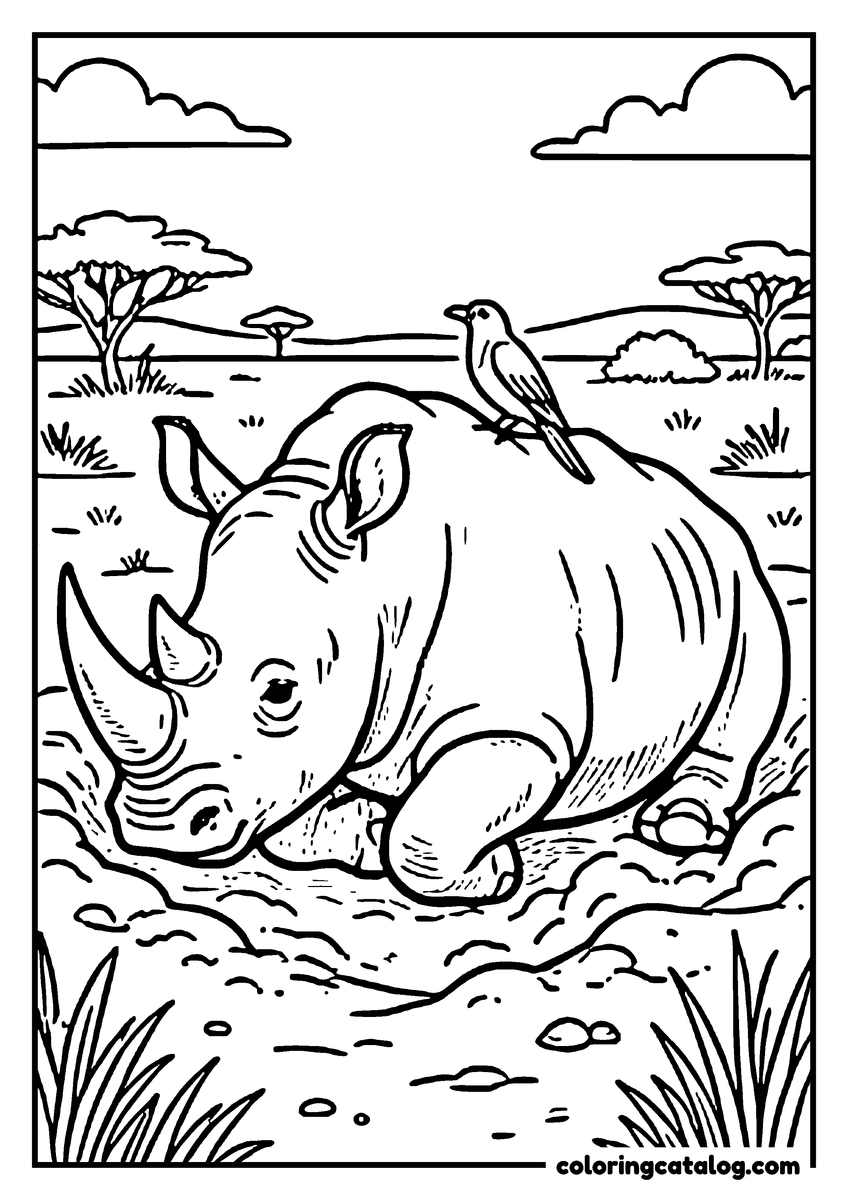
- Rhino in the mud
They are single animals on nearly empty ground, and a four or five year old can finish one in a sitting without help.
Lots of detail keeps the other end, where the work spreads right across the page:
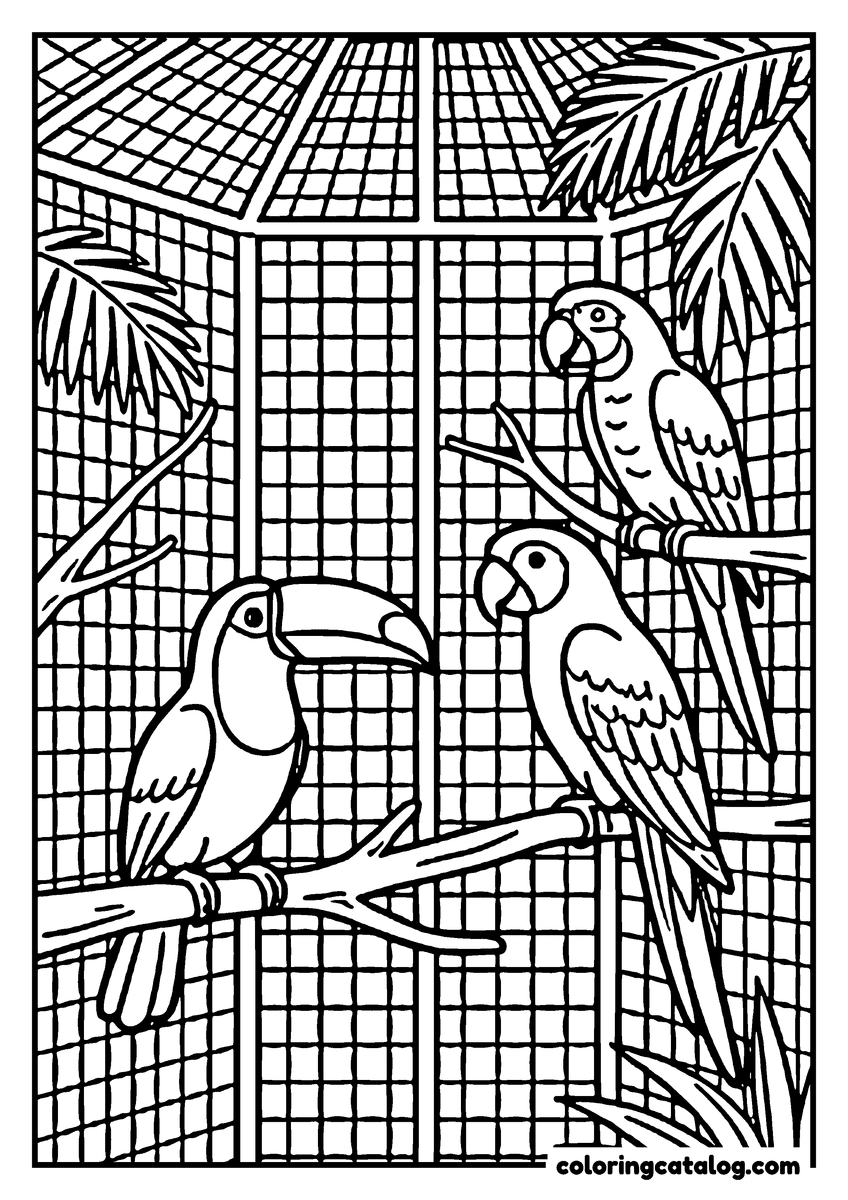
- Inside the aviary
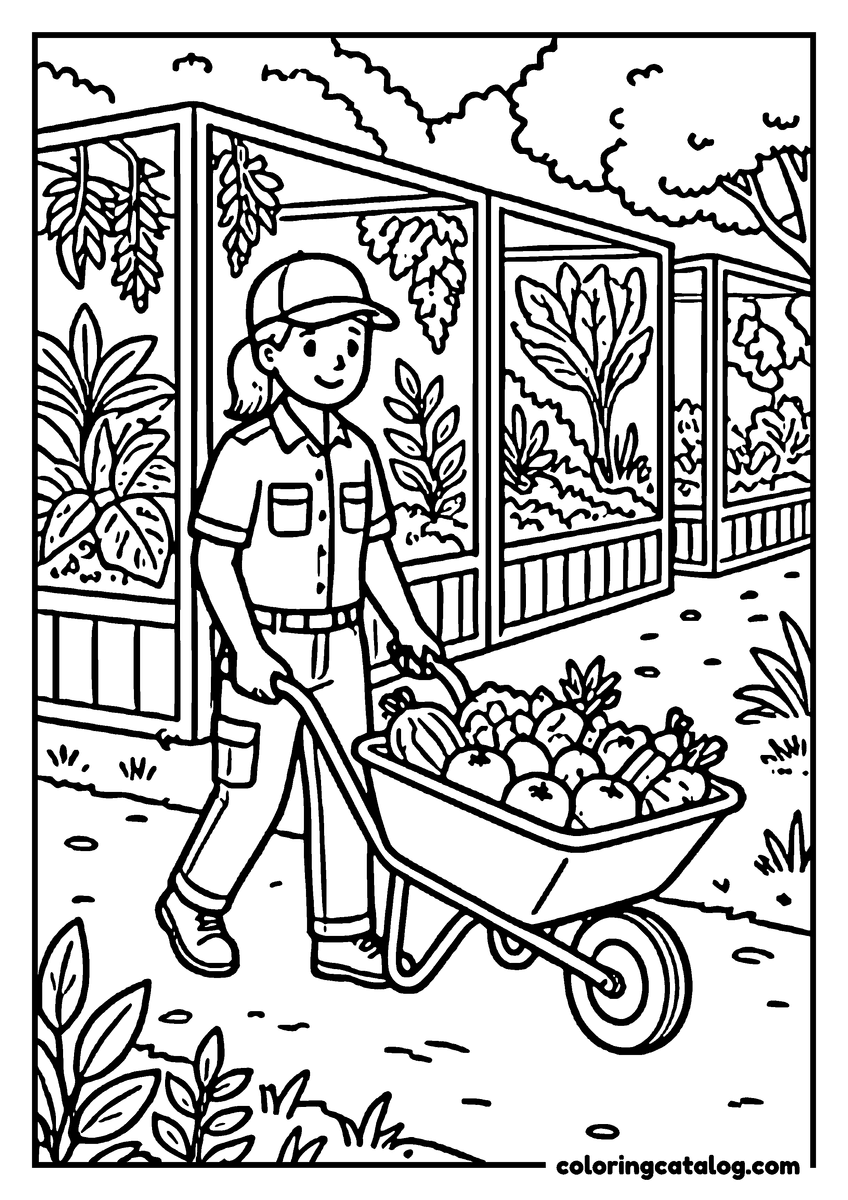
- The vegetable barrow
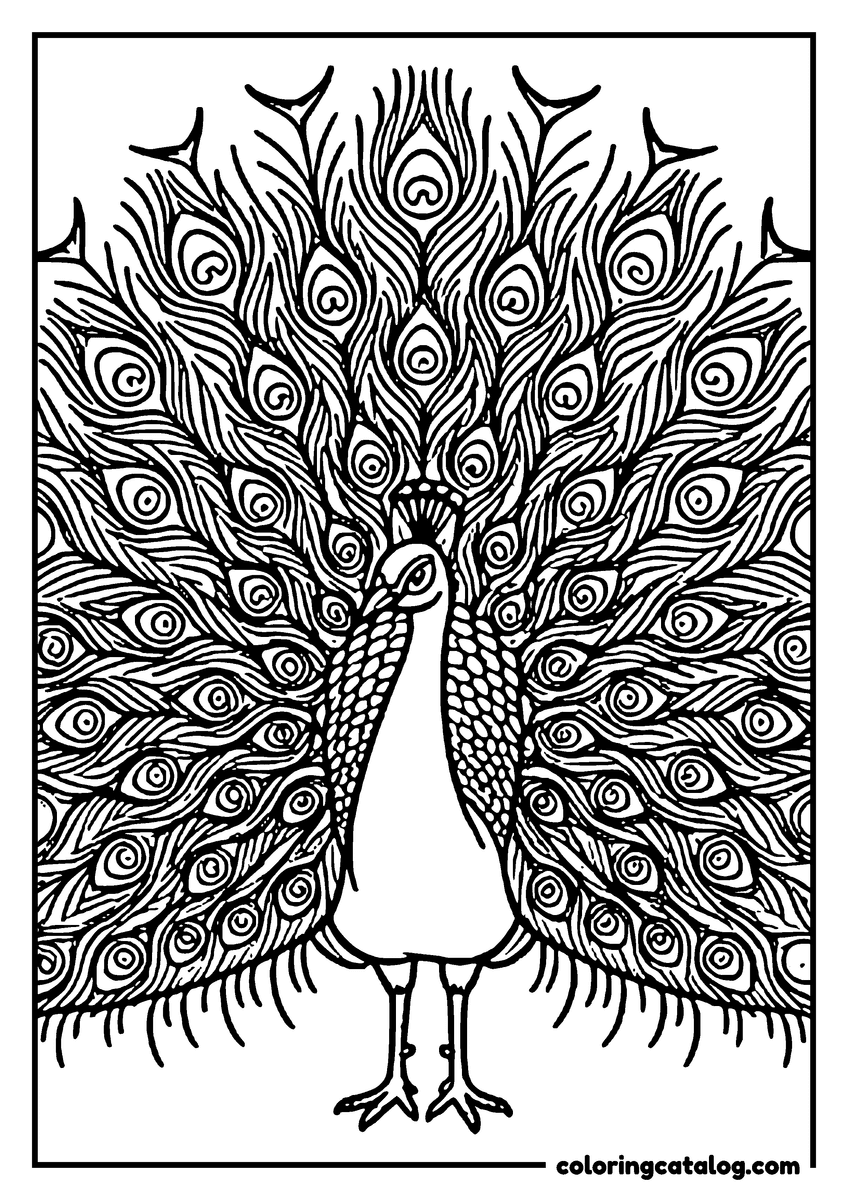
- Peacock in full display
The aviary is the densest sheet in the collection by a long way: the mesh of the cage is drawn wire by wire, and it covers the whole page behind the birds. Someone who likes filling small repeated shapes will be happy for an hour. Someone who wants a quick win will not.
Both buttons measure the same thing on every collection on this site, so the split is not a matter of taste, and one printout can serve a mixed table.
The colors are mostly decided for you
This is a collection where the right answer usually exists, which some children find reassuring and others find restrictive.
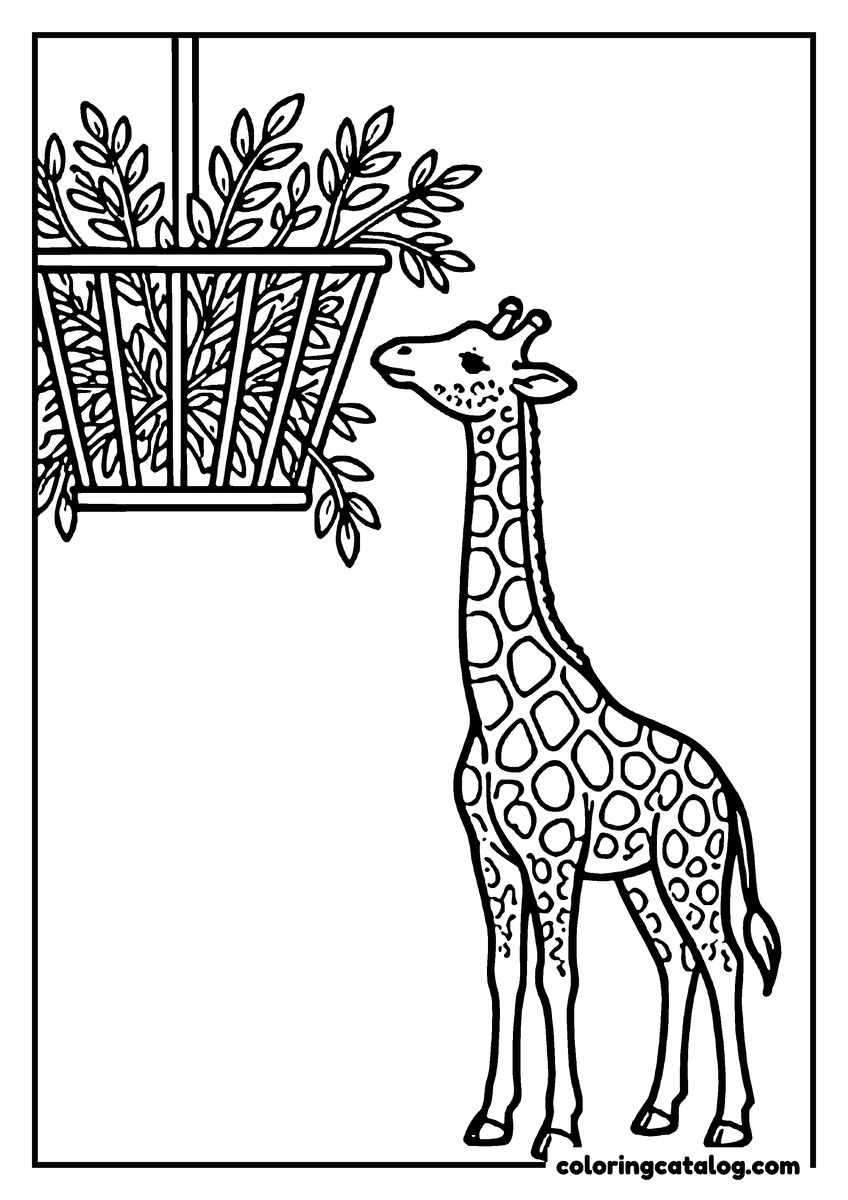
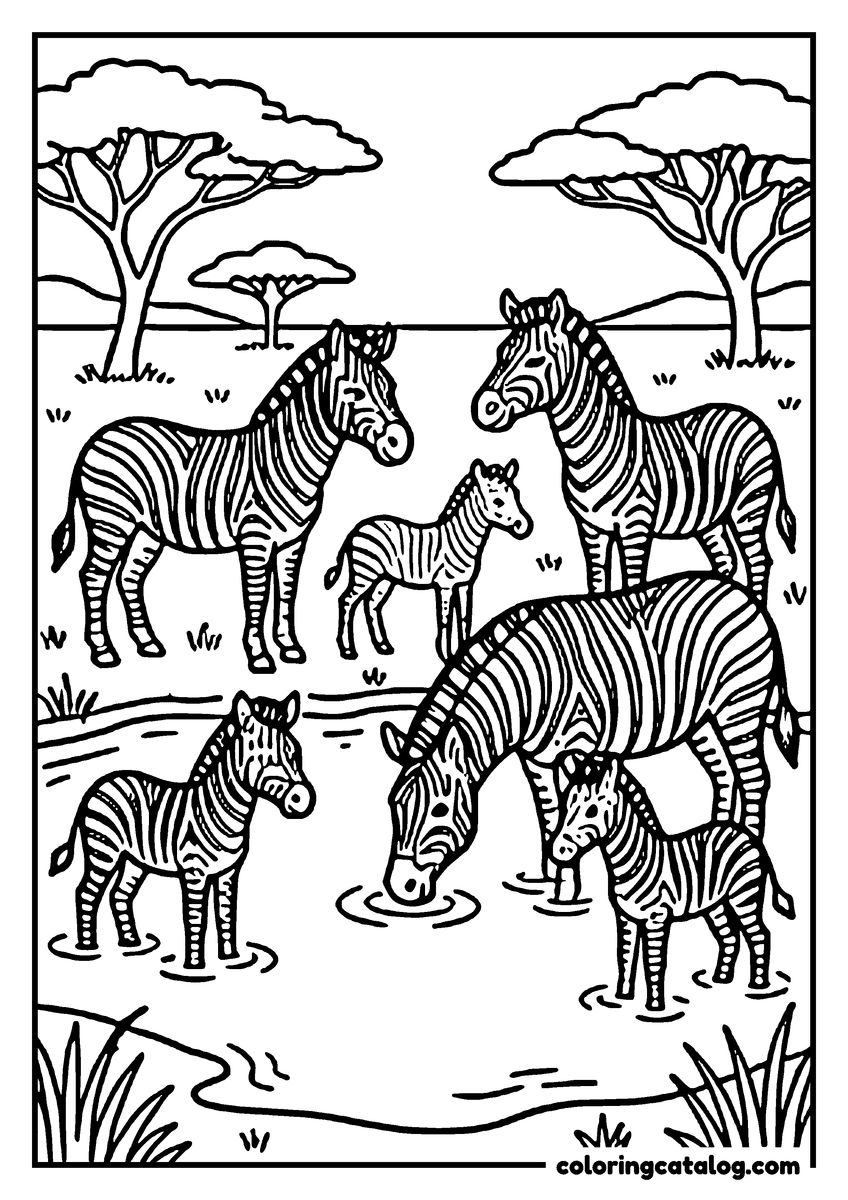
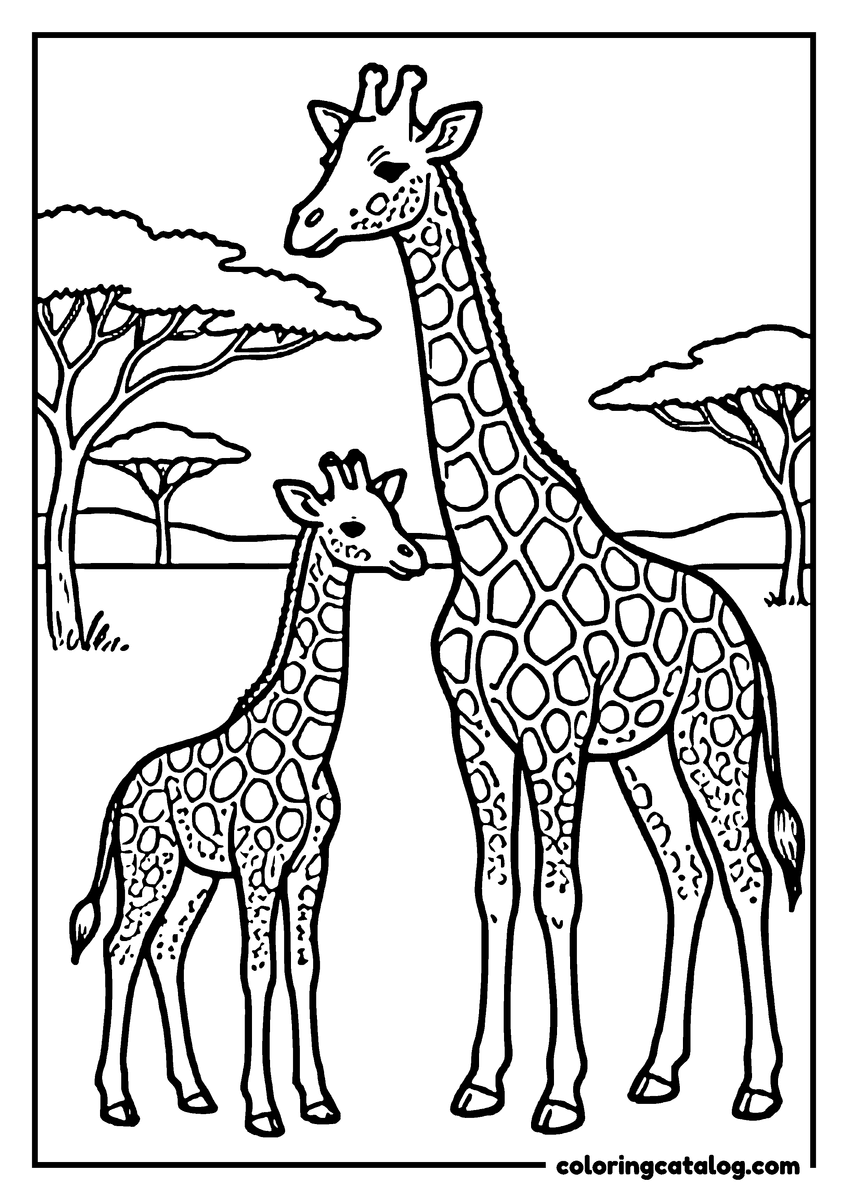
- The zebras and the giraffe are the two sheets where the pattern does the work. Fill every stripe and every patch separately rather than washing over them, and leave the paper between them white. It takes longer and it is the whole point of those two pages.
- The flamingos are pink, but not evenly: the body is paler than the wing edges, and the beak is pale with a black tip.
- The peacock rewards three or four greens and blues repeated around the tail rather than a different color per feather. The eye of each feather is what should stand out.
- The red panda is rust on the back and cream on the face, with the tail ringed in alternating bands.
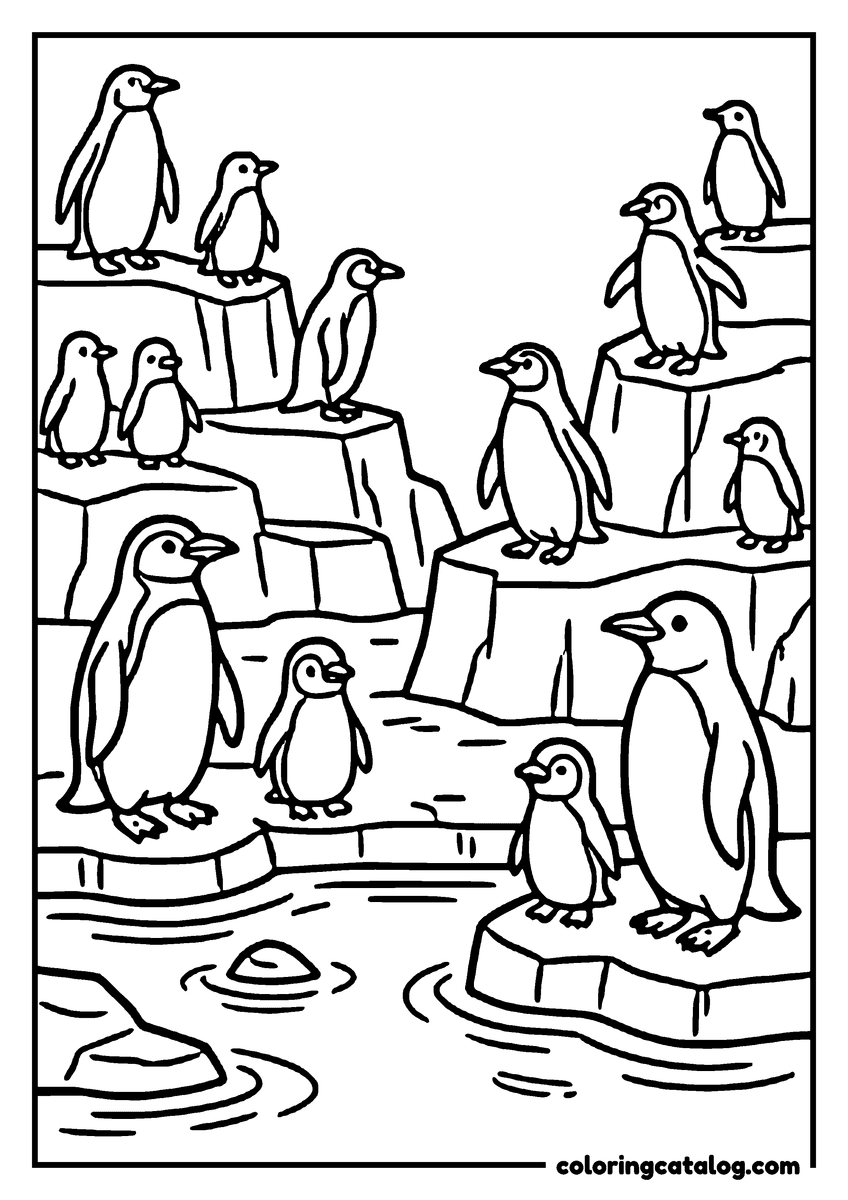
- The penguins and the koala are largely gray and white, so they are good sheets for colored pencils, where a light hand can suggest a shade rather than fill it.
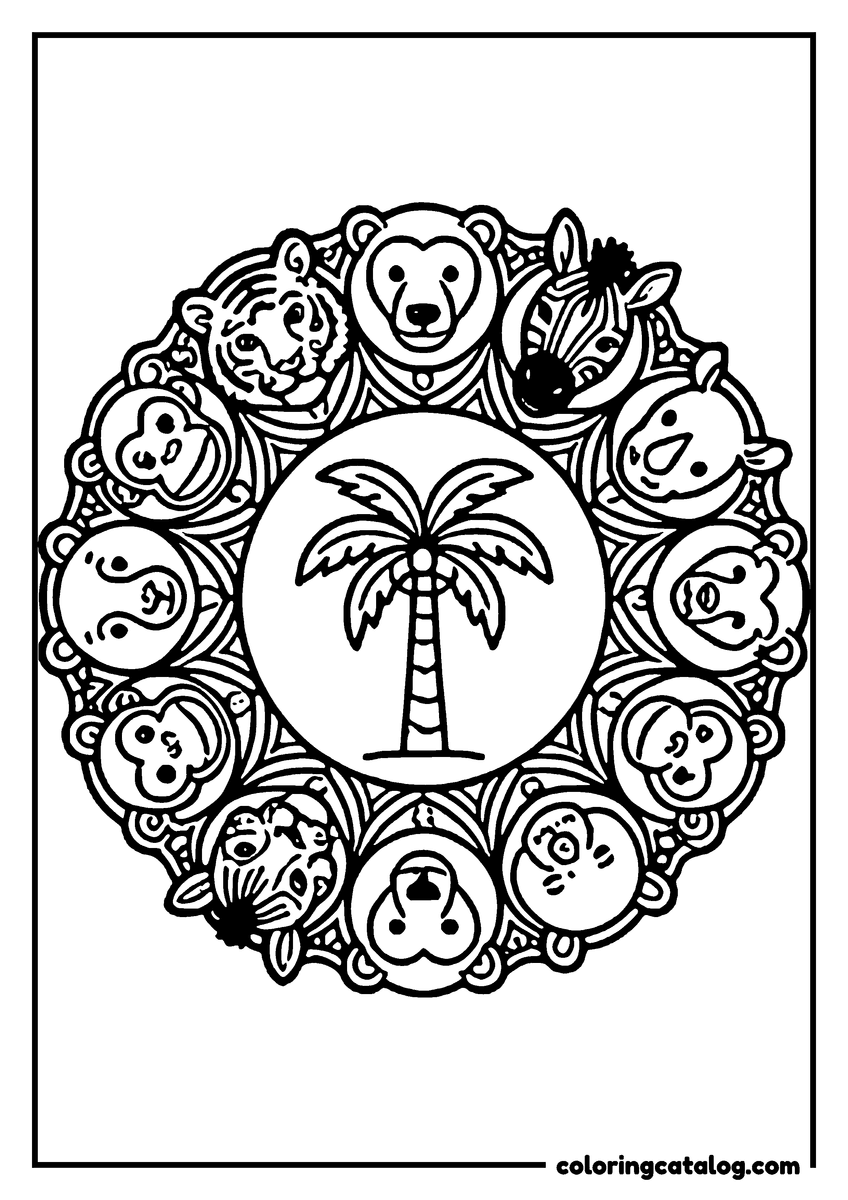
The mandala of animal faces and the paw print border are the two exceptions, where nothing is decided and any palette works.
A page with a space to fill
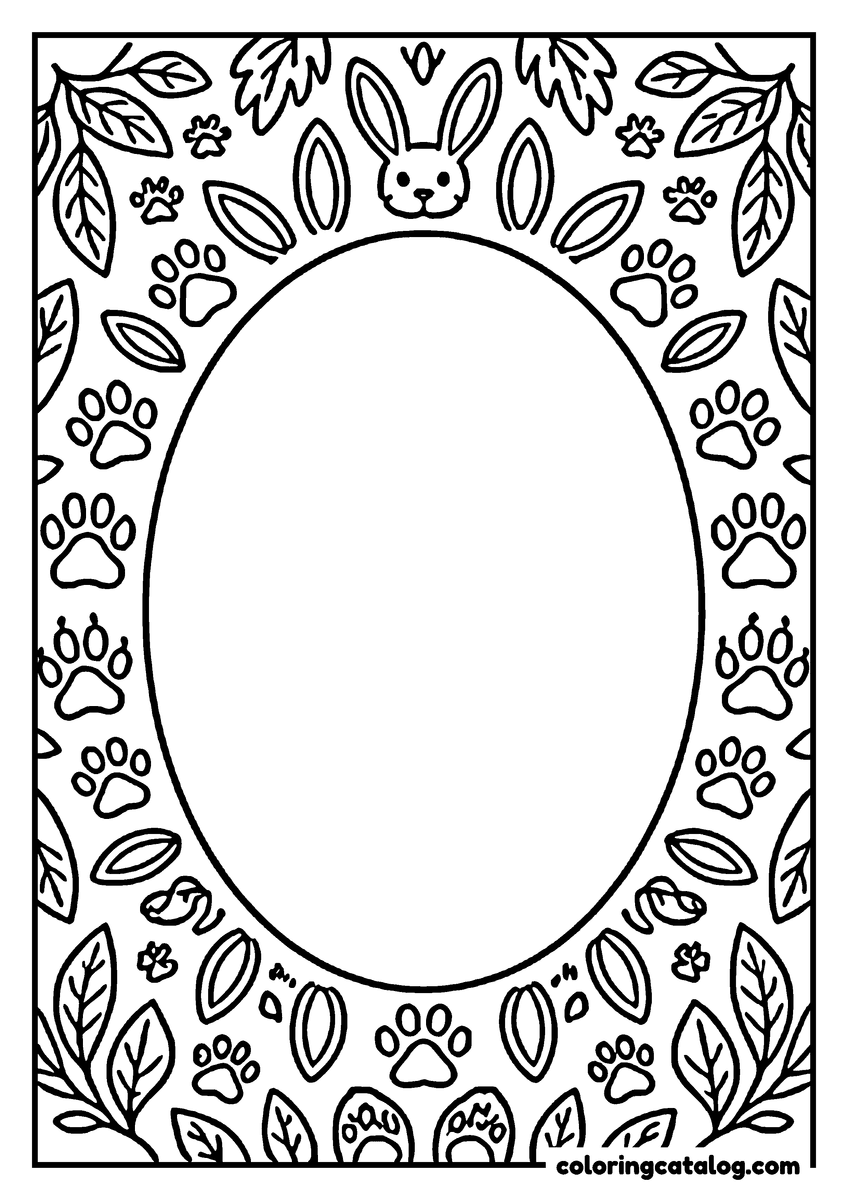
One sheet is a border of paw prints and leaves around a large empty oval. It is deliberately open: a name, a drawing of your own pet, a photograph taped in, or simply more pattern. It is the sheet to hand someone who wants to make something rather than fill something in.
Why zoo animals look the way they do
Almost every striking feature on these pages is a solution to a problem, and saying so turns a coloring session into something else.
Giraffe patches break up the outline under trees, and the pattern is as individual as a fingerprint. The neck has the same number of bones as yours: seven, each one enormous.
Zebra stripes are still argued over, but the best evidence is that they confuse biting flies, which cannot land properly on a striped surface. Every zebra's stripes are unique, and foals recognize their mother by them.
Elephant ears are radiators. An African elephant's ears are far larger than an Asian one's because it lives somewhere hotter, and they are full of blood vessels that shed heat when flapped.
Flamingos are pink from their food. They eat tiny shrimp and algae carrying a pigment that passes into the feathers; a flamingo fed on anything else turns white.
A lion's mane advertises health to other lions, and a darker mane means an older, stronger animal.
For coloring, the useful rule: big plain animals want texture, not color. An elephant is gray, but drawing the wrinkles darker in the same gray is what makes it look like an elephant instead of a cut-out.
What a modern zoo is actually for
Zoo pages raise a question from older children eventually, and it has a reasonable answer.
Good zoos today do four things. They run breeding programs for species that no longer have a safe home in the wild: the Arabian oryx, the California condor and Przewalski's horse were all extinct or nearly so in the wild and were put back from zoo-bred animals. They fund fieldwork in the countries the animals come from. They do research that is impossible on wild animals. And they let people see an animal at close range, which is still the thing most likely to make a child care about it.
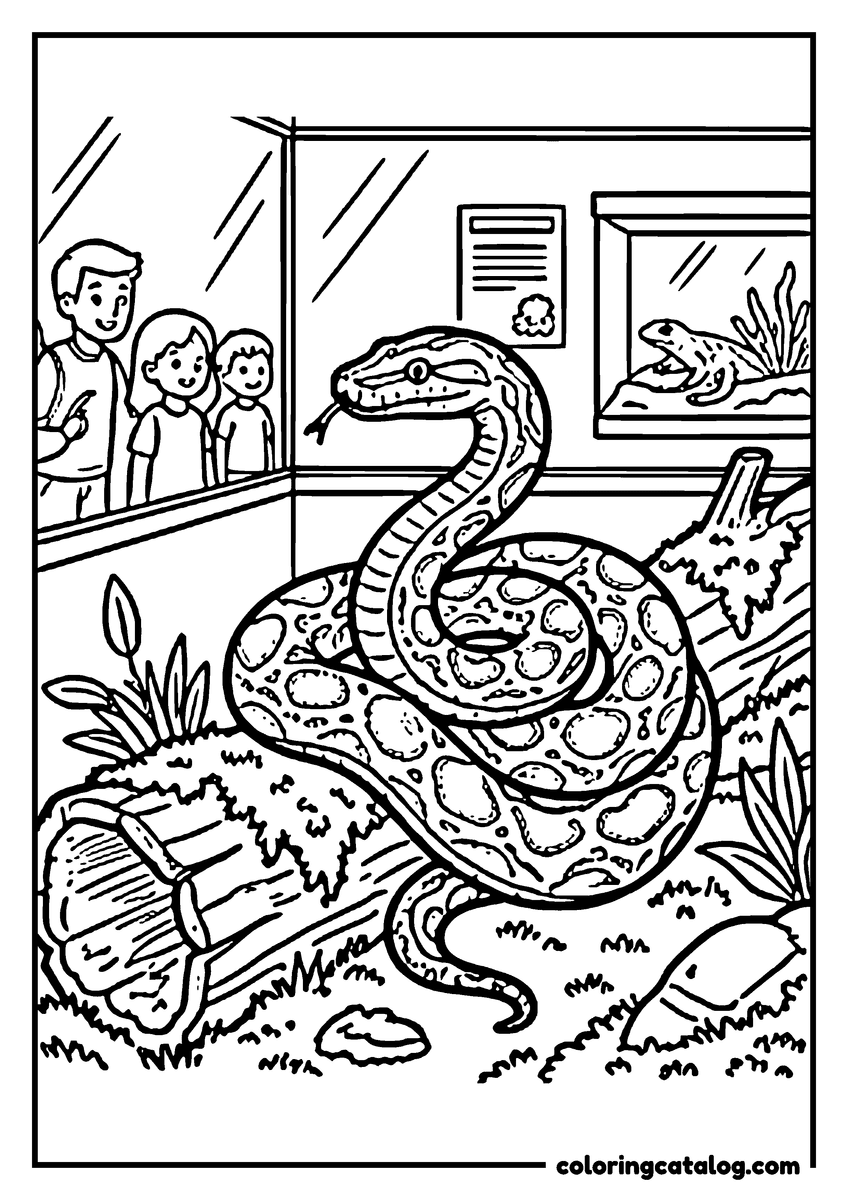
The enclosures on these pages reflect the change. Bars and tiled floors have been replaced by planting, deep water, climbing structures and places to hide, and the modern word for the last one is enrichment: food hidden so it must be worked for, scents, puzzles, things to dismantle. The aviary sheet with its mesh drawn wire by wire is a good example of the shift. Two animals that zoos breed and study closely have their own collections here, the panda coloring pages and the koala coloring pages, and both suit a lesson on why a zoo keeps them.
None of which settles the argument, and it is a fair one to have. But a child who asks why the animals are there deserves better than "so we can look at them".
Printing a set for a class trip
Press Add to pack under each drawing you want and print the selection as one PDF. The pack stays in your browser while you move between collections, so a few lion coloring pages or farm coloring pages can join the same print for a class that is doing animals more broadly.
The sheets are free printable PDFs at 300 dpi, with no watermark and no account. They are A4: print at actual size on A4, or choose "fit to page" on US Letter. The printing guide covers paper and settings, and the license covers home, school and club use.
Zoo Coloring Pages: questions and answers
Which zoo coloring page is easiest?
The baby elephant spraying water and the lion on his rock ledge. Both are one large animal on nearly empty ground, with very little inside them. Press Quick to color above the grid to keep the simplest.
Which ones take the longest?
The aviary, by a wide margin: its mesh is drawn wire by wire across the whole page. After that come the peacock in full display and the keeper with the vegetable barrow. Press Lots of detail to keep that end.
Are there people in these sheets, or only animals?
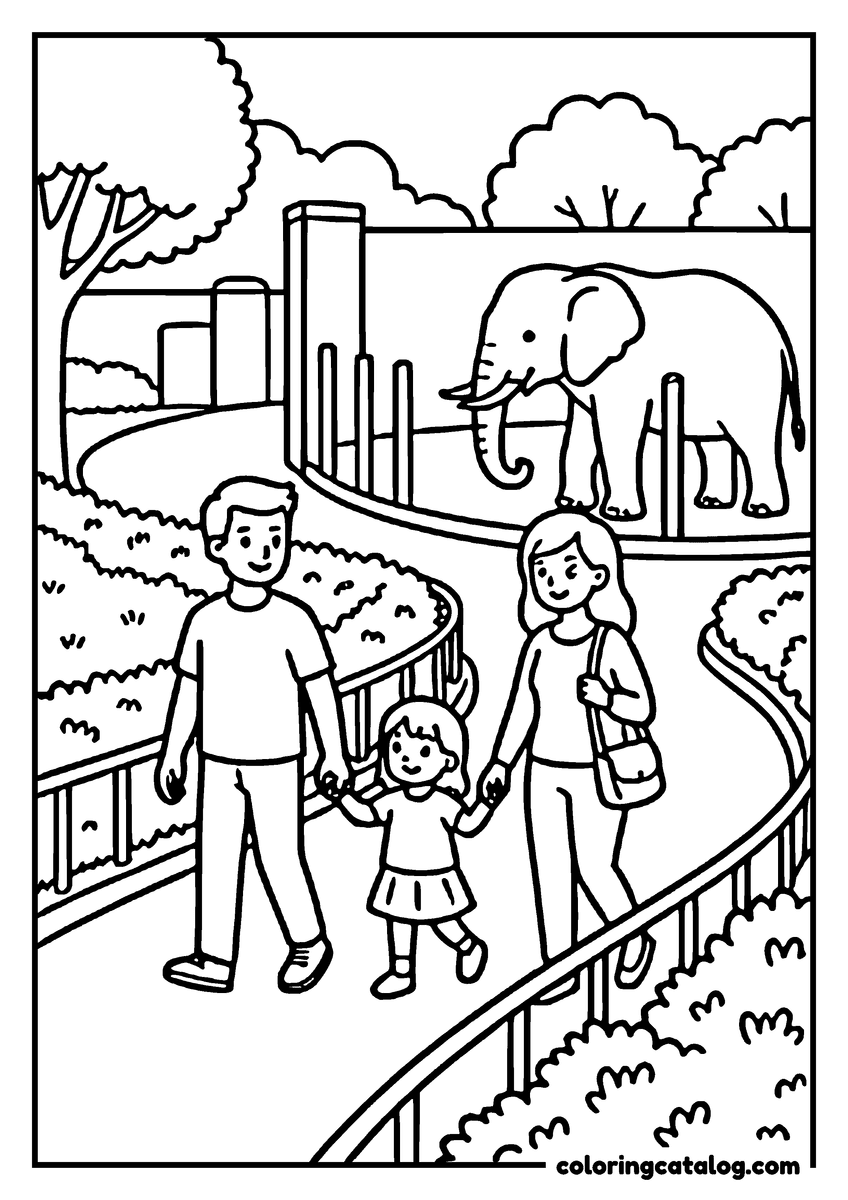
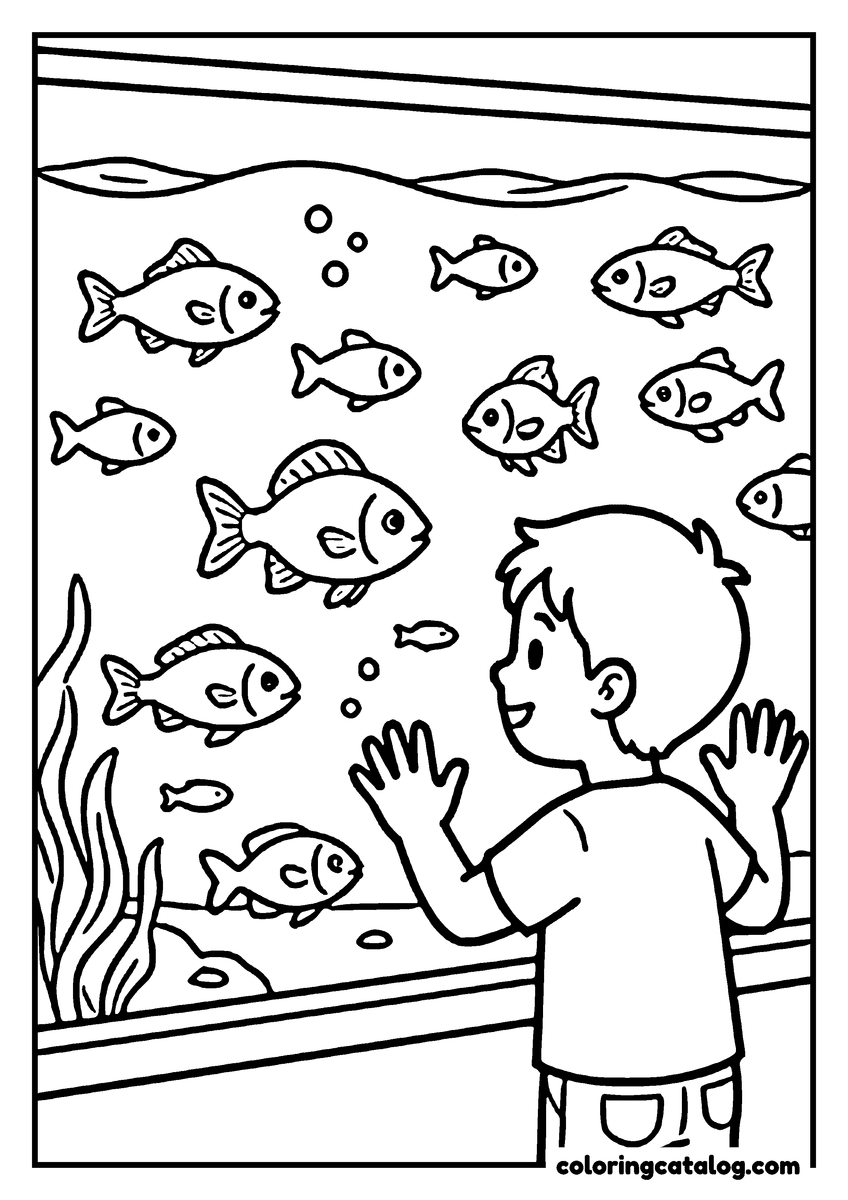
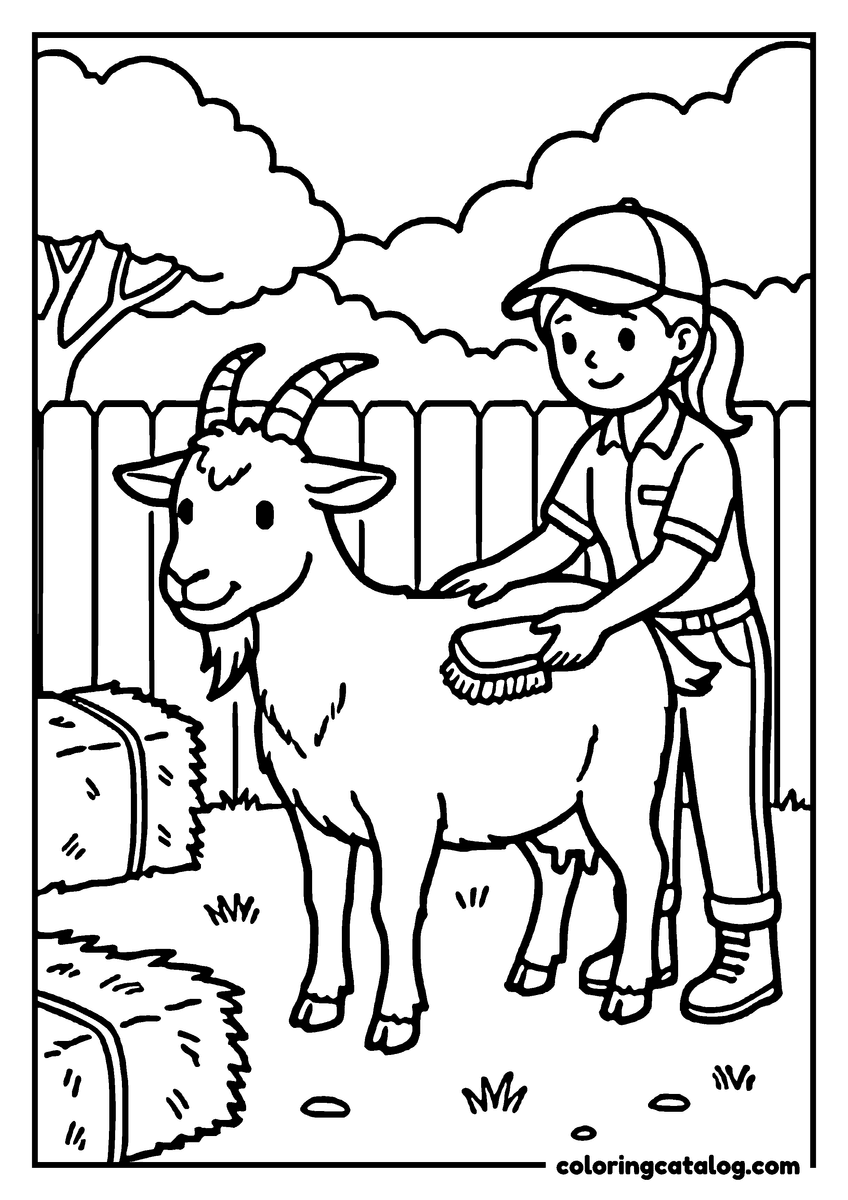
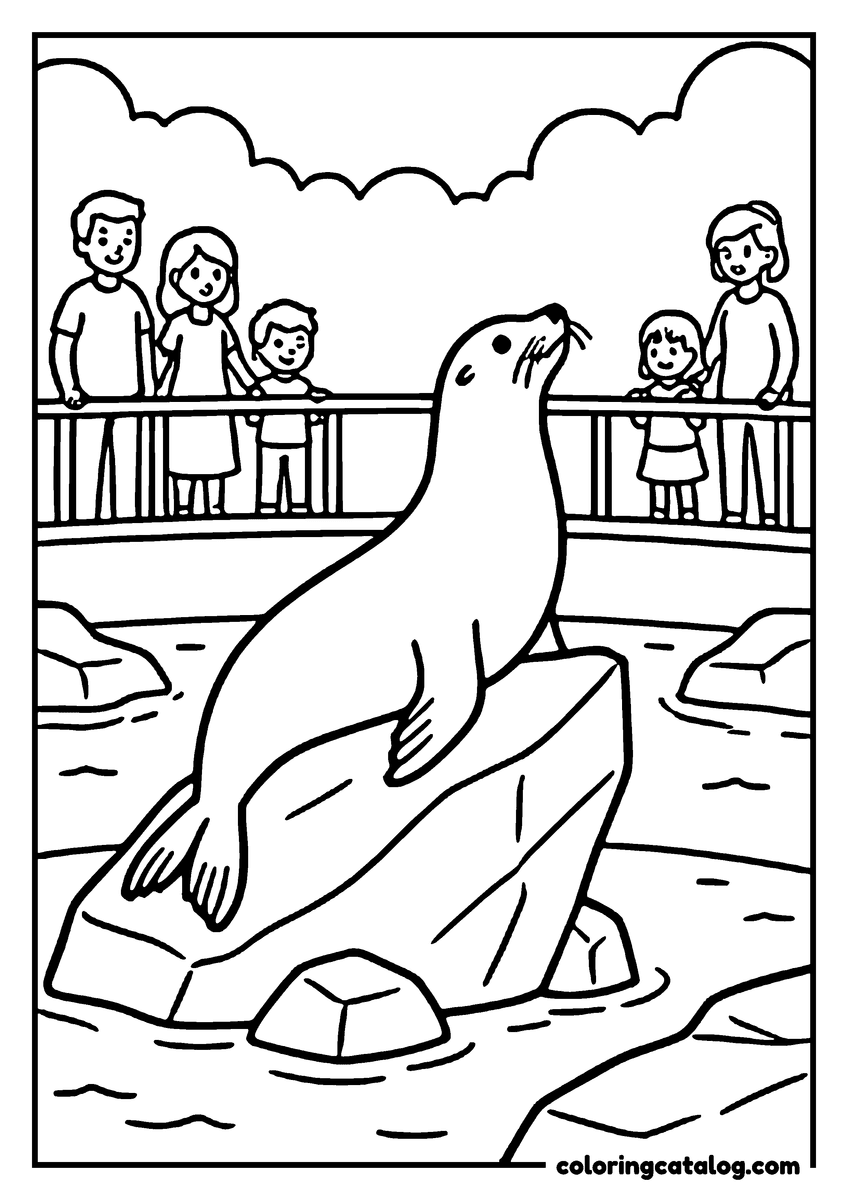
Both. Keepers feed the flamingos, brush a goat and push a barrow of vegetables, a family walks the path, and children watch the fish and the sea lion. A zoo visit is half the pleasure, so it is drawn too.
What color should the zebras and the giraffe be?
Fill every stripe and every patch separately and leave the paper between them white. Washing a single color over the whole animal loses the pattern, which is the only reason those two sheets are interesting.
Is there a sheet where my child can draw their own thing?
Yes. One sheet is a border of paw prints and leaves around a large empty oval, left open on purpose. A name, a drawing of a pet, a photograph, or more pattern: it is the sheet for making rather than filling.
Do any of the sheets have words on them?
No. None of these drawings carries lettering, so a child is never asked to read anything, and nothing needs translating.
Can I print these for a school trip or a class?
Yes, as many copies as you need, with no permission and no attribution. The license covers school, club and home use. Selling the files is the one thing it rules out.
How do I print them on US Letter paper?
The PDFs are A4. On US Letter, choose fit to page in the print dialog so nothing is cut off. The printing guide walks through it.
Same drawer
More animals coloring pages
T. rex, raptors in packs and a triceratops with its baby, all drawn in a jungle rather than on empty paper.
Real species with their markings drawn in, and patterned wings for anyone who wants an hour on one page.
Realistic horses at full gallop, a Shetland pony with a bird on its back, and a whole stable yard to color.
Kittens with yarn, cats asleep on books, and one cat who has made it to space.